Menu

Whole Home Repiping in Baltimore – Complete Pipe Replacement for Homes Built Before 1980

Keystone Plumbing Baltimore specializes in full home repiping for Baltimore's older housing stock, replacing corroded galvanized and deteriorating copper lines with modern materials that withstand the city's aggressive water chemistry and freeze-thaw cycles.

Slider Image 1
Slider Image 2
Slider Image 3
Slider Image 4
Slider Image 5
Slider Image 7
Slider Image 8
Slider Image 9
Slider Image 10
Slider Image 11

Why Baltimore Homes Need Whole House Repiping More Than Most Cities

Baltimore's housing stock tells a story of age. Over 60% of the city's homes were built before 1978, and many still run on their original galvanized steel or early copper piping. These materials were not designed to handle the moderately aggressive water chemistry flowing through Baltimore's municipal system, which has a pH that accelerates internal corrosion.

The result is predictable. You get brown water first thing in the morning. Low pressure upstairs. Pinhole leaks that start small and multiply. The freeze-thaw cycles we experience every winter stress already-weakened pipes, and eventually, you are patching leaks faster than they stop appearing.

House repiping becomes necessary when the system itself has aged out. Spot repairs buy time, but when you are dealing with widespread internal corrosion or galvanized lines installed in the 1950s, replumbing a house is the only permanent fix. Full home repiping means replacing every supply line in your home with modern materials that resist corrosion, handle pressure fluctuations, and last decades longer than what was available when your home was built.

Baltimore's rowhouse construction adds complexity. Shared walls, tight crawl spaces, and limited attic access mean whole house pipe replacement requires precision planning and experience working in these specific conditions. The work is invasive, but when done correctly, it eliminates chronic plumbing problems and adds measurable value to your property. If you are repairing the same section of pipe twice a year, you are past the point where repairs make financial sense.

Why Baltimore Homes Need Whole House Repiping More Than Most Cities
How Full Home Repiping Works in Baltimore's Older Housing Stock

How Full Home Repiping Works in Baltimore's Older Housing Stock

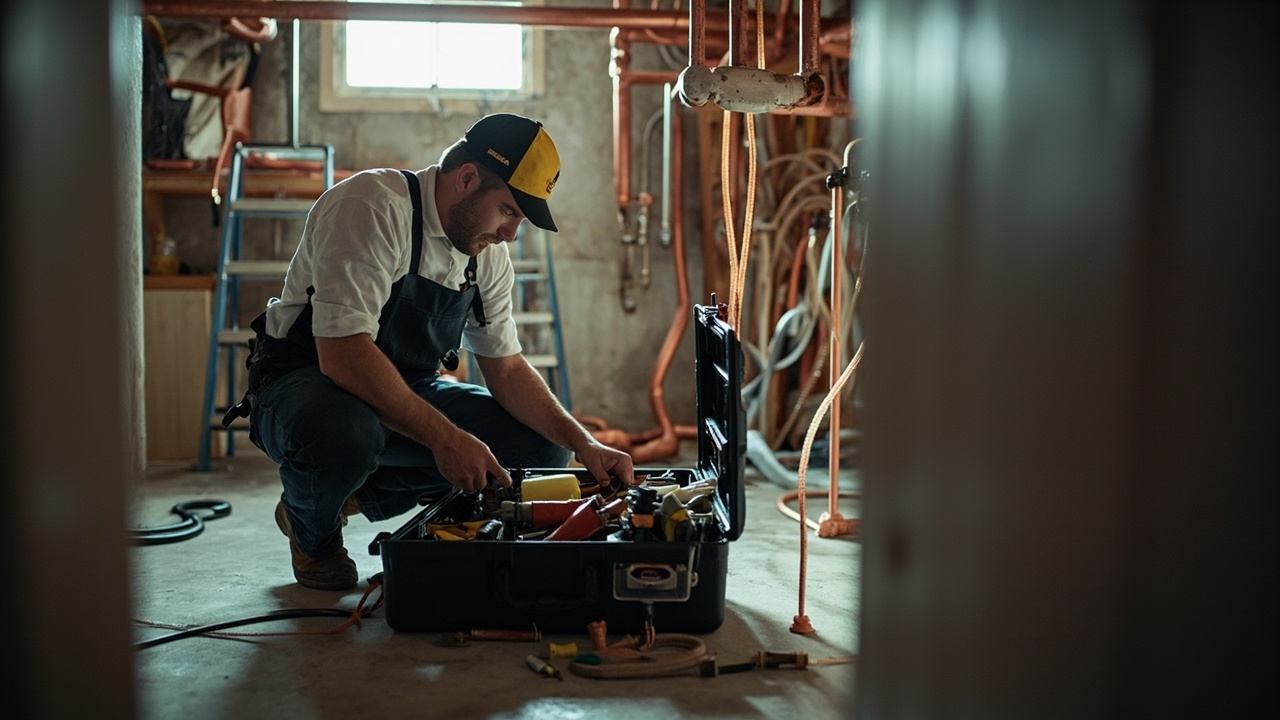
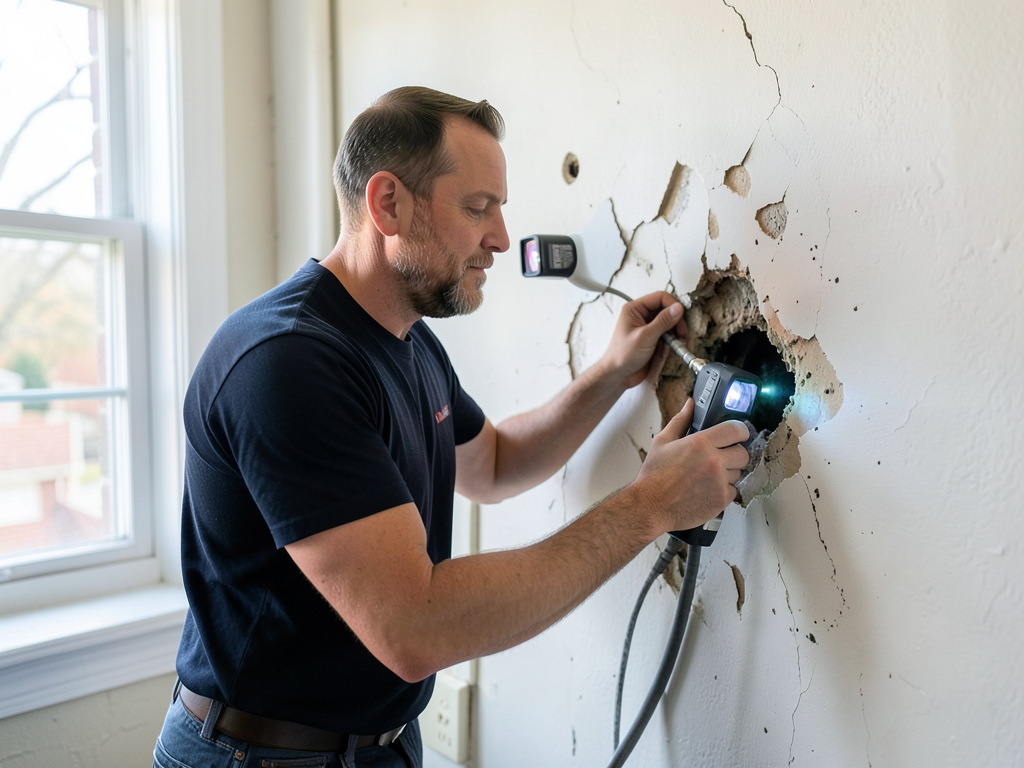
Whole house repipe projects begin with a complete assessment of your existing system. We map every supply line, identify the materials in use, and determine the best routing for new pipes. In Baltimore's rowhomes and older detached properties, this often means working around structural limitations like plaster walls, limited basement headroom, and shared party walls.

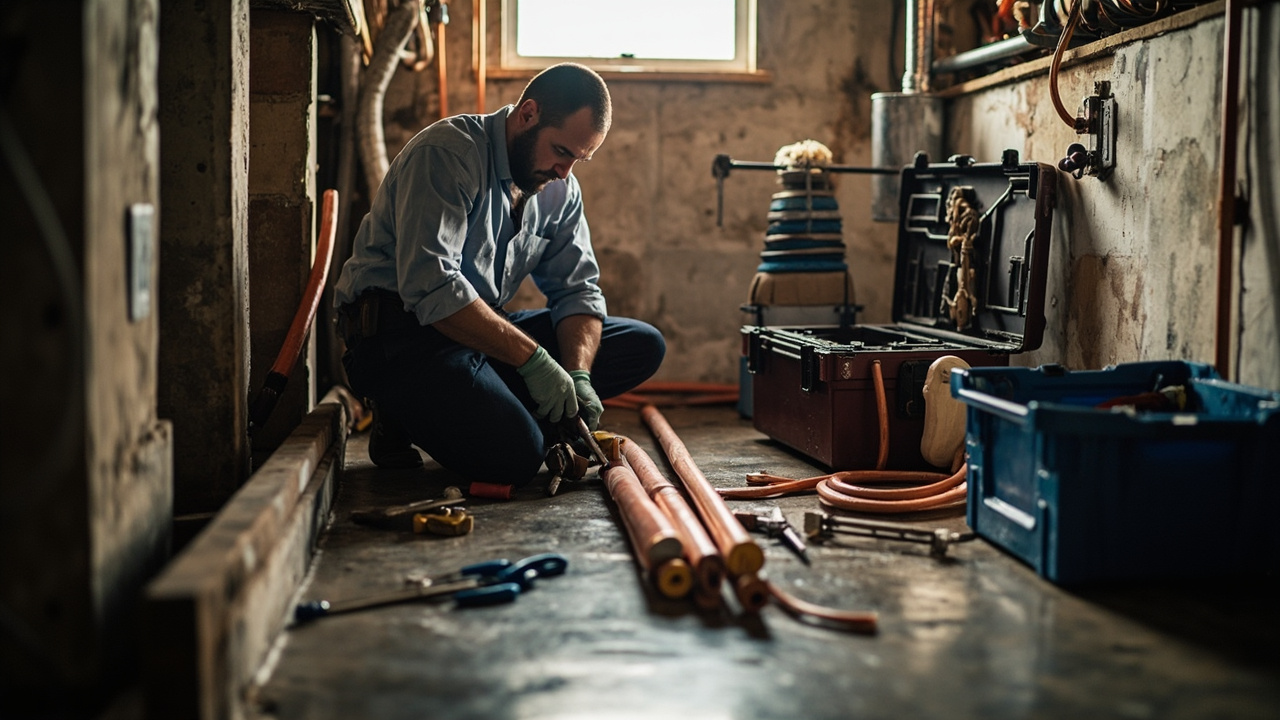
Material selection matters. We typically install PEX or Type L copper, depending on your home's specific needs and local code requirements. PEX offers flexibility for tight routing and resists the freeze damage that can occur in exterior walls. Copper provides durability and works well in exposed applications. Both materials handle Baltimore's water chemistry far better than the galvanized or thin-wall copper they replace.

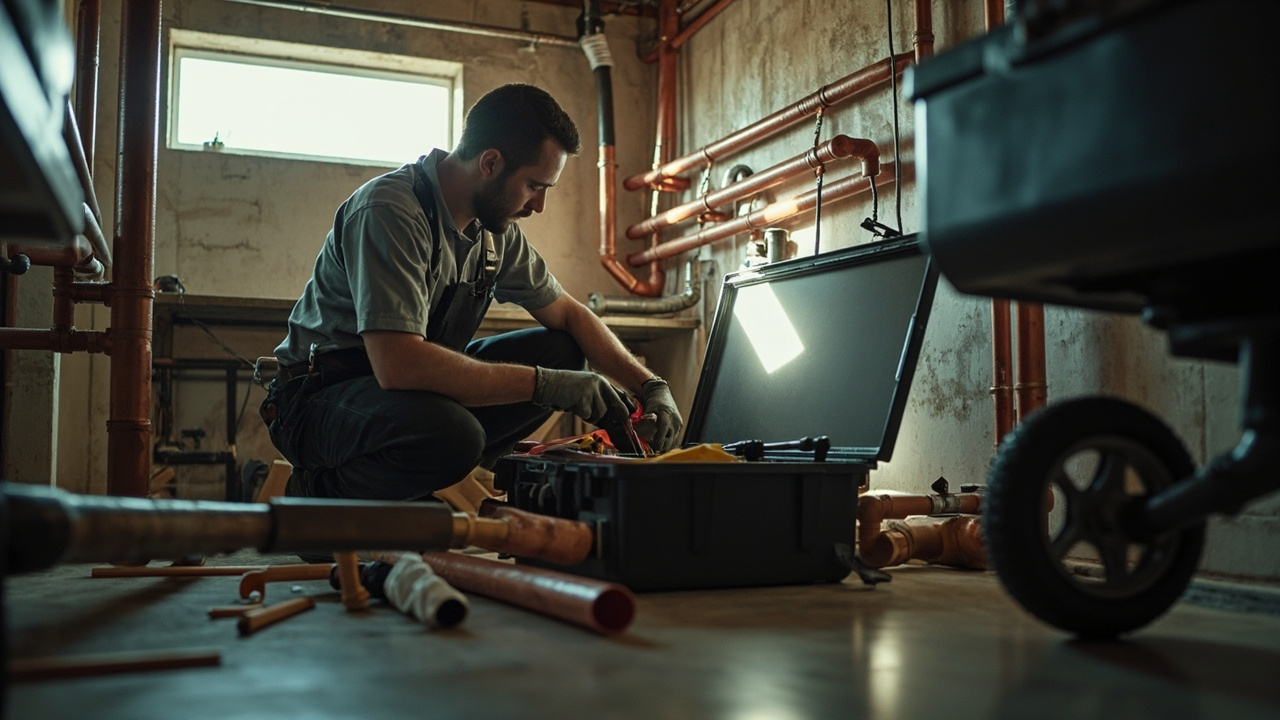
The installation process is methodical. We run new lines through existing chases when possible, minimizing wall demolition. When we do need to open walls, we target specific sections rather than tearing out entire rooms. We maintain water service to critical areas during the work and complete the project in phases to reduce disruption.

Pressure testing happens before we close any walls. Every joint gets inspected. Every line gets flushed. We verify flow rates at every fixture and confirm that pressure is consistent throughout the house. This is not a patch job. When we complete a whole house pipe replacement, the entire supply system is new from the water meter to every faucet.

The work typically takes three to seven days for an average Baltimore rowhome, longer for larger detached homes with multiple bathrooms. You will have limited water access during portions of the work, but we coordinate schedules to minimize inconvenience.

What Happens During Your Home Repiping Project

Whole Home Repiping in Baltimore – Complete Pipe Replacement for Homes Built Before 1980
01

System Mapping and Planning

We start by tracing your existing supply lines and documenting every connection point. This includes identifying valve locations, measuring pipe runs, and assessing wall cavity access. In Baltimore rowhomes, we pay special attention to shared walls and structural constraints that affect routing options. The mapping phase determines material quantities, project timeline, and how we will maintain partial water service during the work.
02

New Pipe Installation

We run new supply lines using the most efficient routes available in your home's structure. This involves drilling through joists, fishing lines through wall cavities, and securing pipes according to code spacing requirements. Old pipes stay in place until new lines are fully installed and tested, which means you keep water access for most of the project. We work room by room, completing sections before moving to the next area.
03

Testing and System Activation

Before closing any walls, we pressure test the entire system at 150 PSI for a minimum of two hours. Every connection gets visual inspection for leaks or seepage. We flush all lines to remove installation debris, then verify flow rates and pressure at each fixture. Only after the system passes every test do we remove old pipes, patch walls, and restore finishes. You get documentation of all tests and a complete system diagram.

Why Baltimore Homeowners Choose Keystone Plumbing for Whole House Repiping

Repiping a house in Baltimore requires specific knowledge that general plumbers often lack. The city's building codes have nuanced requirements for pipe materials, support spacing, and backflow prevention. The housing stock presents unique challenges. Rowhomes built in the early 1900s have different structural constraints than the detached homes in Roland Park or the post-war construction in Dundalk.

We have repiped hundreds of Baltimore homes. We know how to work around plaster walls without destroying entire rooms. We understand the permitting process in Baltimore City and Baltimore County. We know which materials hold up best in local water conditions and which routing methods work in tight crawl spaces with limited headroom.

Experience matters when you are opening walls and rerouting critical infrastructure. A poorly planned repipe creates more problems than it solves. Bad routing can result in water hammer, pressure drops, or freeze risk in exterior walls. Incorrect materials fail prematurely. Sloppy wall repairs leave you with a functional system in a damaged house.

Our approach focuses on minimizing disruption while maximizing quality. We protect your belongings, contain dust, and maintain clear communication throughout the project. You know what is happening each day and what to expect next. We coordinate inspections, handle permits, and ensure the work meets both code requirements and your expectations.

The goal is simple. When we finish, you have a reliable plumbing system that will perform without problems for decades. No more emergency calls for pinhole leaks. No more brown water or low pressure. Just consistent, reliable water delivery throughout your home.

What to Expect When You Replace Your Home's Plumbing System

Project Timeline and Scheduling

A typical Baltimore rowhome repipe takes three to five working days. Larger detached homes with multiple bathrooms can take seven to ten days. We provide a detailed schedule before work begins, outlining which areas we will work on each day and when water service will be interrupted. Most interruptions last only a few hours while we make final connections. We coordinate our schedule around your needs and complete the work in the shortest reasonable timeframe without compromising quality. You will have evening and overnight water access in most cases, though pressure may be reduced during testing phases.

Initial Assessment and Scope Development

The process starts with a comprehensive evaluation of your current system. We inspect every accessible pipe section, document existing materials, and identify the extent of corrosion or damage. This includes checking water pressure at multiple fixtures, looking for evidence of previous leaks, and assessing your home's structural characteristics that affect pipe routing. You receive a detailed proposal that explains exactly what will be replaced, what materials we will use, and how we will route new lines through your specific home. We answer every question and adjust the plan based on your priorities and budget constraints before any work begins.

Quality of Completed Installation

When we complete a whole house pipe replacement, every supply line in your home is new. You get consistent water pressure at every fixture, no discoloration, and no more surprise leaks. All pipes are properly supported, insulated where needed to prevent freeze damage, and routed to minimize noise and water hammer. Walls are patched and finished to match surrounding surfaces. You receive complete documentation including system diagrams, material specifications, and pressure test results. The installation meets or exceeds all Baltimore City and Baltimore County plumbing codes. Most importantly, you get a plumbing system that performs reliably without ongoing repairs or emergency failures.

Ongoing Support After Installation

After your repipe is complete, we remain available for any questions or concerns. If you experience any issues with the new system, we respond immediately to address them. We provide guidance on maintaining your new pipes and recommendations for water treatment if your home has conditions that could affect long-term performance. You receive documentation that includes shut-off valve locations, pipe routing diagrams, and material specifications for future reference. This information proves valuable if you ever need other work done on your home or when you sell the property. A modern plumbing system adds tangible value and provides peace of mind that your home's critical infrastructure is sound.

Frequently Asked Questions

You Have Questions,
We Have Answers

How much does it cost to repipe a whole house? +

Whole home repiping costs vary based on your home's square footage, pipe material, and accessibility. A typical Baltimore rowhome with 1,500 square feet might differ from a larger detached single-family home. Copper piping costs more than PEX but offers different longevity. Your home's age and whether walls need opening affects labor. Most Baltimore homeowners pay between several thousand and over ten thousand dollars. Old galvanized pipes common in historic Baltimore neighborhoods often require complete replacement. Get a detailed inspection first. The price reflects material costs, labor hours, permits, and any drywall repair needed afterward.

How much does plumbing cost for a 2000 sq ft house? +

Plumbing installation for a 2,000 square foot house depends on the project scope. New construction differs from repiping an existing Baltimore home. A full repipe with PEX for a 2,000 square foot home typically requires 300 to 500 linear feet of pipe. Material choice matters. Copper runs higher than PEX or CPVC. Baltimore's older housing stock often has plaster walls, which increases labor complexity. Bathroom and kitchen counts affect total costs. Expect multiple access points and potential drywall patching. Always factor in Baltimore County or City permit fees and inspection requirements into your budget.

What is the 135 rule for plumbing? +

The 135-degree rule refers to proper horizontal drain line installation. When connecting horizontal pipes, you should use two 45-degree fittings instead of a single 90-degree elbow to create a gentler 135-degree angle. This prevents clogs and maintains proper flow velocity. Baltimore's older homes often have outdated drain configurations that violate this principle. Slow drains or frequent backups may indicate improper angles. Modern plumbing codes emphasize gradual direction changes to reduce friction and debris buildup. During whole home repiping, plumbers correct these configurations to meet current International Plumbing Code standards enforced in Baltimore.

Is it worth it to repipe your house? +

Yes, repiping is worth it if you have aging galvanized or polybutylene pipes common in pre-1980s Baltimore homes. Constant leaks, low water pressure, discolored water, and corrosion indicate failing pipes. Repiping prevents water damage that costs far more than proactive replacement. Baltimore's humid climate accelerates pipe corrosion. You gain better water pressure, cleaner water, and fewer emergency repairs. Repiping also increases home value and makes properties easier to sell. Insurance companies view updated plumbing favorably. If your home has original 50-plus-year-old pipes, repiping protects your investment and prevents catastrophic failures during Baltimore's freeze-thaw cycles.

Does repiping lower insurance? +

Repiping can lower homeowners insurance premiums or prevent non-renewal. Baltimore insurance carriers often penalize homes with galvanized, polybutylene, or lead pipes due to leak and water damage risks. Updated plumbing with PEX or copper demonstrates reduced risk. Some insurers require repiping before issuing policies on older Baltimore rowhomes and historic properties. After repiping, request a plumbing certificate from your contractor and submit it to your insurance agent. Discounts vary by carrier, but many Baltimore homeowners see premium reductions of 5 to 15 percent. Avoiding future water damage claims also keeps your rates stable long-term.

What is the most expensive plumbing job? +

Whole home repiping ranks among the most expensive plumbing jobs due to its scope and invasiveness. You are replacing every water supply line throughout your home. This requires accessing walls, ceilings, and floors. Baltimore's historic rowhomes with plaster walls and tight spaces increase complexity. Other expensive jobs include main sewer line replacement, especially if excavation crosses concrete or landscaping, and complete bathroom gut renovations. However, repiping protects against exponentially higher costs from water damage, mold remediation, and structural repairs. The investment prevents emergency situations where pipes fail during winter, causing flooding throughout multiple floors.

How much for a full replumb? +

A full replumb costs the same as whole home repiping. The terms are interchangeable. Your price depends on home size, pipe material, and Baltimore-specific factors like historic district regulations or rowhome shared walls. Smaller Baltimore rowhomes with 1,200 square feet cost less than larger detached homes exceeding 3,000 square feet. Copper piping increases material costs compared to PEX. Labor represents the largest expense. Plumbers must access walls, install new lines, pressure test the system, and repair access points. Budget for permits, inspections, and potential drywall work. Always get multiple detailed estimates from licensed Baltimore plumbers.

What are common hidden plumbing costs? +

Hidden plumbing costs during repiping include wall and ceiling repair after accessing pipes. Baltimore's older homes often have horsehair plaster that requires skilled patching. You may need asbestos testing if your home predates 1980. Unexpected galvanized pipe corrosion can extend replacement areas. Fixture shutoff valves often need replacing when installing new supply lines. Permit fees and required inspections add costs. If your main water line from the street is outdated, the city may require simultaneous replacement. Mold remediation may be necessary if old leaks caused hidden damage. Always include a contingency budget of 10 to 20 percent.

What is the most expensive part of building a house? +

Foundation work typically represents the most expensive part of building a house, followed by framing and roofing. However, plumbing ranks as a significant expense, especially in Baltimore where clay soil shifts and requires proper foundation drainage systems. Complete plumbing installations include supply lines, drain waste vent systems, water heaters, and fixtures. Baltimore's plumbing codes require specific materials and inspections that affect costs. Underground sewer connections to city mains add expense. While plumbing may not be the single costliest element, cutting corners creates long-term problems. Quality plumbing protects your entire investment from water damage and structural issues.

How deep are residential sewer lines buried? +

Residential sewer lines in Baltimore are typically buried 18 to 36 inches deep, below the frost line to prevent freezing. Baltimore's frost line sits around 30 inches, so proper burial depth protects pipes during winter. Older Baltimore rowhomes may have shallower lines installed before modern codes. Main city sewer connections often run deeper, sometimes 4 to 6 feet, depending on street grade and municipality requirements. Clay soil common in Baltimore requires proper bedding to prevent pipe movement and cracking. If you experience frequent sewer backups, shallow or improperly installed lines may be the cause. Camera inspections reveal exact depth and condition.

How Baltimore's Water Chemistry Accelerates Pipe Deterioration in Older Homes

Baltimore's municipal water comes primarily from the Susquehanna River via the Liberty and Loch Raven reservoirs. The water has a moderately alkaline pH and contains dissolved minerals that accelerate corrosion in older pipe materials. Galvanized steel pipes, common in homes built before 1960, develop internal rust that narrows the pipe bore and causes brown discoloration. Early copper installations using thinner walls experience pinhole leaks from electrochemical corrosion. These conditions make Baltimore's older homes particularly vulnerable to systemic plumbing failure. The water itself is safe and well-treated, but the chemistry interacts poorly with aging pipe materials, which is why whole house repiping becomes necessary decades before the structure itself needs replacement.

Working in Baltimore means understanding the city's unique housing stock and regulatory environment. We know the difference between city and county permit requirements. We understand the challenges of working in historic districts like Federal Hill or Fells Point, where preservation guidelines affect how we route pipes and patch walls. Our familiarity with local building inspectors and code enforcement means your project moves smoothly through required inspections without delays or complications. This local expertise translates to faster completion, fewer surprises, and a final installation that meets all applicable requirements while respecting the character of your home. Out-of-area contractors lack this knowledge and frequently encounter problems that extend timelines and increase costs.
Plumbing Services in The Baltimore Area

Discover our conveniently located service hub, strategically positioned to ensure rapid response times across the region. While our office welcomes inquiries, our skilled technicians are typically out in the field, ready to bring our expertise directly to your doorstep. We are committed to serving the entire area efficiently, making sure expert plumbing assistance is always just a call away, wherever you are.

Address:
Keystone Plumbing Baltimore, 312 N Martin Luther King Jr Blvd, Baltimore, MD, 21201

Additional Services We Offer

Our news updates

Latest Articles & News from The Blogs

Adding a Luxury Wet Bar to Your Rooftop Deck in South Baltimore Imagine sipping a cocktail on your rooftop deck…

Adding a Luxury Wet Bar to Your Rooftop Deck in South Baltimore

Adding a Luxury Wet Bar to Your Rooftop Deck in South Baltimore Imagine sipping a cocktail on your rooftop deck…

Finding and Fixing Hidden Slab Leaks Under Your Beverly Hills Home

Finding and Fixing Hidden Slab Leaks Under Your Beverly Hills Home A hidden slab leak can silently destroy your Beverly…

How to Repair a Leaky Shower Valve in Your Cross Keys Condo

How to Repair a Leaky Shower Valve in Your Cross Keys Condo Living in the Village of Cross Keys means…

Contact Us

Stop patching failing pipes and fix the problem permanently. Call Keystone Plumbing Baltimore at (443) 443-9099 for a detailed assessment of your plumbing system. We will evaluate your home's specific needs and provide a comprehensive proposal for whole house repiping that fits your timeline and budget.