Menu

Sewer Line Repair & Replacement in Baltimore | Trenchless Solutions That Save Your Yard and Time

When sewer problems threaten your property, we deploy advanced camera diagnostics and trenchless technology to replace or repair damaged sewer lines in Baltimore without destroying landscaping, driveways, or foundation zones.

Slider Image 1
Slider Image 2
Slider Image 3
Slider Image 4
Slider Image 5
Slider Image 7
Slider Image 8
Slider Image 9
Slider Image 10
Slider Image 11

Why Baltimore Sewer Lines Fail Faster Than You Think

Baltimore's infrastructure ages alongside its iconic rowhouse architecture. Most main sewer line systems in neighborhoods like Hampden, Canton, and Federal Hill were installed between the 1920s and 1960s using clay pipe or cast iron. Both materials degrade under the city's freeze-thaw cycles and acidic groundwater.

Clay soil compounds the problem. When Baltimore clay absorbs water during spring rains or snowmelt, it expands and shifts. When summer heat bakes the ground, the clay contracts. This constant movement cracks sewer laterals and separates pipe joints. Tree roots from mature oaks and maples exploit these cracks, infiltrating the line and creating blockages that escalate into total pipe collapse.

You notice the warning signs first in your basement. Sewage backs up through floor drains during heavy rain. Multiple drains gurgle when you flush. Raw sewage odor seeps through foundation cracks. By the time these symptoms appear, the damage extends beyond a simple clog.

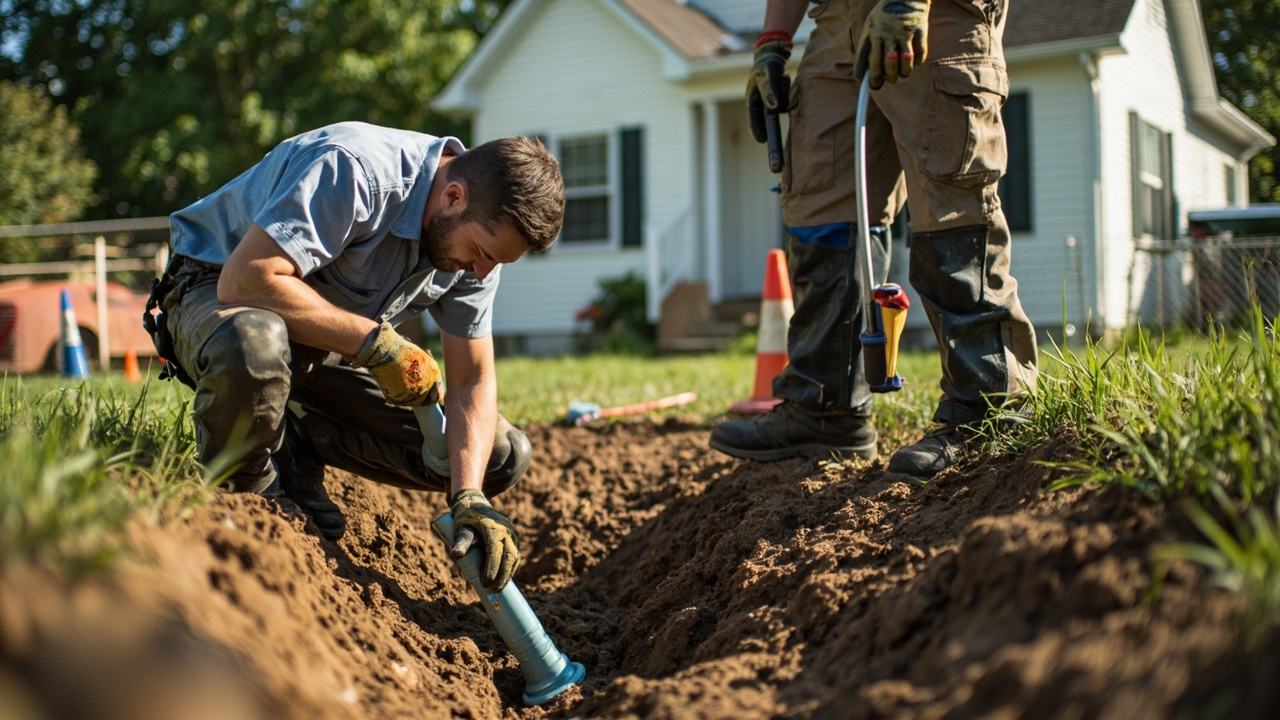
Traditional sewer pipe replacement required excavating your entire front yard, tearing up driveways, and destroying landscaping. The process took weeks and left properties looking like construction zones. Trenchless sewer line repair changed that equation. We can replace your broken sewer pipe through a single access point, preserving your property and cutting repair time by 70 percent.

Baltimore's Department of Public Works requires compliance with specific code standards for sewer lateral replacement. Our team navigates permit requirements and inspection protocols while you focus on getting your home back to normal.

Why Baltimore Sewer Lines Fail Faster Than You Think
How Modern Sewer Line Repair Works in Baltimore Properties

How Modern Sewer Line Repair Works in Baltimore Properties

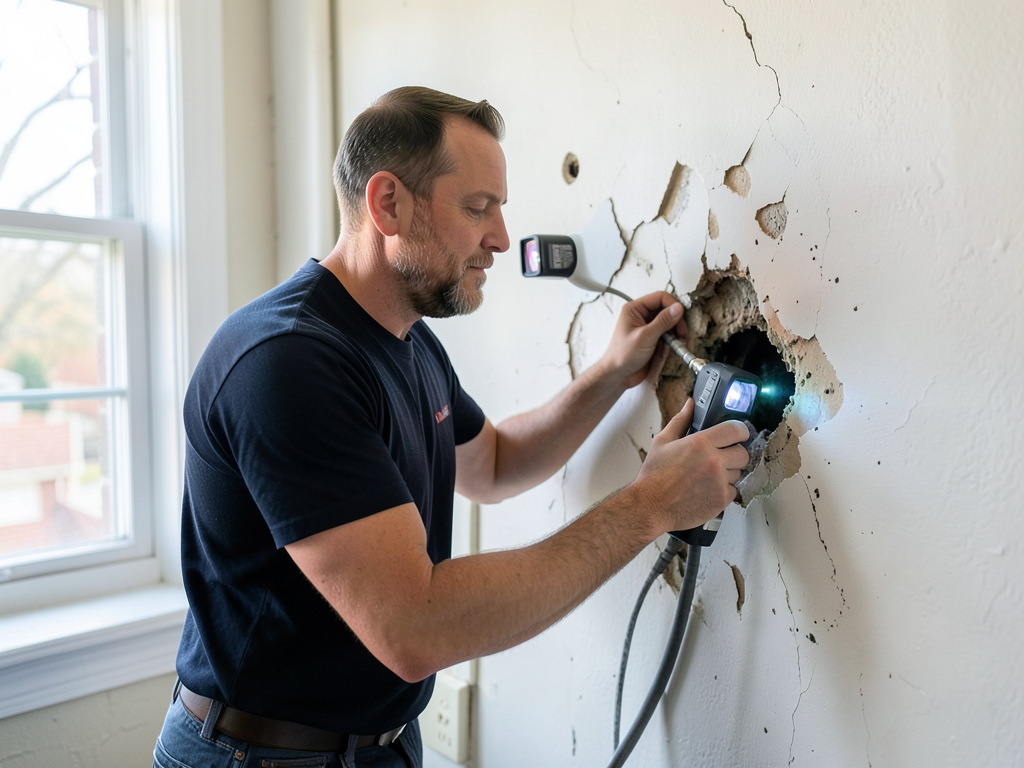
We start every main sewer line repair with video camera inspection. A waterproof camera mounted on flexible cable travels through your cleanout access point and maps the entire line from your foundation to the city connection. The camera reveals crack locations, root intrusion severity, pipe material condition, and bellied sections where improper grading causes chronic backups.

The footage shows us whether you need spot repair or full sewer pipe replacement. Minor cracks and isolated root intrusion respond to pipe lining, where we insert an epoxy-saturated felt tube into the existing pipe, inflate it against the walls, and cure it with heat or UV light. The result is a seamless pipe within your old pipe, rated for 50-plus years of service.

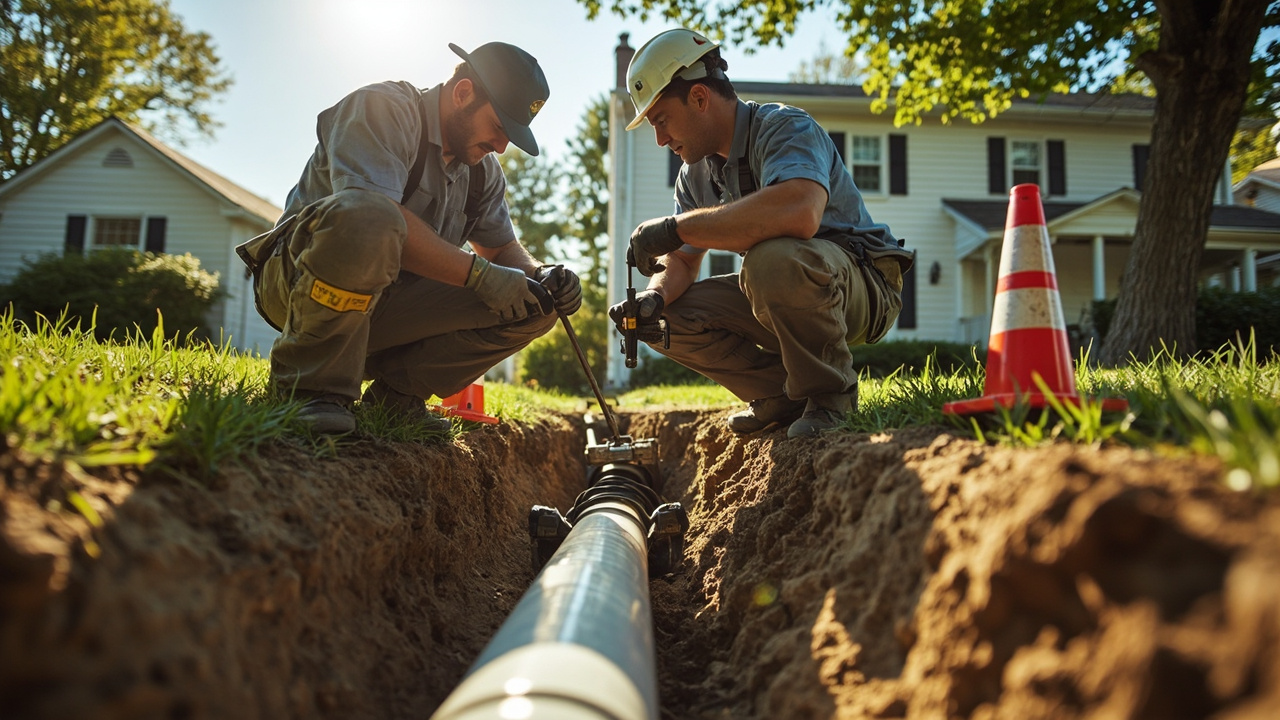
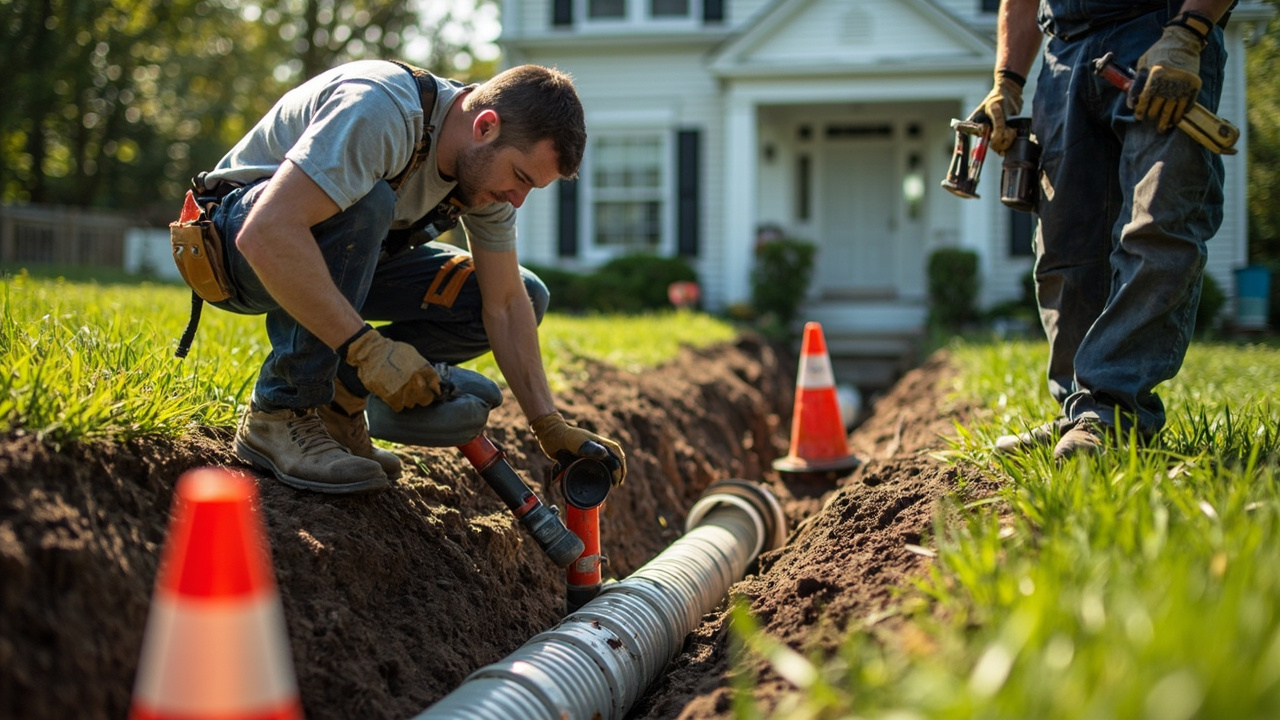
Complete pipe failure demands replacement. Trenchless methods give you two options. Pipe bursting uses a hydraulic head to fracture the old line while simultaneously pulling new HDPE pipe into place. The process requires two access pits but leaves everything between them undisturbed. For properties where we cannot risk ground movement, directional boring creates a new pathway alongside the failed line.

We calculate pipe diameter, slope gradient, and cleanout placement based on Baltimore plumbing code Section P3005. Your new sewer lateral must maintain minimum fall requirements and include accessible cleanout points. We verify proper slope with laser levels before backfilling.

The physical work happens fast. Most residential broken sewer pipe repair projects complete in one to two days. We coordinate with city inspectors, handle backflow preventer installation if required, and restore surface conditions to match existing grade and drainage patterns.

What Happens During Your Sewer Line Replacement

Sewer Line Repair & Replacement in Baltimore | Trenchless Solutions That Save Your Yard and Time
01

Camera Diagnosis and Assessment

We insert a high-resolution camera through your cleanout to record the entire sewer line condition. The footage identifies crack locations, root intrusion points, pipe material, offset joints, and bellied sections. This data determines whether spot repair, full lining, or complete replacement delivers the most durable solution. You receive a recorded copy of the inspection with our technician explaining each problem area.
02

Method Selection and Execution

Based on inspection results, we deploy trenchless pipe bursting, directional boring, or epoxy pipe lining. Pipe bursting fractures the old line while installing new HDPE pipe in a single operation. Directional boring creates a new pathway when existing pipe location is compromised. Epoxy lining rehabilitates structurally sound pipes with isolated damage. Each method preserves your landscaping and completes work in one to two days.
03

Testing and Final Inspection

After installation, we run water tests to verify proper flow and check for leaks at connection points. A final camera pass confirms the new line is clean, properly sloped, and free from defects. We coordinate city inspection, provide you with permit closeout documentation, and restore excavation sites to original grade. Your sewer system is now rated for decades of reliable service under Baltimore soil conditions.

Why Baltimore Property Owners Choose Local Sewer Line Experts

Baltimore's sewer infrastructure presents unique challenges that demand local expertise. The city's combined sewer system, aging clay laterals, and specific permit requirements require technicians who understand both the physical environment and regulatory framework.

We work in Baltimore neighborhoods daily. We know that Fells Point properties sit on fill soil with high water tables. We understand that Bolton Hill homes built before 1940 typically connect to shared laterals requiring special replacement protocols. We recognize that Mount Vernon rowhouses have limited access points, making trenchless methods essential rather than optional.

The city's Department of Public Works enforces strict standards for sewer lateral replacement. Permit applications require site plans, connection detail drawings, and backflow preventer specifications when applicable. Inspectors verify trench depth, bedding material, and proper slope before allowing backfill. Our team handles this process while you maintain normal operations.

Experience with Baltimore's clay soil matters during installation. Improper bedding or inadequate compaction leads to settling that creates bellies in the new line. We use crushed stone bedding and mechanical compaction to prevent future sagging. Our installations account for seasonal soil movement and maintain required grade throughout the year.

You need more than technical skill. You need a team that responds when sewage backs into your basement at midnight. We maintain 24-hour dispatch because sewer emergencies do not wait for business hours. When raw sewage threatens your property, immediate response prevents water damage, mold growth, and health code violations.

Local relationships matter. We coordinate with city inspectors, expedite permits when possible, and maintain relationships with Baltimore County and Baltimore City utility departments. This network streamlines approval processes and prevents delays that extend your disruption.

What to Expect From Your Sewer Line Repair Project

Response Time and Project Duration

Emergency sewage backups receive same-day response. We dispatch technicians within two hours of your call to assess damage and implement temporary mitigation. Camera inspection appointments typically schedule within 24 hours for non-emergency situations. Once we determine the repair method, most residential projects complete in one to two days. Trenchless installations work faster than traditional excavation, which required five to seven days of yard disruption. We coordinate permit inspection timing to prevent delays. Commercial main sewer line repairs may extend to three to four days depending on pipe diameter, depth, and business access requirements.

The Inspection and Diagnosis Process

Initial assessment begins with access point location and camera insertion. We record the entire line from your foundation to the city connection point, noting pipe material, crack severity, root intrusion extent, and slope issues. The camera identifies the exact location of failure points using distance markers. You review the footage with our technician who explains each problem area in clear terms. We provide repair recommendations with cost factors for each method. The inspection reveals whether spot repair solves the problem or if full replacement prevents recurring failures. This diagnostic approach prevents unnecessary excavation and targets the actual damage zones.

Quality Standards and Performance Results

New HDPE pipe installations resist root intrusion, chemical corrosion, and ground movement that destroyed your original line. The material maintains structural integrity through freeze-thaw cycles and soil shifting. Epoxy pipe lining creates a smooth interior surface that improves flow and prevents future root penetration. We verify proper slope using laser levels and confirm connections meet code requirements before backfill. Final camera inspection documents clean installation free from defects. The completed system handles Baltimore's soil conditions and weather patterns without the vulnerabilities that caused your original line to fail. You receive documentation of materials used, installation methods, and inspection results.

Post-Installation Support and Maintenance

After installation, we provide guidance on protecting your new sewer line from future damage. Root barriers prevent tree intrusion in high-risk areas. We recommend inspection intervals based on your property's soil conditions and vegetation proximity. Annual camera checks catch minor issues before they escalate into emergencies. Most trenchless repairs and replacements carry material performance ratings exceeding 50 years when properly maintained. We remain available for questions about drainage performance, cleanout access, and system care. If issues develop, our service records contain complete installation documentation including camera footage, materials used, and connection details. This information streamlines any future diagnostic work and ensures continuity of care.

Frequently Asked Questions

You Have Questions,
We Have Answers

Does homeowners insurance cover main sewer line replacement? +

Most standard homeowners insurance policies do not cover main sewer line replacement. Insurance typically covers sudden, accidental damage like a tree root puncturing the pipe, but excludes wear and tear, deterioration, or maintenance issues. In Baltimore, older homes with clay pipes face age-related failure, which insurers view as preventable upkeep. Some policies offer optional sewer backup endorsements that cover interior damage from backups, but not the line itself. Review your policy carefully. If a covered peril caused the break, file a claim immediately. For denied claims, you are responsible for repair costs.

What is the cheapest way to replace a sewer line? +

The cheapest sewer line replacement method is often trenchless pipe bursting or pipe lining, which avoids extensive excavation and landscape restoration. Traditional dig-and-replace requires tearing up driveways, sidewalks, and yards, adding labor and material costs. In Baltimore, where many homes have narrow lots or mature trees, excavation damage compounds expenses. Trenchless methods insert a new liner or burst the old pipe underground, minimizing surface disruption. However, the cheapest option depends on access, pipe condition, and soil type. Get multiple quotes. Skipping proper permits or hiring unlicensed contractors may save money upfront but costs more long-term.

Can a homeowner replace a sewer line? +

A homeowner can legally replace a sewer line in Baltimore, but it is strongly discouraged. You must obtain permits from the city, ensure compliance with local plumbing codes, and handle inspections. Sewer work involves navigating clay soil, managing groundwater, and connecting to municipal mains without causing backflow or contamination. Mistakes lead to health hazards, failed inspections, or expensive rework. You also need specialized equipment like excavators, pipe cutters, and laser levels. Most importantly, improper installation voids future insurance claims and complicates home sales. Hire a licensed plumber to avoid liability and ensure the job meets Baltimore regulations.

How Baltimore's Clay Soil and Aging Infrastructure Create Sewer Line Emergencies

Baltimore sits on expansive clay soil that shifts dramatically with moisture changes. Spring rains saturate the ground, causing clay to swell and exert pressure on rigid sewer pipes. Summer heat bakes moisture out, shrinking the soil and leaving voids around pipe sections. This cycle repeats year after year, separating pipe joints and creating cracks that tree roots exploit. Combined with infrastructure installed 60 to 100 years ago using clay pipe and cast iron, the conditions guarantee sewer lateral failure. Most Baltimore neighborhoods face this problem simultaneously as pipes reach end-of-life status. Trenchless sewer line repair solves the problem without the massive excavation that traditional methods required.

Baltimore's Department of Public Works maintains specific requirements for sewer lateral replacement that differ from surrounding counties. Permit applications require detailed site plans and connection specifications. Inspectors verify trench depth, bedding material, and slope gradient before allowing backfill. Properties connecting to the city's combined sewer system face additional backflow preventer requirements in certain zones. Working with local technicians who navigate these regulations daily prevents permit delays and failed inspections. We maintain relationships with city inspectors, understand current code interpretations, and coordinate approval processes while you focus on getting your property back to normal operation.
Plumbing Services in The Baltimore Area

Discover our conveniently located service hub, strategically positioned to ensure rapid response times across the region. While our office welcomes inquiries, our skilled technicians are typically out in the field, ready to bring our expertise directly to your doorstep. We are committed to serving the entire area efficiently, making sure expert plumbing assistance is always just a call away, wherever you are.

Address:
Keystone Plumbing Baltimore, 312 N Martin Luther King Jr Blvd, Baltimore, MD, 21201

Additional Services We Offer

Our news updates

Latest Articles & News from The Blogs

Adding a Luxury Wet Bar to Your Rooftop Deck in South Baltimore Imagine sipping a cocktail on your rooftop deck…

Adding a Luxury Wet Bar to Your Rooftop Deck in South Baltimore

Adding a Luxury Wet Bar to Your Rooftop Deck in South Baltimore Imagine sipping a cocktail on your rooftop deck…

Finding and Fixing Hidden Slab Leaks Under Your Beverly Hills Home

Finding and Fixing Hidden Slab Leaks Under Your Beverly Hills Home A hidden slab leak can silently destroy your Beverly…

How to Repair a Leaky Shower Valve in Your Cross Keys Condo

How to Repair a Leaky Shower Valve in Your Cross Keys Condo Living in the Village of Cross Keys means…

Contact Us

Sewage backups damage your property and threaten health. We respond fast with camera diagnostics and trenchless solutions that work. Call (443) 443-9099 now for same-day emergency service or schedule your camera inspection. Baltimore sewer problems do not fix themselves.