Menu

Slab Leak Detection & Repair in Baltimore | Expert Underground Pipe Diagnostics & Precision Repair

Advanced acoustic and thermal imaging technology pinpoints hidden slab leaks fast, protecting your Baltimore home from foundation damage and catastrophic water bills before structural issues escalate.

Slider Image 1
Slider Image 2
Slider Image 3
Slider Image 4
Slider Image 5
Slider Image 7
Slider Image 8
Slider Image 9
Slider Image 10
Slider Image 11

Why Baltimore Homes Face Unique Slab Leak Risks

Baltimore's unique geography creates perfect conditions for under slab plumbing failures. The city sits on a transition zone between the Piedmont Plateau and Coastal Plain, where clay-heavy soils expand and contract with seasonal moisture changes. This constant ground movement stresses copper supply lines and cast iron drain pipes embedded in concrete foundations.

Homes built between the 1950s and 1980s in neighborhoods like Dundalk, Essex, and Hamilton face elevated risk. Builders during this era used thinner-wall copper piping that corrodes faster when exposed to acidic groundwater common to the Chesapeake Bay watershed. When you combine this with Baltimore's freeze-thaw cycles, where winter temperatures drop below 20 degrees, then spike to 50 degrees within days, the expansion and contraction creates pinhole leaks in pressurized water lines beneath your slab.

You might notice unexplained hot spots on your floor, the sound of running water when all fixtures are off, or a water bill that jumped 30 percent without explanation. These are textbook symptoms of concrete slab water leak repair needs. The longer you wait, the more water undermines your foundation, creating voids that lead to cracked walls, uneven floors, and in severe cases, structural failure.

Foundation leak detection and repair is not a wait-and-see situation. A single pinhole leak under pressure releases 250 gallons per day. Over weeks, that volume erodes the compacted base beneath your slab, turning load-bearing soil into slurry. This is why early slab foundation leak services matter in Baltimore's challenging soil conditions.

Why Baltimore Homes Face Unique Slab Leak Risks
How We Locate and Fix Leaks Without Destroying Your Home

How We Locate and Fix Leaks Without Destroying Your Home

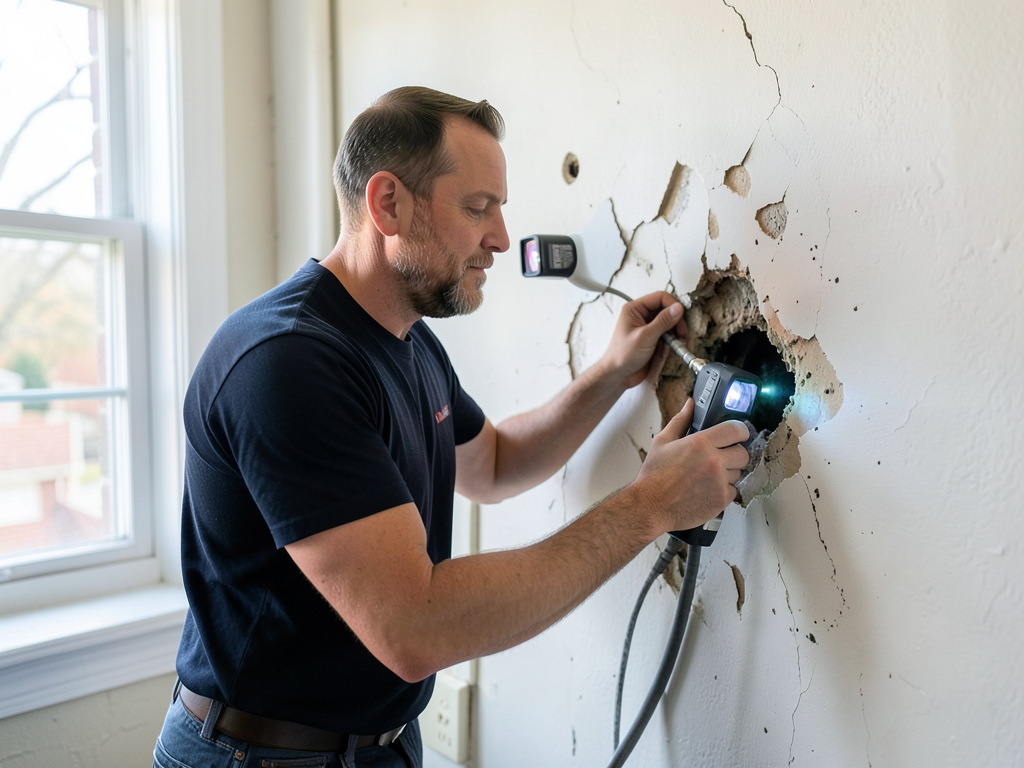
We start every under slab plumbing repair with non-invasive diagnostics. Our electronic acoustic amplification equipment detects the specific frequency signature of pressurized water escaping through copper or PEX piping. We place sensors at multiple points across your foundation, triangulating the leak location to within 12 inches without breaking concrete.

For hot water line failures, we deploy thermal imaging cameras that reveal temperature differentials in your slab. A leak creates a heat bloom visible through infrared scanning. This technology is critical in Baltimore's older homes where original plumbing schematics are lost or inaccurate.

Once we confirm the leak location, we use concrete core drilling to create a surgical access point. This minimizes demolition compared to jackhammering large sections of your basement or first floor. We expose the damaged pipe section, cut out the corroded segment, and install a repair coupling or bypass line depending on the extent of corrosion.

For homes with widespread galvanic corrosion, where multiple failure points exist along the same line, we recommend epoxy pipe lining or full rerouting. Epoxy lining coats the interior of existing pipes with a resin barrier that stops pinhole leaks and prevents future corrosion. Rerouting involves abandoning the under-slab line entirely and installing new piping through walls or crawlspaces.

After repair, we pressure test the system at 150 PSI for 30 minutes to verify integrity. We also use moisture meters to confirm the slab and surrounding soil are drying properly. Only then do we patch the concrete and restore your floor surface. This methodical approach to fixing leaks under foundation systems prevents callbacks and ensures you are not dealing with the same issue six months later.

What Happens During Your Slab Leak Service Call

Slab Leak Detection & Repair in Baltimore | Expert Underground Pipe Diagnostics & Precision Repair
01

Leak Confirmation and Mapping

We verify you have an active slab leak using pressure decay testing and acoustic listening devices. By isolating different zones of your plumbing system and monitoring pressure drops, we confirm which line is compromised. Then we map the exact leak location using ground microphones that amplify the sound of escaping water through concrete and soil. This process takes 60 to 90 minutes and prevents unnecessary demolition.
02

Precision Access and Repair

We use core drilling equipment to cut through your slab at the pinpointed location. This creates a clean, controlled opening that exposes the damaged pipe section. We excavate soil beneath the slab, cut out the corroded pipe segment, and install a repair coupling or splice in new piping. For extensive corrosion, we may recommend epoxy lining or rerouting. The repair phase typically takes three to five hours depending on accessibility and pipe condition.
03

Testing and Restoration

After completing the pipe repair, we conduct a 30-minute pressure test at 150 PSI to verify the fix holds under maximum operating stress. We also use moisture meters to confirm water is not migrating through your slab. Once we verify system integrity, we backfill the excavation, pour new concrete to match your existing slab thickness, and smooth the surface. Full cure time is 48 hours before heavy foot traffic.

Why Baltimore Homeowners Choose Local Slab Leak Specialists

Slab leak work requires intimate knowledge of local building practices and soil conditions. Baltimore's housing stock spans 200 years of construction methods, from formstone-clad rowhouses in Hampden to mid-century ranches in Parkville. Each era used different foundation types, pipe materials, and installation depths.

We understand that homes in Canton and Fells Point built on fill soil near the harbor have different settlement patterns than properties in Roland Park built on stable clay. This matters when diagnosing whether your leak is caused by soil subsidence, pipe corrosion, or both. National chain plumbers apply cookie-cutter solutions that ignore these local variables.

Our technicians also know Baltimore City plumbing code requirements for foundation work. When we perform concrete slab water leak repair that involves rerouting supply lines, we ensure compliance with Chapter 8 of the Baltimore City Building Code, which governs underground plumbing installations. This prevents permit issues if you sell your home or file an insurance claim.

We also work directly with local concrete contractors who understand the specific aggregate mixes and cure times needed for Maryland's climate. When we restore your slab after repair, the patch matches your existing foundation in strength and appearance. Out-of-state companies often subcontract this work to whoever is cheapest, leading to cracked patches and uneven floors.

Most importantly, we respond to Baltimore addresses within two hours for emergency slab leaks. When you have water spraying under pressure through your foundation, creating a new lake in your basement, you cannot wait for a technician driving in from Columbia or Annapolis. We live and work in Baltimore County, which means faster response times when your home is flooding from below.

What to Expect When You Call for Slab Leak Service

Same-Day Emergency Response

We dispatch a diagnostic technician within two hours for active slab leaks causing water damage. Our trucks carry acoustic detection equipment, thermal cameras, and pressure testing tools so we can confirm and locate your leak on the first visit. For non-emergency situations where you suspect a slow leak based on high water bills or floor temperature changes, we schedule diagnostic appointments within 24 hours. We do not make you wait a week while water continues undermining your foundation.

Comprehensive Leak Diagnostics

Our initial assessment includes pressure decay testing across all plumbing zones to isolate which line is leaking. We then use electronic amplification to listen for the acoustic signature of escaping water through your slab. For hot water leaks, we deploy thermal imaging that reveals heat patterns invisible to the naked eye. We also inspect your water meter during a static test to measure flow rate when all fixtures are closed. This multi-method approach eliminates guesswork and prevents tearing up the wrong section of your floor.

Permanent Repair Solutions

We do not use temporary patch clamps that fail within months. Our repairs involve cutting out the damaged pipe section and installing permanent couplings rated for 50-plus years of service. For pipes showing widespread corrosion, we recommend epoxy lining that coats the interior with a resin barrier, or full rerouting that abandons the under-slab line entirely. You receive a detailed explanation of which approach makes sense for your specific situation, including the pros and cons of each method based on your home's age and pipe condition.

Post-Repair Verification

After completing your slab leak repair, we conduct a 30-minute pressure test at 150 PSI to verify the fix holds under stress. We also use moisture meters to track drying progress in your concrete and surrounding soil over the following days. You receive documentation of pressure test results and moisture readings for your records. This data is valuable if you need to file an insurance claim or disclose foundation work during a home sale. We also provide guidance on monitoring your water meter and bill to confirm the leak is resolved.

Frequently Asked Questions

You Have Questions,
We Have Answers

Are slab leaks expensive to repair? +

Repair costs vary based on leak location, access difficulty, and repair method. Simple spot repairs range lower, while extensive rerouting or foundation work costs more. In Baltimore, older homes with aging copper lines under concrete slabs often require more invasive repairs. Factors include slab thickness, soil conditions, and whether you need jackhammering or trenchless rerouting. The cost also depends on damage to flooring, drywall, or cabinetry during access. Early detection saves money. Ignoring a slab leak leads to foundation settling, mold growth, and skyrocketing water bills that eclipse repair costs.

Does homeowners insurance cover slab leak repair? +

Coverage depends on your policy and the cause. Most homeowners insurance covers sudden, accidental slab leaks and resulting water damage to your home. However, insurers often deny claims for gradual leaks caused by poor maintenance or aging pipes. In Baltimore, where freeze-thaw cycles stress older plumbing, proving the leak was sudden matters. Insurance typically covers structural repairs and water extraction but may exclude the cost to access and fix the pipe itself. Review your policy carefully. Document everything with photos, and get a professional leak detection report before filing your claim.

How do plumbers find a slab leak? +

Plumbers use electronic leak detection equipment to pinpoint slab leaks without demolition. Acoustic listening devices detect the sound of water escaping under pressure. Thermal imaging cameras identify temperature changes where water saturates concrete. Tracer gas and helium detection work when water flow is low. In Baltimore homes with basements or crawl spaces, plumbers may also inspect visible pipe sections for corrosion patterns. Pressure testing isolates leaking zones. These non-invasive methods save time and money by avoiding unnecessary jackhammering. A skilled plumber narrows the location to within inches before breaking concrete.

What to expect during slab leak repair? +

Expect a multi-step process. First, the plumber confirms the leak location using detection equipment. Next, they remove flooring and break through the concrete slab to access the pipe. Repairs involve cutting out the damaged section and installing new pipe with couplings or rerouting lines entirely. In Baltimore rowhomes, access can be tight, requiring careful demolition. After fixing the leak, they pressure test the system, pour new concrete, and restore flooring. The job takes one to three days depending on complexity. You may need to relocate temporarily if water or power must be shut off.

What is the cheapest way to fix a slab leak? +

Spot repairs are the most affordable option if the leak is accessible and isolated. The plumber breaks a small section of slab, replaces the damaged pipe segment, and patches the concrete. However, the cheapest fix is not always the smartest. If your home has old galvanized or copper piping prone to corrosion, additional leaks may develop soon. In Baltimore, where many homes were built before 1980, whole-house repiping or rerouting lines above the slab may cost more upfront but prevent repeat failures. Weigh immediate savings against long-term reliability and future repair costs.

What is the lifespan of a slab leak repair? +

A properly executed slab leak repair lasts as long as the new pipe material. PEX and CPVC repiping can last 50-plus years. Copper repairs, if done correctly with quality fittings, last decades. However, if only a small section is patched and surrounding pipes remain old and corroded, new leaks may appear within months or years. In Baltimore homes with original 1960s-era plumbing, a single repair is often a temporary fix. The lifespan depends on pipe material, water chemistry, soil conditions, and installation quality. Whole-system repiping offers the longest-lasting solution.

What not to say to a homeowners insurance adjuster? +

Never speculate about the cause or admit neglect. Do not say the leak has been ongoing for months or that you ignored warning signs. Avoid statements like, "I should have fixed it sooner," or "The pipes are just old." Do not agree to anything or sign documents without reading carefully. Stick to facts. Report what you observed and when you discovered the problem. In Baltimore, where insurers scrutinize older homes, any hint of deferred maintenance can sink your claim. Let your plumber provide the technical assessment. Answer questions truthfully but briefly.

What happens if you have a water leak under your slab? +

Water under your slab erodes soil, causing foundation settling, cracks, and structural instability. You will see warped floors, cracked tiles, damp carpets, and baseboards separating from walls. Mold grows in hidden cavities, creating health risks. Water bills spike as thousands of gallons leak undetected. In Baltimore, where clay soils expand and contract with moisture, slab leaks accelerate foundation shifting. Prolonged leaks compromise load-bearing walls and create voids under concrete. The damage worsens daily. Immediate professional detection and repair prevent catastrophic foundation failure and protect your home's structural integrity and value.

What are three things that are not covered by homeowners insurance? +

Homeowners insurance typically excludes gradual damage, maintenance issues, and certain perils. Wear and tear from aging pipes, slow leaks you ignored, and mold resulting from long-term moisture are not covered. Flood damage from external sources requires separate flood insurance. Damage from pests, like roots infiltrating sewer lines, is also excluded. In Baltimore, where many policies exclude sewer backups unless you add an endorsement, understanding your coverage is critical. Earthquakes and sinkholes require additional riders. Read your policy declarations page. Many homeowners discover exclusions only after filing a claim and facing denial.

How much should a leak detection cost? +

Professional leak detection costs vary based on property size, slab complexity, and equipment required. Expect to pay for the plumber's time, specialized tools like thermal imaging and acoustic sensors, and diagnostic reporting. In Baltimore, where older homes may have multiple plumbing zones or inaccessible areas, detection takes longer. Some plumbers offer free detection if you hire them for the repair. Others charge a flat diagnostic fee. The investment is worth it. Pinpointing the exact leak location prevents unnecessary demolition, reduces repair costs, and speeds up the job. Accurate detection saves you money in the long run.

How Baltimore's Chesapeake Watershed Chemistry Accelerates Pipe Corrosion

Baltimore's municipal water supply is treated to meet federal standards, but the source water originates from reservoirs fed by the Susquehanna River and local tributaries. This water has a slightly acidic pH between 6.8 and 7.2, which accelerates galvanic corrosion in copper piping when combined with dissolved oxygen. Homes built before 1985, when thicker Type L copper became standard, are particularly vulnerable to pinhole leaks as the thinner Type M walls corrode through. This regional water chemistry makes foundation leak detection and repair more common in Baltimore than in cities with alkaline water supplies that form protective scale layers inside pipes.

Baltimore County requires permits for any under-slab plumbing work that involves cutting into a foundation or rerouting supply lines. Our technicians maintain current Baltimore County Master Plumber licenses and pull permits for all concrete slab water leak repair that falls under code jurisdiction. This protects you from permit violations that can complicate home sales or insurance claims. We also understand local inspection requirements, which means your repair passes final inspection without delays or callbacks. Choosing a plumber familiar with Baltimore's specific permitting process saves you time and prevents compliance headaches down the road.
Plumbing Services in The Baltimore Area

Discover our conveniently located service hub, strategically positioned to ensure rapid response times across the region. While our office welcomes inquiries, our skilled technicians are typically out in the field, ready to bring our expertise directly to your doorstep. We are committed to serving the entire area efficiently, making sure expert plumbing assistance is always just a call away, wherever you are.

Address:
Keystone Plumbing Baltimore, 312 N Martin Luther King Jr Blvd, Baltimore, MD, 21201

Additional Services We Offer

Our news updates

Latest Articles & News from The Blogs

Adding a Luxury Wet Bar to Your Rooftop Deck in South Baltimore Imagine sipping a cocktail on your rooftop deck…

Adding a Luxury Wet Bar to Your Rooftop Deck in South Baltimore

Adding a Luxury Wet Bar to Your Rooftop Deck in South Baltimore Imagine sipping a cocktail on your rooftop deck…

Finding and Fixing Hidden Slab Leaks Under Your Beverly Hills Home

Finding and Fixing Hidden Slab Leaks Under Your Beverly Hills Home A hidden slab leak can silently destroy your Beverly…

How to Repair a Leaky Shower Valve in Your Cross Keys Condo

How to Repair a Leaky Shower Valve in Your Cross Keys Condo Living in the Village of Cross Keys means…

Contact Us

Every day you wait allows more water to erode the soil beneath your slab. Call (443) 443-9099 now for same-day slab leak detection. Our technicians carry diagnostic equipment on every truck and can pinpoint your leak location within hours, not days.