Menu

Sediment Buildup in Pipes in Baltimore – Expert Diagnosis and Permanent Solutions

Keystone Plumbing Baltimore identifies sediment buildup in pipes caused by mineral deposits, calcium accumulation, and limescale before you face reduced water pressure, damaged fixtures, or complete line failure.

Slider Image 1
Slider Image 2
Slider Image 3
Slider Image 4
Slider Image 5
Slider Image 7
Slider Image 8
Slider Image 9
Slider Image 10
Slider Image 11

How Baltimore's Hard Water Creates Serious Pipe Sediment Problems

Baltimore's municipal water supply draws from the Susquehanna River and Loch Raven Reservoir, both carrying high concentrations of dissolved calcium, magnesium, and iron. When this hard water flows through your pipes, mineral deposits in water pipes form along interior walls, narrowing the diameter and restricting flow. Over time, calcium buildup in water lines accelerates, especially in homes built before 1980 with galvanized steel piping.

You notice the symptoms before you understand the cause. Your shower pressure drops. Your water heater makes popping sounds. Your faucets deliver inconsistent flow. These signs indicate limescale accumulation in plumbing that has progressed beyond surface deposits into structural restriction. In Baltimore's historic neighborhoods like Canton and Federal Hill, homes with original copper piping face particularly aggressive hard water pipe scaling due to decades of unchecked mineral exposure.

The problem worsens during summer months when higher temperatures accelerate chemical reactions between dissolved minerals and pipe interiors. Pipe calcification problems compound when water sits stagnant in lines during vacations or extended absences. The sediment hardens into a cement-like crust that reduces pipe diameter by 30 to 50 percent in severe cases. This restriction forces your water heater to work harder, increases energy consumption, and creates the perfect environment for pinhole leaks where sediment meets metal. You cannot flush this buildup with store-bought chemicals. The scale bonds molecularly to pipe walls and requires mechanical removal or, in advanced cases, full line replacement.

How Baltimore's Hard Water Creates Serious Pipe Sediment Problems
The Keystone Process for Removing Sediment and Restoring Flow

The Keystone Process for Removing Sediment and Restoring Flow

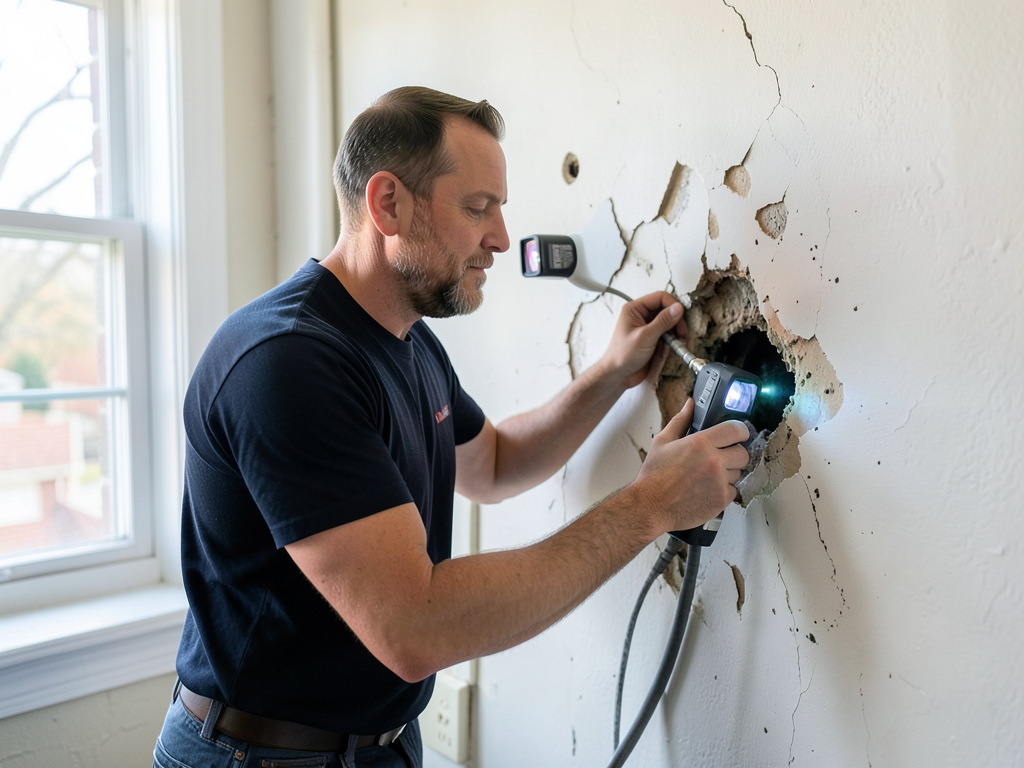
Keystone Plumbing Baltimore starts every sediment case with video inspection. We insert a high-resolution camera into your main line to map the exact location and severity of mineral buildup. This diagnostic step prevents guesswork and gives you visual proof of what exists inside your pipes. You see the white and rust-colored deposits coating your lines. You understand why your pressure dropped. The camera reveals whether you need hydro jetting, pipe descaling, or sectional replacement.

For moderate calcium buildup in water lines, we deploy hydro jetting equipment that propels water at 3,500 to 4,000 PSI through your pipes. This pressurized stream breaks apart limescale accumulation in plumbing without damaging the pipe itself. The technique works best on copper, PEX, and PVC materials. For galvanized steel pipes common in pre-1970 Baltimore rowhomes, we assess pipe wall thickness before jetting to avoid rupturing already-corroded sections. The hydro jetting process flushes decades of mineral deposits out through your main cleanout, restoring pipe diameter to near-original capacity.

When sediment has calcified into hardened scale that resists hydro jetting, we use mechanical descaling tools with rotating cutting heads. These tools physically scrape pipe calcification problems from interior walls while a vacuum system captures debris. This method works for severe blockages in water heater supply lines, fixture branches, and main distribution pipes. After clearing the sediment, we test flow rates at each fixture to confirm restoration. You get measurable proof that your system operates at full capacity again. We document before and after pressure readings so you understand the improvement.

How We Clear Your Lines in Three Focused Steps

Sediment Buildup in Pipes in Baltimore – Expert Diagnosis and Permanent Solutions
01

Visual Pipe Inspection

We insert a waterproof camera into your main cleanout or remove a fixture to access branch lines. The camera records the interior condition of your pipes, showing you exactly where sediment has accumulated, how severe the restriction is, and whether the pipe wall remains structurally sound. This footage determines whether hydro jetting, mechanical descaling, or replacement is the correct fix for your specific situation.
02

Mechanical Sediment Removal

Based on what the camera revealed, we select the appropriate tool. Hydro jetting breaks apart and flushes loose to moderate sediment. Mechanical descaling removes hardened scale that has bonded to pipe walls. For galvanized pipes with advanced corrosion, we recommend sectional replacement instead of attempting to clear lines that might rupture under pressure. You get the method that matches your pipe material and sediment severity.
03

Flow Testing and Prevention

After clearing your lines, we test water pressure at multiple fixtures to confirm full restoration. We measure flow rates in gallons per minute and compare them to baseline standards for your pipe diameter. If you want to prevent future buildup, we discuss water softener installation or whole-house filtration systems that remove minerals before they enter your plumbing. You leave with documentation of the work completed and options to protect your investment.

Why Baltimore Homeowners Choose Keystone for Sediment Issues

Keystone Plumbing Baltimore understands the specific challenges of this city's water chemistry and aging housing stock. We have cleared sediment from rowhomes in Hampden, townhouses in Locust Point, and single-family homes in Roland Park. Baltimore's building patterns mean many properties share similar plumbing materials and face identical mineral deposit problems. We know which pipe materials were standard in which decades and how each responds to descaling methods.

Your home's plumbing system connects to Baltimore's municipal water supply, which consistently tests at 120 to 180 milligrams per liter of total hardness. This level qualifies as hard to very hard water, creating ideal conditions for calcium and magnesium precipitation inside pipes. When you call a plumber unfamiliar with Baltimore's water profile, they might recommend solutions that work in soft water areas but fail here. Keystone tailors every recommendation to the mineral content you actually face, not generic national standards.

We also navigate Baltimore's plumbing code requirements when sediment damage necessitates pipe replacement. The city mandates specific materials for different applications, and we ensure every replacement section meets current code even when matching older systems. This matters during home sales and inspections. You get documentation showing code-compliant work that protects your property value.

Our technicians carry the diagnostic equipment needed to distinguish sediment buildup from other flow problems. Low pressure can result from sediment, failing pressure regulators, partially closed main valves, or undersized distribution lines. We diagnose the actual cause instead of assuming. This precision prevents unnecessary work and focuses your investment on the real problem. You pay for the fix your system needs, nothing more.

What Happens When You Schedule Sediment Removal

Same-Day Response for Urgent Issues

When sediment restricts flow to the point where fixtures barely trickle or your water heater fails, you need immediate help. Keystone Plumbing Baltimore dispatches technicians the same day you call for emergency sediment problems. We stock hydro jetting equipment and camera systems on every service vehicle, allowing us to diagnose and clear many sediment issues in a single visit. For standard appointments, we schedule within 24 to 48 hours and arrive during your confirmed time window. You receive a call 30 minutes before arrival so you can plan accordingly. Our trucks carry the tools needed to handle the most common sediment scenarios without requiring return trips for specialized equipment.

Comprehensive Camera Diagnostics

Every sediment investigation starts with video inspection. We access your main line through the cleanout or remove a fixture to reach branch lines. The camera transmits real-time footage to a monitor where you watch alongside our technician. We point out sediment deposits, show you restricted sections, and identify any corrosion or damage that affects your options. The inspection typically takes 20 to 40 minutes depending on how much of your system we need to examine. You receive a digital copy of the footage and a written assessment explaining what we found. This documentation proves valuable when deciding between clearing existing pipes or replacing damaged sections.

Restored Pressure and Confirmed Flow

After clearing sediment, you immediately notice improved water pressure at every fixture. We test flow rates at your kitchen sink, bathrooms, and outdoor faucets to confirm full restoration. You should see strong, consistent flow that matches what your pipe diameter should deliver. For reference, a half-inch line should provide 3 to 5 gallons per minute, while a three-quarter-inch line delivers 8 to 12 gallons per minute. We document these measurements in your service report. If flow remains weak after clearing sediment, we investigate other causes like failing pressure regulators or restrictions at the meter. You get complete resolution, not partial improvement.

Prevention Planning and Water Treatment

Clearing sediment solves your immediate problem but does not prevent future accumulation. Baltimore's hard water will continue depositing minerals in your pipes unless you treat the water at point-of-entry. Keystone Plumbing Baltimore installs whole-house water softeners that exchange calcium and magnesium ions for sodium, preventing mineral deposits before they form. We also offer reverse osmosis systems for drinking water and sediment filters that capture particulates. Each option addresses different aspects of water quality. We explain the benefits and limitations of each system so you can decide what level of protection makes sense for your home and budget. Many clients choose softeners to protect plumbing and water heaters long-term.

Frequently Asked Questions

You Have Questions,
We Have Answers

What causes sediment in water pipes? +

Sediment in your pipes comes from several sources. Baltimore's aging water infrastructure can shed iron rust and scale as pipes corrode. Minerals like calcium and magnesium in hard water precipitate out and coat pipe walls. Sand and silt enter through breaks in municipal lines or failing well screens. Galvanized pipes common in older Baltimore rowhomes deteriorate from the inside out, releasing zinc particles and rust. Water heaters also generate sediment as minerals settle at the bottom. If you see discolored water or reduced pressure, sediment has likely accumulated in your plumbing system.

How much to flush pipes in a house? +

Professional pipe flushing in Baltimore typically costs between modest and moderate amounts depending on your home size and pipe accessibility. A basic whole-house flush takes 1-2 hours and addresses sediment throughout your system. Older homes in neighborhoods like Canton or Fells Point with galvanized pipes may need more extensive flushing. The process involves opening drain valves, running faucets strategically, and sometimes removing aerators. Cost factors include pipe diameter, number of fixtures, and sediment severity. Avoid DIY flushing if you have lead service lines, which are common in pre-1950s Baltimore homes.

How to get rid of debris in pipes? +

Removing debris from pipes requires a multi-step approach. Start by shutting off your water main and opening the lowest faucet in your home to drain the system. Remove faucet aerators and showerheads to clear trapped debris. Run cold water at full pressure through each fixture for several minutes, working from top floors down. For stubborn blockages, a plumber can use hydro-jetting to blast debris free with high-pressure water. In Baltimore homes with older galvanized pipes, debris often signals pipe deterioration. A camera inspection reveals whether cleaning solves the problem or replacement is needed.

How to remove silt from pipes? +

Silt removal requires flushing your plumbing system methodically. Close your water heater intake valve, then open the drain valve at the heater's base to flush sediment. Open all cold water faucets starting upstairs and let them run for 10-15 minutes. Remove and clean faucet aerators where silt collects. For whole-house issues common in Baltimore properties near the harbor or Jones Falls, a plumber can perform hydro-jetting to scour pipes clean. If silt persists, check for compromised pipe joints or failing pressure-reducing valves that allow sediment infiltration.

Why Baltimore's Chesapeake Bay Watershed Water Creates Aggressive Pipe Scaling

Baltimore's water supply originates from three reservoirs that collect runoff from the Chesapeake Bay watershed, an area with limestone-rich geology. Water flowing through limestone dissolves high concentrations of calcium carbonate, creating the hard water that feeds into city pipes. This mineral content measures between 7 and 10 grains per gallon, significantly above the 3.5 grains threshold that defines hard water. When this water enters your home, the dissolved minerals precipitate out of solution whenever water temperature increases or flow slows, depositing scale on pipe interiors. Homes near the Inner Harbor and Fells Point, built on fill soil with minimal natural filtration, often experience more aggressive scaling than properties on higher ground where natural aquifer filtering reduces mineral concentration before municipal treatment.

Keystone Plumbing Baltimore has cleared sediment from homes throughout the city's diverse neighborhoods, from Victorian rowhomes in Bolton Hill to mid-century ranches in Catonsville. This experience means we recognize which pipe materials were standard during different construction eras and how Baltimore's specific water chemistry affects each type. When you work with a local company that has documented hundreds of sediment cases in this exact water supply system, you benefit from pattern recognition that out-of-area contractors lack. We know how quickly scale accumulates in different pipe materials, which descaling methods work best for Baltimore's mineral profile, and when replacement makes more sense than repeated cleaning. This city-specific expertise protects you from generic solutions that ignore local conditions.
Plumbing Services in The Baltimore Area

Discover our conveniently located service hub, strategically positioned to ensure rapid response times across the region. While our office welcomes inquiries, our skilled technicians are typically out in the field, ready to bring our expertise directly to your doorstep. We are committed to serving the entire area efficiently, making sure expert plumbing assistance is always just a call away, wherever you are.

Address:
Keystone Plumbing Baltimore, 312 N Martin Luther King Jr Blvd, Baltimore, MD, 21201

Additional Services We Offer

Our news updates

Latest Articles & News from The Blogs

Adding a Luxury Wet Bar to Your Rooftop Deck in South Baltimore Imagine sipping a cocktail on your rooftop deck…

Adding a Luxury Wet Bar to Your Rooftop Deck in South Baltimore

Adding a Luxury Wet Bar to Your Rooftop Deck in South Baltimore Imagine sipping a cocktail on your rooftop deck…

Finding and Fixing Hidden Slab Leaks Under Your Beverly Hills Home

Finding and Fixing Hidden Slab Leaks Under Your Beverly Hills Home A hidden slab leak can silently destroy your Beverly…

How to Repair a Leaky Shower Valve in Your Cross Keys Condo

How to Repair a Leaky Shower Valve in Your Cross Keys Condo Living in the Village of Cross Keys means…

Contact Us

Call Keystone Plumbing Baltimore at (443) 443-9099 to schedule camera inspection and sediment removal. We diagnose the exact cause of your low pressure and restore full flow the right way.