Menu

Smelly Drains & Sewer Odors in Baltimore – Expert Diagnosis and Permanent Solutions

Baltimore homes battling foul sewer gas odors and rotten egg smells need proper diagnosis, not quick fixes. We identify the root cause and eliminate unpleasant drain odors at the source.

Slider Image 1
Slider Image 2
Slider Image 3
Slider Image 4
Slider Image 5
Slider Image 7
Slider Image 8
Slider Image 9
Slider Image 10
Slider Image 11

Why Baltimore Homes Struggle with Persistent Drain and Sewer Odors

You walk into your bathroom and the smell hits you. That unmistakable sewage smell in house that makes you wince. You pour bleach down the drain. The smell disappears for a day, maybe two. Then it returns.

This cycle frustrates Baltimore homeowners because the underlying problem never gets addressed.

Baltimore's aging infrastructure plays a significant role. Many homes in neighborhoods like Federal Hill, Canton, and Fells Point were built before modern plumbing codes. Cast iron drain lines corrode from the inside out. Clay sewer laterals crack under ground shifting. These deteriorating pipes create perfect conditions for sewer gas to escape into your living space.

The city's humid climate makes it worse. Moisture accelerates bacterial growth inside drain lines. Biofilm builds up in P-traps and branch lines, creating stinky bathroom drains that produce hydrogen sulfide gas. That rotten egg smell from plumbing means bacteria are decomposing organic matter trapped in your system.

Dry P-traps present another common issue. Baltimore's older homes often have guest bathrooms or basement floor drains that go unused for weeks. The water seal evaporates, allowing foul sewer gas odors to enter directly from the sewer system. This problem intensifies during heating season when dry indoor air accelerates evaporation.

Improper venting causes pressure imbalances that siphon water from traps. Many Baltimore rowhomes share common walls and modified plumbing that does not meet current code. The result is chronic odor problems that homeowners cannot fix with store-bought solutions.

These issues require professional diagnosis. The smell you notice is not just unpleasant. It signals a failure in your plumbing system that needs correction.

Why Baltimore Homes Struggle with Persistent Drain and Sewer Odors
How We Diagnose and Eliminate Sewer Gas Problems Permanently

How We Diagnose and Eliminate Sewer Gas Problems Permanently

Pouring drain cleaner down a smelly drain treats the symptom, not the disease. We approach unpleasant drain odors as diagnostic problems that require investigation.

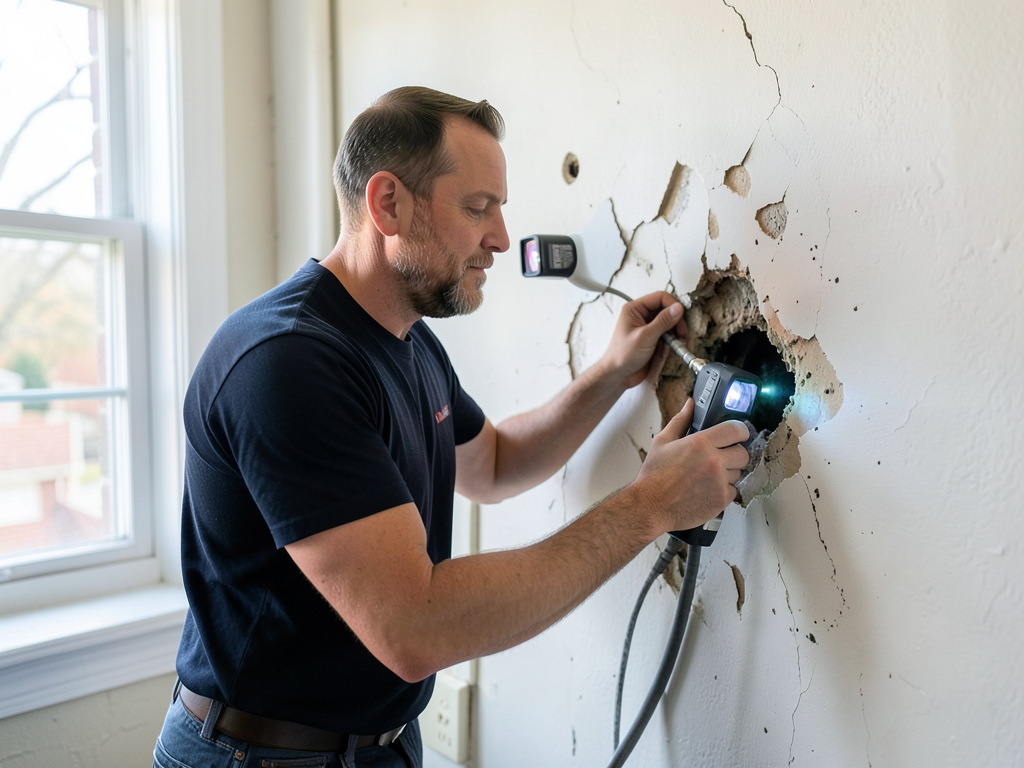
Our technicians start with smoke testing. We introduce non-toxic smoke into your drain system under slight pressure. The smoke reveals exactly where sewer gas escapes. Cracked vent stacks, failed wax rings, corroded pipe joints, missing clean-out caps. The smoke shows us what visual inspection cannot.

We use video camera inspection for branch lines and main drains. A high-resolution camera travels through your pipes, transmitting real-time footage. We identify biofilm buildup, bellied sections where waste collects, root intrusion, and pipe deterioration. This eliminates guesswork.

For complex odor problems, we perform pressure testing on the drain waste vent system. This reveals whether your venting functions correctly. Inadequate venting creates negative pressure that pulls water from traps or allows positive pressure to force sewer gas through weak points.

We inspect P-trap configurations. Many Baltimore homes have traps that installed incorrectly or modified by previous owners. S-traps, which building codes banned decades ago, still exist in older homes. These traps self-siphon, leaving no water barrier against sewer gas.

Floor drain primers offer a solution for rarely-used drains. These devices automatically refill trap water, maintaining the seal without manual intervention.

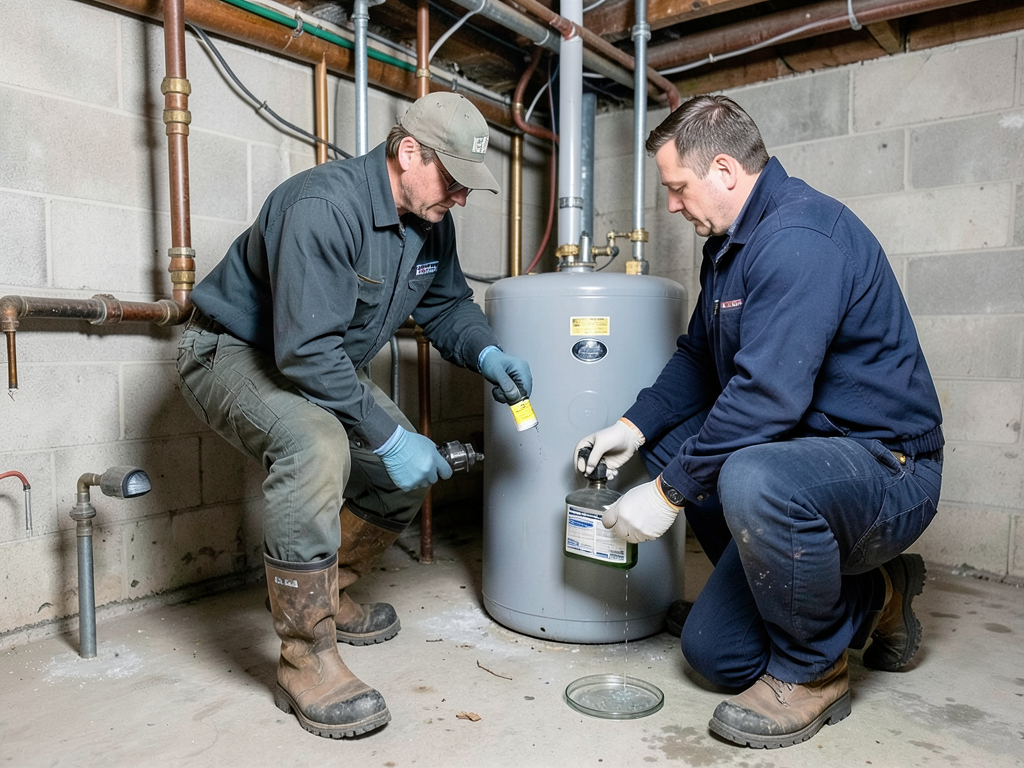
For biofilm problems, we use enzymatic treatments that break down organic matter without damaging pipes. Chemical drain cleaners destroy cast iron and galvanized pipes over time. Enzymes work with your system, not against it.

When pipe deterioration causes odor infiltration, we provide options. Targeted repairs for isolated problems. Complete repiping for systemic failure. Every recommendation comes with clear reasoning based on what we found during inspection.

What Happens During Your Drain Odor Investigation

Smelly Drains & Sewer Odors in Baltimore – Expert Diagnosis and Permanent Solutions
01

Initial Odor Assessment

We walk through your home identifying where odors appear strongest and when they occur. You describe the smell, frequency, and any patterns you noticed. We check all fixtures, floor drains, cleanouts, and exterior vents. This conversation and inspection create a diagnostic roadmap that guides our testing protocol.
02

Diagnostic Testing

We deploy smoke testing, camera inspection, or pressure testing based on initial findings. The smoke machine reveals hidden leaks. The camera shows interior pipe conditions. Pressure tests confirm vent function. We document everything with photos and video. You see exactly what we see, which eliminates confusion about what needs repair.
03

Solution and Resolution

We present findings with clear explanations and repair options. Simple fixes like trap replacement or primer installation happen immediately. Complex issues like vent stack repair or pipe replacement receive detailed proposals. After repairs, we verify odor elimination and explain prevention measures. You get documentation of all work for your records.

Why Baltimore Homeowners Trust Keystone Plumbing Baltimore for Odor Problems

Sewer gas problems require someone who understands Baltimore's specific plumbing challenges. Our technicians work in these homes every day. We know the cast iron waste stacks in Mount Vernon townhomes. We recognize the venting limitations in Hampden rowhomes. We understand how Charles Village's mature tree canopy creates root intrusion problems.

This local knowledge matters because cookie-cutter solutions fail. A home in Roland Park has different plumbing than a Canton waterfront property. Soil conditions vary across the city. Building codes changed multiple times over Baltimore's history. What worked for new construction in 1985 does not apply to a home built in 1925.

We carry diagnostic equipment that most plumbers skip. Our smoke machines pinpoint leaks other companies guess at. Our inspection cameras navigate tight bends in old cast iron. Our pressure testing equipment quantifies vent performance with numbers, not hunches.

Baltimore homeowners choose us because we explain what we find. We show you the camera footage. We walk you through the smoke test results. We draw diagrams of your drain waste vent system so you understand how it should work versus how it currently functions.

We also respect your home. Accessing drain lines often means entering crawl spaces, basements, or removing toilet fixtures. We protect your floors, clean up thoroughly, and treat your property like our own.

Our pricing remains transparent. You receive detailed estimates that break down labor, materials, and disposal fees. No hidden charges appear later. The quote you approve is the bill you pay.

When we repair your system, we focus on longevity. Quick fixes might stop the smell temporarily, but they fail within months. We use materials rated for your specific application and install everything to current code standards, even when upgrading old work.

What You Can Expect from Our Drain Odor Service

Same-Day Diagnosis Available

Sewer gas odors make your home unlivable. We prioritize diagnostic appointments and offer same-day availability for urgent situations. Our technicians arrive within your scheduled window with all necessary testing equipment. Most investigations complete in two to three hours, depending on your home's size and plumbing complexity. You receive findings and recommendations before we leave, allowing you to make informed decisions about repairs without waiting days for a callback.

Thorough System Investigation

We inspect your entire drain waste vent system, not just the smelly fixture. This comprehensive approach finds problems you did not know existed. Our camera inspection reveals pipe conditions throughout your home. Smoke testing checks every connection point. We test all P-traps for proper water seal depth. We verify vent terminations meet code and function correctly. You receive a complete picture of your plumbing health, which helps you prioritize repairs based on urgency and budget.

Verified Odor Elimination

We do not consider the job complete until odors disappear completely. After repairs, we run water through all fixtures and monitor for smell recurrence. We verify trap seals hold properly. We confirm vent function under normal use conditions. For complex repairs involving multiple components, we schedule follow-up checks to ensure long-term success. Your satisfaction matters more than rushing to the next job. We solve the problem correctly the first time.

Prevention Guidance and Maintenance

We provide specific maintenance recommendations based on your system's condition and your home's usage patterns. You learn which drains need regular flushing, how often to run water through unused fixtures, and what warning signs indicate developing problems. We offer enzymatic maintenance treatments that prevent biofilm buildup without harsh chemicals. For homes with chronic issues, we create custom maintenance schedules that keep your system functioning properly between service visits.

Frequently Asked Questions

You Have Questions,
We Have Answers

How to get rid of sewer smell coming from drains? +

Start by running water in all drains for two minutes to refill dry P-traps. These U-shaped pipes hold water to block sewer gas. If the smell persists, pour a baking soda and vinegar mix down the drain, followed by hot water. Check your vent stack on the roof for blockages from leaves or debris. In Baltimore's older neighborhoods like Fells Point, corroded cast iron pipes often cause persistent odors. If basic fixes fail, you likely have a cracked drain line or venting issue that needs professional diagnosis.

How to find where sewer smell is coming from? +

Start at each fixture. Run water and smell near the drain opening. Check under sinks for loose connections or cracked P-traps. Go to your basement and sniff near cleanout caps and the main stack. In Baltimore rowhomes, shared walls can make odor sources tricky. Smell near floor drains and laundry standpipes. If the odor is strongest in one area, the problem is nearby. If it is widespread, check your roof vent or main sewer line. A smoke test by a plumber pinpoints exact leak locations.

Can I fix a sewage smell myself? +

You can fix dry P-traps and minor clogs yourself. Pour water down unused drains monthly. Clean pop-up stoppers and hair catchers. Try baking soda, vinegar, and hot water for organic buildup. However, cracked pipes, failed wax rings, broken vent stacks, and main line issues require a licensed plumber. Baltimore's aging infrastructure means many homes have corroded cast iron or Orangeburg pipe that needs replacement. Attempting DIY repairs on compromised pipe can cause flooding or dangerous sewer gas exposure.

Why does my drain smell bad but no blockage? +

You have a dry P-trap, a biofilm buildup, or a venting problem. P-traps dry out in guest bathrooms or basement drains you rarely use. Biofilm is a slimy bacterial layer inside pipes that smells like rotten eggs or sewage. It grows even without a clog. Venting issues prevent proper air flow, causing suction that pulls smells back into your home. Baltimore's humidity accelerates biofilm growth. If water flows fine but the smell remains, the issue is bacterial or structural, not a blockage.

What can I pour down the drain to stop the smell? +

Pour a half cup of baking soda, then a cup of white vinegar. Let it fizz for 15 minutes, then flush with boiling water. This breaks down biofilm and grease. For maintenance, use an enzyme-based drain cleaner monthly. Avoid bleach or chemical drain cleaners. They corrode older pipes common in Baltimore homes and create toxic fumes when mixed with other chemicals. For persistent odors, a plumber can apply professional-grade bacteriological treatments or hydro-jet the line to remove biofilm completely.

What are signs of a serious plumbing problem? +

Multiple slow drains, sewage backups, water stains on ceilings or walls, foundation cracks, soggy yard patches, and unexplained high water bills signal serious issues. Listen for gurgling from toilets or drains when you run water. Smell for persistent sewer gas. In Baltimore, clay soil movement and freeze-thaw cycles crack sewer laterals. Older homes with cast iron stacks corrode from the inside out. If you see any of these signs, call a plumber immediately. Delaying inspection leads to flooding, mold, and expensive emergency repairs.

What's the average cost to fix a sewer smell? +

Costs vary widely based on the cause. Refilling a dry P-trap or cleaning a drain costs nothing to 150 dollars. Replacing a wax ring or P-trap runs 150 to 400 dollars. Repairing a cracked vent stack or cleanout costs 300 to 800 dollars. Main sewer line repairs or replacements range from 3,000 to 15,000 dollars depending on depth, access, and pipe material. Baltimore's dense rowhome blocks and narrow alleys increase labor costs. Get a camera inspection first to pinpoint the exact problem before committing to repairs.

What are the signs of a broken sewer line? +

Watch for sewage backups in basement drains or toilets, especially after heavy rain. You will see soggy patches in your yard, often with greener grass above the break. Indoors, drains gurgle, flush slowly, or smell like sewage. Foundation cracks or settling can appear. Baltimore's older clay and cast iron sewer laterals crack from tree roots, soil shifting, and freeze-thaw cycles. If multiple fixtures back up simultaneously, the break is likely in the main line. A camera inspection confirms the location and severity.

What does a failing septic system smell like? +

A failing septic system smells like rotten eggs or raw sewage, strongest near the drain field or tank. You will notice soggy ground, pooling water, or bright green grass over the drain field. Toilets flush slowly or gurgle. Sewage may back up into the house. Baltimore County properties with septic systems face challenges from clay soil and high water tables. If you smell septic odor indoors or outdoors, the tank is likely full, the drain field is saturated, or the baffles have failed. Get it pumped and inspected immediately.

Should I call a plumber for a sewage smell? +

Yes. Persistent sewage smells indicate a problem beyond surface cleaning. Sewer gas contains methane and hydrogen sulfide, both toxic and explosive in high concentrations. The smell also signals a failed barrier between your home and raw sewage. A licensed plumber can camera-inspect your lines, test venting systems, and identify cracked pipes or failed seals. In Baltimore's older housing stock, small issues escalate quickly due to corroded infrastructure. Calling a plumber early prevents flooding, health hazards, and costly emergency repairs down the line.

How Baltimore's Aging Infrastructure Creates Hidden Sewer Gas Risks

Baltimore's Department of Public Works maintains over 1,400 miles of sewer lines, many installed before 1950. These aging municipal sewers connect to equally old private lateral lines serving individual homes. When main sewer lines crack or separate at joints, sewer gas migrates through soil and enters homes through foundation cracks or compromised building drains. The city's ongoing sewer rehabilitation projects temporarily increase ground disturbance, which can stress existing lateral connections. Homeowners in areas scheduled for municipal upgrades should inspect their private laterals before problems escalate into emergency repairs.

Baltimore's building codes evolved significantly since the early 1900s. Homes built before 1960 often lack proper vent sizing or have vents that terminate incorrectly. The city's dense rowhome construction complicates proper venting because exterior walls may not exist where code requires vent termination. Licensed plumbers familiar with Baltimore's unique housing stock understand how to navigate these constraints legally and effectively. Choosing a provider who works regularly with the city's Building Inspection Department ensures your repairs meet current code requirements, protecting your home's value and your family's safety.
Plumbing Services in The Baltimore Area

Discover our conveniently located service hub, strategically positioned to ensure rapid response times across the region. While our office welcomes inquiries, our skilled technicians are typically out in the field, ready to bring our expertise directly to your doorstep. We are committed to serving the entire area efficiently, making sure expert plumbing assistance is always just a call away, wherever you are.

Address:
Keystone Plumbing Baltimore, 312 N Martin Luther King Jr Blvd, Baltimore, MD, 21201

Additional Services We Offer

Our news updates

Latest Articles & News from The Blogs

Adding a Luxury Wet Bar to Your Rooftop Deck in South Baltimore Imagine sipping a cocktail on your rooftop deck…

Adding a Luxury Wet Bar to Your Rooftop Deck in South Baltimore

Adding a Luxury Wet Bar to Your Rooftop Deck in South Baltimore Imagine sipping a cocktail on your rooftop deck…

Finding and Fixing Hidden Slab Leaks Under Your Beverly Hills Home

Finding and Fixing Hidden Slab Leaks Under Your Beverly Hills Home A hidden slab leak can silently destroy your Beverly…

How to Repair a Leaky Shower Valve in Your Cross Keys Condo

How to Repair a Leaky Shower Valve in Your Cross Keys Condo Living in the Village of Cross Keys means…

Contact Us

Stop living with sewage smells. Call Keystone Plumbing Baltimore at (443) 443-9099 for professional diagnosis and permanent solutions. We identify the real problem and fix it correctly the first time.