
Understanding Shared Plumbing Responsibilities for Condo Owners in Harbor East
Living in a condo in Baltimore’s Harbor East means enjoying modern amenities and stunning views but also navigating a complex web of plumbing responsibilities. When a pipe bursts or a drain backs up, the first question is always: who pays for this? The answer depends on Maryland law, your condo association’s governing documents, and the physical layout of your building’s plumbing system. Understanding these distinctions can save you thousands of dollars and prevent disputes with neighbors and your HOA. Maryland Condominium Act.
In Harbor East, where luxury high-rises and converted historic buildings sit side by side, the responsibility line often falls between what’s inside your unit’s walls and what serves the entire building. Maryland’s Condominium Act establishes baseline rules, but your specific condo’s master deed and bylaws create the final map of responsibility. This guide breaks down exactly what you own, what the association maintains, and what to do when water starts where it shouldn’t. Fast Water Heater Replacement for Homeowners in Towson and Lutherville.
The Maryland Condominium Act & Your Plumbing
The Maryland Condominium Act, found in the Maryland Real Property Code Section 11B-104, defines a condominium unit as the space between the interior surfaces of the perimeter walls, floors, and ceilings. Everything inside those boundaries typically belongs to the unit owner, while the structural components and systems serving multiple units belong to the association.
This means your interior plumbing fixtures, the pipes running directly to them, and any shut-off valves immediately before they enter your unit are your responsibility. The association handles the main water supply lines entering the building, the vertical stacks that carry waste between floors, and the shared venting systems. This division exists because a failure in a main stack affects everyone below, while a leak under your kitchen sink only impacts your unit. Fixing Low Water Pressure in Your Locust Point Rowhome.
In Harbor East’s older converted warehouses and historic buildings, this responsibility line can get murky. Many of these structures have original plumbing that runs through multiple units before reaching common areas. When upgrading systems, associations often clarify these boundaries in updated governing documents, but until then, gray areas remain.. Read more about How to Soundproof Your Plumbing During a Rowhome Renovation in Fells Point.
Unit Owner vs. HOA: The Line of Responsibility
The most common source of confusion involves branch lines versus main stacks. A branch line is the horizontal pipe that runs from your sink, toilet, or shower to connect with the vertical stack. These typically belong to the unit owner. The main stack is the large vertical pipe that runs through the building, carrying waste from all floors to the sewer. This belongs to the HOA. Trenchless Sewer Line Repair for Historic Homes in Roland Park.
Here’s a practical breakdown of typical responsibilities in Harbor East condos:
- Unit Owner Responsibilities
Interior fixtures (toilets, sinks, faucets, water heaters), supply lines within unit walls, branch drain lines, individual shut-off valves, and any plumbing modifications you’ve made. If water flows exclusively within your unit before leaving, it’s likely yours. Professional Drain Cleaning Services to Clear Stubborn Clogs in Federal Hill.
- Association Responsibilities
Main water supply lines, main waste stacks, building-wide venting systems, common area bathrooms and utility rooms, and any plumbing in shared mechanical spaces. If the pipe serves multiple units or runs through common areas, it belongs to the association.
Water heaters present a special case. In most Harbor East condos, the water heater inside your unit is your responsibility, including the tank, connections, and any damage it causes. However, if your building has a central hot water system serving all units, that infrastructure belongs to the association.
Slab leaks in ground-floor units add another layer of complexity. In buildings with post-tension slabs, the plumbing often runs through the concrete before reaching your unit. If a leak occurs in that section, determining responsibility requires examining construction documents and possibly hiring a plumbing engineer to trace the pipe’s path.
Common Scenarios: Slab Leaks, Backups, and Water Heaters
When water appears where it shouldn’t, timing and location determine responsibility. Here are typical scenarios Harbor East residents face:
Scenario 1: Water backing up from your drain. If sewage backs up through your toilet or sink, the clog is likely in your branch line or trap. You’re responsible for clearing it. If multiple units experience backups simultaneously, the problem is probably in the main stack or building sewer line, making it the association’s responsibility.
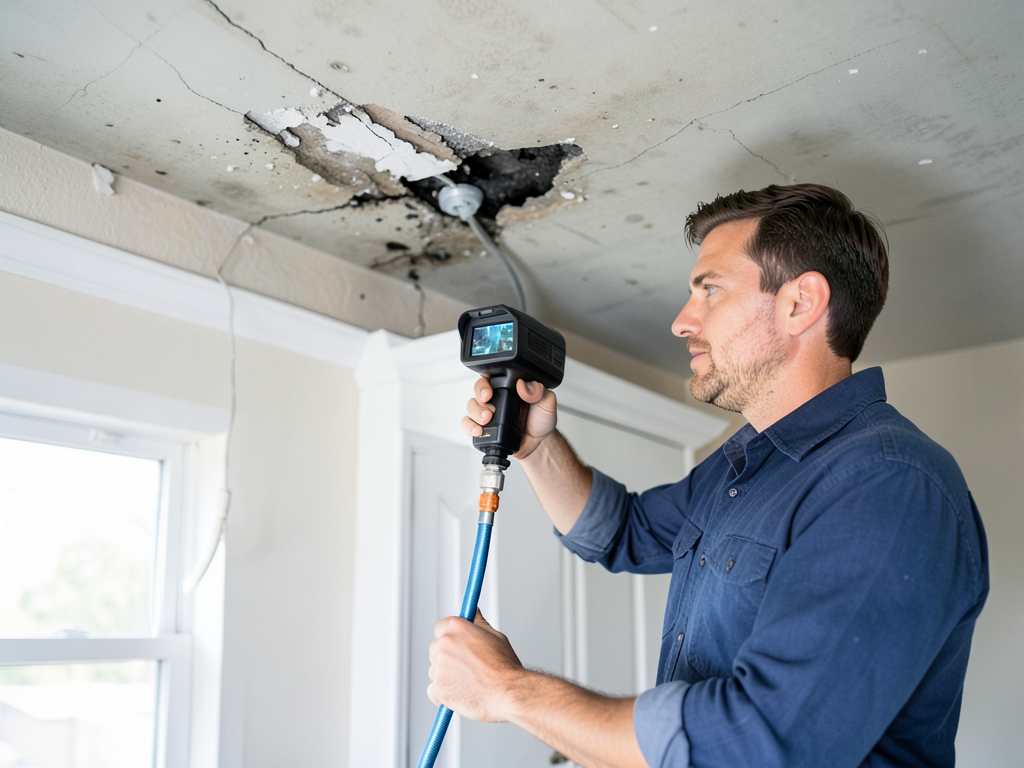
Scenario 2: Water leaking from ceiling below. A leak from the unit above suggests a problem with their plumbing. They’re responsible for repairs and any damage to your ceiling and belongings. Document everything with photos and notify your association immediately.
Scenario 3: Sudden loss of water pressure. If your entire unit loses pressure while neighbors maintain normal flow, the issue is likely within your plumbing system. If multiple units lose pressure, the problem is probably the building’s main supply line or pressure regulator, which the association maintains.
Scenario 4: Water heater failure. A leaking water heater inside your unit causes damage to your flooring and cabinets. You’re responsible for the repair and water damage restoration. However, if the failure causes damage to the unit below, your HO-6 insurance policy typically covers that liability.
Baltimore City Plumbing Codes & Master Policies
Baltimore City plumbing codes, found in Title 15 of the Baltimore City Code, require all plumbing work to be performed by licensed master plumbers and inspected by the Department of Permits and Building Inspections. These codes affect condo plumbing responsibilities by establishing minimum standards for materials, installation methods, and safety features. Baltimore City Plumbing Code.
For condo owners, the most relevant code sections involve cross-connection control, requiring backflow prevention devices where potable water connects to non-potable systems. These devices prevent contaminated water from flowing backward into the building’s drinking water supply. In Harbor East’s mixed-use buildings, where residential units sit above restaurants or commercial spaces, these devices are critical and often maintained by the association.
Your HO-6 insurance policy, also called walls-in coverage, works alongside the association’s master policy. The master policy typically covers the building’s structure and common elements, while your HO-6 policy covers your personal property, interior fixtures, and liability for damage you cause to others. When a plumbing failure occurs, both policies may come into play.
For example, if a supply line in your unit bursts while you’re away, your HO-6 policy covers damage to your unit’s interior and your belongings. The association’s master policy covers damage to common elements like walls, ceilings, and flooring in shared areas. If the water damages the unit below, your HO-6 liability coverage handles that claim, subject to your deductible. Who to Call for an Emergency Pipe Burst in Canton Right Now.
Baltimore City requires all condos to maintain specific insurance coverage, including property damage, liability, and workers’ compensation for the association. Your condo documents specify the association’s deductible amount, which can range from $2,500 to $25,000 depending on the building’s size and construction type.
Steps to Take When You Discover a Leak in Your Baltimore Condo
Quick action prevents minor leaks from becoming major disasters. Follow these steps when you discover water where it shouldn’t be:
- Stop the Water Flow
Locate your unit’s main shut-off valve, typically where the water line enters your unit. Turn it clockwise until the water stops. If you can’t find it or the leak is severe, contact your building’s maintenance staff or a plumber immediately.
- Document the Damage
Take clear photos and videos of all affected areas before cleanup begins. Document the source if visible, the extent of water spread, and any damaged belongings. This documentation proves invaluable for insurance claims.
- Notify Property Management
Report the issue to your condo association or property management company immediately. Most associations require written notice within 24 hours of discovering damage. Keep copies of all communications.
- Call a Condo-Specialist Plumber
Don’t wait for the association to act. A plumber familiar with condo plumbing can quickly diagnose whether the problem is unit-specific or building-wide. This expertise prevents unnecessary delays and ensures proper repairs.
- File Insurance Claims
Contact your insurance agent to report the incident. Provide them with your documentation and the plumber’s assessment. If the damage affects common elements, the association will also file a claim with their master policy.
In Harbor East’s high-rise buildings, water can travel significant distances before becoming visible. A small leak on the 10th floor might appear as a stain on the 5th floor ceiling hours later. This delay makes immediate reporting essential, as the actual source might be far from the visible damage.
During winter months, frozen pipes pose an additional risk. Baltimore’s freeze-thaw cycles can cause pipes to burst, especially in units with plumbing in exterior walls or unheated spaces. If you plan to be away during cold weather, maintain your thermostat at 55 degrees or higher and consider having a neighbor check your unit periodically.
The age of your building also affects plumbing reliability. Harbor East’s historic conversions often contain original plumbing that’s nearing the end of its service life. Galvanized steel pipes, common in buildings constructed before 1960, corrode from the inside out and can fail without warning. If your building is over 40 years old, consider requesting a plumbing assessment from your association to identify potential problem areas before they cause damage.
Understanding your responsibilities also means knowing your rights. Maryland law requires associations to maintain the common elements in good working order. If you believe the association is neglecting necessary plumbing maintenance, you can request documentation of recent inspections and repairs. Most disputes arise from miscommunication rather than actual negligence, so clear documentation and professional assessments often resolve issues quickly.
For Harbor East residents, the combination of luxury living and historic infrastructure creates unique plumbing challenges. The area’s proximity to the harbor means some buildings face higher humidity levels, accelerating corrosion in metal pipes. The mix of old and new construction means responsibility lines can vary significantly between buildings, even on the same block.
When in doubt about responsibility, always err on the side of caution. Shut off water, document everything, and notify the appropriate parties immediately. The cost of quick action is always less than the cost of extensive water damage repair. And remember, in Baltimore’s competitive condo market, maintaining your unit’s plumbing isn’t just about preventing damage—it’s about protecting your investment in one of the city’s most desirable neighborhoods.
Call (443) 443-9099 today to schedule your inspection. Our condo-specialist plumbers understand Harbor East’s unique plumbing challenges and can help you navigate responsibility questions before they become expensive problems.
Frequently Asked Questions
Who is responsible for plumbing repairs in a Baltimore condo?
Responsibility depends on the pipe’s location and function. You own interior fixtures, branch lines, and shut-off valves. The association owns main stacks, supply lines, and common area plumbing. Maryland law and your condo documents determine the exact boundaries.
What should I do if water is leaking from my ceiling?
Document the damage with photos, notify your association immediately, and contact a plumber familiar with condo systems. The leak likely comes from the unit above, making them responsible for repairs and damage to your property.
Does my condo insurance cover plumbing damage?
Your HO-6 policy covers damage to your unit’s interior, personal belongings, and liability for damage you cause to others. The association’s master policy covers common elements. Both policies may apply depending on the damage location and cause.
How can I tell if a plumbing problem is my responsibility?
If the issue affects only your unit and involves fixtures or pipes you directly control, it’s likely yours. If multiple units are affected or the problem involves main building systems, it belongs to the association. When uncertain, consult your condo documents or a professional plumber.
Are water heaters covered by the association?
In most Harbor East condos, individual water heaters inside your unit are your responsibility. However, if your building has a central hot water system serving all units, that infrastructure belongs to the association. Check your condo documents for specific details about your building’s system.
{
“@context”: “https://schema.org”,
“@type”: “BlogPosting”,
“headline”: “Understanding Shared Plumbing Responsibilities for Condo Owners in Harbor East”,
“description”: “Confused about who pays for plumbing repairs in your Baltimore condo? Learn the Maryland law, insurance rules, and responsibility lines for Harbor East residents.”,
“wordCount”: 2013,
“datePublished”: “2026-05-31T12:58:00.000Z”,
“dateModified”: “2026-05-31T12:58:00.000Z”,
“inLanguage”: “en-US”,
“mainEntityOfPage”: {
“@type”: “WebPage”,
“@id”: “https://keystoneplumbingbaltimore.com”
},
“publisher”: {
“@type”: “LocalBusiness”,
“name”: “Keystone Plumbing Baltimore”,
“url”: “https://keystoneplumbingbaltimore.com”
},
“author”: {
“@type”: “Organization”,
“name”: “Keystone Plumbing Baltimore”,
“url”: “https://keystoneplumbingbaltimore.com”
},
“image”: {
“@type”: “ImageObject”,
“url”: “https://keystoneplumbingbaltimore.com/wp-content/uploads/2026/03/understanding-shared-plumbing-responsibilities-for-1.png”
}
}
{
“@context”: “https://schema.org”,
“@type”: “Plumber”,
“name”: “Keystone Plumbing Baltimore”,
“url”: “https://keystoneplumbingbaltimore.com”,
“address”: {
“@type”: “PostalAddress”,
“addressLocality”: “Baltimore”
},
“areaServed”: {
“@type”: “City”,
“name”: “Baltimore”
}
}
{
“@context”: “https://schema.org”,
“@type”: “FAQPage”,
“mainEntity”: [
{
“@type”: “Question”,
“name”: “Who is responsible for plumbing repairs in a Baltimore condo?”,
“acceptedAnswer”: {
“@type”: “Answer”,
“text”: “Responsibility depends on the pipe’s location and function. You own interior fixtures, branch lines, and shut-off valves. The association owns main stacks, supply lines, and common area plumbing. Maryland law and your condo documents determine the exact boundaries.”
}
},
{
“@type”: “Question”,
“name”: “What should I do if water is leaking from my ceiling?”,
“acceptedAnswer”: {
“@type”: “Answer”,
“text”: “Document the damage with photos, notify your association immediately, and contact a plumber familiar with condo systems. The leak likely comes from the unit above, making them responsible for repairs and damage to your property.”
}
},
{
“@type”: “Question”,
“name”: “Does my condo insurance cover plumbing damage?”,
“acceptedAnswer”: {
“@type”: “Answer”,
“text”: “Your HO-6 policy covers damage to your unit’s interior, personal belongings, and liability for damage you cause to others. The association’s master policy covers common elements. Both policies may apply depending on the damage location and cause.”
}
},
{
“@type”: “Question”,
“name”: “How can I tell if a plumbing problem is my responsibility?”,
“acceptedAnswer”: {
“@type”: “Answer”,
“text”: “If the issue affects only your unit and involves fixtures or pipes you directly control, it’s likely yours. If multiple units are affected or the problem involves main building systems, it belongs to the association. When uncertain, consult your condo documents or a professional plumber.”
}
},
{
“@type”: “Question”,
“name”: “Are water heaters covered by the association?”,
“acceptedAnswer”: {
“@type”: “Answer”,
“text”: “In most Harbor East condos, individual water heaters inside your unit are your responsibility. However, if your building has a central hot water system serving all units, that infrastructure belongs to the association. Check your condo documents for specific details about your building’s system.”
}
}
]
}
{
“@context”: “https://schema.org”,
“@type”: “HowTo”,
“name”: “Responsibility Breakdown”,
“step”: [
{
“@type”: “HowToStep”,
“position”: 1,
“name”: “Unit Owner Responsibilities”,
“text”: “Interior fixtures (toilets, sinks, faucets, water heaters), supply lines within unit walls, branch drain lines, individual shut-off valves, and any plumbing modifications you’ve made. If water flows exclusively within your unit before leaving, it’s likely yours. Professional Drain Cleaning Services to Clear Stubborn Clogs in Federal Hill.”
},
{
“@type”: “HowToStep”,
“position”: 2,
“name”: “Association Responsibilities”,
“text”: “Main water supply lines, main waste stacks, building-wide venting systems, common area bathrooms and utility rooms, and any plumbing in shared mechanical spaces. If the pipe serves multiple units or runs through common areas, it belongs to the association.”
}
],
“image”: “https://keystoneplumbingbaltimore.com/wp-content/uploads/2026/03/understanding-shared-plumbing-responsibilities-for-1.png”
}
{
“@context”: “https://schema.org”,
“@type”: “BreadcrumbList”,
“itemListElement”: [
{
“@type”: “ListItem”,
“position”: 1,
“name”: “Home”,
“item”: “https://keystoneplumbingbaltimore.com”
},
{
“@type”: “ListItem”,
“position”: 2,
“name”: “Blog”,
“item”: “https://keystoneplumbingbaltimore.com/blog”
},
{
“@type”: “ListItem”,
“position”: 3,
“name”: “Understanding Shared Plumbing Responsibilities for Condo Owners in Harbor East”
}
]
}
{
“@context”: “https://schema.org”,
“@type”: “Service”,
“serviceType”: “Plumbing”,
“provider”: {
“@type”: “LocalBusiness”,
“name”: “Keystone Plumbing Baltimore”,
“url”: “https://keystoneplumbingbaltimore.com”
},
“areaServed”: {
“@type”: “City”,
“name”: “Baltimore”
},
“description”: “Confused about who pays for plumbing repairs in your Baltimore condo? Learn the Maryland law, insurance rules, and responsibility lines for Harbor East residents.”
}