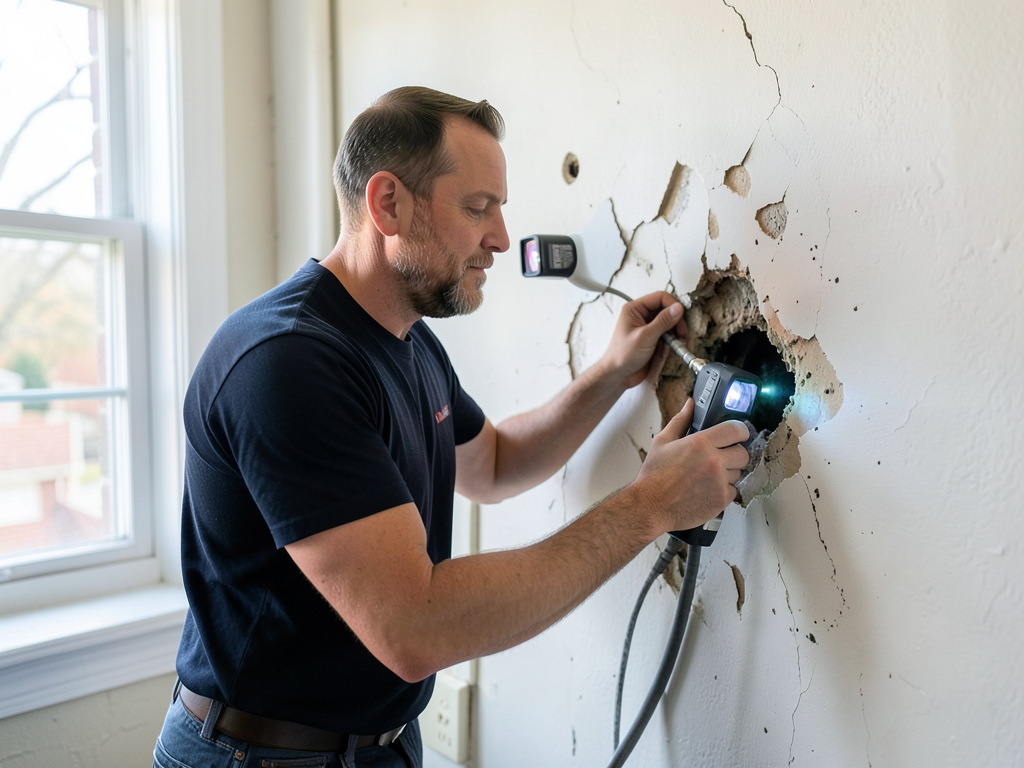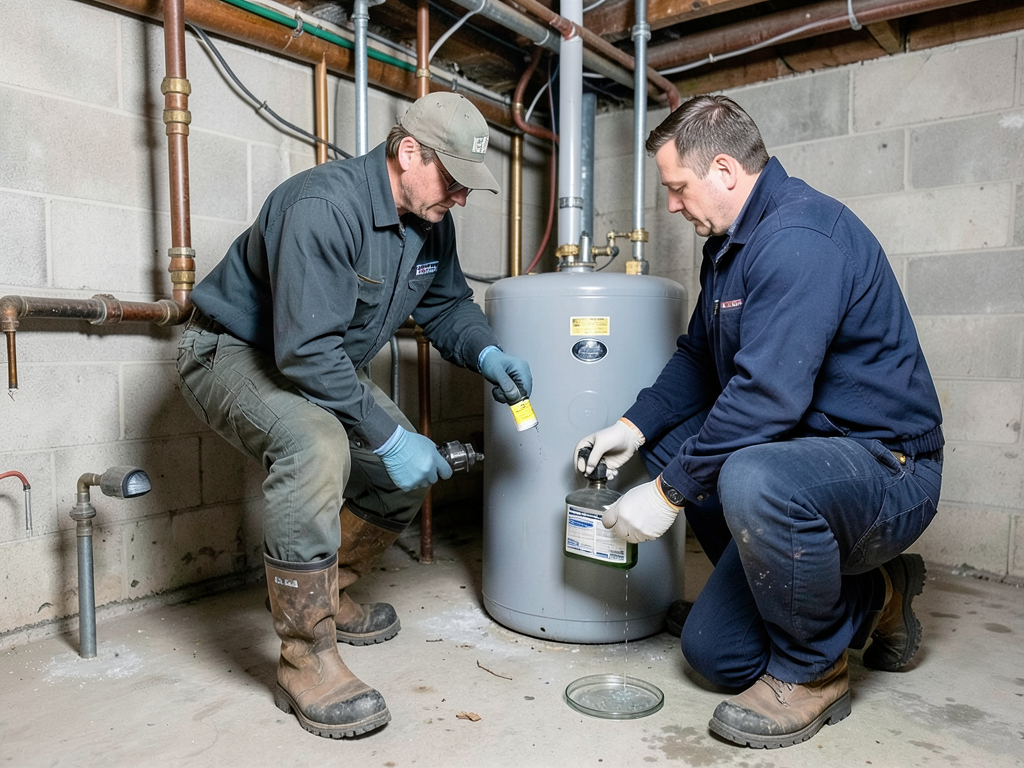


Baltimore's housing boom occurred between 1890 and 1950, which means thousands of homes have original gas lines installed before modern corrosion protection standards existed. Cast iron and bare steel pipe buried in Baltimore's acidic clay soil develops pinhole leaks within decades. The city's high water table, particularly in low-lying areas near the Inner Harbor and Jones Falls watershed, accelerates underground corrosion. Seasonal freeze-thaw cycles cause soil expansion that stresses rigid pipe joints. These environmental factors make gas pipe leak detection more than preventive maintenance. It is a necessary response to inevitable infrastructure aging that affects row homes and single-family properties throughout the city.
Baltimore's dense housing patterns create shared risk. A gas leak in one row home can migrate through shared walls and basements to adjacent properties. This interconnected vulnerability requires gas leak plumbers who understand urban construction methods and can assess risk beyond your property line. Keystone Plumbing Baltimore has served Baltimore communities for years, working with BGE on emergency shutoffs and coordinating with city inspectors on code compliance. We understand local permit requirements and when repairs trigger inspection obligations. This familiarity with Baltimore's regulatory environment and housing characteristics means faster, more effective emergency response when you need to fix gas leak problems immediately.