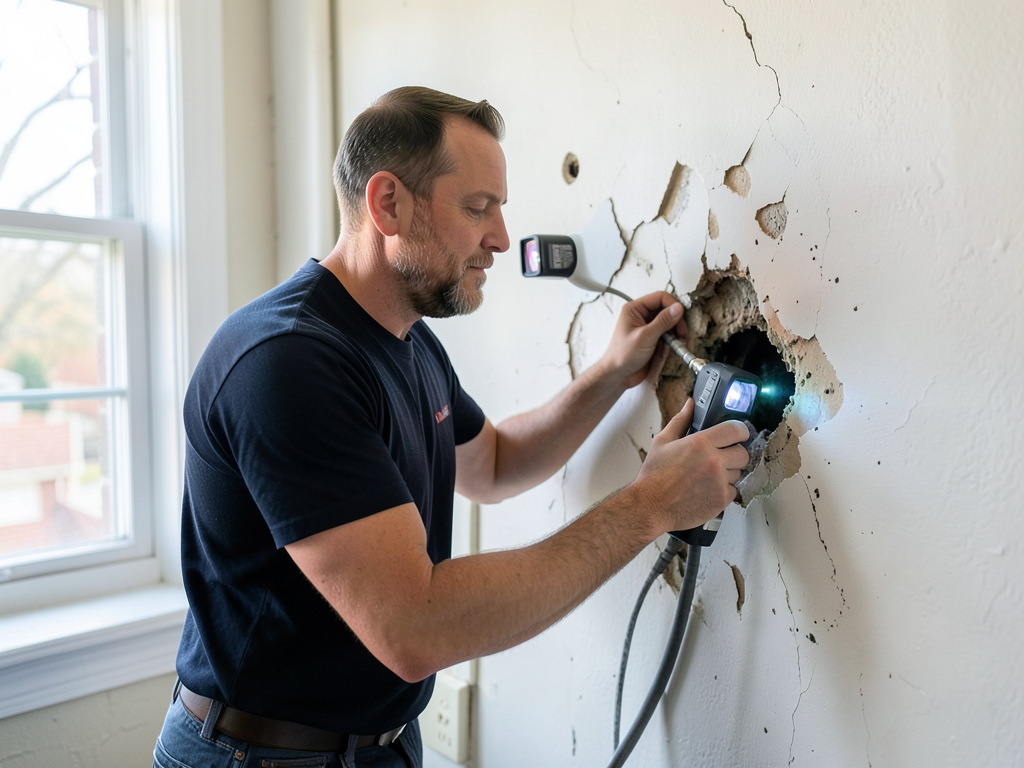
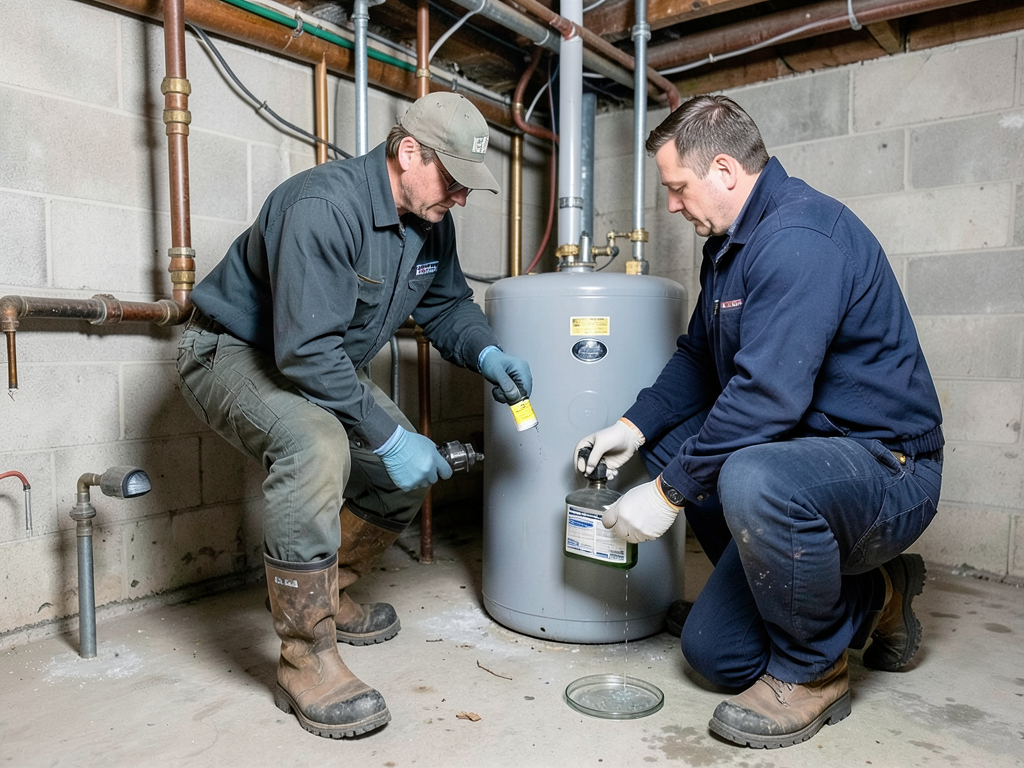
Baltimore's signature row home architecture creates unique challenges for gas piping installation. Shared walls mean we cannot route pipes externally without coordinating with neighbors. Interior runs must navigate narrow joist bays, often requiring creative angles to avoid conflict with electrical and plumbing. Many row homes have gas meters in rear basements, requiring 40-50 feet of pipe run to reach front kitchens. The brick construction common in neighborhoods like Patterson Park and Highlandtown requires diamond-core drilling that preserves structural integrity. These factors make Baltimore gas line work more complex than typical suburban installations.
Working in Baltimore means understanding the city's inspection protocols and historical preservation requirements. Homes in historic districts like Bolton Hill require approval before exterior modifications, including gas line routing changes. The city's permit office expects detailed riser diagrams and load calculations that many contractors skip. We maintain active permits and know the inspectors personally, which prevents the delays that plague inexperienced providers. Our trucks carry the specific materials that Baltimore's older homes require, from oversized floor plates for wide joist spacing to flexible CSST that navigates tight turns without multiple fittings.