Menu

Water Stains on Ceiling or Walls in Baltimore – Expert Leak Detection and Permanent Repairs

Keystone Plumbing Baltimore identifies hidden pipe leaks, slab leaks, and fixture failures causing water stains on ceiling or walls, then completes the repair before mold takes root in your home.

Slider Image 1
Slider Image 2
Slider Image 3
Slider Image 4
Slider Image 5
Slider Image 7
Slider Image 8
Slider Image 9
Slider Image 10
Slider Image 11

Why Baltimore Homes Develop Ceiling Discoloration and Wall Moisture Stains

You spot a brown spot on the ceiling above your bedroom. A few days later, you see yellow water marks spreading across the hallway wall. Damp patches on walls near your bathroom darken after every shower. These moisture stains on drywall signal active water intrusion, and in Baltimore, the problem compounds fast.

Baltimore's freeze-thaw cycles stress aging pipe joints. When temperatures drop into the teens during January and February, copper pinhole leaks form in uninsulated wall cavities. During humid summers, condensation drips from poorly insulated HVAC lines hidden above finished ceilings. The result is ceiling discoloration from leak sources you cannot see.

Rowhouses and older construction in neighborhoods like Hampden, Canton, and Federal Hill share plumbing stacks between units. A slow toilet seal leak on the second floor creates brown spots on the ceiling of the first-floor unit below. Clay soil shifting beneath rowhome foundations cracks cast iron drain lines, allowing wastewater to seep into crawl spaces and wick up through drywall.

Water stains never appear where the leak originates. Gravity pulls water along joists, behind baseboards, and through insulation before surfacing as visible discoloration. Ignoring these stains invites mold growth, wood rot, and electrical hazards. The longer water runs, the more damage you pay to repair. Identifying the true source requires diagnostic tools and experience with Baltimore's building stock.

If you see yellow water marks, damp patches, or brown spots, you have an active leak. The clock is running.

Why Baltimore Homes Develop Ceiling Discoloration and Wall Moisture Stains
How We Find and Fix the Leak Behind Your Water Stains

How We Find and Fix the Leak Behind Your Water Stains

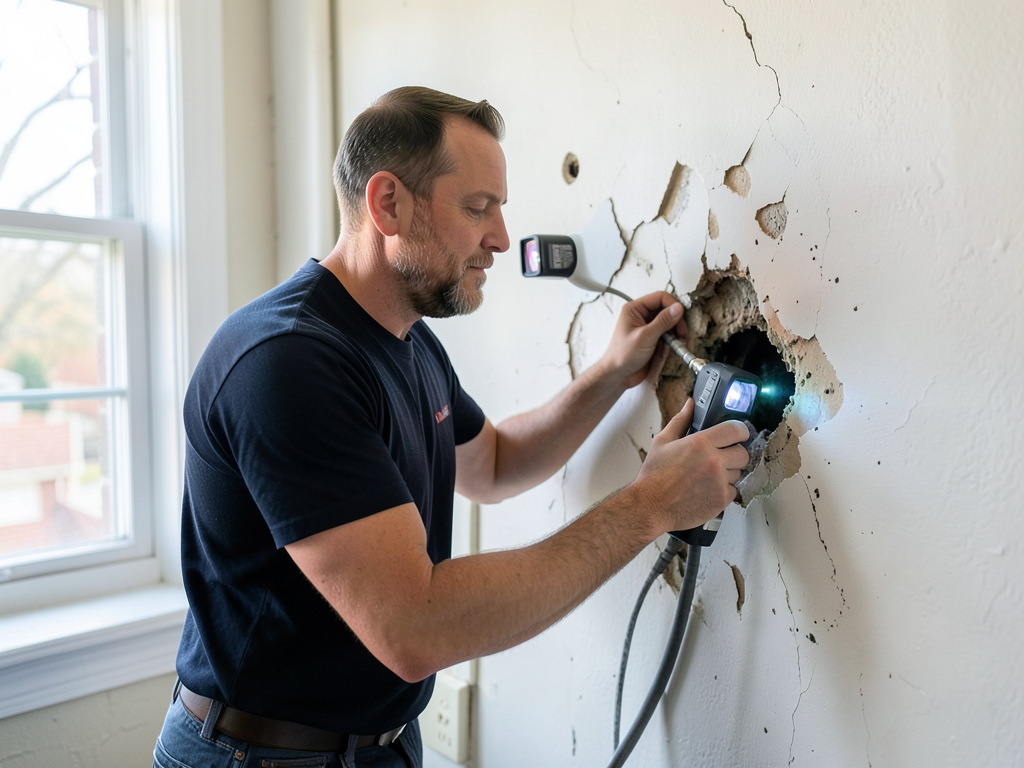
Water follows the path of least resistance. A pinhole leak in a second-floor supply line can travel 15 feet along a joist before dripping onto drywall, creating a brown spot on the ceiling far from the actual failure point. We do not cut open walls randomly. We use thermal imaging cameras to detect temperature variations behind finished surfaces, revealing moisture pathways invisible to the eye.

Moisture meters measure saturation levels in drywall, plaster, and framing lumber. Readings above 17 percent indicate active water intrusion. We probe along baseboards, ceiling perimeters, and around plumbing fixtures to map the wet zone, then trace backward to the source. Pressure testing isolates supply line leaks by closing valves and monitoring gauge drops. Drain line leaks require camera inspection to identify cracks, separations, or root intrusion in hidden sections of cast iron or PVC.

Once we locate the failure point, we access it with the smallest opening necessary. A pinhole leak in a compression fitting gets a new ferrule and nut. A corroded galvanized nipple behind a shower valve gets replaced with brass or PEI. Slab leaks under concrete floors require re-routing the affected line through the attic or crawl space to avoid jackhammering your foundation.

After the repair, we verify the fix with another pressure test and document dry moisture readings. We do not close walls until we confirm zero active leaks. Drywall patching, texture matching, and paint are handled by qualified trades, not plumbers guessing at finish work. You get a watertight repair and a surface restored to pre-damage condition.

The fix is only complete when the water stops and the evidence disappears.

What Happens When You Call About Ceiling or Wall Water Stains

Water Stains on Ceiling or Walls in Baltimore – Expert Leak Detection and Permanent Repairs
01

Diagnostic Inspection

We arrive with thermal imaging cameras, moisture meters, and camera inspection equipment. You show us the visible stains. We measure moisture content in affected materials, scan adjacent walls and ceilings for hidden saturation, and trace water pathways back to the source. You get a written diagnosis identifying the leak location, cause, and required repair before any demolition begins.
02

Leak Isolation and Repair

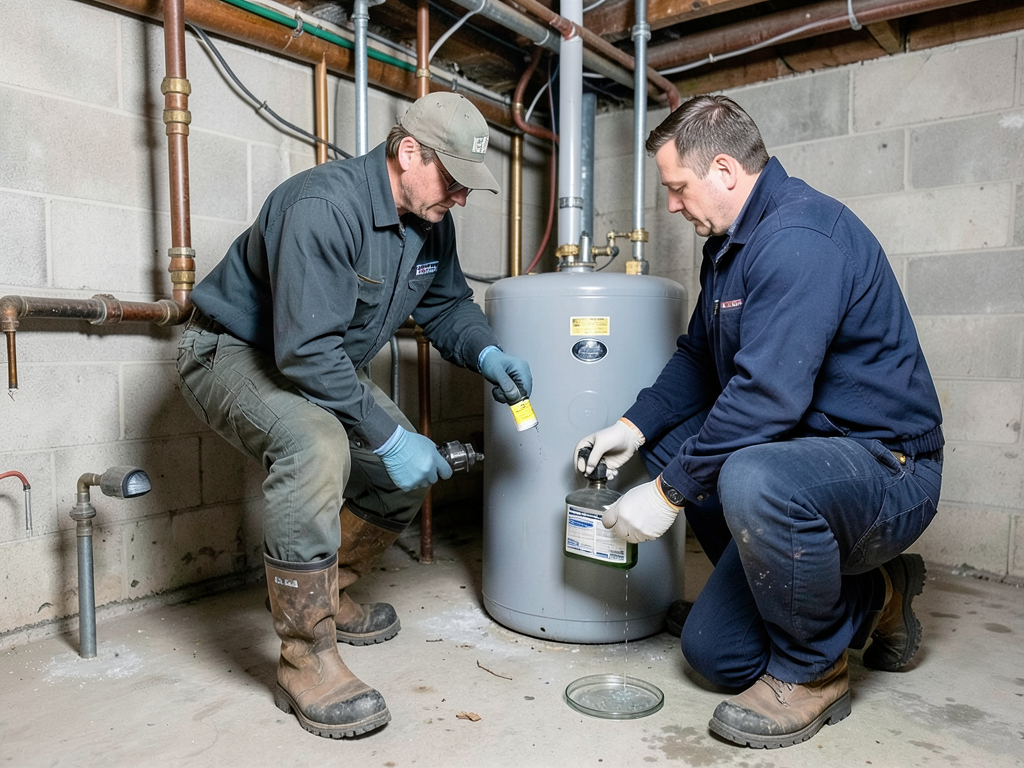
We shut off water to the affected fixture or zone, then access the leak with minimal invasive cutting. Failed supply lines get replaced with PEX or copper. Corroded fittings get upgraded to brass. Drain line cracks get sectioned out and replaced with PVC or no-hub cast iron. We pressure test the repair, verify dry readings with moisture meters, then document the completed work with photos.
03

Restoration Coordination

Once the plumbing repair passes inspection, we coordinate drywall patching, texture matching, and paint with qualified contractors. Wet insulation gets removed and replaced. We verify final moisture readings below 12 percent before closing walls. You receive documentation of the completed repair, material warranties, and recommendations for monitoring the area during the next 30 days to confirm long-term dryness.

Why Baltimore Homeowners Choose Keystone Plumbing for Water Stain Investigations

Most plumbers arrive with a hacksaw and a hunch. They cut open drywall where the stain appears, find nothing, then charge you for the service call and leave you with a hole to patch. We show up with diagnostic equipment and a process designed to locate leaks without destroying your home.

Baltimore's housing stock spans 200 years of construction methods. Victorian rowhouses in Bolton Hill have galvanized supply lines and cast iron drains. Post-war homes in Northwood have copper and ABS plastic. Each material fails differently. Galvanized corrodes from the inside out. Copper develops pinhole leaks at elbows. Cast iron cracks at joint hubs. We have worked in every neighborhood and every construction type. We know what fails, where it fails, and how to access it without unnecessary demolition.

We also understand Baltimore's plumbing code requirements. Re-routing supply lines requires permits. Replacing drain stacks requires inspections. We pull the necessary permits, coordinate inspections, and deliver repairs that pass on the first visit. You do not get surprise stop-work orders or failed inspections six weeks into a project.

Local knowledge matters when diagnosing water intrusion. We know the difference between a roof leak, a plumbing leak, and condensation drip. We know which insurance carriers cover sudden pipe failures and which exclude slow leaks. We know which rowhome plumbing configurations share stacks and which run independent. This experience saves you time, money, and frustration.

When you call about water stains, you get a plumber who knows how to find the leak, fix it correctly, and restore your home without guessing or creating unnecessary damage. That is the difference between a service call and a solution.

What to Expect When We Investigate Your Water Stains

Response Time and Scheduling

We schedule diagnostic inspections within 24 hours for active leaks causing visible water stains. If you notice spreading discoloration, growing damp patches, or dripping sounds behind walls, we treat it as urgent. Our trucks carry thermal imaging cameras, moisture detection equipment, and basic repair materials to stop simple leaks during the first visit. You receive a confirmed appointment window, not a vague all-day estimate. If the stain is old and dry, we still investigate to confirm the leak has stopped or identify dormant issues that reactivate during heavy use.

Inspection and Diagnosis Process

We do not guess. We measure moisture content in drywall, plaster, and framing with pin-type and non-invasive meters. Thermal imaging reveals temperature differences caused by evaporating water or cold supply lines sweating inside wall cavities. We trace stains back to their origin point, checking above-ceiling plumbing, hidden drain lines, and HVAC condensate pans. You receive a written diagnosis identifying the leak source, the repair required, and the estimated scope of restoration work. We explain what we found, why it failed, and what happens if you delay the fix. No jargon, no upselling, just clear answers.

Quality of the Completed Repair

We replace failed sections with materials rated for your application. Copper supply lines get joined with lead-free solder and proper flux. PEX gets crimped with calibrated tools and inspected fittings. Drain lines get glued with primer and cement, then supported at code-required intervals. We pressure test supply line repairs to 150 PSI for 15 minutes. Drain lines get tested with water or air depending on configuration. We document pre-repair and post-repair moisture readings to confirm the area is drying properly. You get a repair built to last, not a temporary patch that fails again in six months.

Follow-Up and Monitoring

After completing the repair, we provide a 30-day follow-up inspection at no charge. We return to re-scan the affected area with moisture meters and thermal imaging to verify complete drying and confirm no secondary leaks. If moisture readings remain elevated, we investigate further at no additional diagnostic fee. We also provide written recommendations for monitoring adjacent areas that share the same plumbing runs. Material warranties follow manufacturer standards. Our labor warranty covers the work performed, excluding damage caused by future failures in unrelated plumbing components. You receive documentation of all repairs, permits, and inspections for your records and future disclosure requirements.

Frequently Asked Questions

You Have Questions,
We Have Answers

Why is there a water stain on my ceiling but no leak? +

Water stains without active leaks often stem from old, resolved issues. Baltimore's humid summers cause condensation in attics, creating moisture that discolors drywall even after drying. Your roof may have been patched, but the stain remains. HVAC condensate lines can drip intermittently, leaving marks between events. Older Baltimore rowhomes with shared walls sometimes show neighbor's past plumbing failures. Even bathroom exhaust fans venting into attics create trapped moisture. Check your attic insulation and ventilation first. If the stain grows or changes color, you need a plumber to rule out slow, hidden leaks before structural damage worsens.

How to tell if water is leaking behind a wall? +

Look for warped baseboards, peeling paint, or discolored patches on drywall. Soft spots when you press the wall indicate trapped moisture. You may smell musty odors even without visible damage. Listen for dripping sounds inside walls, especially after using fixtures. Baltimore's clay soil shifts seasonally, cracking slab foundations and pressurizing underground supply lines. This forces water into wall cavities. Run water in upstairs bathrooms and watch for dampness below. Check water meter readings with all fixtures off. If the meter moves, you have an active leak. Thermal imaging cameras detect temperature differences behind drywall where water flows.

Why am I getting wet spots on my ceiling? +

Wet ceiling spots signal active water intrusion from above. In two-story homes, check for toilet wax ring failures, shower pan cracks, or supply line pinhole leaks. Flat or low-slope roofs common in Baltimore neighborhoods trap water during heavy rains, overwhelming drainage systems. Ice dams during freeze-thaw cycles force melt water under shingles. HVAC units in attics overflow drain pans when condensate lines clog. Roof flashing around chimneys deteriorates from weather exposure. Even Baltimore's high humidity condenses on cold pipes, dripping onto drywall. Address wet spots immediately. Drywall holds moisture, breeding mold within 48 hours.

What does a water leak look like on a ceiling? +

Water leaks create irregular, brownish-yellow stains with darker edges. Fresh leaks appear darker and feel damp to touch. The stain spreads outward from the source point, often forming rings as it dries and rewets. Severe leaks cause drywall to sag, bubble, or crack. You may see texture flaking or paint peeling in concentric circles. Baltimore's older plaster ceilings show different patterns, with chunks loosening as lath backing rots. Active leaks drip or stream water. If the stain feels soft or spongy, structural damage has begun. Brown rings indicate repeated wetting and drying cycles, meaning the leak is intermittent.

How to find source of water stain on ceiling? +

Start directly above the stain. Remove insulation in attics to inspect roof decking for dark spots or rot. Follow any visible water trails uphill, as water travels along joists and rafters before dripping. In multi-story homes, check bathrooms and plumbing fixtures overhead. Baltimore rowhomes require checking shared walls and neighbor plumbing. Use a moisture meter on drywall to map wet areas beyond visible stains. Thermal cameras show temperature variations where water flows. For roof leaks, inspect flashing around chimneys, vents, and skylights. Pour water on suspected roof areas while someone watches inside. Plumbers use cameras to inspect pipes when sources remain hidden.

What are signs of a serious ceiling issue? +

Sagging drywall signals structural compromise. Cracks radiating from stains indicate joist or rafter damage. Visible mold growth means prolonged moisture exposure. If the stain grows rapidly or water drips, you have an active, aggressive leak. Discoloration spreading across multiple ceiling panels suggests widespread water damage. Baltimore's humidity accelerates rot in wooden framing, especially in older homes with limited ventilation. Peeling paint in sheets rather than flakes indicates water trapped behind surfaces. Musty odors without visible stains mean hidden mold colonies. Electrical fixtures near stains create shock and fire hazards. Any sagging requires immediate professional assessment before ceiling collapse.

How do plumbers determine behind the wall leaks? +

Plumbers use acoustic leak detection to hear water escaping pipes through walls. Electronic listening devices amplify sounds inaudible to human ears. Thermal imaging cameras show temperature differences where water flows through cavities. Moisture meters measure drywall water content, mapping leak paths. Tracer gas injected into supply lines escapes at leak points, detected by sensors. Video pipe inspection cameras snake through drains and supply lines, revealing cracks and corrosion. Pressure testing isolates sections of plumbing to pinpoint failures. Baltimore's older cast iron and galvanized pipes corrode internally, requiring camera inspection. Experienced plumbers correlate fixture locations with stain patterns, eliminating guesswork before opening walls.

Does home insurance cover leak detection? +

Most homeowner policies cover sudden, accidental leaks but exclude gradual damage from neglect. Leak detection itself is rarely covered. Insurance pays for repairs after you locate and fix the source. Baltimore insurers require proof you maintained plumbing and roofs. Burst pipes from freezing qualify as sudden events. Slow drips from aging fixtures do not. Some policies offer water backup coverage for sewer-related issues. Mold remediation has strict limits, often capped at $10,000. File claims quickly. Delayed reporting suggests long-term neglect, giving insurers grounds for denial. Review your policy declarations page for specific water damage terms before assuming coverage.

How long does it take for a water leak to cause mold? +

Mold begins growing within 24 to 48 hours in damp conditions. Baltimore's humid climate accelerates this timeline. Porous materials like drywall, insulation, and wood provide ideal food sources. Mold spores exist everywhere but need moisture to colonize. Slow leaks create perfect breeding grounds because materials stay damp without obvious signs. Visible mold indicates established colonies releasing spores into your air. Black or green patches on ceilings mean the leak has persisted for days or weeks. Health risks increase with exposure time. Act immediately when you discover water damage. Dry materials completely within 48 hours to prevent mold establishment.

Who to call if water stains on the ceiling? +

Call a licensed plumber immediately for water stains on ceilings. Plumbers diagnose leak sources, whether from pipes, fixtures, or appliances. They use specialized detection equipment to locate hidden failures without unnecessary demolition. Baltimore's older housing stock requires experienced professionals familiar with cast iron stacks, galvanized supply lines, and outdated plumbing configurations. Roofers handle exterior roof leaks, but plumbers address everything inside your home. For insurance purposes, document damage with photos before repairs begin. Emergency plumbing services operate 24/7 for active leaks. Do not wait. Water damage worsens hourly, leading to mold growth, structural rot, and costly restoration beyond simple pipe repairs.

How Baltimore's Aging Plumbing and Freeze-Thaw Cycles Cause Hidden Ceiling and Wall Leaks

Baltimore's housing stock includes thousands of pre-1950 rowhouses with original galvanized supply lines and cast iron drain stacks. Galvanized pipe corrodes from the inside, narrowing water flow and creating pinhole leaks that seep into wall cavities for months before stains appear on ceilings below. Winter freeze-thaw cycles stress copper joints in uninsulated exterior walls, especially in North Baltimore rowhomes where plumbing runs along shared party walls. Water expands when frozen, cracking solder joints and compression fittings. When temperatures rise, slow drips begin, traveling along floor joists and creating brown spots on ceilings far from the actual failure point. Humid summers add condensation issues when cold supply lines sweat inside finished walls, creating damp patches mistaken for leaks.

Keystone Plumbing Baltimore works in every neighborhood, from historic Federal Hill rowhouses to post-war ranches in Parkville. We understand local building methods, know which materials fail first, and carry the permits required for plumbing repairs in Baltimore City and Baltimore County. Our technicians train on leak detection, not guesswork. When you call about water stains, you get a plumber who knows the difference between a roof leak, a plumbing leak, and an HVAC condensate issue. We coordinate with your insurance adjuster, provide detailed documentation, and complete repairs that pass inspection. Local experience matters when diagnosing water intrusion in Baltimore's complex housing stock.
Plumbing Services in The Baltimore Area

Discover our conveniently located service hub, strategically positioned to ensure rapid response times across the region. While our office welcomes inquiries, our skilled technicians are typically out in the field, ready to bring our expertise directly to your doorstep. We are committed to serving the entire area efficiently, making sure expert plumbing assistance is always just a call away, wherever you are.

Address:
Keystone Plumbing Baltimore, 312 N Martin Luther King Jr Blvd, Baltimore, MD, 21201

Additional Services We Offer

Our news updates

Latest Articles & News from The Blogs

Adding a Luxury Wet Bar to Your Rooftop Deck in South Baltimore Imagine sipping a cocktail on your rooftop deck…

Adding a Luxury Wet Bar to Your Rooftop Deck in South Baltimore

Adding a Luxury Wet Bar to Your Rooftop Deck in South Baltimore Imagine sipping a cocktail on your rooftop deck…

Finding and Fixing Hidden Slab Leaks Under Your Beverly Hills Home

Finding and Fixing Hidden Slab Leaks Under Your Beverly Hills Home A hidden slab leak can silently destroy your Beverly…

How to Repair a Leaky Shower Valve in Your Cross Keys Condo

How to Repair a Leaky Shower Valve in Your Cross Keys Condo Living in the Village of Cross Keys means…

Contact Us

Water stains grow larger every day. Call Keystone Plumbing Baltimore at (443) 443-9099 right now for same-day leak detection and repair. We find the source, stop the leak, and restore your home.