
Plumbing Code Violations to Watch for During a DIY Project in Catonsville
Catonsville homeowners tackling plumbing projects face strict Maryland code requirements. Understanding these violations before starting work saves time money and potential fines. The Baltimore County Department of Permits and Inspections enforces Maryland plumbing standards that differ from neighboring jurisdictions. Baltimore County Department of Permits.
Most DIY plumbing failures occur when homeowners skip permits or use improper materials. The Maryland State Board of Plumbing requires licensed professionals for many tasks including gas line work and main drain repairs. Even seemingly simple projects like replacing a water heater need proper permits and inspections. Maryland State Board of Plumbing.
Common Plumbing Code Violations in Catonsville Homes
Older Catonsville homes built before 1970 often contain galvanized steel pipes that violate current code requirements. These pipes corrode from the inside causing restricted water flow and potential contamination. Baltimore County inspectors flag these materials during renovations requiring complete replacement with approved materials. Fast Water Heater Replacement for Homeowners in Towson and Lutherville.
S-traps represent another frequent violation found in Catonsville basements and laundry rooms. Modern plumbing requires P-traps that maintain water seals preventing sewer gas entry. S-traps dry out allowing dangerous gases to enter living spaces. Inspectors immediately red-tag these installations. Fixing Low Water Pressure in Your Locust Point Rowhome.
Improper venting causes numerous failed inspections in Catonsville’s older housing stock. Each plumbing fixture needs proper venting to maintain trap seals and prevent pressure issues. DIYers often overlook this requirement creating slow drains and gurgling sounds. The Maryland Plumbing Code Section 913 mandates specific vent sizing and placement. Professional Drain Cleaning Services to Clear Stubborn Clogs in Federal Hill.
Permit Requirements for Catonsville Plumbing Projects
Baltimore County requires permits for most plumbing modifications including water heater replacements fixture installations and drain line alterations. The ePermits online system processes applications but many homeowners underestimate the documentation needed. Missing paperwork results in rejected applications and project delays.
Water heater installations need permits regardless of fuel type. Gas units require additional inspections for proper venting and gas line connections. Electric units need verification of proper circuit sizing and GFCI protection. The Baltimore County code mandates expansion tanks on all closed-loop water heater systems.
Fixture replacements seem simple but often violate code when DIYers install commercial-grade units in residential settings. Baltimore County limits fixture flow rates and requires specific mounting heights. Handicap accessible installations need additional clearances and controls meeting ADA guidelines.
Materials That Fail Baltimore County Inspections
Many DIYers purchase plumbing supplies from big box stores without realizing some materials lack Baltimore County approval. Polybutylene pipes once common in Catonsville homes fail current code requirements. These gray plastic pipes become brittle and leak causing extensive water damage.
ABS drain pipe works in some jurisdictions but Baltimore County requires PVC for most applications. The difference seems minor but inspectors reject ABS installations. Similarly lead solder remains illegal for drinking water lines despite its availability in some stores.
Flexible water connectors require specific approvals and proper installation. Many DIY installations use connectors that kink or fail under pressure. Baltimore County mandates stainless steel braided connectors with specific certifications for water heater connections.
Water Heater Installation Violations
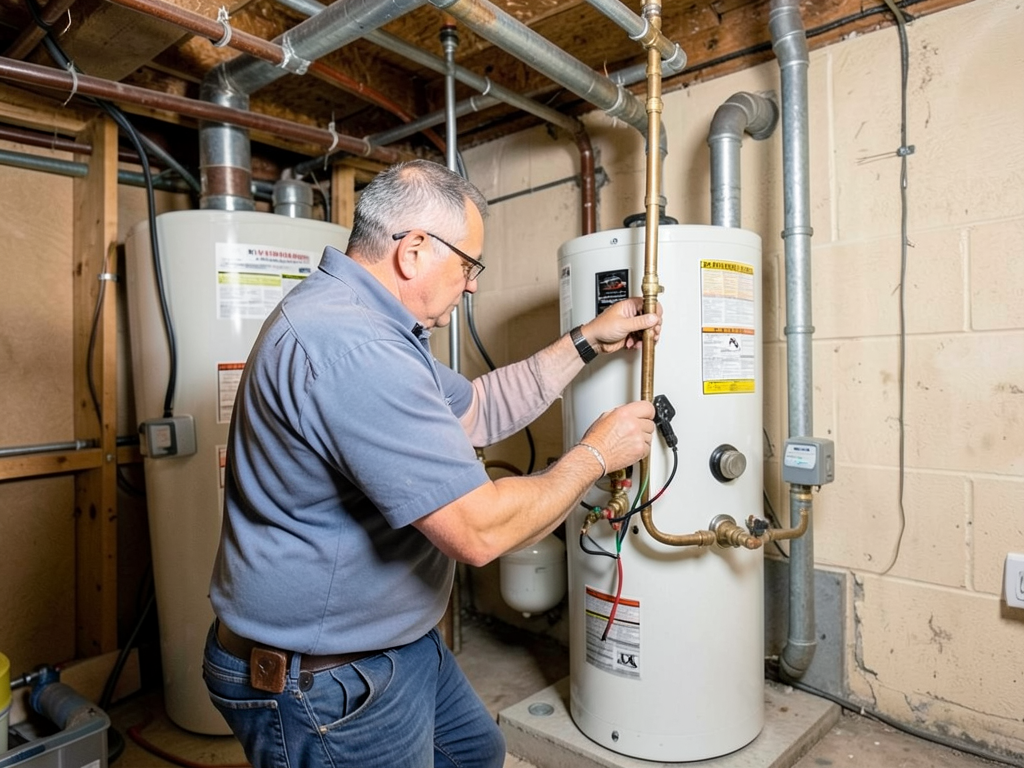
Improper water heater installations rank among the most dangerous DIY violations. Gas units need proper combustion air supply and venting to prevent carbon monoxide poisoning. Electric units require dedicated circuits with correct amperage breakers. Both types need temperature and pressure relief valves piped to safe discharge locations.
Catonsville’s hard water accelerates sediment buildup in water heaters. DIY installations often lack drain pans or fail to provide proper clearance for maintenance. Baltimore County requires pans with drain lines for units in living spaces or above finished areas.
Expansion tanks prevent dangerous pressure buildup in closed plumbing systems. Many DIYers skip this component to save money but inspectors flag missing expansion tanks immediately. The device protects both the water heater and home plumbing from damage.
Backflow Prevention Requirements
Backflow preventers protect Catonsville’s municipal water supply from contamination. DIY irrigation system installations often violate code by omitting these devices. Baltimore County requires testable backflow preventers on all systems connected to the public water supply.
Residential fire sprinkler systems need specific backflow prevention assemblies. DIY installation attempts rarely meet these requirements. The devices require annual testing by certified professionals something most homeowners overlook until inspection time.
Commercial properties face stricter backflow requirements. Even home-based businesses must comply with commercial standards if they handle chemicals or process water. Baltimore County maintains a cross-connection control program enforcing these requirements.
Sewer Line Repair Violations
DIY sewer line repairs often violate Baltimore County code in multiple ways. Cleanouts must be accessible and properly located. Many DIY repairs bury cleanouts under concrete or inside walls making future maintenance impossible. Inspectors require exposed cleanouts at specific intervals. Trenchless Sewer Line Repair for Historic Homes in Roland Park.
Cast iron sewer pipes in older Catonsville homes need specific joining methods. DIYers frequently use incompatible materials or improper couplings. Baltimore County requires PVC for new sewer lines with specific fittings and support requirements.
Sewer line depth violations cause freezing issues in Catonsville’s colder months. Code requires minimum cover depths that many DIYers ignore to save excavation costs. Frozen sewer lines create expensive emergency repairs and potential health hazards. Who to Call for an Emergency Pipe Burst in Canton Right Now.
Fixture Installation Mistakes
Toilet installations seem simple but often violate code requirements. Proper closet flange height and secure mounting prevent leaks and movement. DIY installations frequently use incorrect wax rings or fail to level fixtures properly. Baltimore County requires specific clearances around toilets for cleaning and maintenance.
Shower and tub installations need waterproof membranes and proper drainage slopes. Many DIYers skip these critical components leading to water damage behind walls. Inspectors check for proper waterproofing and drain connections meeting Baltimore County standards.
Kitchen sink installations require air gaps for dishwasher connections. DIYers often connect dishwashers directly to disposals violating code. Baltimore County mandates visible air gaps preventing contaminated water from siphoning back into clean water lines.
Gas Line Installation Violations
Maryland law prohibits unlicensed individuals from working on gas lines. DIY gas line installations create explosion hazards and violate multiple codes. Baltimore County requires licensed gas fitters for all new installations and modifications.
Even seemingly simple gas appliance connections need proper fittings and leak testing. DIY installations often use incorrect thread sealants or fail to pressure test connections. Inspectors use specialized equipment detecting even minor leaks that homeowners miss.
Gas shutoff valve placement violates code when DIYers install appliances without proper access. Baltimore County requires accessible shutoff valves within specific distances of all gas appliances. Hidden or incorrectly located valves fail inspection immediately.
Electrical Connections for Plumbing Systems
Plumbing systems often need electrical connections for pumps water heaters and control systems. DIY electrical work violates both plumbing and electrical codes. Baltimore County requires licensed electricians for most plumbing-related electrical work.
GFCI protection proves essential for bathroom and outdoor plumbing installations. DIYers frequently overlook this requirement creating shock hazards. Inspectors check all GFCI outlets and circuits serving plumbing fixtures.
Pump installations need proper grounding and bonding. DIY sump pump installations often lack these safety features. Baltimore County requires specific wiring methods and protection for all plumbing system electrical components.
Inspection Process and Common Failures
Baltimore County plumbing inspections follow specific sequences. Rough inspections check hidden work before walls close. DIYers often complete entire projects before calling for inspection resulting in costly rework. Inspectors need access to verify proper installation methods.
Final inspections check all fixtures and connections. DIY projects frequently fail final inspection due to missing documentation or improper materials. Baltimore County requires proof of permit compliance and material certifications for all installations.
Reinspection fees add to project costs when DIY work fails inspection. Multiple failed inspections quickly exceed professional installation costs. Baltimore County charges fees for each inspection attempt regardless of pass or fail status.
Financial Consequences of Code Violations
Baltimore County fines for unpermitted work range from hundreds to thousands of dollars. DIYers often underestimate these penalties which can exceed project costs. The county maintains records of violations affecting future property sales and insurance claims.
Insurance companies deny claims for damage caused by unpermitted work. DIY plumbing failures resulting in water damage leave homeowners responsible for all repair costs. Baltimore County can require removal and replacement of unpermitted work at owner expense.
Property sales delay when unpermitted plumbing work surfaces during inspections. Buyers often demand correction of violations or price reductions. Some lenders refuse mortgages on properties with outstanding code violations.
When to Call a Professional Plumber
Professional plumbers understand Baltimore County requirements and maintain proper licensing. Complex projects involving gas lines main drains or water service lines need professional expertise. The cost difference between DIY and professional work often disappears when considering inspection fees and potential violations.
Emergency situations require immediate professional response. Burst pipes gas leaks and sewage backups create safety hazards DIYers cannot address properly. Professional plumbers carry insurance protecting homeowners from liability issues.
Professional plumbers provide warranties on workmanship something DIY projects cannot offer. Baltimore County licensed plumbers guarantee code compliance reducing inspection failures and future problems.
Resources for DIY Plumbing Projects
Baltimore County provides permit information and code requirements online. The ePermits system offers guidance but cannot replace professional expertise. DIYers should consult local plumbing supply stores familiar with Baltimore County requirements.
Manufacturer installation instructions often meet code requirements but vary by jurisdiction. What works in neighboring counties may violate Baltimore County standards. Always verify requirements before purchasing materials.
Local home inspector associations offer pre-sale inspections identifying potential violations. These inspections help DIYers correct problems before they become expensive violations.
Protecting Your Investment
Catonsville homes represent significant investments requiring proper maintenance and upgrades. DIY plumbing projects save money when done correctly but cost more when violations occur. Understanding code requirements prevents expensive mistakes and protects property values.
Documentation proves essential for all plumbing work. Keep permits inspection reports and material certifications. These documents help with future sales and insurance claims. Baltimore County maintains records but homeowner documentation provides additional protection.
Regular maintenance prevents many code violations. Annual inspections catch problems before they become violations. Professional plumbers identify issues DIYers miss during routine maintenance visits.
Frequently Asked Questions
Do I need a permit to replace my water heater in Catonsville?
Yes Baltimore County requires permits for all water heater replacements including electric units. Gas water heaters need additional inspections for venting and gas line connections.
Can I install a new toilet myself in my Catonsville home?
Simple toilet replacements may not need permits but must meet current code requirements. Improper installations violate code and can cause expensive water damage.
What happens if my DIY plumbing fails inspection?
Baltimore County requires correction of all violations before final approval. Failed inspections result in reinspection fees and potential fines for unpermitted work.
Are PEX pipes allowed in Catonsville plumbing projects?
Yes PEX pipes meeting ASTM standards are acceptable in Baltimore County. However specific installation methods and fittings must comply with local code requirements.
How long do I have to correct a plumbing code violation?
Baltimore County typically allows 30 days for voluntary correction. After that period fines accrue daily until compliance is achieved.
Getting Professional Help
Plumbing code violations create stress and expense for Catonsville homeowners. Professional plumbers understand local requirements and complete work correctly the first time. The initial cost often saves money compared to failed DIY inspections and corrections.
Professional plumbers carry proper insurance and licensing required by Baltimore County. They understand permit requirements and maintain relationships with inspectors. This expertise prevents many common DIY violations.
Emergency plumbing situations require immediate professional response. DIY attempts during crises often worsen problems creating additional damage and expense. Professional plumbers provide 24/7 emergency service protecting homes from extensive water damage.
Call (443) 443-9099 today to schedule your inspection or discuss your plumbing project with a licensed professional. Don’t let code violations turn your DIY project into an expensive mistake.
You may also find this helpful. Adding a Pot Filler to Your Canton Rowhome Kitchen Without Ripping Out All Your Walls.
{
“@context”: “https://schema.org”,
“@type”: “BlogPosting”,
“headline”: “Plumbing Code Violations to Watch for During a DIY Project in Catonsville”,
“description”: “Learn common plumbing code violations in Catonsville DIY projects. Discover what inspectors look for and how to avoid costly mistakes in your Maryland home.”,
“wordCount”: 1992,
“datePublished”: “2026-06-02T14:00:00.000Z”,
“dateModified”: “2026-06-02T14:00:00.000Z”,
“inLanguage”: “en-US”,
“mainEntityOfPage”: {
“@type”: “WebPage”,
“@id”: “https://keystoneplumbingbaltimore.com”
},
“publisher”: {
“@type”: “LocalBusiness”,
“name”: “Keystone Plumbing Baltimore”,
“url”: “https://keystoneplumbingbaltimore.com”
},
“author”: {
“@type”: “Organization”,
“name”: “Keystone Plumbing Baltimore”,
“url”: “https://keystoneplumbingbaltimore.com”
},
“image”: {
“@type”: “ImageObject”,
“url”: “https://keystoneplumbingbaltimore.com/wp-content/uploads/2026/03/plumbing-code-violations-to-watch-for-during-a-diy-1.png”
}
}
{
“@context”: “https://schema.org”,
“@type”: “Plumber”,
“name”: “Keystone Plumbing Baltimore”,
“url”: “https://keystoneplumbingbaltimore.com”,
“address”: {
“@type”: “PostalAddress”,
“addressLocality”: “Baltimore”
},
“areaServed”: {
“@type”: “City”,
“name”: “Baltimore”
}
}
{
“@context”: “https://schema.org”,
“@type”: “FAQPage”,
“mainEntity”: [
{
“@type”: “Question”,
“name”: “Do I need a permit to replace my water heater in Catonsville?”,
“acceptedAnswer”: {
“@type”: “Answer”,
“text”: “Yes Baltimore County requires permits for all water heater replacements including electric units. Gas water heaters need additional inspections for venting and gas line connections.”
}
},
{
“@type”: “Question”,
“name”: “Can I install a new toilet myself in my Catonsville home?”,
“acceptedAnswer”: {
“@type”: “Answer”,
“text”: “Simple toilet replacements may not need permits but must meet current code requirements. Improper installations violate code and can cause expensive water damage.”
}
},
{
“@type”: “Question”,
“name”: “What happens if my DIY plumbing fails inspection?”,
“acceptedAnswer”: {
“@type”: “Answer”,
“text”: “Baltimore County requires correction of all violations before final approval. Failed inspections result in reinspection fees and potential fines for unpermitted work.”
}
},
{
“@type”: “Question”,
“name”: “Are PEX pipes allowed in Catonsville plumbing projects?”,
“acceptedAnswer”: {
“@type”: “Answer”,
“text”: “Yes PEX pipes meeting ASTM standards are acceptable in Baltimore County. However specific installation methods and fittings must comply with local code requirements.”
}
},
{
“@type”: “Question”,
“name”: “How long do I have to correct a plumbing code violation?”,
“acceptedAnswer”: {
“@type”: “Answer”,
“text”: “Baltimore County typically allows 30 days for voluntary correction. After that period fines accrue daily until compliance is achieved.”
}
}
]
}
{
“@context”: “https://schema.org”,
“@type”: “BreadcrumbList”,
“itemListElement”: [
{
“@type”: “ListItem”,
“position”: 1,
“name”: “Home”,
“item”: “https://keystoneplumbingbaltimore.com”
},
{
“@type”: “ListItem”,
“position”: 2,
“name”: “Blog”,
“item”: “https://keystoneplumbingbaltimore.com/blog”
},
{
“@type”: “ListItem”,
“position”: 3,
“name”: “Plumbing Code Violations to Watch for During a DIY Project in Catonsville”
}
]
}
{
“@context”: “https://schema.org”,
“@type”: “Service”,
“serviceType”: “Plumbing”,
“provider”: {
“@type”: “LocalBusiness”,
“name”: “Keystone Plumbing Baltimore”,
“url”: “https://keystoneplumbingbaltimore.com”
},
“areaServed”: {
“@type”: “City”,
“name”: “Baltimore”
},
“description”: “Learn common plumbing code violations in Catonsville DIY projects. Discover what inspectors look for and how to avoid costly mistakes in your Maryland home.”
}