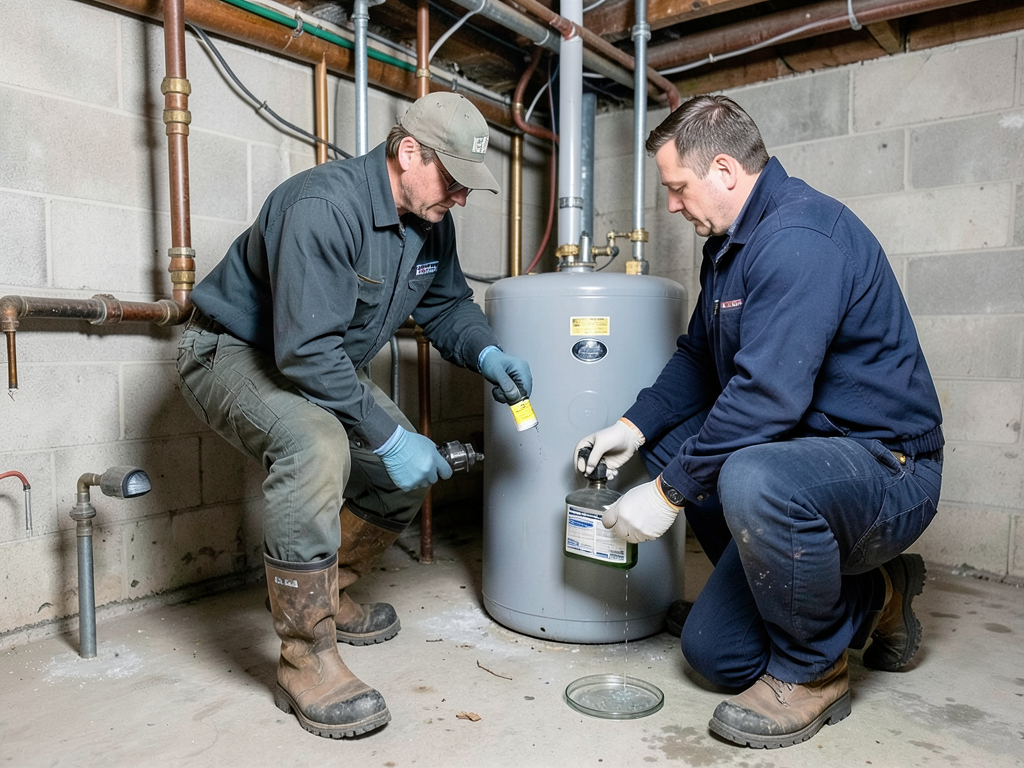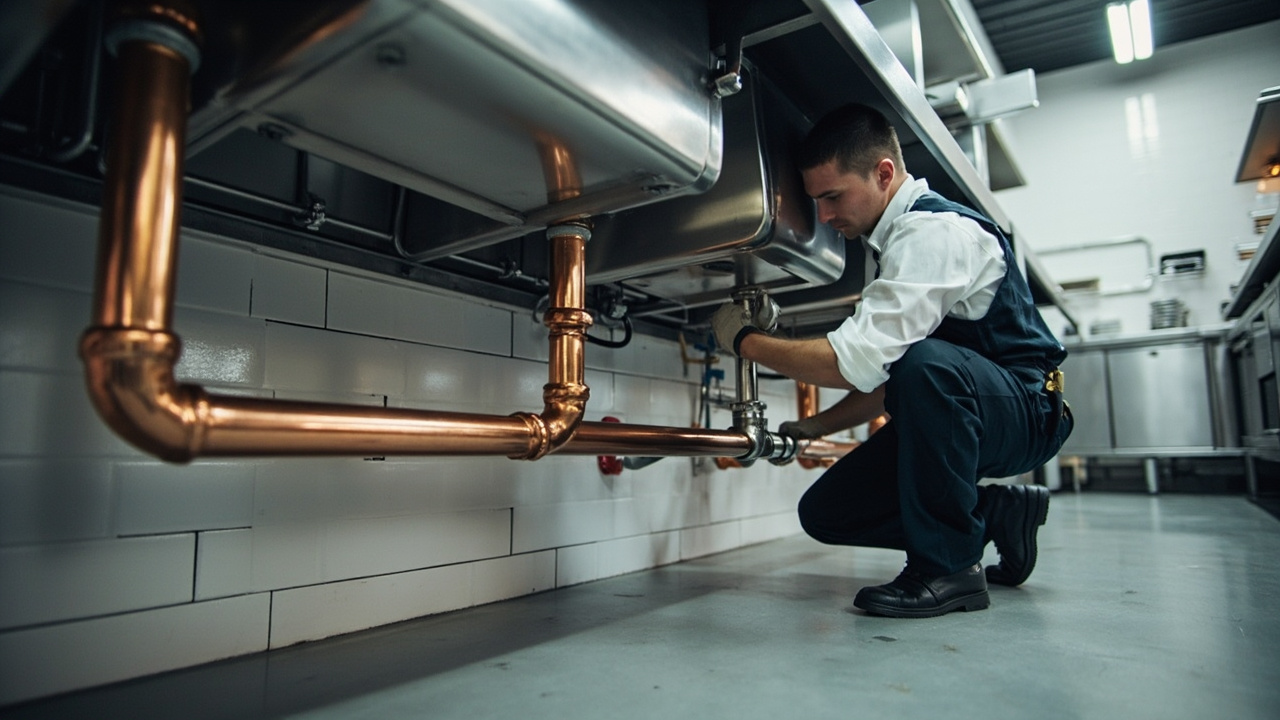

Baltimore's restaurant districts occupy buildings constructed between 1890 and 1950, long before modern commercial kitchen demands existed. Original plumbing systems used galvanized steel supply lines and cast iron drains sized for residential use. Converting these spaces to food service requires infrastructure upgrades that address undersized water services, inadequate drain capacity, and outdated venting. Harbor East and Canton developments feature newer construction with properly sized utilities, but Federal Hill and Fells Point locations often need complete plumbing replacement to support commercial kitchen equipment loads and comply with current health codes.
Baltimore City health inspections enforce strict plumbing standards that protect public health in food service environments. Inspectors verify backflow prevention on all water supplies, proper grease trap sizing and maintenance, and adequate hot water capacity for sanitation. Choosing a commercial kitchen plumber familiar with Baltimore health department requirements prevents failed inspections and delayed openings. Local expertise means installations include required documentation, proper device placement, and code-compliant materials that satisfy inspection requirements without corrections. This knowledge prevents costly rework and schedule delays during critical opening periods.