Menu

Hydro Jetting vs. Snaking in Baltimore – Get the Right Fix for Your Drain Blockage

Understanding the difference between hydro jetting and snaking helps you choose the right drain cleaning method for Baltimore's aging pipe systems and persistent root intrusion problems.

Slider Image 1
Slider Image 2
Slider Image 3
Slider Image 4
Slider Image 5
Slider Image 7
Slider Image 8
Slider Image 9
Slider Image 10
Slider Image 11

Why Baltimore Homeowners Face the Hydro Jet vs Drain Snake Decision

When your drain backs up in Baltimore, you face a choice that matters more than you think. The difference between hydro jetting and snaking is not just about clearing the blockage today. It is about whether that blockage comes back in three months or stays gone for years.

Baltimore's infrastructure presents specific challenges. Many rowhouses in neighborhoods like Fells Point and Canton still have cast iron drain lines installed in the 1920s. These pipes corrode from the inside, creating rough surfaces where grease, hair, and debris catch easily. Tree roots from the city's mature oaks and maples exploit every crack in your sewer lateral, especially in areas like Roland Park and Guilford where the canopy is dense.

A plumbing snake works like a drill bit. It punches a hole through the blockage but leaves the pipe walls coated with grease, scale, and residual debris. That coating is a magnet for the next clog. Within weeks, you are calling for another snaking. The pros and cons of hydro jetting vs snaking become clear when you understand what happens after the plumber leaves.

Hydro jetting uses pressurized water at 3,000 to 4,000 PSI to scour the entire interior diameter of the pipe. It removes grease buildup, cuts through root masses, and strips away decades of accumulated scale. The pipe returns to nearly its original diameter. Flow capacity increases. The next blockage takes years to form instead of months.

The choice between water jetting and a rooter depends on your pipe condition, the blockage type, and whether you want a temporary fix or a lasting solution.

Why Baltimore Homeowners Face the Hydro Jet vs Drain Snake Decision
How Hydro Jetting and Snaking Actually Work in Your Pipes

How Hydro Jetting and Snaking Actually Work in Your Pipes

A drain snake, also called a rooter or auger, is a long flexible cable with a cutting head. The technician feeds it into the drain line and rotates it mechanically. When it hits the blockage, the cutting head bores through. For a simple obstruction like a clump of hair in a bathroom drain, a snake clears the path in minutes. The problem is what it leaves behind.

Snaking creates a tunnel through the blockage. Imagine drilling a pencil-sized hole through a loaf of bread. The bread is still there. In your drain, the grease coating, soap scum, and mineral deposits remain on the pipe walls. Roots get trimmed but not removed. The blockage reforms quickly because the conditions that caused it never changed.

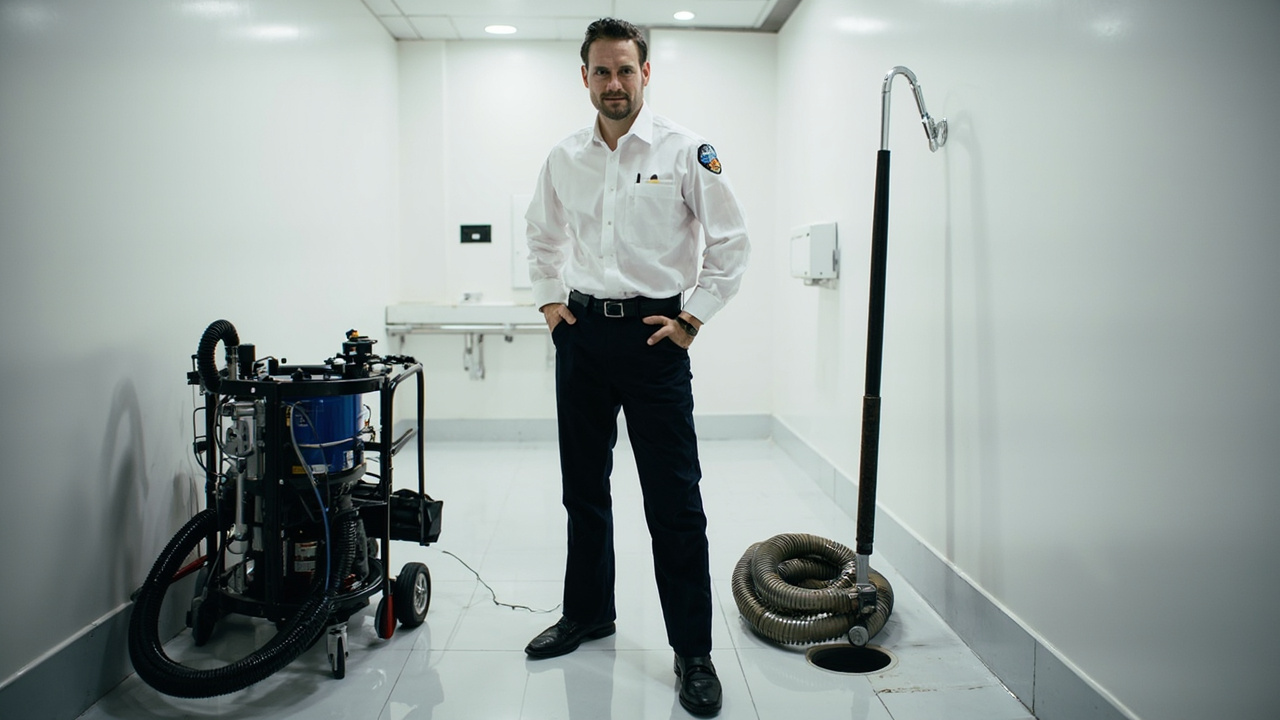
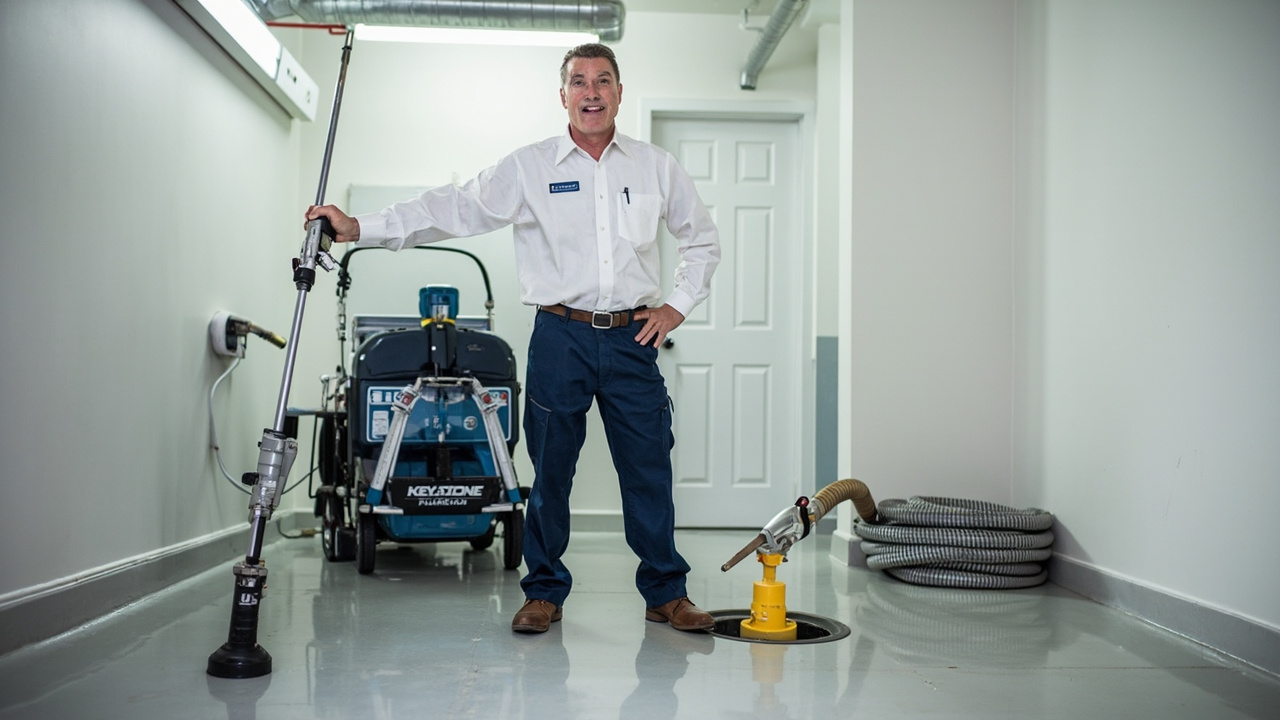
Hydro jetting takes a different approach. The technician inserts a specialized nozzle connected to a high-pressure water pump. The nozzle has forward-facing jets that propel it through the line and rear-facing jets that scour the pipe walls as it travels. Water pressure reaches 3,000 PSI for residential lines and up to 4,000 PSI for main sewer lines.

The difference between hydro jetting and snaking shows up in the results. Hydro jetting strips away grease layers that have built up over years. It cuts roots flush with the pipe wall instead of leaving jagged stumps. It removes mineral scale that reduces pipe diameter. The pipe interior returns to a smooth, clean surface where new debris has trouble adhering.

Keystone Plumbing Baltimore uses camera inspection before and after hydro jetting to document the condition change. You see exactly what we removed and what your pipes look like after cleaning. That transparency matters when you are choosing between methods.

What Happens When You Call for Drain Cleaning

Hydro Jetting vs. Snaking in Baltimore – Get the Right Fix for Your Drain Blockage
01

Camera Inspection First

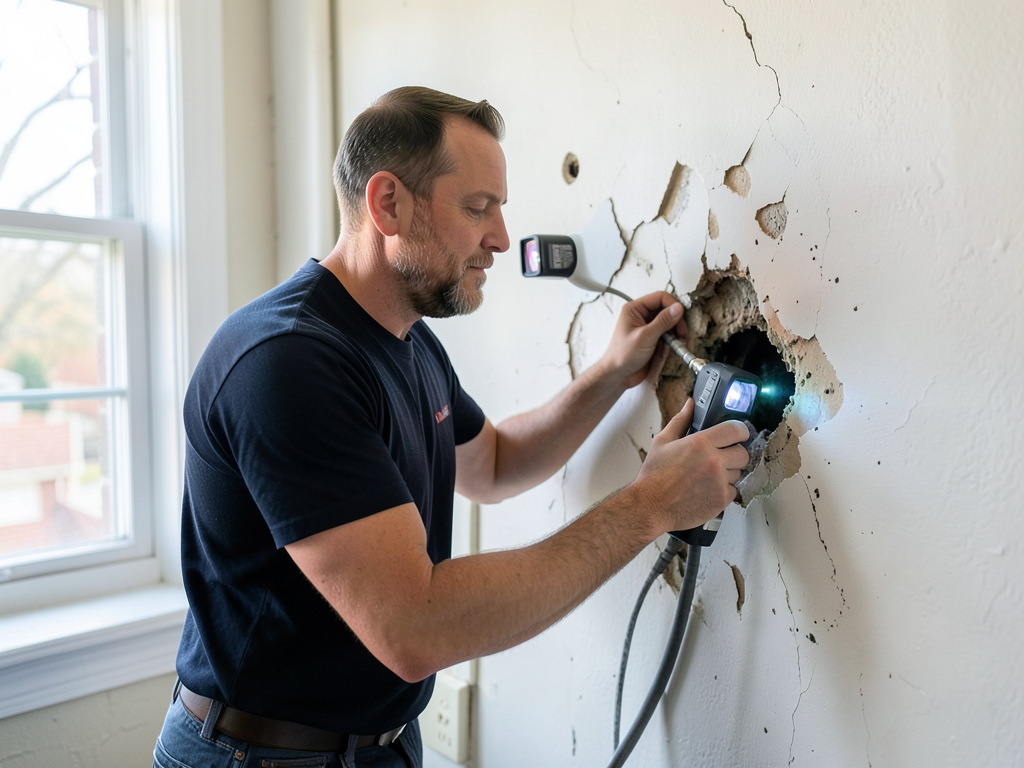
Before recommending hydro jetting or snaking, we insert a waterproof camera into your drain line. This inspection reveals the blockage type, location, and pipe condition. We check for cracks, bellies, offset joints, and root intrusion. Camera inspection prevents damage by identifying pipes too fragile for high-pressure water. You see the same video feed we do, so you understand exactly what we find.
02

Method Selection and Execution

Based on what the camera shows, we recommend the appropriate method. Simple clogs in good pipes respond to snaking. Grease buildup, root masses, or scale deposits require hydro jetting. We explain the difference and let you make an informed choice. During hydro jetting, we work systematically from the downstream cleanout toward the blockage, ensuring complete pipe wall cleaning without missing sections.
03

Verification and Documentation

After clearing the blockage, we run the camera through again. This post-service inspection confirms the pipe is clean and identifies any structural issues that might cause future problems. You receive before and after images showing what we removed. If the camera reveals damaged pipe sections, we discuss repair options. You leave with a clear understanding of your drain line condition and maintenance needs.

Why Baltimore Properties Need Local Drain Cleaning Expertise

Baltimore's plumbing infrastructure varies dramatically by neighborhood age and construction method. Rowhouses in historic districts often share common drain laterals. A blockage in your line can affect your neighbor. Clearing it requires understanding how these shared systems connect and where the cleanout access points are located.

Cast iron pipes dominate in pre-1960 construction. These lines corrode differently than PVC. The rust creates a rough interior surface that catches debris. Hydro jetting removes that rust layer, but too much pressure on severely corroded pipe can cause collapse. A plumber familiar with Baltimore's housing stock knows how to assess pipe integrity and adjust pressure accordingly.

Clay pipe laterals are common in areas like Hamilton and Lauraville. Clay is durable but the joints separate over time. Tree roots infiltrate through these gaps. A snake might cut the roots but cannot remove them. The roots regrow within months. Hydro jetting cuts and flushes the root mass, giving you years before regrowth becomes a problem.

Keystone Plumbing Baltimore has cleaned drains in every Baltimore neighborhood. We know which areas have combined storm and sanitary sewers. We understand how the Chesapeake Bay watershed regulations affect what we can discharge during hydro jetting. We carry the equipment to handle both small residential lines and large commercial main drains.

Local building codes require licensed plumbers to pull permits for certain drain repairs. We handle that process. We know the city inspectors and what they expect. When hydro jetting reveals structural damage that needs repair, we can escalate to pipe lining or excavation without bringing in a second contractor. You work with one team from diagnosis through final repair.

What to Expect When You Schedule Drain Cleaning Service

Response Time and Availability

We schedule most non-emergency drain cleaning within 24 to 48 hours of your call. If you have a complete backup with sewage entering your home, we dispatch a technician the same day. Emergency service is available nights and weekends. We arrive with both snaking and hydro jetting equipment so we can address whatever we find without a return trip. Most residential drain cleaning jobs finish in two to three hours including camera inspection and documentation.

The Inspection and Assessment Process

Every drain cleaning starts with questions about your symptoms. When did the backup start? Have you had this problem before? Do multiple fixtures drain slowly? These details guide our investigation. We locate your cleanout access points and insert the camera. You watch the monitor as we navigate your pipes. We point out problem areas and explain what we see. The camera footage determines whether you need snaking for a simple clog or hydro jetting for buildup and roots.

The Cleaning Result You Get

After snaking, your drain flows freely again. The immediate blockage is gone. After hydro jetting, your drain flows like new. The entire pipe diameter is clear. Water moves faster. You hear the difference when you flush. We show you the before and after camera footage so you see the transformation. If we find damaged pipe sections, we provide a written estimate for repairs. The goal is not just clearing today's clog but preventing next month's backup.

Ongoing Maintenance and Prevention

For properties with recurring drain problems, we recommend annual or biannual hydro jetting. This preventive approach stops blockages before they cause backups. Commercial kitchens benefit from quarterly hydro jetting to manage grease accumulation. We offer maintenance agreements that include scheduled cleanings and priority service. Between visits, we provide guidance on what you can do to minimize buildup. Simple changes in what goes down your drain extend the time between professional cleanings.

Frequently Asked Questions

You Have Questions,
We Have Answers

Is hydro jetting worth the cost? +

Hydro jetting is worth the cost when you face recurring clogs, slow drains, or roots invading your sewer line. Snaking removes blockages temporarily. Hydro jetting clears the entire pipe interior, removing grease buildup, mineral deposits, and debris that snaking leaves behind. Baltimore homes with older cast iron or clay pipes often deal with scale and root infiltration. Hydro jetting extends the time between service calls and prevents emergency backups. If you snake your drains twice a year, hydro jetting once typically saves money long-term and keeps your system flowing smoothly.

How is hydrojetting different than snaking? +

Snaking uses a cable with a rotating head to punch through a blockage. It creates a hole but leaves debris clinging to pipe walls. Hydro jetting uses high-pressure water at 3,000 to 4,000 PSI to scour the entire pipe circumference. It removes grease, scale, roots, and buildup that snaking cannot touch. Snaking works for simple clogs. Hydro jetting is a comprehensive cleaning method. Baltimore plumbers recommend hydro jetting for recurring clogs, grease buildup, or when camera inspections show heavy residue coating your pipes.

Is hydro jetting safe for old pipes? +

Hydro jetting is safe for most old pipes when a licensed plumber inspects them first. Baltimore has many homes with aging cast iron and clay sewer lines. A camera inspection identifies cracks, corrosion, or weak joints before jetting begins. If pipes are structurally sound, hydro jetting cleans them without damage. If pipes are compromised, a plumber adjusts pressure or recommends repair first. Never hydro jet without inspection on older systems. The pressurized water clears buildup but can expose pre-existing damage that snaking would miss.

What are the signs I need hydro jetting? +

You need hydro jetting when drains back up repeatedly, water drains slowly throughout your home, or you smell sewer gas near fixtures. Gurgling sounds from toilets or drains signal blockages deeper in your line. If you snake your drains frequently but clogs return quickly, buildup coats your pipes. Tree roots are common in Baltimore neighborhoods with mature oaks and maples. Roots invade sewer lines through joints and cracks. Hydro jetting cuts roots and removes the organic matter that attracts them back.

Does hydro jetting have any disadvantages? +

Hydro jetting has few disadvantages when performed correctly. It costs more upfront than snaking. The process requires specialized equipment and training. You cannot use hydro jetting on damaged pipes without risking further breaks. Older Baltimore homes with fragile clay or deteriorated cast iron need camera inspection first. Hydro jetting takes longer than snaking. Some plumbers lack the equipment or experience. If you choose an inexperienced operator, improper pressure settings can damage pipes. Always hire a licensed plumber with hydro jetting experience and insurance.

Why do plumbers say not to use drain cleaner? +

Plumbers advise against drain cleaner because it corrodes pipes, harms fixtures, and rarely solves the problem. Chemical cleaners eat through grease but leave residue and weaken pipe walls over time. Baltimore homes with old cast iron or brass fittings face accelerated corrosion from repeated chemical use. Drain cleaner does not remove roots, scale, or solid blockages. It creates toxic fumes and can injure you during application. Most clogs need mechanical removal. Hydro jetting or snaking clears the blockage without chemical damage to your plumbing system.

Can I do hydro jetting myself? +

Do not attempt hydro jetting yourself. The equipment requires training to operate safely. Improper pressure or nozzle choice can rupture pipes, flood your basement, or cause injury. Professional hydro jetters cost thousands of dollars. Rental units lack the power and safety features professionals use. You need a camera inspection first to identify pipe condition and blockage type. Baltimore requires licensed plumbers for most sewer work. Mistakes can lead to expensive repairs. Hire a licensed plumber with hydro jetting experience to protect your home and yourself.

How much do plumbers charge to snake a main line? +

Plumbers typically charge between a service call fee and several hundred dollars to snake a main sewer line. Cost depends on blockage depth, accessibility, and time required. If the clog sits deep in your line or near the street connection, expect higher costs. Baltimore row homes and older properties may require accessing the cleanout from tight spaces. Emergency or after-hours service increases pricing. Most plumbers provide quotes after inspecting the issue. Recurring clogs often signal the need for hydro jetting instead of repeated snaking.

What do plumbers recommend to unclog drains? +

Plumbers recommend mechanical methods to unclog drains. For minor clogs, a plunger or hand auger works. For stubborn or recurring blockages, professional snaking removes the obstruction. For heavy buildup, grease, or roots, hydro jetting provides a complete cleaning. Baltimore plumbers avoid recommending chemical drain cleaners due to pipe damage and environmental concerns. A camera inspection identifies the exact problem and location. The right method depends on blockage type, pipe condition, and how often clogs return. Professional evaluation prevents guesswork and wasted money.

Can hydro jetting damage PVC pipes? +

Hydro jetting does not damage PVC pipes when performed correctly. PVC is durable and handles high pressure well. A trained plumber adjusts pressure settings based on pipe material and condition. Problems occur when operators use excessive pressure on damaged or improperly installed PVC. Baltimore homes built after 1970 often have PVC sewer lines. These pipes resist corrosion and handle hydro jetting safely. A camera inspection confirms pipe integrity before jetting begins. Proper technique and equipment protect your pipes while removing blockages, grease, and debris.

How Baltimore's Aging Sewer Infrastructure Affects Your Drain Cleaning Options

Baltimore's sewer system includes over 1,400 miles of aging pipe. Many residential laterals date to the early 1900s. The city continues replacing main lines, but property owners remain responsible for the lateral from the house to the main. These older pipes accumulate decades of grease, scale, and root intrusion. A simple snaking clears the immediate blockage but the underlying buildup remains. Hydro jetting addresses the accumulated deposits that cause recurring problems. For Baltimore homeowners dealing with old infrastructure, water jetting often provides the only path to long-term drain reliability.

Keystone Plumbing Baltimore has serviced residential and commercial properties throughout the city since our founding. We understand the unique challenges of Baltimore's historic rowhouse construction and aging pipe systems. Our technicians train specifically on the cast iron and clay pipes common in older neighborhoods. We maintain relationships with city permitting offices and know local code requirements for drain repairs. When you choose a local plumber for drain cleaning, you get expertise shaped by thousands of Baltimore-specific service calls. That experience matters when diagnosing problems and selecting the right solution for your property.
Plumbing Services in The Baltimore Area

Discover our conveniently located service hub, strategically positioned to ensure rapid response times across the region. While our office welcomes inquiries, our skilled technicians are typically out in the field, ready to bring our expertise directly to your doorstep. We are committed to serving the entire area efficiently, making sure expert plumbing assistance is always just a call away, wherever you are.

Address:
Keystone Plumbing Baltimore, 312 N Martin Luther King Jr Blvd, Baltimore, MD, 21201

Additional Services We Offer

Our news updates

Latest Articles & News from The Blogs

Adding a Luxury Wet Bar to Your Rooftop Deck in South Baltimore Imagine sipping a cocktail on your rooftop deck…

Adding a Luxury Wet Bar to Your Rooftop Deck in South Baltimore

Adding a Luxury Wet Bar to Your Rooftop Deck in South Baltimore Imagine sipping a cocktail on your rooftop deck…

Finding and Fixing Hidden Slab Leaks Under Your Beverly Hills Home

Finding and Fixing Hidden Slab Leaks Under Your Beverly Hills Home A hidden slab leak can silently destroy your Beverly…

How to Repair a Leaky Shower Valve in Your Cross Keys Condo

How to Repair a Leaky Shower Valve in Your Cross Keys Condo Living in the Village of Cross Keys means…

Contact Us

Stop dealing with recurring drain backups. Call Keystone Plumbing Baltimore at (443) 443-9099 for camera inspection and professional drain cleaning. We explain your options and deliver results that last.