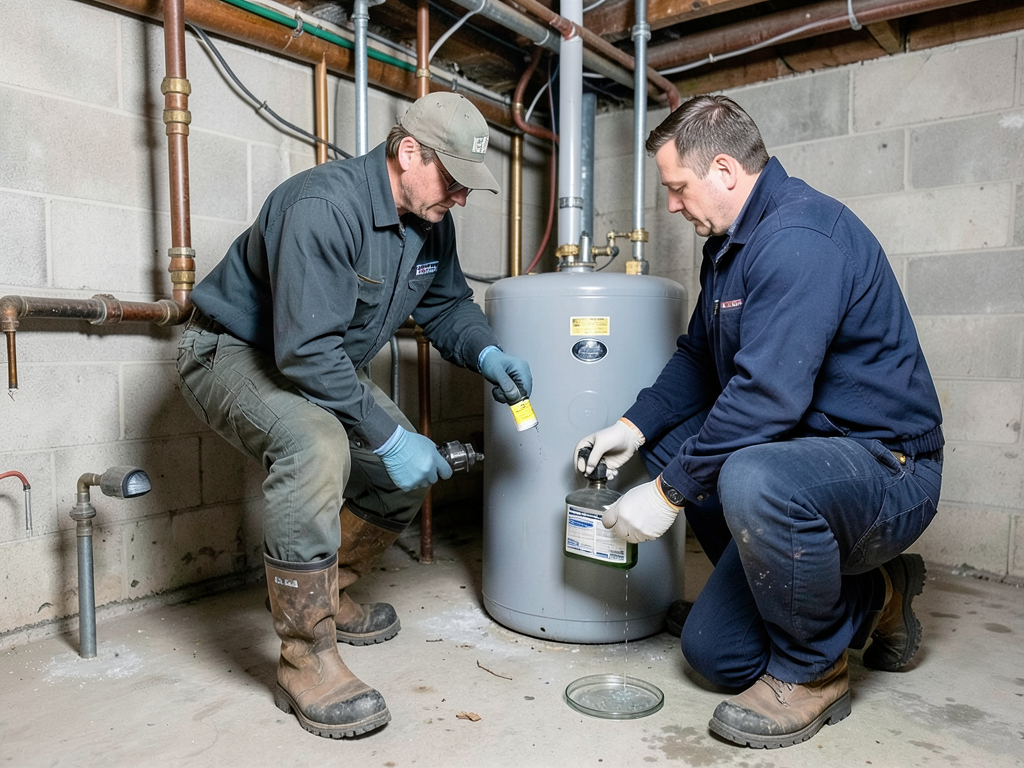
Baltimore's municipal water supply averages 8 to 12 grains per gallon hardness, classified as moderately hard to hard water. This mineral content accelerates scale buildup on heat exchangers and tank interiors. Commercial operations with high water turnover compound the problem. A restaurant using 300 gallons daily introduces significantly more mineral deposits than residential users. The Chesapeake watershed's natural calcium and magnesium levels create limescale that reduces heat transfer efficiency by 15 to 25 percent within two years without proper maintenance. Industrial hot water systems serving multiple fixtures require water treatment solutions including softeners or scale inhibitors to protect investment and maintain efficiency ratings.
Baltimore's commercial plumbing infrastructure varies dramatically by neighborhood age and building type. Inner Harbor developments built after 2000 feature modern mechanical rooms designed for current equipment. Older industrial areas like Locust Point and Curtis Bay contain buildings with steam boiler systems requiring complete retrofits. Keystone Plumbing Baltimore navigates these challenges daily. We understand Baltimore City's commercial permitting process, inspection requirements, and code interpretations specific to different zoning districts. We maintain relationships with local suppliers for rapid equipment delivery when failures threaten business operations. Our familiarity with Baltimore's building stock allows accurate project scoping and realistic timeline commitments.