Menu

24/7 Basement Flooding Pump-Out in Baltimore – Emergency Response Within 60 Minutes

When your basement floods, every minute counts. Our rapid basement flooding pump-out crews dispatch immediately across Baltimore's neighborhoods to extract standing water, stop structural damage, and protect your property from mold and electrical hazards before they escalate.

Slider Image 1
Slider Image 2
Slider Image 3
Slider Image 4
Slider Image 5
Slider Image 7
Slider Image 8
Slider Image 9
Slider Image 10
Slider Image 11

Why Baltimore Basements Flood Without Warning

Your basement is underwater. You are panicking. This is not your fault.

Baltimore sits in a flood-prone zone where the Patapsco River, Jones Falls, and Chesapeake Bay tributaries create persistent hydrostatic pressure beneath older row homes and post-war split-levels. When spring storms dump two inches of rain in an hour, the city's combined sewer system overflows. Stormwater backs up through floor drains. Sump pumps fail. You wake up to six inches of standing water.

The clay-heavy soils in neighborhoods like Canton, Highlandtown, and Mount Washington expand when saturated, cracking foundation walls and creating new seepage points. Many Baltimore homes were built before modern waterproofing standards existed. Their aging sewer laterals collapse under tree root intrusion. When these systems fail during a nor'easter or summer cloudburst, you need emergency basement water removal immediately.

Standing water is not just a mess. It is a biological hazard. Within 24 hours, mold colonies begin forming on drywall and wood framing. Within 48 hours, sewage contamination creates Category 3 blackwater conditions that require professional remediation. Electrical panels in flooded basements become shock hazards. Your HVAC system, water heater, and furnace are at risk of total failure.

You cannot wait until morning. You need a flooded basement extraction service that understands Baltimore's unique drainage challenges and responds now, not when it is convenient.

Every hour you delay, the damage compounds. Keystone Plumbing Baltimore specializes in emergency flood pumping that stops the crisis before your basement becomes a total loss.

Why Baltimore Basements Flood Without Warning
How Professional Basement Water Pump Out Service Works

How Professional Basement Water Pump Out Service Works

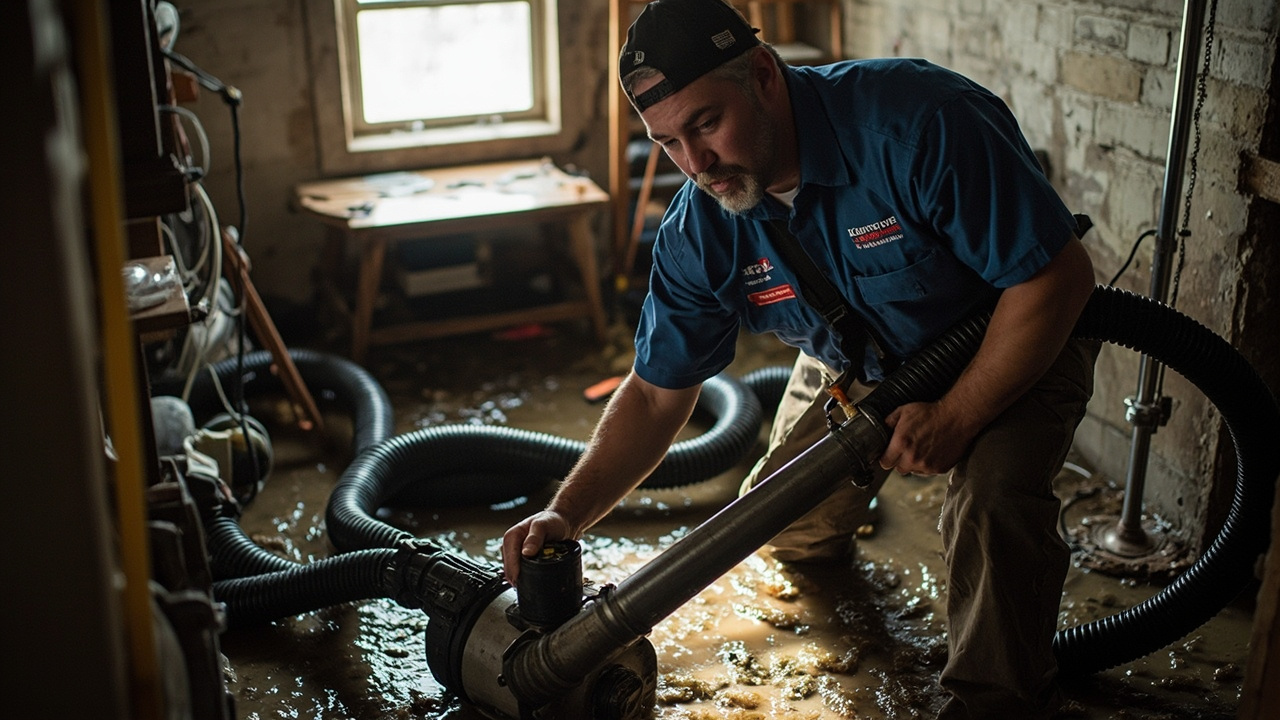
We do not show up with a shop-vac and hope for the best. Our flooded basement water removal services use industrial submersible pumps rated for 3,000 to 5,000 gallons per hour, depending on the volume and contamination level.

When our crew arrives, the first priority is safety. We verify the main electrical panel is not submerged and shut off power to affected circuits. We assess whether the water is clean (broken supply line), gray (appliance discharge), or black (sewage backup). This determines the extraction method and protective equipment required.

For clean water flooding from a failed sump pump or burst pipe, we deploy electric submersible pumps with debris-handling impellers. For sewage backups, we use pneumatic diaphragm pumps that can handle solids without clogging. We position discharge hoses to drain water away from the foundation, not back toward your home.

While pumps run, we remove soaked materials. Cardboard boxes disintegrate. Carpeting becomes a bacterial sponge. We extract standing water from carpet padding using truck-mounted extractors, then pull the padding entirely if sewage is present. We document the damage for your insurance claim with photos and moisture readings.

After extraction, we set up commercial dehumidifiers and air movers to dry structural elements. Concrete takes 28 days to cure, but it holds moisture for months after flooding. We use penetrating moisture meters to measure water content in foundation walls, floor joists, and subflooring. If readings exceed 17 percent, we continue drying to prevent mold amplification.

We do not just pump and leave. We identify why the basement flooded. Failed check valve. Broken sewer ejector. Inadequate sump capacity. You get a written assessment of the root cause and a repair plan to prevent recurrence.

What Happens During Emergency Basement Extraction

24/7 Basement Flooding Pump-Out in Baltimore – Emergency Response Within 60 Minutes
01

Immediate Dispatch and Assessment

You call our emergency line at (443) 443-9099 and speak directly to a technician, not an answering service. We ask three questions: Is anyone in danger? Is the water rising? Where is your electrical panel? We dispatch a crew with pumps, extractors, and moisture detection equipment. Our trucks carry generators in case power is out. You get an ETA within five minutes of your call.
02

Water Extraction and Contamination Control

We position submersible pumps at the lowest point of your basement and begin extraction. For sewage contamination, we isolate affected areas with plastic sheeting to prevent cross-contamination. We remove unsalvageable materials immediately and bag them for disposal. Our extractors pull water from carpets and padding using high-velocity suction. We monitor pump discharge to verify water is cleared from the foundation perimeter, not pooling near exterior walls.
03

Structural Drying and Root Cause Diagnosis

After visible water is gone, we measure moisture content in walls, floors, and framing with calibrated hygrometers. We place industrial dehumidifiers and air movers to accelerate evaporation. We inspect your sump system, floor drains, and foundation cracks. You receive a written diagnosis of what failed and why, along with a repair quote to prevent future flooding. We coordinate with your insurance adjuster if a claim is filed.

Why Baltimore Homeowners Trust Our Basement Pump-Out Crews

You need someone who understands how Baltimore homes are built. Most of the housing stock in neighborhoods like Fells Point, Remington, and Hampden predates 1950. These row homes have shallow foundations with minimal drainage systems. The party walls share moisture. When one basement floods, the adjacent unit is at risk.

Our technicians know the quirks of these older homes. We know that many Baltimore basements have cast iron sewer lines that corrode from the inside out. We know that homes near the harbor deal with tidal groundwater intrusion during king tides. We know that Charles Village properties built on spring-fed land require aggressive perimeter drainage.

We also understand Baltimore's plumbing code requirements. If your sump pump failed because it lacked a battery backup, we install a code-compliant system with an audible alarm. If your sewer lateral backflowed, we help you navigate the city's Sewer Backup Tax Credit program for qualified repairs.

When you call a national franchise, you get a call center in another state and a subcontractor who may or may not know Baltimore. When you call Keystone Plumbing Baltimore, you get a crew that has pumped out hundreds of flooded basements in this city. We know which neighborhoods flood first during storms. We know the soil composition. We know the drainage patterns.

You also get honesty. If your homeowner's insurance will not cover the damage, we tell you upfront. If the flooding was caused by deferred maintenance, we explain what repairs are critical and what can wait. We do not upsell you on services you do not need.

Speed matters, but so does doing it right. We extract the water, dry the structure, and fix the problem so it does not happen again next spring.

What You Can Expect During a Basement Flooding Emergency

Response Time and Availability

We operate 24 hours a day, seven days a week, including holidays. When you call (443) 443-9099 at 2:00 AM during a storm, a technician answers, not a voicemail. We dispatch crews within 60 minutes to most Baltimore neighborhoods. Our trucks are pre-loaded with pumps, hoses, and drying equipment so we do not waste time returning to the shop. If you are in an active flooding emergency, we prioritize your call over scheduled service appointments. We understand that basement flooding does not wait for business hours.

Initial Assessment and Safety Inspection

When we arrive, we conduct a safety inspection before entering the basement. We check for electrical hazards, structural instability, and gas leaks. We test the water with contamination meters to determine if it is clean, gray, or black water. We document the water level, affected areas, and damaged materials with photos for your insurance claim. We explain the extraction process, estimated timeline, and next steps before we begin work. You will know exactly what we are doing and why.

Thorough Extraction and Drying

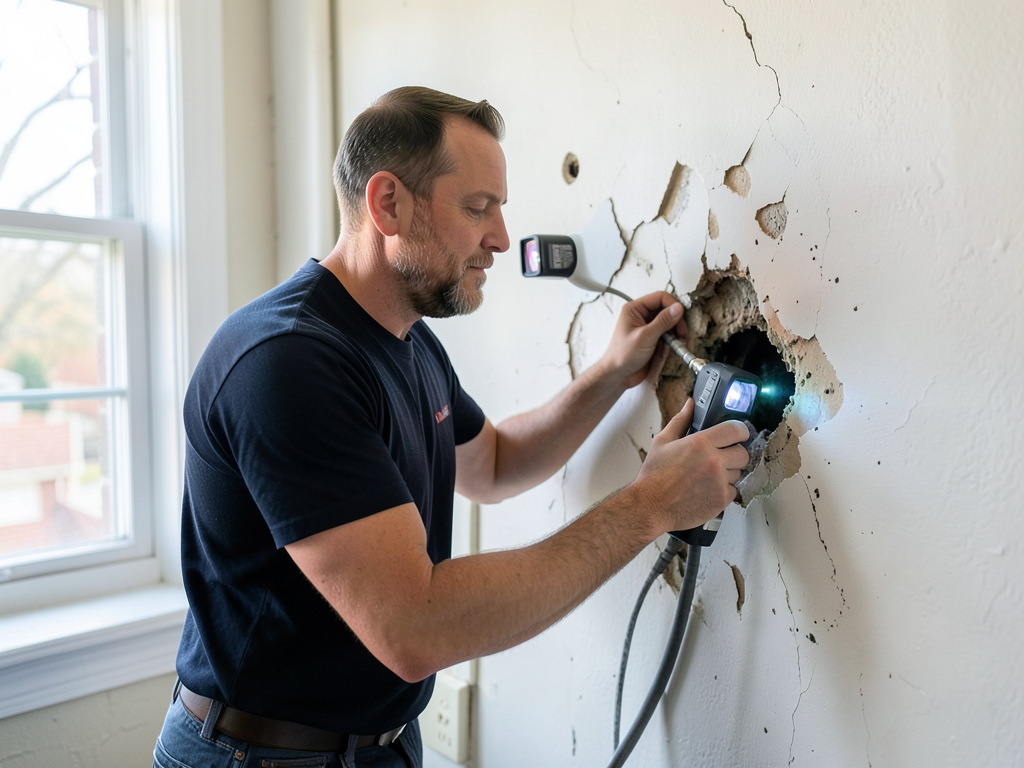
We do not stop at pumping out visible water. We use thermal imaging cameras to detect trapped moisture in wall cavities and under flooring. We remove waterlogged insulation, drywall, and padding that cannot be salvaged. We position air movers to create cross-ventilation and dehumidifiers to pull moisture from the air. We monitor moisture levels daily until readings confirm the structure is dry. You get a basement that is safe to rebuild, not a mold farm waiting to happen.

Root Cause Repair and Prevention

Pumping out water is only half the job. We identify why your basement flooded and fix it. If your sump pump failed, we install a new system with battery backup. If your sewer line backed up, we clear the blockage and inspect for cracks or root intrusion. If foundation cracks are leaking, we coordinate with waterproofing contractors. We provide a written repair plan with prioritized recommendations so you can prevent future flooding. You also get a follow-up call after the next major storm to verify the repairs held.

Frequently Asked Questions

You Have Questions,
We Have Answers

How to pump water out of a flooded basement? +

Stop the water source first if you can. Turn off power to the basement at the breaker before entering standing water. Use a submersible pump for deep water or a wet-dry vacuum for shallow flooding. Start pumping from the lowest point. If water is more than a few inches, pump gradually to prevent foundation stress. Baltimore homes with older foundations need slow drainage to avoid cracking. Remove furniture and belongings while pumping. Call a professional if water keeps rising or you lack equipment. Standing water damages floors and promotes mold within 24 to 48 hours.

How much does it cost to pump out a flooded basement? +

Pump-out costs vary based on water depth, basement size, and urgency. Expect to pay more for emergency 24-hour service. Extraction alone ranges from a few hundred dollars for minor flooding to over a thousand for severe cases. Baltimore homes with finished basements face higher costs due to furniture removal and flooring damage. Additional expenses include mold remediation, structural drying, and repairs. Insurance may cover some costs depending on the flood source. Get multiple quotes if time allows, but do not delay if water is actively damaging your home or creating health hazards.

How long will it take to pump the water out of the basement? +

Pump time depends on water volume and pump capacity. A standard submersible pump removes roughly 1,800 to 3,000 gallons per hour. A small basement with a few inches of water clears in one to three hours. Severe flooding with several feet of standing water can take six to twelve hours or longer. Baltimore homes with below-grade basements or clay soil drainage issues may see slower removal. Never rush the process. Pumping too fast stresses foundation walls and risks collapse. Professionals monitor the process and adjust speed based on your home's structural needs.

How to remove 2 inches of water from a basement? +

Two inches of water seems minor but holds hundreds of gallons in a typical basement. Use a wet-dry shop vacuum for small areas or a submersible utility pump for faster removal. Position the pump at the lowest spot. Remove soaked rugs, boxes, and stored items immediately. Baltimore's high humidity slows drying, so run dehumidifiers and fans after pumping. Wipe down walls and floors to prevent mold. If water entered through cracks or the sump pit, address the source before it refloods. Quick action prevents permanent damage to drywall, flooring, and stored belongings.

What to do immediately after a basement flood? +

Safety first. Turn off electricity to the basement at your main panel before entering. Do not touch electrical outlets or appliances in standing water. Document the damage with photos for insurance claims. If water is rising or you cannot stop the source, call emergency plumbing help immediately. Remove valuables and furniture if safe to do so. Start pumping water as soon as power is secured. Baltimore homes near the Inner Harbor or in flood-prone neighborhoods should act fast. Contact your insurance company within 24 hours. Mold begins growing quickly in Maryland's humid climate.

What kind of pump do I need for a flooded basement? +

You need a submersible utility pump rated for solids if debris is present. Choose a pump with at least a quarter-horsepower motor for moderate flooding. Severe basement floods require half-horsepower or larger pumps with higher gallons-per-hour capacity. A sump pump works for ongoing seepage but lacks power for major flooding. Battery backup sump pumps help during power outages common in Baltimore storms. Rent heavy-duty pumps from equipment suppliers if you lack one. Professionals bring industrial-grade pumps that clear water faster and handle sewage backups safely. Never use a standard garden pump for basement flooding.

Will insurance pay for a flooded basement? +

Coverage depends on the flood cause. Homeowners insurance covers sudden internal failures like burst pipes or water heater leaks. It does not cover groundwater seepage, sewer backups, or external flooding without separate endorsements. Baltimore homeowners near streams or in FEMA flood zones need flood insurance through the National Flood Improvement Program. Sewer backup riders cover drain overflows. File claims immediately and document everything with photos. Insurance adjusters need proof of damage and cause. Review your policy now before flooding happens. Many Baltimore residents lack adequate coverage for basement water events.

Do plumbers fix flooded basements? +

Yes. Licensed plumbers handle basement flooding caused by plumbing failures like burst pipes, sump pump breakdowns, or sewer backups. They pump out water, identify the source, and make repairs. Plumbers also install backwater valves to prevent future sewer overflows, common in older Baltimore neighborhoods with combined storm systems. They coordinate with water damage restoration teams for drying and mold prevention. If flooding stems from external groundwater or foundation cracks, you may also need a waterproofing contractor. Call a plumber first for any plumbing-related flood to stop the source and begin water removal immediately.

Will a flooded basement dry on its own? +

No. Standing water does not dry on its own fast enough to prevent damage. Baltimore's humidity slows evaporation and accelerates mold growth. Water seeps into drywall, insulation, and subflooring within hours. Concrete floors trap moisture for weeks without mechanical drying. Leaving water creates structural damage, rot, and health hazards. You need pumps, dehumidifiers, and air movers to dry a basement properly. Even after visible water disappears, hidden moisture remains. Professional moisture meters detect trapped water in walls and floors. Ignoring a flooded basement guarantees expensive repairs and potential mold remediation costs later.

How likely is mold after water damage? +

Mold grows within 24 to 48 hours after water exposure in Baltimore's humid climate. If you pump and dry within that window, mold risk drops. Porous materials like drywall, carpet, and insulation absorb water fast and often need replacement. Non-porous surfaces like concrete can be cleaned and dried. High humidity above 60 percent feeds mold spores. Use dehumidifiers to drop moisture below 50 percent. Check hidden areas like wall cavities and under flooring. Professional mold testing identifies invisible growth. Quick water removal and thorough drying are your best defense against costly mold remediation.

How Baltimore's Combined Sewer System Drives Basement Backups

Baltimore operates one of the oldest combined sewer systems in the country, where stormwater and sewage flow through the same pipes. During heavy rain, the system exceeds capacity and backflows into basement floor drains. Neighborhoods in South Baltimore, Brooklyn, and Curtis Bay experience chronic backups during nor'easters. Emergency basement water removal becomes critical because this water is contaminated with raw sewage, requiring specialized extraction protocols. Standard sump pumps cannot handle sewage solids, and exposure creates serious health risks. You need flooded basement extraction service that treats the water as hazardous waste, not just a nuisance.

Working in Baltimore means understanding local plumbing code amendments, the Department of Public Works stormwater management requirements, and how to navigate insurance claims for sewer backup coverage. Many homeowners do not realize their policy excludes sewer backups unless they purchased the optional rider. We help you document the loss correctly and coordinate with adjusters who understand Baltimore's flooding patterns. Choosing a local emergency flood pumping provider means you work with technicians who know the city's infrastructure, not a national chain reading from a script.
Plumbing Services in The Baltimore Area

Discover our conveniently located service hub, strategically positioned to ensure rapid response times across the region. While our office welcomes inquiries, our skilled technicians are typically out in the field, ready to bring our expertise directly to your doorstep. We are committed to serving the entire area efficiently, making sure expert plumbing assistance is always just a call away, wherever you are.

Address:
Keystone Plumbing Baltimore, 312 N Martin Luther King Jr Blvd, Baltimore, MD, 21201

Additional Services We Offer

Our news updates

Latest Articles & News from The Blogs

Adding a Luxury Wet Bar to Your Rooftop Deck in South Baltimore Imagine sipping a cocktail on your rooftop deck…

Adding a Luxury Wet Bar to Your Rooftop Deck in South Baltimore

Adding a Luxury Wet Bar to Your Rooftop Deck in South Baltimore Imagine sipping a cocktail on your rooftop deck…

Finding and Fixing Hidden Slab Leaks Under Your Beverly Hills Home

Finding and Fixing Hidden Slab Leaks Under Your Beverly Hills Home A hidden slab leak can silently destroy your Beverly…

How to Repair a Leaky Shower Valve in Your Cross Keys Condo

How to Repair a Leaky Shower Valve in Your Cross Keys Condo Living in the Village of Cross Keys means…

Contact Us

Your basement is flooding while you read this. Call (443) 443-9099 now. Our trucks are loaded and ready to dispatch. We answer immediately, arrive within the hour, and stop the crisis before it becomes a catastrophe. Do not wait.