Menu

Signs You Need Sewer Repair in Baltimore – Expert Diagnosis Prevents Major Property Damage

Keystone Plumbing Baltimore identifies warning signs of main sewer line issues before they escalate into foundation damage, sewage backups, or health hazards in your Baltimore home.

Slider Image 1
Slider Image 2
Slider Image 3
Slider Image 4
Slider Image 5
Slider Image 7
Slider Image 8
Slider Image 9
Slider Image 10
Slider Image 11

Baltimore's Aging Infrastructure and How It Affects Your Main Sewer Line

Baltimore homeowners face a hidden threat beneath their properties. The city's aged sewer infrastructure, combined with the region's shifting clay soil and freeze-thaw cycles, creates perfect conditions for main sewer line failure. Many homes in neighborhoods like Canton, Federal Hill, and Roland Park still have original clay pipe or cast iron lines installed decades ago. These materials deteriorate over time, and Baltimore's soil conditions accelerate the damage.

You might notice slow drains throughout your home, not just in one fixture. That's a symptom of a broken sewer line downstream. Gurgling sounds when you flush the toilet or use the washing machine indicate air trapped in the system because the main line cannot vent properly. Persistent sewer odors in your yard or basement point to cracks or breaks in the line. Standing water or soggy patches in your yard, especially near the property line, signal a leak in the buried pipe. These indicators of sewer line damage demand immediate attention.

The most alarming warning signs of main sewer line issues include multiple fixture backups. When you flush the toilet and water backs up into your shower drain, the blockage sits in your main line. How to tell if your sewer pipe is broken becomes obvious when you see sewage surfacing in your yard or backing up into floor drains during heavy rain. Baltimore's heavy spring rains and winter snow melt put extra pressure on compromised lines. Ignoring sewer line failure symptoms leads to foundation settlement, contaminated soil, and expensive emergency excavation. Early detection saves you thousands in property damage and restoration costs.

Baltimore's Aging Infrastructure and How It Affects Your Main Sewer Line
Our Diagnostic Process for Identifying Sewer Line Damage

Our Diagnostic Process for Identifying Sewer Line Damage

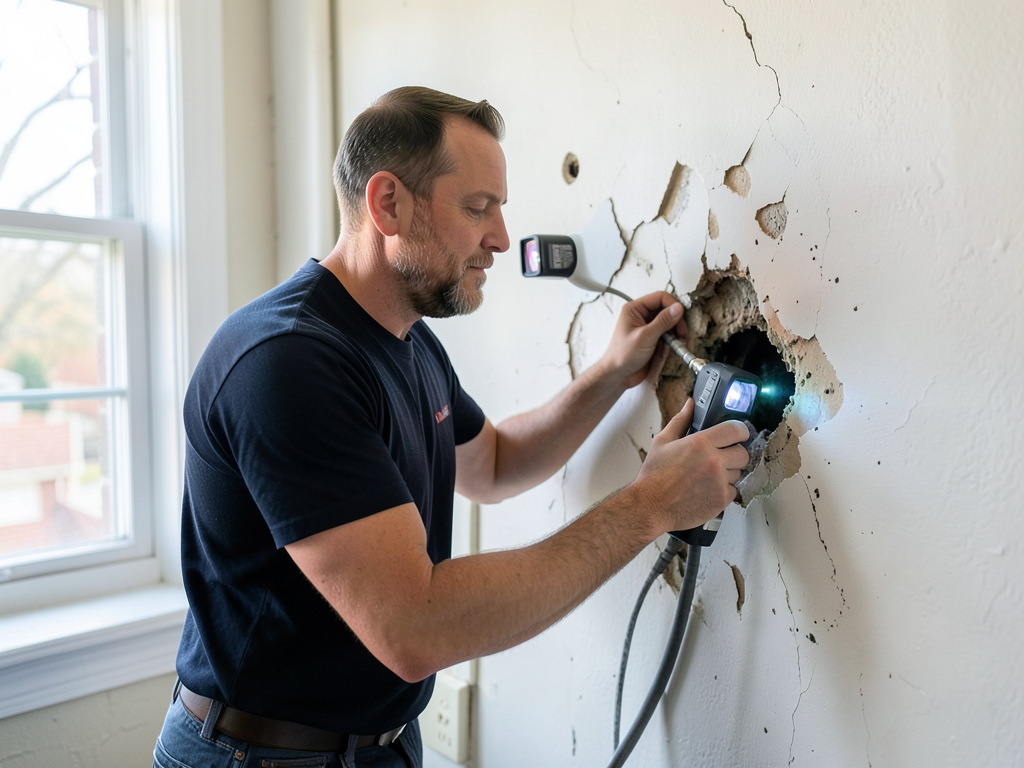
We start every sewer line assessment with a high-definition camera inspection. Our technicians feed a waterproof inspection camera through your cleanout or a drain line to view the entire pipe from inside. This shows us the exact location and severity of cracks, root intrusion, collapsed sections, or severe scale buildup. We record the footage so you can see what we see. No guesswork. No unnecessary digging.

Baltimore's clay soil shifts with moisture changes, which stresses rigid pipe connections. We look specifically for offset joints where sections of pipe have separated due to ground movement. Tree roots from the city's mature canopy seek moisture and infiltrate through any crack or joint. Once inside, roots expand and create complete blockages or break the pipe apart. Our camera identifies root masses and their entry points.

We also use hydrostatic testing when we suspect a leak but cannot locate it visually. We seal off a section of pipe, fill it with water, and monitor pressure. A pressure drop confirms a leak. We then use acoustic leak detection equipment to pinpoint the exact location without excavation. This matters in Baltimore's dense urban blocks where digging access is limited and restoration costs are high.

For older properties with suspected bellied pipe, where sections have sunk and create low spots that trap waste, we measure slope with the camera system. Proper sewer line pitch is one quarter inch per foot. Anything less creates chronic slow drains and eventual blockages. We document everything and provide a detailed report with repair or replacement options based on what we find. You get facts, not sales pressure.

What Happens During Your Sewer Line Assessment

Signs You Need Sewer Repair in Baltimore – Expert Diagnosis Prevents Major Property Damage
01

Initial System Evaluation

We locate your main cleanout and review your property's drainage history. Our technician asks about specific symptoms you've noticed, when they started, and how frequently they occur. We check municipal records for the pipe material and installation date if available. This background helps us focus the camera inspection on likely failure points and understand what we're dealing with before we start.
02

Camera Inspection and Documentation

We insert the inspection camera through the cleanout and navigate the entire main line from your home to the city connection. The camera head has a locating transmitter so we can mark surface positions of any damage. We record everything and take still images of problem areas. You see root intrusion, cracks, corrosion, or collapsed sections in real time. This documentation supports your insurance claim if needed.
03

Report and Repair Options

We provide a written report with camera footage, damage locations marked on a property diagram, and detailed repair recommendations. You get options ranging from spot repair to full line replacement, with explanations of each approach. We outline which method works best for your specific damage type and property layout. You decide how to proceed with complete information. No pressure, no upselling.

Why Baltimore Properties Require Local Sewer Line Expertise

Baltimore's unique combination of old housing stock, clay soil, and strict city codes demands local knowledge. Many rowhomes in neighborhoods like Fells Point and Hampden share common walls and extremely tight side yards. Accessing sewer lines in these properties requires specialized equipment and techniques that generic plumbing companies don't understand. We work in these conditions daily.

The city's Department of Public Works has specific requirements for sewer lateral repairs and replacements. Any work on the line between your home and the city main requires permits and inspections. The repair must meet current code even if the original installation predates those requirements. We handle all permit applications and schedule required inspections. You don't deal with city bureaucracy.

Baltimore's Chesapeake Bay watershed regulations also affect sewer work. Any excavation requires erosion control measures and proper restoration to prevent stormwater runoff contamination. We implement these controls automatically because we know the regulations. Out-of-area contractors often miss these requirements and face stop-work orders.

We also understand the insurance claim process for Baltimore properties. Many homeowners have sewer line coverage as a rider on their homeowner's policy. Our detailed camera inspection reports include everything your insurance adjuster needs to approve the claim. We document pre-existing conditions versus new damage. We work with adjusters regularly and know what they require.

Most importantly, we know which repair method works best for different pipe materials common in Baltimore. Clay pipe requires different handling than cast iron or Orangeburg. We match the repair technique to your specific pipe type and soil conditions. This ensures the repair lasts and doesn't fail again in six months.

What to Expect During Your Sewer Line Assessment

Same-Day Assessment Availability

We schedule camera inspections within 24 hours of your call. Most assessments take two to three hours depending on line length and access points. You get same-day results. We don't make you wait days for an appointment while sewage backs up into your home. For active backups or emergencies, we respond immediately to stop the damage. Our trucks carry inspection equipment at all times. You can use your plumbing system normally during the inspection unless you have an active backup. We work around your schedule including evenings and weekends.

Comprehensive Camera Inspection Protocol

Our inspection covers the entire main sewer line from your home's foundation to the city connection point. We inspect every foot of pipe and document all conditions, not just obvious damage. The camera system measures pipe diameter, identifies material type, and maps distances from access points. We locate all joints, connections, and transition points. If we cannot navigate a section due to severe blockage, we clear the blockage first and then complete the inspection. You receive a USB drive with the complete video file and still images of damage areas for your records and insurance purposes.

Detailed Findings and Clear Options

We explain findings in plain language and show you the actual camera footage. You see exactly what we see. We mark damage locations on your property with pin flags so you understand where problems exist. Our written report breaks down each issue by severity and consequence. You get repair options with realistic explanations of what each approach involves. We explain which repairs qualify as emergency versus which can be scheduled. We never pressure you to choose the most expensive option. Our goal is proper repair based on actual conditions, not maximum profit.

Post-Repair Verification and Documentation

After any repair or replacement work, we perform a final camera inspection to verify proper installation and function. This post-repair inspection confirms the line flows correctly, joints are sealed, and no damage occurred during installation. You get video proof that the work was completed correctly. We provide all inspection reports, permits, and city approval documentation for your property records. This documentation increases your home's value and provides proof of maintenance for future buyers. We also offer annual maintenance inspections to catch new problems before they become emergencies.

Frequently Asked Questions

You Have Questions,
We Have Answers

What are four signs that your sewer line is broken? +

Four clear signs point to a broken sewer line. First, **multiple drains backing up at once** indicates a main line issue, not just a single fixture clog. Second, **sewage odors inside or outside your home** signal a crack or break. Third, **lush patches of grass or sunken areas in your yard** suggest leaking wastewater is fertilizing or eroding soil. Fourth, **gurgling sounds from toilets or drains** mean air is entering through a break. Baltimore's older clay pipes and freeze-thaw cycles make breaks more common. If you notice two or more signs, call a licensed plumber immediately.

How do you know if you have sewer problems? +

You have sewer problems when **toilets back up**, especially when flushing other fixtures. Watch for **slow drains throughout the house**, not just one sink. **Foul sewage smells** near drains or in your basement are red flags. You might see **standing water in your yard** or near the foundation. **Rodents or insects** around drains can enter through damaged pipes. Baltimore's aging infrastructure and tree roots from older neighborhoods make sewer issues common. If multiple fixtures act up simultaneously, the problem is in your main line. Do not ignore these warning signs. Schedule a camera inspection to diagnose the exact issue.

Does homeowners insurance cover main sewer line repair? +

Most homeowners insurance **does not cover** main sewer line repair. Standard policies exclude damage from wear, neglect, or gradual deterioration. They may cover sudden, accidental damage like a tree falling on the line. **Optional sewer line endorsements** add coverage for about 50 to 200 dollars yearly. Some Baltimore homeowners purchase **separate service line protection** through their utility. Review your policy carefully. If your sewer line is over 40 years old or made from clay or Orangeburg pipe, consider adding coverage. Prevention through regular inspections saves money compared to emergency repairs.

How to know if a sewer line needs to be replaced? +

A sewer line needs replacement when **repairs become frequent**, indicating systemic failure. **Age matters**: clay and Orangeburg pipes over 50 years old often require replacement. **Camera inspection** reveals cracks, root intrusion, or collapsed sections. If **more than 50 percent of the pipe** shows damage, replacement beats patching. **Persistent backups** after cleaning suggest structural problems. Baltimore's older neighborhoods often have original clay lines vulnerable to tree roots and shifting soil. **Bellied or sagging sections** that trap waste cannot be repaired. A licensed plumber can compare trenchless replacement versus traditional excavation based on your property layout and pipe condition.

How much does it cost to fix a collapsed sewer line? +

Fixing a collapsed sewer line varies widely based on access, depth, and method. **Traditional excavation** costs more due to restoration work. **Trenchless methods** like pipe bursting or lining reduce surface disruption. Location matters. Lines under driveways or near Baltimore's historic foundations cost more. Depth increases labor. Permits add fees. Your property's soil type affects excavation difficulty. Baltimore's clay soil can complicate digging. Most collapsed lines require full replacement, not just patching. Get three written estimates. Ask about **trenchless options** to minimize yard damage. Factor in landscape restoration costs if excavation is necessary.

What is the average lifespan of a sewer line? +

Sewer line lifespan depends on material. **Cast iron lasts 50 to 75 years** but corrodes from the inside. **Clay pipes last 50 to 60 years** but crack easily from tree roots and ground shifting. **Orangeburg pipes**, common in Baltimore post-war homes, last only 30 to 50 years and collapse when saturated. **PVC pipes last over 100 years** and resist corrosion. Baltimore's freeze-thaw cycles and older housing stock mean many homes have aging clay or cast iron lines nearing end of life. Regular camera inspections after year 40 help you plan for replacement before emergency failure occurs.

How much does it cost to have your sewer line inspection? +

Sewer line camera inspections typically cost 200 to 400 dollars in Baltimore. Price varies by line length and accessibility. Plumbers insert a waterproof camera on a flexible cable through a cleanout. You get **real-time video** showing cracks, roots, blockages, or bellied sections. Many companies provide a **recorded video and written report** pinpointing problems by footage distance. Some plumbers waive inspection fees if you proceed with repairs. If you are buying an older Baltimore home, especially pre-1970, get an inspection before closing. This preventive step reveals hidden problems and helps you negotiate repairs or budget for replacement.

How to tell if your main sewer line is clogged? +

A clogged main sewer line shows distinct symptoms. **Multiple fixtures back up**, especially lower-level drains and toilets. **Flushing the toilet causes bathtub drains to gurgle or fill**. **Water backs up in floor drains** when running washing machines or showers. **Toilets bubble when using sinks**. The clog is between your house and the street connection. Baltimore's older clay pipes attract tree roots that create blockages. Pouring drain cleaner will not help. You need professional hydro jetting or mechanical augering. If backups happen frequently, camera inspection reveals whether roots, grease buildup, or pipe damage causes the problem.

How do plumbers find sewer leaks? +

Plumbers use **camera inspection** to find sewer leaks. A waterproof camera on a cable travels through the line, revealing cracks, joint separation, or root intrusion. **Smoke testing** pumps non-toxic smoke into the line. Smoke escaping through cracks pinpoints leak locations. **Dye testing** traces colored water to find where it surfaces. For underground leaks, plumbers use **acoustic listening devices** that detect the sound of water escaping under pressure. In Baltimore's older neighborhoods, plumbers also look for **soggy spots, sinking pavement, or unusually green grass patches** above the sewer line. Technology eliminates guesswork and targets repairs precisely without unnecessary excavation.

Who is responsible for a broken sewer pipe? +

Responsibility depends on where the pipe breaks. **You own from your house to the property line or street connection point**. The city owns the main sewer in the street. In Baltimore, homeowners typically own the **lateral line** running from the house to the city main. Check your property deed or call Baltimore City Department of Public Works to confirm the connection point. If tree roots from city property damage your line, you still pay for repairs in most cases. **Service line protection programs** through utilities can offset costs. Older Baltimore homes often have unclear connection points, so verify ownership before paying for repairs.

Why Baltimore's Clay Soil and Aging Infrastructure Create Sewer Line Emergencies

Baltimore sits on Maryland's Piedmont Plateau where heavy clay soil dominates. This clay expands when wet and shrinks during dry periods, creating constant ground movement that stresses rigid sewer pipes. The city's infrastructure dates back over a century in many neighborhoods. Clay pipe and cast iron lines from the 1920s through 1960s were never designed to flex with soil movement. Joints separate, pipes crack, and roots infiltrate. Baltimore's freeze-thaw cycles compound the damage. Water infiltrates small cracks, freezes, and expands, turning hairline cracks into complete breaks. Spring thaw brings heavy runoff that washes soil away from pipes, leaving them unsupported and prone to collapse. These conditions make Baltimore particularly vulnerable to sewer line failure.

Keystone Plumbing Baltimore has worked in every neighborhood from Mount Vernon to Locust Point. We understand the specific pipe materials and installation methods used in different eras of the city's development. We know which blocks still have shared laterals that require coordination with neighbors. We maintain relationships with city inspectors and know current code requirements. When you call a national chain or out-of-state contractor, they learn your property's challenges on your dime. We already know. We stock parts and equipment specific to Baltimore's common pipe types. We understand the permit process and city connection requirements. Local expertise prevents costly mistakes and ensures repairs meet all current code requirements.
Plumbing Services in The Baltimore Area

Discover our conveniently located service hub, strategically positioned to ensure rapid response times across the region. While our office welcomes inquiries, our skilled technicians are typically out in the field, ready to bring our expertise directly to your doorstep. We are committed to serving the entire area efficiently, making sure expert plumbing assistance is always just a call away, wherever you are.

Address:
Keystone Plumbing Baltimore, 312 N Martin Luther King Jr Blvd, Baltimore, MD, 21201

Additional Services We Offer

Our news updates

Latest Articles & News from The Blogs

Adding a Luxury Wet Bar to Your Rooftop Deck in South Baltimore Imagine sipping a cocktail on your rooftop deck…

Adding a Luxury Wet Bar to Your Rooftop Deck in South Baltimore

Adding a Luxury Wet Bar to Your Rooftop Deck in South Baltimore Imagine sipping a cocktail on your rooftop deck…

Finding and Fixing Hidden Slab Leaks Under Your Beverly Hills Home

Finding and Fixing Hidden Slab Leaks Under Your Beverly Hills Home A hidden slab leak can silently destroy your Beverly…

How to Repair a Leaky Shower Valve in Your Cross Keys Condo

How to Repair a Leaky Shower Valve in Your Cross Keys Condo Living in the Village of Cross Keys means…

Contact Us

Call Keystone Plumbing Baltimore at (443) 443-9099 for a comprehensive sewer line camera inspection. We provide same-day service and detailed reports with clear repair options. Stop guessing and see exactly what's happening in your sewer line.