Menu

Water Heater Maintenance Tips in Baltimore | Prevent Costly Failures Before Baltimore's Hard Water and Cold Winters Take Their Toll

Get expert water heater maintenance tips designed for Baltimore's challenging water conditions and seasonal temperature swings. Learn how to extend tank life, prevent sediment buildup, and avoid emergency replacements.

Slider Image 1
Slider Image 2
Slider Image 3
Slider Image 4
Slider Image 5
Slider Image 7
Slider Image 8
Slider Image 9
Slider Image 10
Slider Image 11

Why Baltimore Water Heaters Fail Faster Without Proper Maintenance

Baltimore's municipal water supply contains higher mineral content than many surrounding regions. This hard water accelerates sediment accumulation inside your tank, reducing efficiency and shortening lifespan. When calcium and magnesium particles settle at the bottom of the tank, they create an insulating layer that forces the heating element to work harder. This wastes energy and leads to premature component failure.

The city's temperature swings compound the problem. Winter months force water heaters to work overtime, heating incoming water that drops to near-freezing temperatures in uninsulated basement pipes. This constant thermal stress weakens tank integrity and wears out thermostats faster than in milder climates.

Most Baltimore homeowners ignore hot water heater upkeep until something breaks. You notice the shower running cold or find water pooling near the tank. By then, you face emergency replacement costs instead of simple preventative maintenance expenses.

A proper water heater care checklist addresses Baltimore-specific challenges. Flushing sediment buildup every six months prevents the mineral layer from calcifying. Testing the pressure relief valve prevents dangerous tank ruptures. Checking the anode rod stops internal corrosion before it eats through the steel tank wall.

Your hot water tank maintenance schedule should account for local water hardness. Homes in Canton, Fells Point, and other older neighborhoods with original plumbing face accelerated wear. The combination of hard water and aging supply lines creates the perfect conditions for rapid deterioration. Understanding these factors helps you prevent problems instead of reacting to failures.

Why Baltimore Water Heaters Fail Faster Without Proper Maintenance
The Essential Water Heater Maintenance Schedule for Baltimore Homes

The Essential Water Heater Maintenance Schedule for Baltimore Homes

Preventative water heater maintenance follows a specific sequence. Start with a visual inspection every three months. Look for rust stains on the tank exterior, moisture around pipe connections, and corrosion on the pressure relief valve. These early warning signs tell you when components need attention before they fail completely.

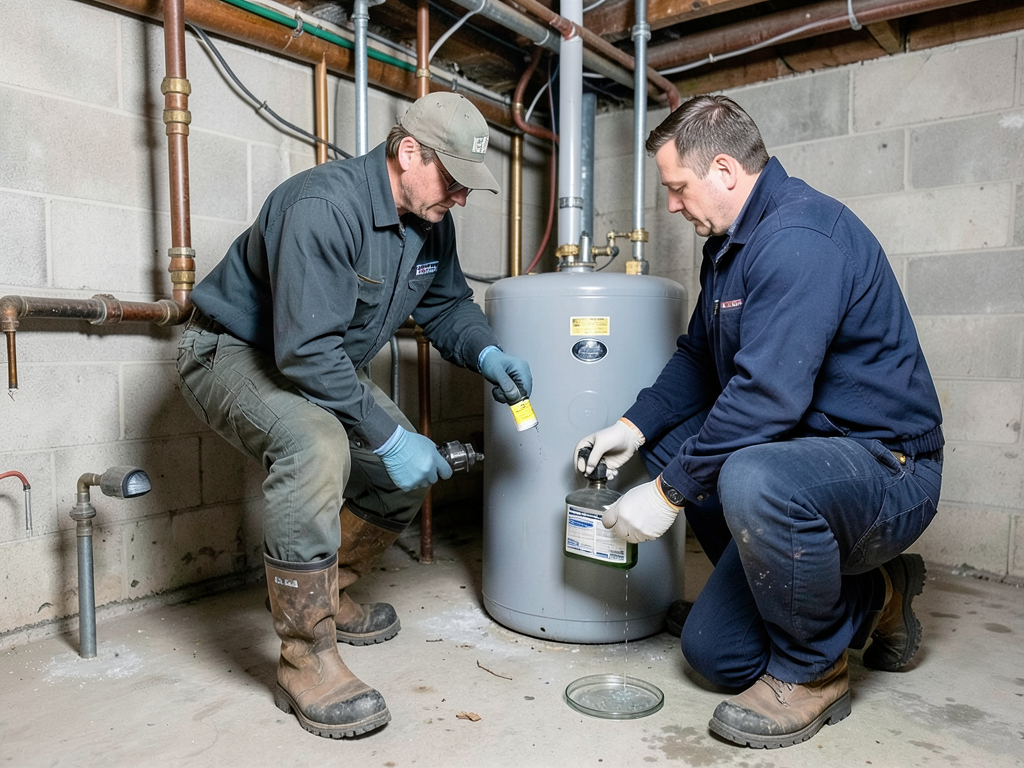
Every six months, drain three to five gallons from the tank through the drain valve. This removes settled sediment without requiring a full flush. For Baltimore's hard water, you need a complete tank flush annually. Attach a garden hose to the drain valve, shut off the cold water inlet, and drain the entire tank. Sediment will flow out in cloudy bursts. Keep draining until the water runs clear.

Test the temperature and pressure relief valve twice per year. Lift the lever and let it snap back. You should hear water discharge into the overflow pipe. If nothing happens, the valve has failed and creates a safety hazard. Replace it immediately.

The anode rod requires inspection every two to three years. This sacrificial component attracts corrosive elements that would otherwise attack the tank. When the rod deteriorates to less than half an inch thick or the core wire becomes exposed, you need a replacement. Most Baltimore homeowners never check this part until the tank starts leaking.

Check your thermostat setting seasonally. Summer temperatures allow you to reduce the setting to 120 degrees. Winter demand requires 130 degrees to maintain adequate hot water supply. Higher settings waste energy and accelerate sediment baking onto heating elements.

Gas water heaters need annual burner inspection. Look for yellow flames instead of blue, which indicates incomplete combustion and potential carbon monoxide production. Clean the air intake screen and verify proper venting.

How to Implement Your Water Heater Care Checklist

Water Heater Maintenance Tips in Baltimore | Prevent Costly Failures Before Baltimore's Hard Water and Cold Winters Take Their Toll
01

Initial System Assessment

Start by recording your water heater's age, model number, and current condition. Check the manufacturer label for the installation date. Most tanks last eight to twelve years in Baltimore's water conditions. Document any existing rust, leaks, or unusual noises. This baseline helps you track deterioration patterns and plan replacement timing. Take photos of the pressure relief valve, drain valve, and all visible connections for future comparison.
02

Monthly and Seasonal Tasks

Set calendar reminders for specific maintenance intervals. Monthly tasks include visual inspections and temperature checks. Quarterly work involves testing the pressure relief valve and inspecting for leaks. Biannual maintenance includes partial tank draining and thermostat adjustment. Annual tasks require full tank flushing, anode rod inspection, and complete system evaluation. Create a maintenance log to track each completed task. This documentation helps identify patterns and proves maintenance history if warranty claims become necessary.
03

Professional Verification and Support

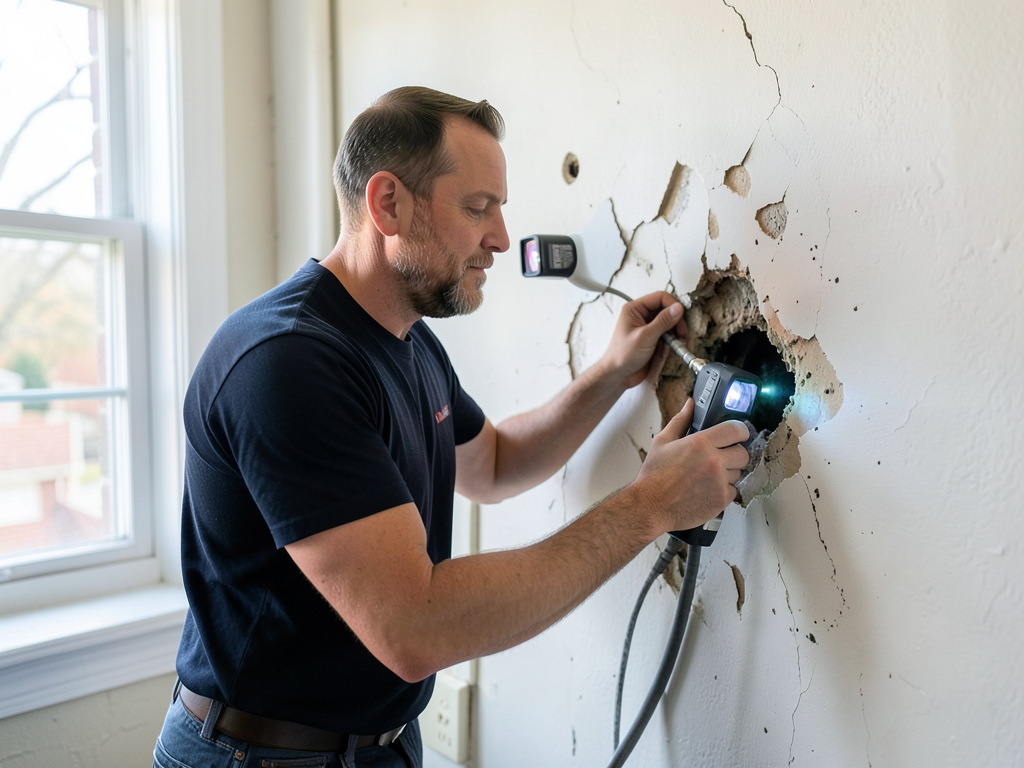
Even with diligent homeowner maintenance, schedule professional inspection every two years. A licensed plumber brings testing equipment you lack, including combustion analyzers for gas units and thermal imaging cameras that reveal hidden tank deterioration. Professional verification catches problems your visual inspection misses. Technicians assess whether your maintenance schedule adequately addresses your specific water quality and usage patterns. This partnership between homeowner diligence and professional expertise maximizes tank lifespan and prevents emergency failures.

Why Baltimore Homeowners Trust Local Expertise for Water Heater Maintenance

Baltimore's water chemistry varies significantly across neighborhoods. Homes near the Inner Harbor face different challenges than properties in Mount Washington or Hampden. Local plumbers understand these geographic variations because they work in your specific area every day. They know which streets have the hardest water, which neighborhoods experience the most sediment buildup, and which areas suffer from corrosive supply line issues.

City building codes require specific venting configurations for gas water heaters in attached row homes. The close proximity of shared walls and limited ventilation options create unique installation requirements. Out-of-town contractors often miss these local code nuances, leading to failed inspections and expensive corrections.

Keystone Plumbing Baltimore has maintained water heaters throughout the city's diverse housing stock. We know that Formstone-covered row homes in East Baltimore trap humidity differently than detached homes in Roland Park. We understand how unfinished basements in older neighborhoods create different maintenance needs than modern mechanical rooms in new construction.

Your hot water tank maintenance schedule needs to reflect Baltimore's seasonal patterns. The freeze-thaw cycles of January and February put maximum stress on tanks and connections. Summer humidity accelerates external corrosion in poorly ventilated basement spaces. Local expertise means understanding these timing factors and scheduling maintenance to prevent seasonal failures.

We also know which water heater brands perform best in Baltimore conditions. Some manufacturers engineer their anode rods specifically for hard water environments. Others use tank linings that resist the chemical composition of Baltimore's municipal supply. This knowledge helps you make informed decisions when maintenance reveals that replacement makes more sense than continued repairs.

Trust matters when someone accesses your home's mechanical systems. Local companies maintain reputations in the communities they serve. We see our customers at the grocery store, at neighborhood events, and around town. That accountability drives quality work.

What Professional Water Heater Maintenance Delivers

Comprehensive Inspection Timeline

Professional water heater maintenance takes ninety minutes to two hours for a complete evaluation. The technician arrives with specialized tools including tank flushing equipment, anode rod removal sockets, pressure testing gauges, and combustion analyzers for gas units. You receive a detailed report covering tank condition, component wear, safety compliance, and projected remaining lifespan. This thorough assessment identifies problems in their early stages when repairs cost less than emergency replacements. Schedule maintenance during off-peak seasons for faster service and more flexible appointment times.

Detailed Component Evaluation

The evaluation process examines every critical component. Technicians measure anode rod deterioration, test pressure relief valve operation, inspect heating element condition, evaluate thermostat accuracy, check for tank corrosion, examine vent systems on gas units, test drain valve function, and assess overall installation quality. Thermal imaging reveals hot spots that indicate internal scaling or element failure. Combustion analysis on gas heaters ensures safe operation and optimal efficiency. Water quality testing determines whether your maintenance schedule needs adjustment for local conditions. This diagnostic approach catches problems before they cause water damage or system failure.

Measurable Performance Improvement

Proper maintenance delivers quantifiable results. Sediment removal restores heating efficiency, reducing energy consumption by fifteen to twenty percent. Anode rod replacement extends tank life by three to five years. Pressure relief valve testing prevents tank rupture and water damage. Thermostat calibration ensures consistent hot water temperature and eliminates the cold shower surprise. You notice faster hot water recovery after heavy use, lower utility bills, and quieter operation. Most importantly, you avoid the expense and inconvenience of emergency replacement. A well-maintained water heater operates reliably for its full expected lifespan instead of failing prematurely.

Ongoing Support and Documentation

Professional maintenance includes detailed service records that document every inspection, repair, and component replacement. This documentation proves valuable for warranty claims, home sales, and insurance purposes. You receive a customized maintenance schedule based on your specific water quality, usage patterns, and equipment age. Many homeowners establish annual service agreements that provide priority scheduling, maintenance reminders, and discounted service rates. This relationship ensures your water heater receives consistent attention instead of being forgotten until something breaks. You gain a resource for questions about system performance, upgrade options, and efficiency improvements.

Frequently Asked Questions

You Have Questions,
We Have Answers

What maintenance needs to be done on a water heater? +

Water heaters need routine flushing to remove sediment buildup from Baltimore's hard water supply. Check the temperature and pressure relief valve every six months by lifting the lever briefly to ensure proper function. Inspect the anode rod annually. This sacrificial component prevents tank corrosion and typically needs replacement every three to five years. For gas units, examine the burner and venting system for blockages or rust. Adjust the thermostat to 120 degrees to prevent scalding and reduce energy costs. Baltimore's humid summers and cold winters stress water heaters, making consistent maintenance critical for longevity.

What happens if you don't flush your water heater? +

Skipping flushes allows sediment from Baltimore's mineral-heavy water to harden at the tank bottom. This layer insulates water from the heating element, forcing your unit to work harder and spiking energy bills. You will hear popping or rumbling sounds as water bubbles through the sediment crust. Corrosion accelerates as the protective glass lining breaks down, leading to leaks and premature tank failure. Sediment clogs the drain valve, making future maintenance nearly impossible. In severe cases, the tank overheats and triggers the pressure relief valve repeatedly. Neglected water heaters in Baltimore often fail years before their expected lifespan.

How often should I flush a water heater? +

Flush your water heater annually in Baltimore. The Chesapeake Bay watershed contributes calcium and magnesium to municipal water, accelerating sediment formation. Homes with well water or older cast iron pipes may need flushing every six months due to higher mineral content and rust particles. If you notice reduced hot water volume, longer heating times, or strange noises, flush immediately regardless of schedule. Commercial properties or large families using high volumes of hot water benefit from biannual maintenance. Mark your calendar each spring to align with HVAC tune-ups, creating a comprehensive home systems check before summer humidity strains equipment.

Can I do water heater maintenance myself? +

You can perform basic water heater maintenance if you are comfortable with tools and safety protocols. Testing the pressure relief valve, adjusting the thermostat, and visual inspections require no special skills. Flushing the tank involves connecting a garden hose and draining water, which most homeowners handle successfully. However, anode rod replacement requires specific socket wrenches and clearance above the tank. Gas water heaters involve combustion components that demand professional attention for safety. Baltimore's older housing stock often has corroded connections or non-standard installations that complicate DIY work. If you encounter stuck valves or leaks, stop immediately and call a licensed plumber.

Can I flush my water heater myself? +

Yes, you can flush your water heater yourself with basic preparation. Turn off power or gas, close the cold water inlet valve, and attach a garden hose to the drain valve. Route the hose to a floor drain or outside, away from landscaping. Open a hot water faucet upstairs to allow air into the system, then open the drain valve. Expect cloudy, rust-colored water initially. Baltimore's sediment-heavy water may clog the valve, requiring multiple short bursts rather than continuous flow. If the valve refuses to open or close completely, you have identified a repair need before a catastrophic failure.

Should I flush a 7 year old water heater? +

Absolutely flush a seven-year-old water heater, especially in Baltimore where sediment accumulates aggressively. You are approaching the average lifespan of standard tank water heaters, making maintenance more critical than ever. If you have never flushed this unit, proceed carefully. The drain valve may be partially blocked, and decades of sediment could have weakened the tank lining. Expect significant debris and discolored water. This flush reveals the true condition of your heater. If water does not run clear after 15 minutes or the tank makes loud cracking sounds, start budgeting for replacement rather than risking a basement flood.

How to tell if your hot water heater needs to be flushed? +

Your water heater signals flush needs through clear symptoms. Listen for popping, crackling, or rumbling noises as water heats. This sound indicates sediment buildup forcing steam bubbles through mineral layers. Notice reduced hot water volume or longer recovery times between showers. Baltimore families often report running out of hot water faster than normal. Check for rust-colored hot water at faucets, indicating internal corrosion. Feel the tank exterior. Unusual hot spots suggest uneven heating from sediment insulation. Inspect around the base for moisture or mineral deposits, early leak warnings. Any of these signs demand immediate flushing or professional inspection.

Is flushing the same as draining? +

Flushing and draining serve different purposes. Draining empties the tank completely through the drain valve, typically before moving, freezing weather protection, or replacement. Flushing involves opening both the drain valve and cold water inlet simultaneously, creating flow that stirs up and carries out sediment. Think of draining as emptying a bucket versus flushing as running a hose through it to clean debris. Baltimore plumbers recommend true flushing rather than simple draining because stagnant water does not remove hardened sediment layers. Quick drains before vacation miss the maintenance benefit of agitating and evacuating mineral deposits that damage your tank.

Does flushing remove all sediment? +

Flushing removes loose sediment and suspended particles but rarely eliminates all buildup. Years of neglect create hardened scale that bonds to the tank bottom, resisting water flow. Baltimore's hard water forms particularly stubborn calcium deposits. A proper flush clears 70 to 90 percent of sediment, significantly improving efficiency and reducing noise. Completely removing all deposits requires tank removal and power washing, which is impractical and unnecessary. Regular annual flushing prevents hardening, keeping sediment soft and removable. If your first flush produces minimal debris, you likely have hardened layers that will not dislodge. Professional descaling treatments exist for severe cases.

How much do plumbers charge to flush a water heater? +

Professional water heater flushing in Baltimore typically costs between $100 and $200 for standard tank units. Prices vary based on tank size, accessibility, and sediment severity. Heavily neglected heaters requiring multiple flush cycles or drain valve replacement cost more. Many Baltimore plumbers bundle flushing with annual inspections, checking the anode rod, testing safety valves, and examining venting systems for better value. Emergency service calls or same-day requests increase rates. Some companies offer maintenance plans covering annual flushes and priority scheduling. Factor in your time, potential for stuck valves, and warranty protection when comparing DIY savings to professional service.

How Baltimore's Hard Water and Row Home Construction Impact Water Heater Lifespan

Baltimore's water supply contains dissolved minerals that accelerate tank deterioration faster than the national average. The city's treatment plants serve diverse neighborhoods with varying pipe ages and conditions, creating inconsistent water chemistry across different areas. Row home construction presents additional challenges. Limited ventilation in narrow mechanical spaces traps humidity that corrodes tank exteriors. Shared walls restrict access for maintenance and repairs. Basement locations common in older neighborhoods expose tanks to temperature fluctuations and occasional flooding. These factors combine to reduce average tank lifespan by two to three years compared to suburban installations. Your hot water heater upkeep schedule must account for these local conditions to maximize equipment longevity.

Baltimore's housing diversity demands local plumbing knowledge. Historic neighborhoods like Federal Hill and Butcher's Hill contain plumbing systems installed decades ago. Canton and Fells Point row homes share mechanical chases with neighboring properties. Modern developments in Harbor East feature different installation standards than renovated warehouses in Remington. Local plumbers navigate these variations daily. We understand city permit requirements, know which inspectors cover specific neighborhoods, and maintain relationships with local supply houses that stock parts for older equipment. This embedded knowledge ensures your water heater maintenance meets both manufacturer specifications and Baltimore building code requirements.
Plumbing Services in The Baltimore Area

Discover our conveniently located service hub, strategically positioned to ensure rapid response times across the region. While our office welcomes inquiries, our skilled technicians are typically out in the field, ready to bring our expertise directly to your doorstep. We are committed to serving the entire area efficiently, making sure expert plumbing assistance is always just a call away, wherever you are.

Address:
Keystone Plumbing Baltimore, 312 N Martin Luther King Jr Blvd, Baltimore, MD, 21201

Additional Services We Offer

Our news updates

Latest Articles & News from The Blogs

Adding a Luxury Wet Bar to Your Rooftop Deck in South Baltimore Imagine sipping a cocktail on your rooftop deck…

Adding a Luxury Wet Bar to Your Rooftop Deck in South Baltimore

Adding a Luxury Wet Bar to Your Rooftop Deck in South Baltimore Imagine sipping a cocktail on your rooftop deck…

Finding and Fixing Hidden Slab Leaks Under Your Beverly Hills Home

Finding and Fixing Hidden Slab Leaks Under Your Beverly Hills Home A hidden slab leak can silently destroy your Beverly…

How to Repair a Leaky Shower Valve in Your Cross Keys Condo

How to Repair a Leaky Shower Valve in Your Cross Keys Condo Living in the Village of Cross Keys means…

Contact Us

Stop waiting for a cold shower to tell you something is wrong. Call Keystone Plumbing Baltimore at (443) 443-9099 to schedule your comprehensive water heater inspection. We will evaluate your system, flush accumulated sediment, test safety components, and create a maintenance schedule that fits Baltimore's unique challenges.