Menu

Preventative Commercial Maintenance in Baltimore – Protect Your Business From Unplanned Downtime

Scheduled commercial plumbing upkeep keeps your Baltimore facility operational, reduces liability exposure, and eliminates emergency service costs through systematic inspections and planned interventions.

Slider Image 1
Slider Image 2
Slider Image 3
Slider Image 4
Slider Image 5
Slider Image 7
Slider Image 8
Slider Image 9
Slider Image 10
Slider Image 11

Why Baltimore Commercial Properties Face Higher Plumbing Failure Rates

Baltimore's aging commercial infrastructure creates compounding risks for business owners. The city's historic Inner Harbor district and Fells Point commercial zones operate with supply lines installed decades before modern building codes took effect. Underground cast iron drain systems corrode faster in Baltimore's brackish groundwater table, which sits unusually high due to proximity to the Patapsco River and Chesapeake Bay watershed.

Commercial facilities in Federal Hill, Canton, and Harbor East face additional challenges from differential ground settlement. The mix of fill soil and marine clay shifts during freeze-thaw cycles, stressing rigid pipe connections and creating hidden leaks that drive up water bills before you notice physical damage.

Most commercial plumbing failures occur between 6 AM and 10 AM when occupancy loads spike. A burst supply line in a Mount Vernon office building or failed backflow preventer in a Hampden restaurant does not wait for convenient timing. Without commercial plumbing maintenance plans, you are gambling on components that operate under constant pressure with zero margin for error.

Routine commercial plumbing inspections identify brass valve deterioration, mineral buildup in heat exchangers, and gasket degradation before they cascade into five-figure emergency repairs. Preventive commercial plumbing services cost a fraction of crisis response, and the ROI becomes clear the first time a scheduled valve replacement prevents a weekend flooding event that would have shut down operations and triggered insurance claims.

Why Baltimore Commercial Properties Face Higher Plumbing Failure Rates
How Systematic Maintenance Protocols Reduce Operational Risk

How Systematic Maintenance Protocols Reduce Operational Risk

Commercial plumbing service agreements function as insurance against the hidden costs of reactive maintenance. Every business day a bathroom is out of service represents lost productivity. Every health department notice for a failed grease trap means revenue loss and reputation damage you cannot recover.

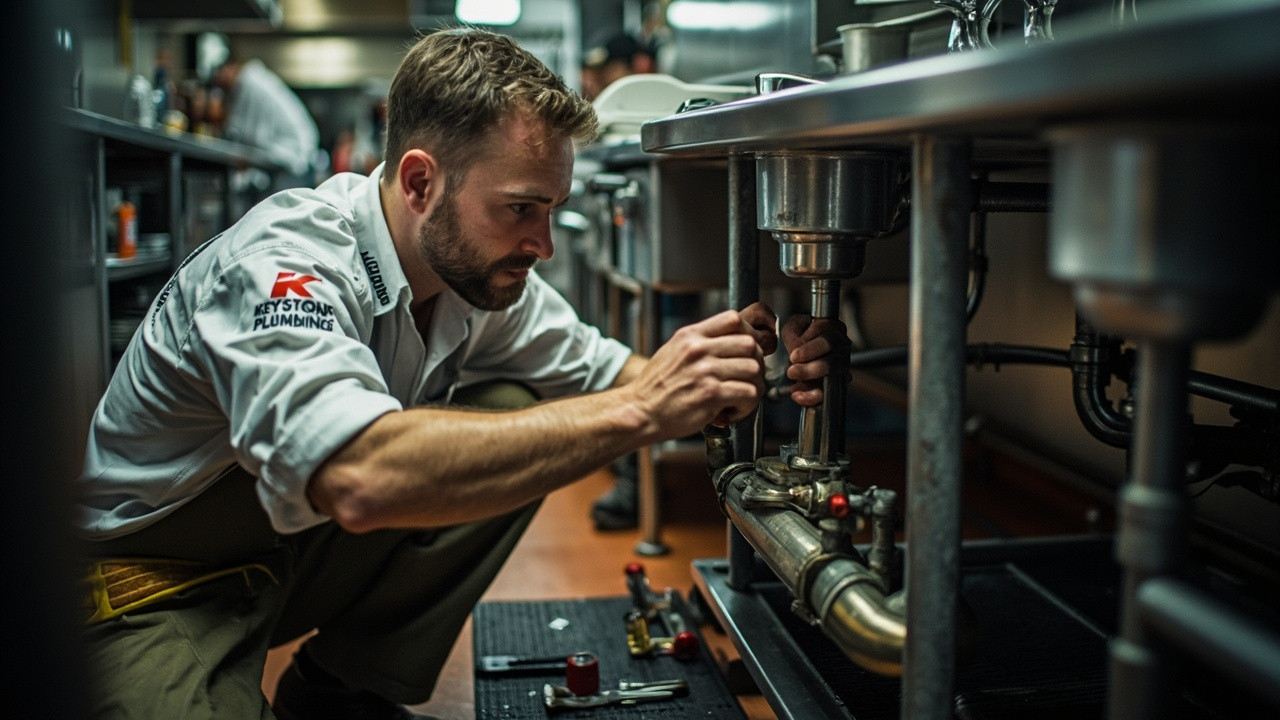
Our approach starts with hydraulic load calculations based on your actual occupancy patterns and fixture counts. We do not use generic checklists. A medical office in Roland Park has different code requirements than a brew pub in Brewers Hill. We map your entire domestic water system, document all shutoff locations, and create facility-specific maintenance schedules based on equipment age, usage intensity, and local water chemistry.

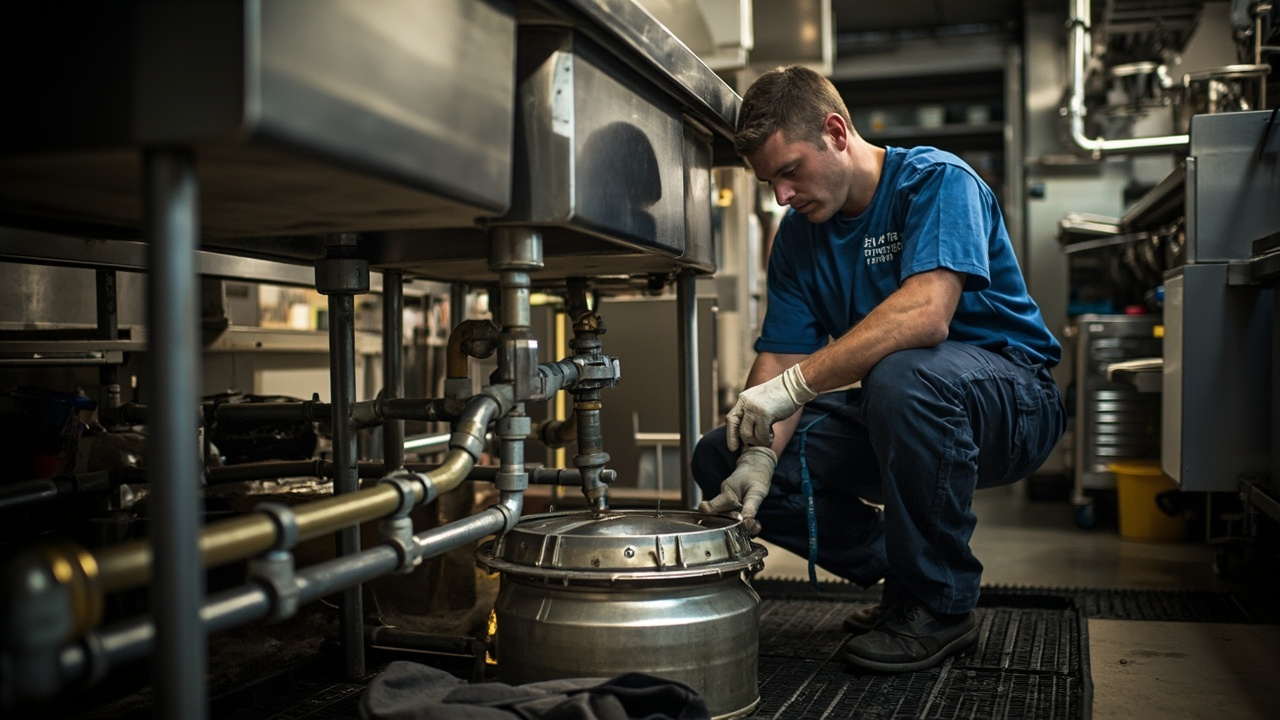
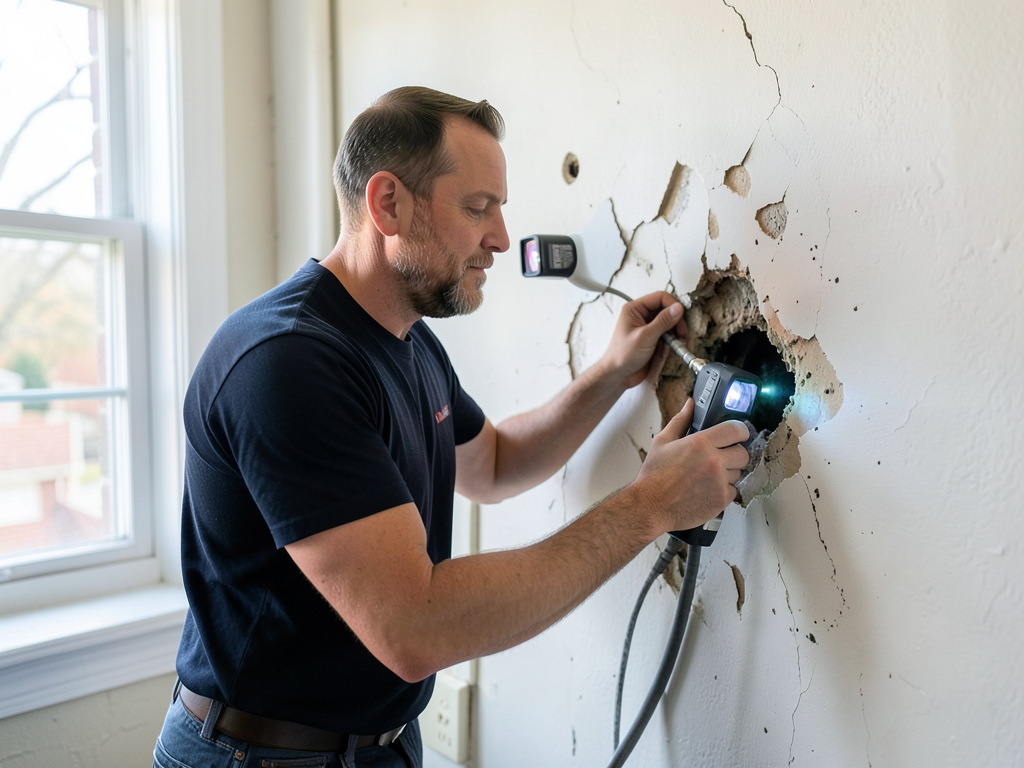
Scheduled commercial plumbing upkeep includes hydrostatic testing of backflow assemblies, infrared scanning of concealed piping for temperature anomalies that indicate restriction, and camera inspection of below-grade drainage where root intrusion from Baltimore's mature street trees commonly causes blockages. We track flushometer diaphragm cycles, monitor water pressure fluctuations that indicate supply line restriction, and measure flow rates at fixture groups to detect developing clogs before they become total blockages.

Documentation matters for liability protection. Every inspection generates a timestamped report with photographic evidence. When a tenant claims negligence after a leak, you have proof of systematic maintenance that demonstrates reasonable care. This documentation also satisfies insurance underwriters who reduce premiums for facilities with verified preventive programs, often recovering the entire cost of commercial plumbing maintenance plans through lower insurance rates alone.

What Happens During Your Scheduled Service Visit

Preventative Commercial Maintenance in Baltimore – Protect Your Business From Unplanned Downtime
01

Comprehensive System Audit

We begin with a complete walkthrough of your facility, testing water pressure at multiple fixture locations, inspecting all visible supply and drain connections, and operating every shutoff valve to verify functionality. Expansion tanks get checked for proper pre-charge pressure, water heaters get tested for anode rod deterioration, and backflow preventers get cycled through test procedures. This audit identifies deferred maintenance items and prioritizes interventions based on failure probability and business impact.
02

Predictive Component Analysis

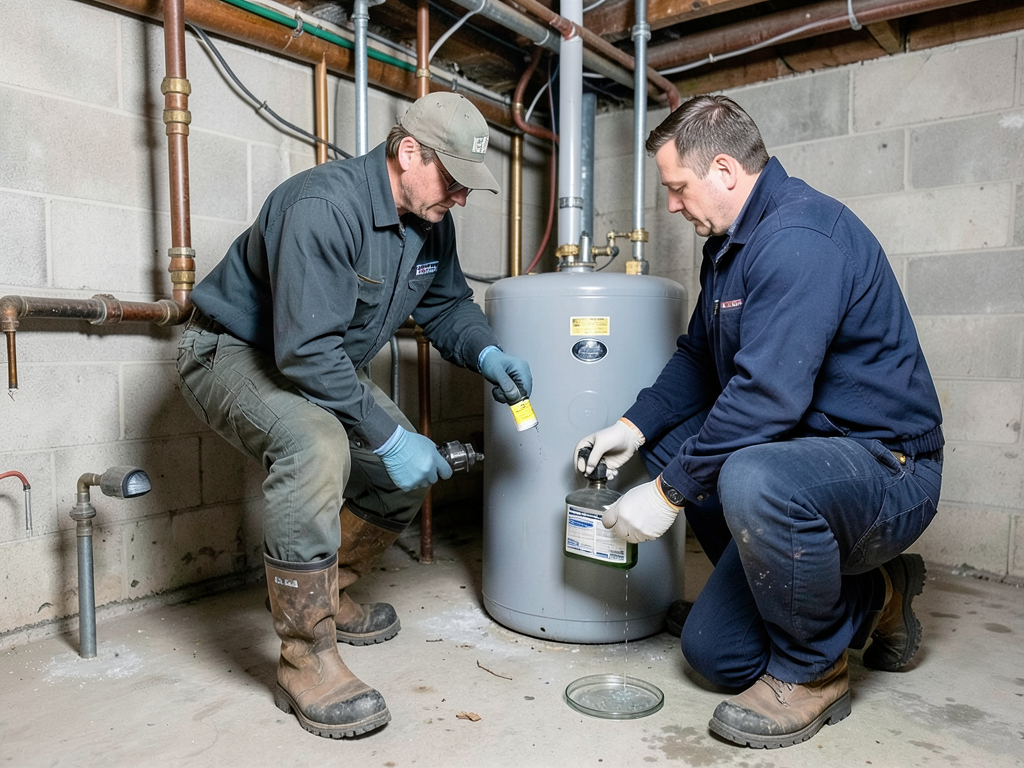
Using diagnostic equipment, we measure actual performance against manufacturer specifications. Booster pumps get amp draw tested to detect bearing wear before seizure occurs. Mixing valves get calibrated to prevent scalding liability. Sump pumps get flow tested and float switches get verified. We extract sediment samples from water heater drain valves to assess scaling rates and predict remaining service life. This data-driven approach eliminates guesswork and lets you budget for replacements during planned downtime instead of emergency shutdowns.
03

Action Plan and Documentation

You receive a prioritized report categorizing findings as immediate safety concerns, items requiring attention within 90 days, and components to monitor. Each item includes photographic documentation, cost estimates for correction, and projected consequences of delay. This transparency lets you make informed decisions about capital expenditures. The documentation becomes part of your facility management records and demonstrates due diligence to insurance carriers, inspectors, and potential property buyers during transactions.

Why Baltimore Businesses Choose Local Plumbing Expertise

Baltimore operates under Maryland state plumbing code with local amendments enforced by the Department of Housing and Community Development. These amendments address specific conditions like the mandatory backflow prevention requirements for any commercial property within the Critical Area boundary of the Chesapeake Bay watershed. A plumber unfamiliar with these overlays can install compliant equipment that still fails local inspection.

Properties in historic districts like Bolton Hill or Otterbein face additional scrutiny. Any exterior work requires Historic Preservation Commission approval, and certain fixtures must maintain period-appropriate appearances while meeting modern code. We navigate these requirements regularly and maintain relationships with local inspectors who know our work meets standards before they arrive on site.

Our familiarity with Baltimore's commercial real estate landscape means we understand building-specific challenges. We know that buildings constructed during the post-war boom used galvanized steel supply lines that are now approaching end-of-life. We recognize the plumbing signatures of specific developers and can predict where problems will emerge based on construction vintage and original contractor.

Response time matters for commercial clients. We stock parts for the most common commercial fixtures and equipment found in Baltimore facilities. When a Sloan flushometer fails in a Locust Point office building, we arrive with the correct diaphragm kit already in the truck. When a Watts backflow preventer needs rebuilding at a Harbor East hotel, we carry the complete service kit and perform the repair during the initial visit instead of requiring a return trip after parts ordering.

What Your Maintenance Agreement Includes

Service Visit Frequency

Commercial plumbing maintenance plans typically include quarterly inspections for standard office buildings, monthly visits for high-volume facilities like restaurants or medical centers, and bi-monthly service for mixed-use properties. Visit frequency depends on fixture count, occupancy intensity, and equipment complexity. Multi-tenant buildings need more frequent attention due to higher usage variation and increased wear rates. We schedule visits during your lowest occupancy periods to minimize disruption. Each visit follows the same systematic protocol, ensuring nothing gets overlooked as technicians rotate. Emergency service requests from plan holders get priority dispatch, and we arrive within two hours for commercial clients during business hours.

Initial Facility Assessment

New commercial plumbing service agreements begin with a comprehensive baseline assessment. We create as-built documentation of your entire plumbing system, noting every shutoff location, documenting all equipment model numbers and installation dates, and photographing current conditions. This baseline lets us track degradation rates over time and predict service life more accurately. The initial assessment typically requires 3-4 hours for a 10,000 square foot facility and generates a complete inventory of every component that will require future attention. You receive digital copies of all documentation, including annotated floor plans showing shutoff locations that facility managers can reference during emergencies.

Measurable Performance Outcomes

Routine commercial plumbing inspections deliver quantifiable benefits. Plan holders typically see 40-60% reductions in emergency service calls within the first year as we catch developing problems during scheduled visits. Water consumption often drops 15-25% after we identify and correct hidden leaks, faulty flushometers, and running toilets. Equipment service life extends when components receive proper maintenance instead of running to failure. The average commercial water heater lasts 8-12 years without maintenance but reaches 15-18 years under scheduled upkeep. These extended service intervals reduce capital expenditure frequency and improve budget predictability for facility managers.

Plan Holder Priority Service

Commercial plumbing service agreements include priority emergency response. When a crisis occurs, plan holders get dispatched ahead of non-contract calls. This priority matters during high-demand periods like winter freeze events when every plumber in Baltimore is overwhelmed with burst pipe calls. Plan holders also receive preferential scheduling for non-emergency repairs and improvement projects. Labor rates for additional work performed outside scheduled maintenance visits receive contracted pricing instead of standard service call rates. This arrangement provides budget stability and eliminates surprise invoicing. Many clients add the annual agreement cost to their operating budgets as a fixed expense and benefit from predictable cash flow throughout the year.

Frequently Asked Questions

You Have Questions,
We Have Answers

What are the 5 types of preventive maintenance? +

The five types of preventive maintenance are time-based maintenance, usage-based maintenance, predictive maintenance, prescriptive maintenance, and condition-based maintenance. Time-based schedules tasks at regular intervals. Usage-based triggers actions after specific operating hours. Predictive uses data analysis to forecast failures. Prescriptive combines data with machine learning to recommend optimal timing. Condition-based monitors equipment in real time to detect anomalies. For commercial buildings in Baltimore, time-based and condition-based approaches work best due to seasonal climate shifts. High humidity and temperature swings stress HVAC systems, making regular inspections critical for avoiding downtime and controlling operating costs.

How much does preventive maintenance cost for commercial HVAC? +

Commercial HVAC preventive maintenance costs vary based on system size, complexity, and building square footage. Smaller systems may require lower investment, while large rooftop units or multi-zone systems cost more. Factors include equipment age, accessibility, and service frequency. Baltimore's humid summers and cold winters increase wear on compressors and heat exchangers, requiring more frequent filter changes and coil cleaning. Most commercial contracts bundle quarterly or monthly visits. Budget for refrigerant top-offs, belt replacements, and sensor calibrations. Skipping maintenance increases energy consumption and shortens equipment life. Request a site assessment to determine your specific needs and establish a predictable annual budget.

What are examples of preventative maintenance? +

Preventative maintenance examples include scheduled filter replacements, belt inspections, lubrication of moving parts, thermostat calibration, and refrigerant level checks. For commercial properties in Baltimore, this means cleaning condenser coils before summer heat arrives and inspecting heat exchangers before winter. You should also check drain pans for algae buildup caused by high humidity, test electrical connections, and verify airflow across all zones. Roof-mounted units require weatherproofing inspections due to freeze-thaw cycles. Regular tasks prevent emergency failures during peak business hours. Documenting each service creates a maintenance history that helps identify recurring issues and supports warranty claims when equipment fails prematurely.

What is considered commercial maintenance? +

Commercial maintenance covers all scheduled and reactive work required to keep business facilities operational. This includes HVAC systems, plumbing infrastructure, electrical panels, roofing, and building controls. Unlike residential work, commercial maintenance focuses on minimizing business interruption and meeting code compliance. In Baltimore, this means addressing humidity control for warehouses, ensuring restaurant grease traps meet health codes, and maintaining backup generators for critical facilities. Commercial contracts typically include emergency response provisions, detailed reporting, and coordination with property managers. The goal is preserving asset value, reducing liability, and maintaining tenant comfort. Scope varies by building type, from office complexes to industrial facilities.

What are the 4 P's of maintenance? +

The four P's of maintenance are Preservation, Prediction, Prevention, and Perfection. Preservation extends equipment lifespan through proper operation and care. Prediction uses data and monitoring to anticipate failures before they occur. Prevention eliminates breakdowns through scheduled inspections and component replacement. Perfection means continuous improvement of maintenance processes to reduce waste and downtime. For Baltimore commercial properties, this framework addresses climate-related challenges. Prediction identifies HVAC components stressed by humid summers. Prevention replaces aging belts before failure. Preservation includes rust prevention on outdoor units exposed to Chesapeake Bay salt air. This systematic approach reduces emergency calls and controls long-term costs.

What is the 10% rule of preventive maintenance? +

The 10% rule of preventive maintenance states that you should allocate 10% of total maintenance resources to preventive tasks rather than reactive repairs. This ratio balances planned maintenance with emergency response capacity. For commercial facilities, investing in scheduled inspections, filter changes, and component replacements prevents costlier breakdowns. In Baltimore's variable climate, this means proactive coil cleaning before cooling season and heat exchanger inspections before heating season. The rule helps budget labor hours and parts inventory. Facilities spending less than 10% on prevention face higher emergency costs, tenant complaints, and shortened equipment life. Track your maintenance spending to ensure adequate preventive investment.

What is the $5000 AC rule? +

The $5,000 AC rule refers to tax code allowing businesses to expense equipment purchases under $5,000 in the year of purchase, rather than depreciating them over time. This applies to individual HVAC components like condensing units, air handlers, or thermostats. For Baltimore commercial properties replacing aging equipment, this threshold affects financial planning. If a rooftop unit costs $4,800, you can deduct the full amount immediately. Units exceeding $5,000 require depreciation schedules. The rule encourages proactive replacement of failing components before catastrophic failure forces emergency purchases. Consult your accountant about current thresholds and eligibility, as tax regulations change.

How often should a commercial HVAC system be serviced? +

Commercial HVAC systems require professional service quarterly at minimum. Baltimore's climate demands seasonal preparation. Schedule spring maintenance before cooling season to clean coils, check refrigerant, and test compressors. Fall service prepares heating systems, inspects heat exchangers for cracks, and tests safety controls. Monthly or bi-monthly visits make sense for high-use facilities like restaurants, hospitals, or data centers where downtime creates immediate liability. Rooftop units exposed to weather require more frequent inspections. Document all service visits to maintain warranty coverage and demonstrate due diligence if equipment fails. Adjust frequency based on system age, operating hours, and business criticality.

What does HVAC preventive maintenance include? +

HVAC preventive maintenance includes filter replacement, coil cleaning, refrigerant level verification, electrical connection tightening, belt inspection and adjustment, thermostat calibration, condensate drain clearing, and airflow measurement. Technicians lubricate motors, test safety controls, inspect ductwork for leaks, and verify correct operating pressures. In Baltimore, humidity control checks prevent mold growth in air handlers. Winter service includes combustion analysis and heat exchanger inspection to prevent carbon monoxide risks. Technicians document baseline performance metrics to identify degradation over time. Comprehensive maintenance reduces energy waste, extends equipment life, and maintains indoor air quality. Each visit should include a written report detailing findings and recommendations.

What qualifies as preventative maintenance? +

Preventative maintenance qualifies as any scheduled task performed to prevent equipment failure rather than repair existing problems. This includes inspections, cleaning, adjustments, lubrication, and component replacement before failure occurs. For commercial properties, qualified maintenance follows manufacturer specifications and industry standards. Tasks must be documented with dates, findings, and corrective actions. In Baltimore, preventative work addresses climate-specific issues like corrosion from humid air, freeze protection for exposed piping, and storm damage prevention. Properly executed preventative maintenance reduces insurance claims, maintains warranty coverage, and demonstrates compliance with building codes. The key difference from reactive maintenance is timing: you act before failure, not after.

How Baltimore's Water Chemistry Accelerates Commercial Equipment Degradation

Baltimore receives municipal water from the Susquehanna River via Liberty Reservoir and Loch Raven Reservoir, creating moderately hard water conditions with elevated mineral content. Commercial equipment like boilers, water heaters, and steam tables accumulate scale deposits faster than in soft water regions. This scaling reduces heat transfer efficiency, increases energy costs, and shortens equipment service life. Preventive commercial plumbing services include scheduled descaling procedures that maintain thermal efficiency and prevent premature equipment replacement. The city's aging distribution infrastructure also contributes iron particles and sediment that clog aerators, restrict valve operation, and damage pressure-reducing valves in high-rise buildings throughout downtown Baltimore.

Baltimore's commercial plumbing code enforcement has intensified following several high-profile Legionella outbreaks in institutional buildings. The Health Department now requires annual testing and documented maintenance for any commercial property with cooling towers or decorative water features. Properties with more than three stories must maintain backflow prevention on domestic water supplies, and those devices require annual certification testing by licensed technicians. Keystone Plumbing Baltimore maintains current certifications for backflow testing and understands the documentation requirements that satisfy both city inspectors and liability insurance carriers. Our systematic approach to commercial plumbing maintenance plans ensures your facility remains compliant with evolving regulations.
Plumbing Services in The Baltimore Area

Discover our conveniently located service hub, strategically positioned to ensure rapid response times across the region. While our office welcomes inquiries, our skilled technicians are typically out in the field, ready to bring our expertise directly to your doorstep. We are committed to serving the entire area efficiently, making sure expert plumbing assistance is always just a call away, wherever you are.

Address:
Keystone Plumbing Baltimore, 312 N Martin Luther King Jr Blvd, Baltimore, MD, 21201

Additional Services We Offer

Our news updates

Latest Articles & News from The Blogs

Adding a Luxury Wet Bar to Your Rooftop Deck in South Baltimore Imagine sipping a cocktail on your rooftop deck…

Adding a Luxury Wet Bar to Your Rooftop Deck in South Baltimore

Adding a Luxury Wet Bar to Your Rooftop Deck in South Baltimore Imagine sipping a cocktail on your rooftop deck…

Finding and Fixing Hidden Slab Leaks Under Your Beverly Hills Home

Finding and Fixing Hidden Slab Leaks Under Your Beverly Hills Home A hidden slab leak can silently destroy your Beverly…

How to Repair a Leaky Shower Valve in Your Cross Keys Condo

How to Repair a Leaky Shower Valve in Your Cross Keys Condo Living in the Village of Cross Keys means…

Contact Us

Stop reacting to plumbing failures and start preventing them. Call (443) 443-9099 to schedule your facility assessment. We will audit your current systems, identify vulnerabilities, and build a maintenance plan that protects your operations and reduces total ownership costs.