Menu

Trenchless Sewer Repair in Baltimore – Minimize Downtime and Keep Your Business Running

Commercial-grade no-dig sewer repair and CIPP lining solutions designed to restore your Baltimore facility's wastewater system without excavating parking lots, disrupting customer access, or shutting down operations for weeks.

Slider Image 1
Slider Image 2
Slider Image 3
Slider Image 4
Slider Image 5
Slider Image 7
Slider Image 8
Slider Image 9
Slider Image 10
Slider Image 11

Baltimore's Aging Underground Infrastructure Puts Commercial Properties at Risk

Baltimore's commercial sewer lines were installed decades before modern trenchless pipe rehabilitation technology existed. Many facilities in Federal Hill, Fells Point, and the Inner Harbor sit above clay-heavy soil that shifts with seasonal moisture changes, crushing aging cast iron and clay pipe. When these lines fail, traditional excavation means torn-up parking lots, blocked loading docks, and weeks of lost revenue while crews dig trenches across your property.

Trenchless sewer repair eliminates the need for extensive excavation. Using no-dig sewer repair methods, technicians access your existing sewer line through small entry points and restore structural integrity from the inside. This approach preserves your asphalt, landscaping, and daily operations. For commercial properties operating on tight margins, trenchless pipe lining means you can address critical infrastructure failures without closing your doors or turning away customers.

Baltimore's Department of Public Works enforces strict tie-in requirements for commercial sewer connections. When your mainline fails, you risk backups that violate health codes and trigger fines. Trenchless sewer replacement allows you to meet compliance standards without the logistical nightmare of traditional dig-and-replace projects. The method works especially well in high-density areas where excavation would block fire lanes or interfere with adjacent businesses.

CIPP sewer repair creates a new pipe within your old one using epoxy-saturated felt liner that cures in place. This technology restores full flow capacity and adds 50-plus years of service life to your wastewater system. You avoid the permit delays, traffic rerouting, and extended timelines that come with open-trench projects.

Baltimore's Aging Underground Infrastructure Puts Commercial Properties at Risk
How No-Dig Technology Solves Commercial Sewer Problems

How No-Dig Technology Solves Commercial Sewer Problems

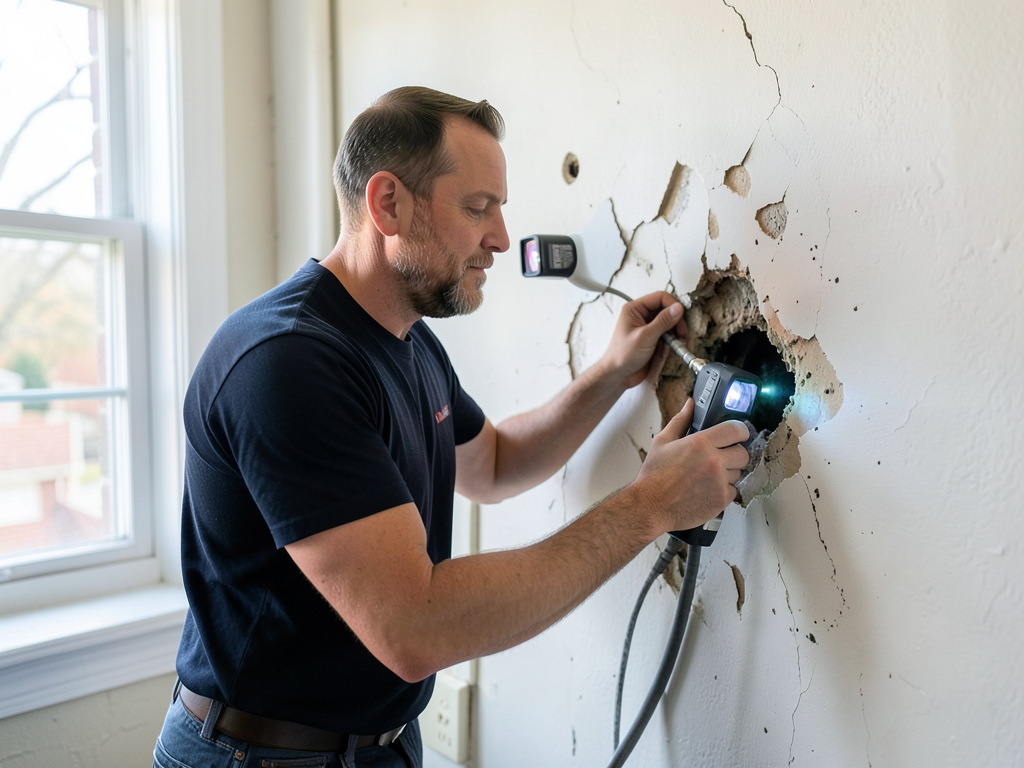
Trenchless pipe lining begins with a high-definition video inspection using push cameras mounted on flexible cable reels. Technicians map the exact location of cracks, root intrusion, offset joints, and corrosion inside your sewer line. This diagnostic phase identifies whether your pipe qualifies for CIPP lining or requires pipe bursting for complete replacement.

CIPP sewer repair works by inserting a resin-saturated liner through an existing access point. The liner travels through your pipe to the damaged section, where it inflates against the pipe walls. Technicians then cure the resin using hot water, steam, or UV light. The result is a seamless, jointless pipe within your old pipe that resists root intrusion and corrosion. This process typically takes one to two days, depending on the length of the run and the number of laterals involved.

For lines too damaged to rehabilitate, pipe bursting offers a trenchless sewer replacement option. Technicians pull a bursting head through your existing pipe, fracturing the old line outward while simultaneously pulling new high-density polyethylene pipe into place. This method works well for upgrading undersized lines or replacing brittle cast iron that has reached the end of its service life.

Both methods require only small access pits at entry and exit points. You avoid the need to excavate your entire parking lot or shut down customer-facing areas. Crews can work around your operating hours, completing most projects during off-peak times to reduce disruption. The finished repair meets Baltimore's plumbing code requirements for commercial installations and provides a long-term solution that eliminates recurring backups and emergency callouts.

What Happens During a Commercial Trenchless Sewer Project

Trenchless Sewer Repair in Baltimore – Minimize Downtime and Keep Your Business Running
01

Video Inspection and Mapping

Technicians run a high-definition camera through your sewer line to locate damage and measure pipe diameter. This footage reveals root intrusion, cracks, belly sections, and connection points. The inspection determines whether your line qualifies for CIPP lining or requires pipe bursting. You receive a detailed report showing exactly what the repair will address and where access points will be located.
02

Liner Installation and Curing

Crews insert the resin-saturated liner through a small access point and position it inside the damaged section. The liner inflates to conform to the pipe walls, and technicians apply heat or UV light to cure the epoxy. This creates a structural pipe within your existing line. The process restores full flow capacity and eliminates leaks without digging trenches across your property.
03

Final Inspection and Cleanup

After the liner cures, technicians run a final camera inspection to verify the repair meets specifications and restores proper flow. Any small access pits are backfilled and compacted, and asphalt patches are applied to match your existing surface. Your sewer system is fully operational, and you avoid the extended downtime and property damage associated with traditional excavation methods.

Why Baltimore Businesses Choose Local Trenchless Specialists

Baltimore's commercial properties present unique challenges that require local expertise. Buildings in Canton, Locust Point, and Harbor East sit on variable soil conditions, and many structures date back to the early 1900s when sewer systems were built with materials that fail after decades of use. Understanding how Baltimore's clay soil shifts during freeze-thaw cycles matters when planning access points and predicting where pipe degradation will occur.

Local trenchless contractors know how to navigate Baltimore's permit requirements and coordinate with the Department of Public Works for work near public right-of-ways. They understand the inspection protocols required for commercial installations and can schedule work around your business hours to minimize disruption. When your sewer line fails, you need a crew that can respond quickly and execute the repair without forcing you to close your facility for weeks.

Trenchless technology reduces your total project cost by eliminating excavation labor, equipment rental, asphalt replacement, and landscaping restoration. You avoid the hidden costs of lost revenue when customers cannot access your parking lot or when your loading dock sits blocked by heavy machinery. For retail locations, restaurants, and medical facilities, maintaining normal operations during repairs directly impacts your bottom line.

Choosing a contractor with commercial trenchless experience means you work with crews who understand the scale and complexity of larger sewer systems. They carry the equipment needed to handle long runs, multiple laterals, and high-volume waste lines. They can coordinate with your property manager, tenants, and city inspectors to keep the project moving without unnecessary delays. You get a permanent repair that protects your property value and eliminates recurring maintenance costs.

What to Expect from a Commercial Trenchless Sewer Repair

Project Timeline and Scheduling

Most commercial trenchless projects complete in one to three days, depending on the length of your sewer run and the number of access points required. Crews can work during off-hours or weekends to avoid disrupting your busiest operating times. You receive a detailed schedule before work begins, and project managers coordinate with your facility staff to minimize impact on tenants and customers. The timeline includes inspection, preparation, installation, curing, and final verification.

Initial Assessment and Diagnostics

The evaluation process starts with a video inspection that maps your entire sewer line from the building connection to the municipal main. Technicians measure pipe diameter, document damage, and identify any code violations or undersized sections. You receive footage showing the interior condition of your line and a written report explaining repair options. This diagnostic phase determines whether CIPP lining will solve your problem or if pipe bursting offers a better solution for your specific situation.

Finished Repair Quality

The completed trenchless repair creates a seamless, jointless pipe that resists root intrusion, corrosion, and cracking. CIPP liners carry structural ratings that meet or exceed the strength of new PVC pipe. The repair restores full flow capacity and eliminates the offset joints and rough interior surfaces that cause recurring blockages. Your property shows minimal evidence of the work, with only small access pits that are backfilled and paved to match existing surfaces.

Post-Repair Documentation and Support

You receive final video documentation showing the completed repair and verifying that your sewer line meets Baltimore's commercial plumbing code requirements. This footage provides proof of compliance for inspections and property transactions. The trenchless method creates a permanent repair that eliminates the need for ongoing maintenance and reduces the risk of future emergency callouts. Your wastewater system operates reliably without the recurring costs associated with temporary patch repairs or chemical root treatments.

Frequently Asked Questions

You Have Questions,
We Have Answers

Is trenchless sewer repair worth it? +

For commercial properties in Baltimore, trenchless sewer repair delivers measurable ROI. You avoid excavation costs, minimize business downtime, and eliminate landscape restoration expenses. The method preserves parking lots, walkways, and critical access points without disrupting operations. Baltimore's aging infrastructure and freeze-thaw cycles make this particularly valuable for older buildings in areas like Federal Hill and Canton. You get a structurally sound repair with less liability exposure, fewer permit complications, and faster project completion. The upfront cost offsets against avoided revenue loss and reduced restoration expenses.

What are the disadvantages of trenchless pipe lining? +

Trenchless pipe lining has limitations you need to understand before committing. The existing pipe must maintain structural integrity and proper alignment. Severe collapses, offset joints exceeding specifications, or root intrusions may require pre-work or make the method unsuitable. You reduce internal diameter slightly, which can affect flow capacity in undersized systems. Access points must exist or be created. Baltimore's clay soil can complicate camera inspections needed for proper diagnosis. The method works best for corrosion and crack repair, not complete structural failures or improperly graded lines.

What is the cheapest way to replace a sewer line? +

The cheapest method depends on your specific situation, not just unit cost. Traditional excavation appears less expensive per linear foot but adds restoration costs, permit fees, and downtime expenses. For commercial properties in Baltimore, evaluate total project cost including business interruption. Short runs with easy access favor traditional methods. Longer runs under structures, paved areas, or landscaping make trenchless competitive. Factor in Baltimore County permit requirements and restoration timelines. The lowest bid often becomes expensive when you account for hidden costs and operational impact.

Does homeowners insurance cover sewage line repairs? +

Most commercial property policies exclude sewer line coverage under standard terms. Your policy typically covers sudden, accidental damage but excludes maintenance issues, gradual deterioration, or neglect. Baltimore properties with aging infrastructure face higher denial rates for root intrusion or corrosion claims. Review your policy's water backup endorsement and equipment breakdown coverage. Some policies cover interior damage from sewer backups but not the line itself. Document maintenance history and inspection records. Consult your broker about specialized coverage for below-grade utilities.

How long does trenchless sewer repair last? +

Properly installed trenchless repairs last 50 years or more when conditions remain stable. The cured-in-place pipe (CIPP) or pulled liner creates a corrosion-resistant barrier that outlasts traditional materials in Baltimore's soil conditions. Longevity depends on installation quality, groundwater chemistry, and ongoing maintenance. You eliminate joint failures common in sectional piping. Baltimore's freeze-thaw cycles and clay soil movement affect traditional pipe more than seamless liners. Expect comparable or superior service life to new pipe installation without excavation risks. Regular inspections extend system performance.

Do plumbers recommend sewer liners? +

Professional plumbers recommend sewer liners when conditions suit the application. The technology works well for corrosion, cracks, and minor joint separation. Baltimore plumbers favor trenchless methods for properties where excavation creates unacceptable disruption or cost. You need proper diagnosis through camera inspection first. Qualified contractors reject unsuitable conditions rather than force the method. The recommendation depends on pipe condition, soil stability, access points, and project constraints. Commercial applications benefit most when business continuity matters. Quality installation requires specialized equipment and training.

Is sewer pipe relining worth it? +

Sewer pipe relining proves worth it when you factor in total project impact. For Baltimore commercial properties, you preserve business operations, maintain customer access, and avoid lengthy restoration projects. The method eliminates excavation liability, reduces permit complexity, and delivers faster completion. You get structural renewal without disturbing building foundations, utilities, or landscaping. Baltimore's urban density makes traditional excavation complicated and expensive. Relining works particularly well under parking areas, building slabs, and historical district properties where excavation creates regulatory challenges. Evaluate against your operational needs.

How much does it cost to reline a sewage pipe? +

Relining costs vary based on pipe diameter, length, access difficulty, and existing condition. Baltimore projects range widely depending on location and complexity. Commercial applications cost more than residential due to larger pipe sizes and stringent requirements. You pay for diagnosis, cleaning, liner materials, installation, and inspection. Factor in avoided costs like excavation, restoration, permits, and downtime. Prices increase for difficult access, multiple bends, or required repairs before lining. Get detailed scoping and written proposals. Compare total project cost, not just installation rates.

How do you tell if your sewer line needs to be replaced? +

Your sewer line needs replacement when you see persistent backups, multiple drain failures, or sewage odors. Baltimore properties show stress through slow drains across multiple fixtures, gurgling sounds, or wet spots in unexpected areas. Foundation settling in clay soil creates breaks and offsets. Tree roots from street trees common in neighborhoods like Roland Park cause recurring blockages. Camera inspection reveals cracks, collapses, or severe corrosion. Age matters in commercial buildings over 40 years old. Frequent augering indicates structural problems beyond simple clogs.

Can a homeowner replace a sewer line? +

Commercial property owners cannot legally replace sewer lines without licensed contractors in Baltimore. Maryland requires master plumber licensure for sewer work. You face permit requirements, health department regulations, and inspection protocols. The work involves confined space entry, proper bedding, connection to municipal systems, and code compliance. Baltimore County and City enforce strict standards. Liability exposure for improper installation includes environmental contamination, neighboring property damage, and permit violations. Insurance requires licensed contractor work. Commercial applications demand professional engineering, proper materials, and documented compliance.

Why Baltimore's Soil Conditions Make Trenchless Sewer Repair Critical for Commercial Properties

Baltimore sits on Piedmont clay that expands during wet periods and contracts during dry spells. This constant soil movement places stress on rigid sewer pipes, causing cracks and joint separation over time. Commercial properties with heavy vehicle traffic exacerbate this problem, as the weight compresses soil and accelerates pipe degradation. Trenchless pipe rehabilitation addresses these failures without excavating large sections of your parking lot or disrupting the soil stability around your foundation. The flexible CIPP liner absorbs minor ground movement without cracking, providing a long-term solution that outlasts traditional pipe materials in Baltimore's challenging subsurface conditions.

Baltimore's commercial properties must comply with strict wastewater discharge regulations enforced by the Department of Public Works and the Maryland Department of the Environment. When your sewer line fails, you risk fines and potential shutdowns if backups contaminate stormwater systems or violate health codes. Local trenchless contractors understand these compliance requirements and coordinate inspections to verify your repair meets all applicable standards. They navigate permit requirements efficiently and work within the city's guidelines for work near public infrastructure. Choosing a contractor with Baltimore experience means you avoid delays caused by unfamiliarity with local codes and inspection protocols.
Plumbing Services in The Baltimore Area

Discover our conveniently located service hub, strategically positioned to ensure rapid response times across the region. While our office welcomes inquiries, our skilled technicians are typically out in the field, ready to bring our expertise directly to your doorstep. We are committed to serving the entire area efficiently, making sure expert plumbing assistance is always just a call away, wherever you are.

Address:
Keystone Plumbing Baltimore, 312 N Martin Luther King Jr Blvd, Baltimore, MD, 21201

Additional Services We Offer

Our news updates

Latest Articles & News from The Blogs

Adding a Luxury Wet Bar to Your Rooftop Deck in South Baltimore Imagine sipping a cocktail on your rooftop deck…

Adding a Luxury Wet Bar to Your Rooftop Deck in South Baltimore

Adding a Luxury Wet Bar to Your Rooftop Deck in South Baltimore Imagine sipping a cocktail on your rooftop deck…

Finding and Fixing Hidden Slab Leaks Under Your Beverly Hills Home

Finding and Fixing Hidden Slab Leaks Under Your Beverly Hills Home A hidden slab leak can silently destroy your Beverly…

How to Repair a Leaky Shower Valve in Your Cross Keys Condo

How to Repair a Leaky Shower Valve in Your Cross Keys Condo Living in the Village of Cross Keys means…

Contact Us

Do not wait for a complete sewer collapse to shut down your operation. Call Keystone Plumbing Baltimore at (443) 443-9099 to schedule a video inspection and get a detailed assessment of your commercial sewer system. We provide fast, no-dig solutions that keep your business running.