Menu

No Hot Water Diagnosis in Baltimore – Fast, Accurate Troubleshooting to Restore Your Hot Water Today

Expert No Hot Water Diagnosis pinpoints the exact cause of your cold showers, whether it's a faulty heating element, sediment buildup, or gas valve failure, so you get the right repair fast.

Slider Image 1
Slider Image 2
Slider Image 3
Slider Image 4
Slider Image 5
Slider Image 7
Slider Image 8
Slider Image 9
Slider Image 10
Slider Image 11

Why Baltimore Homes Lose Hot Water Without Warning

You turn the faucet expecting warmth and get ice water instead. It happens fast in Baltimore, especially during winter months when your water heater works overtime against incoming groundwater temperatures that drop below 40 degrees. The frustration builds when you cannot identify water heater issues on your own.

Baltimore's aging housing stock, particularly in neighborhoods like Canton, Fells Point, and Hampden, often contains water heaters past their functional lifespan. Hard water flowing through the city's distribution system accelerates sediment accumulation inside tanks. This mineral-rich water, combined with the constant thermal cycling during our humid summers and freezing winters, creates the perfect conditions for component failure.

When you diagnose lack of hot water, you face multiple potential causes. The dip tube that directs cold water to the tank bottom may have disintegrated. The thermostat might have failed to signal the heating element. Gas water heaters develop pilot light problems or burner assembly corrosion. Electric units suffer from tripped breakers or burned-out heating elements.

Water heater malfunction symptoms vary. You might get lukewarm water that never reaches comfortable temperature. You could hear popping or rumbling sounds from sediment boiling at the tank bottom. Rusty water suggests internal tank corrosion. Some units leak from the pressure relief valve or tank seams.

The reality is this: you cannot troubleshoot water heater problems effectively without proper diagnostic tools. A multimeter, pressure gauge, and infrared thermometer reveal what visual inspection misses. Guessing wastes time and money on wrong parts.

Why Baltimore Homes Lose Hot Water Without Warning
How Professional Diagnosis Identifies the Real Problem

How Professional Diagnosis Identifies the Real Problem

Keystone Plumbing Baltimore uses a systematic diagnostic protocol that eliminates guesswork. We do not sell you a new water heater when a thermocouple replacement fixes the problem. Our technicians test each component in sequence to isolate the failure point.

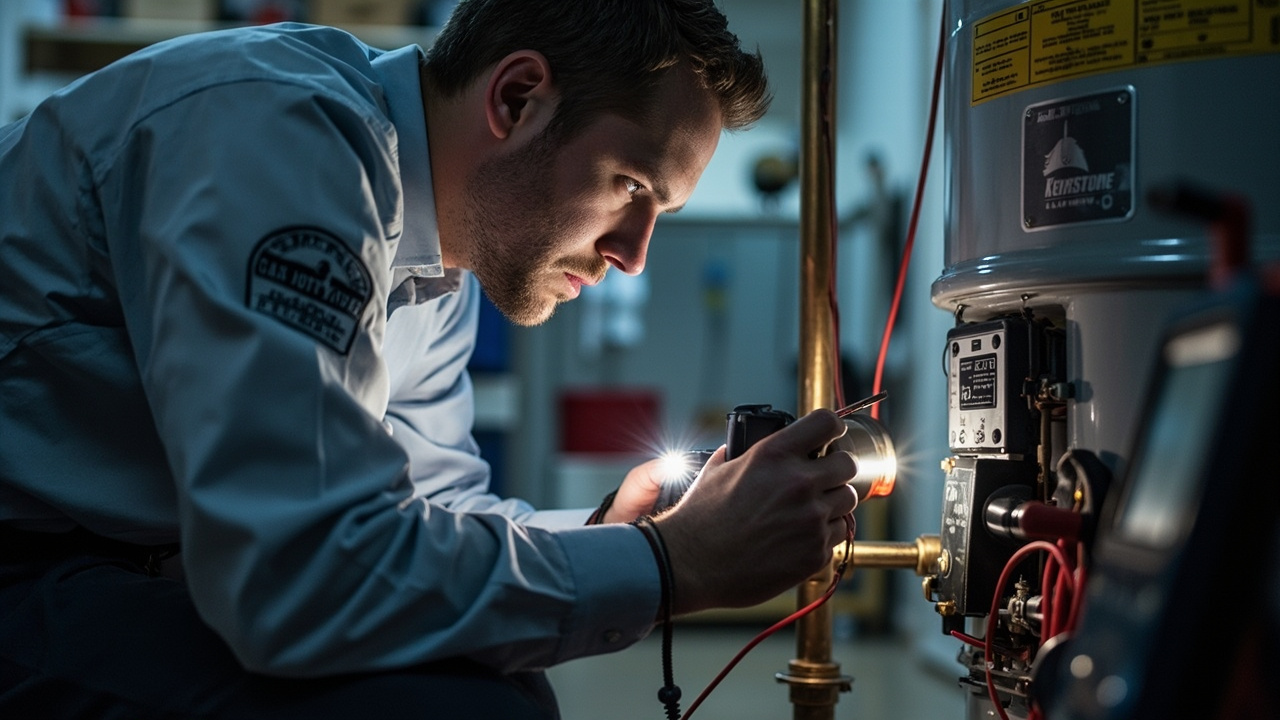
For electric water heaters, we verify power at the breaker panel, then test voltage at the upper and lower thermostats. We measure resistance across heating elements to detect open circuits or shorts to ground. A clamp meter measures amperage draw to confirm proper element operation under load. We inspect the high-limit switch that shuts down the unit during overheating conditions.

Gas water heater diagnosis requires different expertise. We test for proper gas pressure at the inlet and through the gas valve. We verify thermocouple millivolt output and thermopile voltage generation. We inspect the burner flame pattern for proper combustion, checking for yellow flames that indicate poor air mixture or carbon buildup. We measure flue draft to ensure exhaust gases vent properly and combustion air enters adequately.

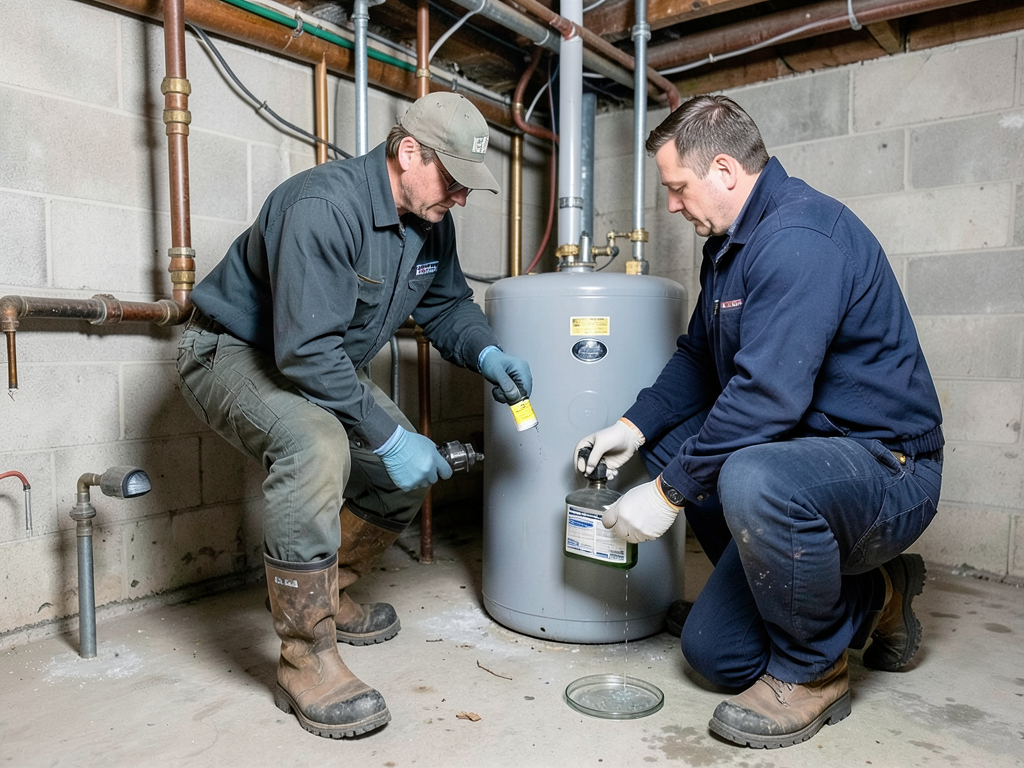
Tank inspection reveals hidden problems. We drain sample water to check for sediment levels and rust particles. We test the anode rod condition, which sacrifices itself to prevent tank corrosion. A corroded anode rod means your tank is next. We inspect all water connections for galvanic corrosion where dissimilar metals meet.

Temperature and pressure testing confirms system safety. We verify the pressure relief valve operates correctly and verify water temperature matches thermostat settings. Infrared scanning detects hot spots that indicate internal scaling or cold zones that suggest dip tube failure.

This methodical approach identifies the exact causes of no hot water. You get a clear explanation of what failed, why it failed, and what fixes it permanently.

What Happens During Your Diagnostic Appointment

No Hot Water Diagnosis in Baltimore – Fast, Accurate Troubleshooting to Restore Your Hot Water Today
01

Initial System Assessment

Our technician arrives with diagnostic equipment and begins by documenting your symptoms. We check the water heater age, fuel type, and capacity. We test water temperature at multiple fixtures to determine if the problem affects the entire house or specific zones. We verify power supply or gas delivery and inspect visible components for obvious damage or leaks. This baseline assessment takes 10 to 15 minutes.
02

Component Testing

We perform electrical continuity tests on thermostats and heating elements or gas valve functionality tests depending on your unit type. We measure actual water temperature against thermostat settings. We drain water samples to assess sediment levels and check for rust contamination. We test the pressure relief valve operation and inspect the anode rod condition. Each component gets verified or ruled out as the failure point.
03

Clear Diagnosis and Options

You receive a detailed explanation of what caused your hot water failure. We show you the failed component when possible and explain why it failed. You get repair options with transparent pricing for each solution. If multiple components have failed or the tank shows corrosion, we discuss whether repair makes financial sense versus replacement. You make the decision with complete information.

Why Baltimore Residents Trust Our Diagnostic Expertise

Keystone Plumbing Baltimore built its reputation on accurate diagnosis. We know Baltimore's water quality issues because we work with them daily. The Montebello Filtration Plant treats our water supply, but the distribution system still delivers hard water that damages heating elements and fills tanks with calcium deposits.

We understand how Baltimore's housing diversity affects plumbing systems. Rowhomes in Hampden and Pigtown often have water heaters tucked into tiny basements with limited access. Victorian homes in Bolton Hill may have outdated gas lines that restrict flow to water heaters. New construction in Harbor East uses tankless systems that require different diagnostic approaches.

Our technicians train specifically on the water heater brands common to Baltimore installations. We stock diagnostic tools and replacement parts for Rheem, AO Smith, Bradford White, and State water heaters. We maintain relationships with local supply houses, which means we can source obscure parts for older units that big box stores do not carry.

We recognize the urgency when your family has no hot water. Morning showers, dishwashing, and laundry all stop. We schedule diagnostic appointments within 24 hours for most service areas. Our trucks carry common repair parts so we can fix many problems during the diagnostic visit.

Baltimore's building codes require proper permitting for water heater replacement. We handle all permit applications and inspections when your diagnosis reveals replacement is necessary. We pull permits through the Baltimore City Department of Housing and Community Development and schedule required inspections.

You get honest diagnosis focused on fixing your specific problem. We explain complex issues in plain language and never pressure you toward unnecessary replacements.

What You Can Expect From Our Diagnostic Service

Fast Response Times

We schedule most diagnostic appointments within 24 hours of your call. Emergency situations get priority response. Our service area covers Baltimore City and the surrounding metro, including Towson, Catonsville, and Parkville. You receive a call when your technician is 30 minutes away. The diagnostic process typically takes 45 minutes to one hour, depending on your water heater type and symptom complexity. If we can repair the problem immediately, you get hot water back the same day in most cases.

Thorough System Evaluation

Our diagnostic service includes complete system testing. We do not just look at the obvious. We test electrical components with calibrated meters. We verify gas pressure and combustion efficiency. We inspect all water connections for hidden leaks. We check code compliance and safety features. You get a written diagnostic report explaining what we found, what caused the failure, and what needs repair. We photograph failed components when helpful. You understand exactly what broke and why.

Accurate Problem Identification

You receive a definitive answer about your hot water problem. We isolate the exact component that failed, whether it is a heating element, thermostat, gas valve, or tank itself. Our diagnosis tells you if your problem stems from sediment buildup, component failure, or installation defects. We explain the failure mechanism so you understand what happened. You get clear repair recommendations based on facts, not sales pressure. If your water heater is beyond economical repair, we explain why replacement makes more sense.

Transparent Next Steps

After diagnosis, you get written estimates for recommended repairs. Pricing includes parts and labor with no hidden fees. We explain how long repairs take and what warranties cover the work. If you need a new water heater, we discuss size requirements, efficiency options, and installation timelines. We handle all permit requirements for replacements. You decide how to proceed with complete information. We do not charge diagnostic fees separately if you authorize repairs the same day.

Frequently Asked Questions

You Have Questions,
We Have Answers

What is the most common cause of no hot water? +

A faulty heating element causes most no hot water issues in electric water heaters, common in Baltimore homes. Elements corrode over time from mineral buildup in city water. Gas water heaters typically fail due to a broken pilot light or malfunctioning thermocouple. Sediment accumulation from hard water reduces heating efficiency and can damage components. Age matters too. Water heaters older than 10 years experience more frequent breakdowns. Power issues, tripped breakers, or blown fuses also cut off electric units. A quick visual check of your breaker panel and pilot light helps you identify the culprit before calling a technician.

How to diagnose no hot water? +

Start by checking your circuit breaker or fuse box for tripped switches. Test a hot water tap to confirm there is no hot water anywhere. For gas units, verify the pilot light is lit and the gas valve is open. Look for water pooling around the tank base, which signals a leak. Check the temperature setting on your thermostat (should read 120-140°F). Listen for unusual sounds like hissing or popping. Inspect the pressure relief valve for discharge. Baltimore's freeze-thaw cycles can damage pipes, so check exposed lines for ice blockages in winter months. If these steps fail, call a licensed plumber.

Why is my hot water not working but my cold is? +

Your water heater isolates hot water production from the cold water supply. Cold water flows directly through main lines without heating, so it functions even when your heater fails. If hot water stops but cold runs fine, the problem sits within your water heater itself: broken heating element, faulty thermostat, extinguished pilot light, or sediment blocking the dip tube. Baltimore's older housing stock sometimes has dedicated hot water recirculation systems that can fail independently. This symptom confirms the issue is not your main water supply or municipal service. Focus troubleshooting on the water heater unit and its immediate connections.

Why have I got no hot water all of a sudden? +

Sudden hot water loss points to an immediate failure: tripped breaker, blown fuse, extinguished pilot light, or broken heating element. Gas leaks can trigger automatic shutoffs. Power surges during Baltimore's summer storms frequently trip GFCI outlets connected to electric heaters. A burst pipe or catastrophic tank leak drains your hot water supply instantly. Thermostat failure sends incorrect temperature readings, shutting down heating cycles prematurely. Sediment dislodges and blocks the dip tube, preventing cold water from reaching heating elements. Check your breaker panel first, then inspect the pilot light. If neither fixes it, you need professional diagnosis within hours.

Is no hot water a plumbing emergency? +

No hot water becomes an emergency based on your situation. For families with infants, elderly residents, or medical conditions requiring sanitization, it is urgent. Baltimore winters make hot water essential for safety and health. Businesses like restaurants or medical facilities face code violations and must restore service immediately. If you smell gas, see water pooling, or hear hissing sounds, evacuate and call professionals right away. For standard residential situations without health risks, it qualifies as urgent but not life-threatening. Most plumbers offer same-day service for hot water failures. Do not wait more than 24 hours, as frozen pipes can compound the damage.

How to reset a hot water system? +

Electric water heaters reset via the red button on the upper thermostat, located behind an access panel on the tank's side. Turn off power at your breaker first. Remove the panel, push the reset button until it clicks, then restore power. For gas units, turn the gas valve to the pilot position, press the pilot button, and hold a flame to the pilot opening for 30-60 seconds. Release slowly and turn to the on position. If the pilot will not stay lit after three attempts, you have a faulty thermocouple. Baltimore homes with older units may need professional help if safety mechanisms prevent ignition.

Why would hot water suddenly stop working? +

Sudden failures stem from component breakdowns or power interruptions. Heating elements burn out without warning, especially in units over eight years old. Thermostats fail and stop signaling the heating cycle. Pilot lights extinguish from drafts, dirty orifices, or thermocouple failure. Sediment buildup reaches critical mass and blocks water flow or buries heating elements. Power surges during Baltimore's frequent thunderstorms damage electrical components. A tripped high-temperature cutoff switch shuts down overheating units. Dip tubes crack and fall, mixing cold water directly into the hot outlet. Corrosion eats through tank walls, causing catastrophic leaks. Age and water quality accelerate all these failures.

How do I test if my hot water heater is bad? +

Run hot water for five minutes. If it never gets warm, your heater is failing. Listen for gurgling or popping sounds indicating sediment buildup. Check for water pooling around the base, showing tank corrosion. Use a multimeter to test heating elements for continuity (electric models). Inspect the pilot light flame (gas models should show a steady blue flame). Smell for gas leaks near the unit. Check your water temperature at the tap with a thermometer. Anything below 100°F signals a problem. Look for rust-colored water indicating internal tank corrosion. Baltimore's hard water accelerates tank deterioration. Age alone is diagnostic: units over 12 years old warrant replacement.

Is it cheaper to repair or replace a water heater? +

Repairs cost less upfront but replacement offers better long-term value for units over 10 years old. Simple fixes like thermostat replacement or heating element swaps run a few hundred dollars. Tank replacement or major component failure repairs approach new unit costs without the efficiency gains. Modern water heaters use 20 percent less energy than older models, saving Baltimore homeowners on monthly bills. Factor in potential water damage from an aging tank failure. If your unit is under seven years old with a minor issue, repair makes sense. Over 10 years old, replace it. Get a licensed plumber to assess your specific situation and provide concrete options.

Why am I getting hot water in my kitchen but not my bathroom? +

Your home likely has separate hot water lines with different lengths or a failing recirculation system. Bathrooms farther from the water heater take longer to receive hot water or lose heat in transit. Baltimore's older homes often have galvanized pipes that corrode internally, restricting flow to distant fixtures. A clogged faucet aerator or shower valve blocks hot water while cold flows freely. Check if other hot water taps work. If only your bathroom fails, inspect the fixture's mixing valve or cartridge. A broken recirculation pump stops hot water delivery to remote locations. Frozen pipes in exterior bathroom walls during winter cut off hot water selectively.

How Baltimore's Hard Water Accelerates Water Heater Failure

Baltimore receives treated water from three reservoirs through the Montebello system, but treatment does not remove the minerals that make our water hard. Calcium and magnesium concentrations range from 100 to 180 parts per million across the distribution network. When this mineral-rich water heats inside your tank, the minerals precipitate out and form sediment layers at the tank bottom. This sediment layer insulates the heating element or burner from the water, forcing your system to work harder and longer to heat water. The heating element eventually burns out from overheating. Gas burners develop hot spots that crack the tank floor. Regular diagnosis catches this problem before catastrophic failure, but most homeowners wait until they have no hot water at all.

Keystone Plumbing Baltimore works exclusively in this market. We recognize sediment problems instantly because we see them in every neighborhood from Northwood to Curtis Bay. Our technicians know which water heater brands handle Baltimore's water quality better. We stock the parts that fail most frequently in our local conditions. We train our team on the specific challenges that Baltimore's infrastructure creates for residential plumbing systems. When you choose local expertise, you get technicians who have diagnosed hundreds of water heaters in homes just like yours, with the same water quality issues and the same climate stresses.
Plumbing Services in The Baltimore Area

Discover our conveniently located service hub, strategically positioned to ensure rapid response times across the region. While our office welcomes inquiries, our skilled technicians are typically out in the field, ready to bring our expertise directly to your doorstep. We are committed to serving the entire area efficiently, making sure expert plumbing assistance is always just a call away, wherever you are.

Address:
Keystone Plumbing Baltimore, 312 N Martin Luther King Jr Blvd, Baltimore, MD, 21201

Additional Services We Offer

Our news updates

Latest Articles & News from The Blogs

Adding a Luxury Wet Bar to Your Rooftop Deck in South Baltimore Imagine sipping a cocktail on your rooftop deck…

Adding a Luxury Wet Bar to Your Rooftop Deck in South Baltimore

Adding a Luxury Wet Bar to Your Rooftop Deck in South Baltimore Imagine sipping a cocktail on your rooftop deck…

Finding and Fixing Hidden Slab Leaks Under Your Beverly Hills Home

Finding and Fixing Hidden Slab Leaks Under Your Beverly Hills Home A hidden slab leak can silently destroy your Beverly…

How to Repair a Leaky Shower Valve in Your Cross Keys Condo

How to Repair a Leaky Shower Valve in Your Cross Keys Condo Living in the Village of Cross Keys means…

Contact Us

Call Keystone Plumbing Baltimore at (443) 443-9099 right now for fast, accurate diagnosis. We will identify the problem and explain your options clearly. Same-day repairs available for most issues. Stop guessing and get answers.