Menu

Understanding Backflow Testing in Baltimore – Complete Compliance and Water Safety Resource Guide

Navigate annual backflow certification requirements, testing procedures, and inspection protocols with expert guidance tailored to Baltimore water system regulations and municipal compliance standards.

Slider Image 1
Slider Image 2
Slider Image 3
Slider Image 4
Slider Image 5
Slider Image 7
Slider Image 8
Slider Image 9
Slider Image 10
Slider Image 11

Why Baltimore Property Owners Need to Understand Backflow Testing

Baltimore's aging water infrastructure and the Chesapeake Bay Watershed protection regulations make backflow prevention a critical public health issue. When water pressure drops during main breaks or firefighting operations, contaminated water can reverse flow into clean supply lines. This threatens drinking water safety across the entire municipal system.

Maryland Department of the Environment mandates annual backflow certification for commercial properties, multi-family buildings, and any structure with irrigation systems or chemical processing. Baltimore City adds its own layer of inspection requirements through the Department of Public Works. You need to understand these overlapping jurisdictions.

The backflow prevention assembly testing process involves more than checking a valve. Licensed testers measure pressure differentials, document check valve function, and verify relief valve operation. Water backflow testing requirements specify which device types match specific hazard levels. A restaurant with grease traps faces different standards than an office building with a lawn sprinkler system.

Many property owners discover compliance gaps during sale transactions or after violation notices. Baltimore City maintains active enforcement, with fines escalating for repeated failures. Understanding backflow device testing procedures before you face penalties saves money and protects your building occupants.

The Chesapeake Bay's sensitivity to pollutants means backflow prevention protects more than your property. Cross-connection control prevents fertilizers, pesticides, and industrial chemicals from contaminating shared water sources. Your backflow preventer inspection directly impacts regional water quality.

Temperature swings in Baltimore cause pipe expansion and contraction. Freeze-thaw cycles stress backflow assemblies, accelerating wear on internal components. Annual testing catches degradation before complete failure occurs.

Why Baltimore Property Owners Need to Understand Backflow Testing
How Backflow Prevention Systems Actually Work

How Backflow Prevention Systems Actually Work

Backflow preventers use check valves and air gaps to stop reverse water flow. The device type depends on contamination risk level. Reduced pressure zone assemblies offer the highest protection for severe health hazards. Double check valve assemblies handle lower risk scenarios like irrigation systems.

A reduced pressure zone device contains two independent check valves with a pressure-monitored chamber between them. When backpressure or backsiphonage occurs, the relief valve opens and dumps water rather than allowing contaminated flow backward. You will see discharge during testing, which confirms proper function.

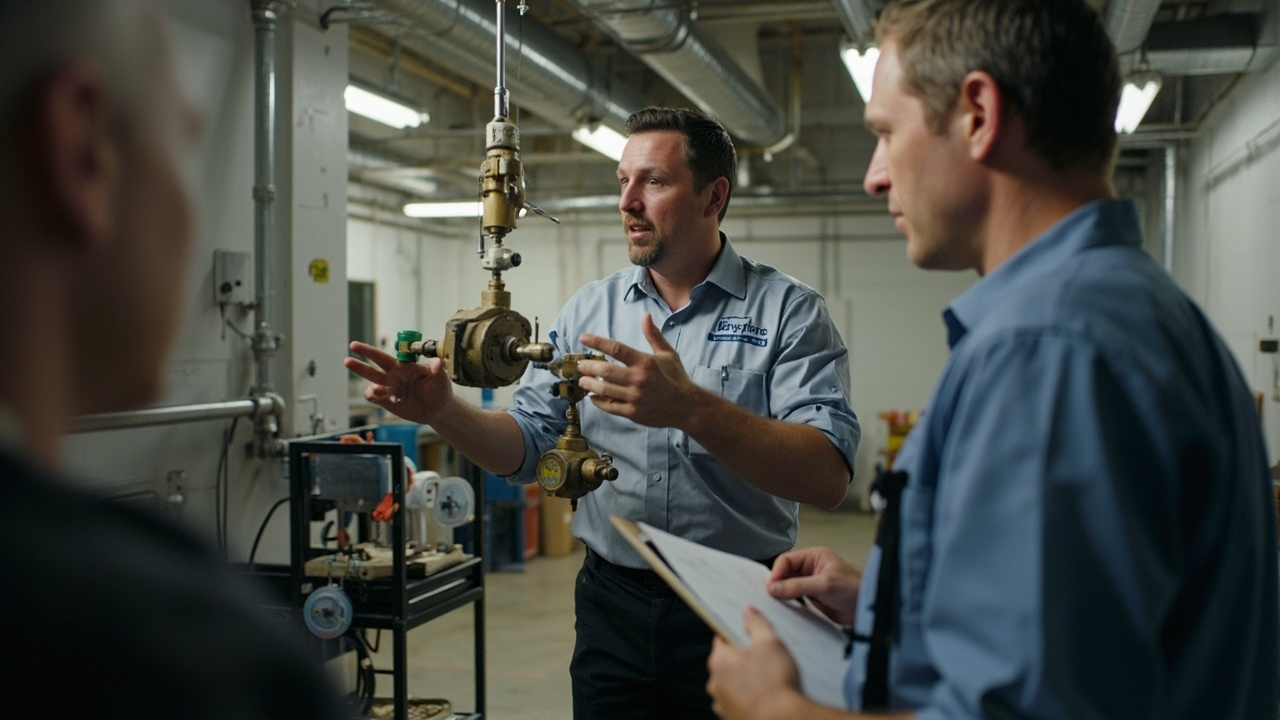
Backflow prevention assembly testing follows strict protocols. Testers attach calibrated gauges at specific test ports. They measure initial pressure, then simulate backflow conditions by opening and closing valves in sequence. Each check valve must hold within acceptable pressure differentials. Relief valves must open at precise thresholds.

The testing procedures reveal component wear before visible failure. A check valve passing water at 1 psi instead of the required 3 psi indicates degrading seals. That assembly fails the test and requires repair or replacement before recertification.

Baltimore's water chemistry affects device longevity. Chesapeake Bay watershed properties using well water supplementation experience different mineral deposits than those on pure municipal supply. Hard water accelerates scale buildup on valve seats. Chlorine levels impact rubber component deterioration rates.

Annual backflow certification documents create a compliance trail. Maryland requires submission to local health departments. Baltimore City cross-references these records against property permits. Missing or late certifications trigger violation notices. Understanding this administrative process prevents bureaucratic complications that delay business operations or property transactions.

What Happens During Your Backflow Testing Service

Understanding Backflow Testing in Baltimore – Complete Compliance and Water Safety Resource Guide
01

Initial System Evaluation

The technician identifies your backflow assembly type and locates all test ports. They verify the device matches your hazard classification and check for obvious damage or leaks. This visual inspection catches issues like missing test cocks or corroded relief valves before formal testing begins. Proper device identification ensures correct test procedures and accurate documentation for Baltimore City compliance records.
02

Pressure Differential Testing

Calibrated test gauges attach to designated ports. The tester manipulates valves in specific sequences while recording pressure readings at each checkpoint. They measure check valve closure, relief valve opening point, and pressure drop across the assembly. Each measurement must fall within manufacturer specifications and Maryland regulatory tolerances. Failed readings identify which internal component needs repair or replacement.
03

Certification and Documentation

Passing results generate official test reports signed by a licensed backflow tester. These documents include device serial numbers, test date, pressure readings, and tester credentials. You receive copies for your records. The tester submits reports to Baltimore Department of Public Works and Maryland Department of the Environment. This completes your annual certification requirement and maintains your property's compliance status.

Why Local Backflow Expertise Matters in Baltimore

Baltimore's water distribution system presents unique challenges that require local knowledge. The city operates both high-service and low-service pressure zones. Properties near zone boundaries experience pressure fluctuations that stress backflow assemblies more than stable-pressure locations. A tester familiar with Baltimore's infrastructure anticipates these stress factors.

Keystone Plumbing Baltimore technicians understand the specific device types prevalent in different neighborhoods. Hampden's converted industrial buildings often have outdated assemblies requiring specialized testing approaches. Federal Hill rowhomes share common walls that complicate assembly access. Canton's waterfront properties face saltwater corrosion acceleration. Local experience navigates these variables efficiently.

Baltimore City code enforcement coordinates with Maryland state regulations but adds municipal-specific requirements. The Department of Public Works maintains its own approved tester registry and submission protocols. Generic statewide knowledge misses these local procedural nuances, creating compliance gaps that trigger violations.

The Chesapeake Bay Watershed Agreement influences Baltimore's cross-connection control program. Properties within designated tributary areas face enhanced monitoring. Understanding which watersheds trigger additional requirements prevents unexpected compliance issues during inspections or property transfers.

Temperature extremes in Baltimore cause seasonal testing challenges. Summer heat expands metal components, affecting pressure readings. Winter freeze risk requires heated testing environments for accurate measurements. Year-round local operations adapt testing protocols to weather conditions, ensuring valid results regardless of season.

Relationships with Baltimore City inspectors and permit offices streamline the certification process. Local providers know which documentation formats the Department of Public Works accepts and which submission methods process fastest. This administrative familiarity eliminates delays that interrupt business operations or stall real estate transactions.

What to Expect from Professional Backflow Testing

Testing Timeline and Scheduling

Most backflow tests take 30 to 45 minutes per device. Complex assemblies or difficult access locations extend this timeframe. Commercial properties with multiple devices may require several hours for complete testing. Schedule testing before your certification expiration date to allow time for repairs if the assembly fails. Baltimore requires annual testing by the anniversary of your previous certification. Missing deadlines triggers violation notices and potential fines. Smart property managers schedule 30 days early to create a compliance buffer.

The Testing Process Itself

Licensed testers arrive with calibrated gauge kits and documentation forms. They shut off downstream water supply to prevent disruption during testing. Gauge attachment requires opening test cocks, which may release small amounts of water. The actual test sequence involves opening and closing valves while monitoring pressure changes. You will hear water movement and possibly see discharge from relief valves. This discharge confirms proper safety function. Failed tests identify specific component problems. The tester explains which parts need repair or whether full replacement makes more economic sense given device age and condition.

Test Results and Certification

Passing assemblies generate immediate certification documents. You receive printed test reports showing all pressure measurements and confirming compliance. These reports include the tester's license number and signature. Failed assemblies receive detailed failure reports explaining which components malfunctioned and what repairs are necessary. Repairs must be completed and the device retested before certification issues. The final certified report goes to Baltimore Department of Public Works and Maryland Department of the Environment. You keep copies for your property records and potential audit requests.

Ongoing Compliance Management

Annual testing creates a recurring compliance obligation. Professional services track certification dates and send renewal reminders before expiration. This prevents accidental lapses that trigger violations. Some properties benefit from maintenance contracts that include annual testing plus emergency repair service. Between annual tests, monitor your backflow assembly for visible leaks, unusual noises, or water discharge from relief valves. These symptoms indicate potential problems requiring immediate inspection. Early intervention prevents complete failure and maintains continuous protection of the water supply.

Frequently Asked Questions

You Have Questions,
We Have Answers

How does backflow testing work? +

Backflow testing involves a certified tester using specialized gauges to measure pressure at multiple points in your backflow preventer. The tester closes valves, opens test ports, and checks if the device properly stops reverse water flow. In Baltimore, this annual test verifies that contaminated water cannot flow backward into the city's drinking water supply. The process takes 15 to 30 minutes per device. After testing, you receive a report showing pass or fail status. The city requires documentation of this test to protect public health across the greater Baltimore metro area.

What are the basics of backflow preventer? +

A backflow preventer is a valve assembly that stops water from flowing backward into your clean water supply. It uses check valves, springs, and relief ports to maintain one-way flow. Baltimore's aging infrastructure and varying water pressure make these devices critical. The preventer automatically activates when pressure drops or reverses, protecting your home from contamination. Common in irrigation systems, fire sprinklers, and commercial buildings, these devices need annual testing to confirm proper function. Think of it as a one-way gate for your water supply that keeps contaminants out.

Do all plumbers do backflow testing? +

No. Backflow testing requires state certification beyond standard plumbing licenses. In Maryland, testers must complete specialized training and pass a certification exam. Many plumbers focus on repairs and installations but lack backflow testing credentials. Baltimore property owners should verify certification before hiring. Certified testers understand the specific testing protocols, pressure measurements, and reporting requirements mandated by Baltimore City. While some plumbing companies employ certified testers on staff, others do not offer this service. Always ask for proof of current Maryland backflow tester certification before scheduling.

What does it mean to fail a backflow test? +

Failing a backflow test means your device cannot properly prevent reverse water flow. Common failure points include worn check valves, damaged springs, or debris blocking proper closure. In Baltimore, a failed test requires immediate repair or replacement before retesting. You cannot legally operate a failed backflow preventer. The tester documents specific failure points on your report. You must hire a licensed plumber to make repairs, then schedule a retest. Baltimore City tracks these results to protect the municipal water system from contamination events across all connected properties.

Is backflow testing hard? +

Backflow testing itself requires specialized training but follows standardized procedures. Becoming certified involves understanding hydraulics, cross-connection control, and testing protocols. Maryland's certification exam tests technical knowledge and hands-on skills. For property owners, the process is simple: hire a certified tester annually. The tester handles all technical aspects. For Baltimore-area plumbers seeking certification, expect several days of coursework plus exam preparation. The testing procedures are methodical and precise, requiring attention to pressure readings and valve manipulation. Professional testers make it look easy through experience and proper equipment.

How many questions are on the backflow test? +

This question refers to certification exams for testers, not property testing. Maryland's backflow tester certification exam typically includes 80 to 100 questions covering hydraulics, cross-connection theory, device types, testing procedures, and state regulations. The exam tests both written knowledge and practical testing skills. Candidates must demonstrate competency in test kit operation and device repair. Passing scores vary by testing organization. For Baltimore property owners, this certification ensures your tester has proven knowledge. You do not take an exam as a property owner. Only certified professionals perform the annual device testing.

What are the 4 types of backflow preventers? +

The four main types are Atmospheric Vacuum Breaker (AVB), Pressure Vacuum Breaker (PVB), Double Check Valve Assembly (DC), and Reduced Pressure Zone (RPZ). AVBs are simple, non-testable devices for hose connections. PVBs protect irrigation systems and require annual testing. DCs offer moderate protection for low-hazard applications. RPZs provide maximum protection for high-hazard situations like commercial buildings. Baltimore building codes determine which type you need based on contamination risk. Each type has specific installation requirements and testing protocols. RPZs are most common in Baltimore's commercial districts.

What are the signs of a bad backflow valve? +

Watch for water leaking from relief valves, reduced water pressure, water discoloration, or persistent dripping from test ports. In Baltimore's freeze-thaw climate, cracked housings from winter damage signal failure. Visible rust or corrosion on the assembly indicates internal deterioration. If your irrigation system shows inconsistent pressure or your fire sprinkler system fails inspections, suspect backflow valve problems. Strange tastes or odors in water can indicate backflow contamination. Any continuous discharge from the relief valve means the check valves have failed. Schedule immediate testing if you notice these symptoms.

What is the difference between PVB and RPZ? +

PVBs (Pressure Vacuum Breakers) and RPZs (Reduced Pressure Zones) differ in protection level and application. PVBs must install above ground and protect against back-siphonage only. They cannot handle continuous pressure and fail if submerged. RPZs protect against both back-siphonage and backpressure, offering higher contamination protection. Baltimore City requires RPZs for high-hazard applications like commercial kitchens or chemical systems. RPZs can install below ground and handle continuous pressure. PVBs work well for residential irrigation. RPZs cost more but provide superior protection for critical applications across Baltimore's commercial properties.

How much to charge to test a backflow? +

Backflow testing costs in Baltimore typically range based on device complexity and quantity. Pricing factors include device type, accessibility, property location, and number of assemblies. RPZ testing costs more than PVB testing due to complexity. Commercial properties with multiple devices may receive volume discounts. Some municipalities include testing in water bills, but Baltimore requires private testing. Travel time across Baltimore neighborhoods affects pricing. Expect additional charges for weekend or emergency testing. Repair costs are separate from testing fees. Request quotes from multiple certified testers. Avoid unusually low prices that may indicate unlicensed operators.

How Baltimore's Water Infrastructure Affects Backflow Testing Requirements

Baltimore operates one of the oldest municipal water systems on the East Coast, with portions dating to the 1800s. This aging infrastructure experiences frequent pressure fluctuations during main repairs and system upgrades. The city's aggressive main replacement program causes temporary pressure drops that increase backflow risk. Properties near active construction zones face higher backsiphonage potential. The Department of Public Works coordinates these projects across multiple neighborhoods simultaneously, creating widespread pressure variation. This makes properly functioning backflow assemblies critical for system-wide contamination prevention. Annual testing catches degraded components before infrastructure stress causes actual contamination events.

Baltimore City requires all commercial backflow test reports submitted through its online portal within 10 days of testing. This municipal requirement exceeds Maryland's general state deadline. Local testers familiar with Baltimore's submission system ensure compliance with both jurisdictions. The city cross-references these reports against business licenses and building permits. Discrepancies trigger inspection visits. Properties in the Inner Harbor, Fells Point, and Canton face additional scrutiny due to their proximity to the Patapsco River and Jones Falls watershed. Choosing a tester who understands these local regulatory layers prevents administrative complications that delay certifications or create unnecessary violations.
Plumbing Services in The Baltimore Area

Discover our conveniently located service hub, strategically positioned to ensure rapid response times across the region. While our office welcomes inquiries, our skilled technicians are typically out in the field, ready to bring our expertise directly to your doorstep. We are committed to serving the entire area efficiently, making sure expert plumbing assistance is always just a call away, wherever you are.

Address:
Keystone Plumbing Baltimore, 312 N Martin Luther King Jr Blvd, Baltimore, MD, 21201

Additional Services We Offer

Our news updates

Latest Articles & News from The Blogs

Adding a Luxury Wet Bar to Your Rooftop Deck in South Baltimore Imagine sipping a cocktail on your rooftop deck…

Adding a Luxury Wet Bar to Your Rooftop Deck in South Baltimore

Adding a Luxury Wet Bar to Your Rooftop Deck in South Baltimore Imagine sipping a cocktail on your rooftop deck…

Finding and Fixing Hidden Slab Leaks Under Your Beverly Hills Home

Finding and Fixing Hidden Slab Leaks Under Your Beverly Hills Home A hidden slab leak can silently destroy your Beverly…

How to Repair a Leaky Shower Valve in Your Cross Keys Condo

How to Repair a Leaky Shower Valve in Your Cross Keys Condo Living in the Village of Cross Keys means…

Contact Us

Avoid compliance violations and protect your water supply. Call Keystone Plumbing Baltimore at (443) 443-9099 to schedule your annual backflow certification. Licensed testers, same-day documentation, and direct submission to city authorities. Do not wait until your certification expires.