Menu

Commercial Backflow Prevention & Testing in Baltimore – Minimize Downtime With State-Certified Compliance Solutions

Protect your business operations with comprehensive backflow assembly testing and annual compliance certification. Our certified technicians complete commercial backflow preventer inspections on schedule, keeping your facility compliant with Baltimore City and Maryland Department of the Environment regulations without disrupting daily operations.

Slider Image 1
Slider Image 2
Slider Image 3
Slider Image 4
Slider Image 5
Slider Image 7
Slider Image 8
Slider Image 9
Slider Image 10
Slider Image 11

Baltimore's Water Infrastructure Creates Compliance Challenges for Commercial Properties

Baltimore's aging water distribution system, combined with the city's position at the confluence of multiple watersheds feeding the Chesapeake Bay, creates unique cross-connection control requirements for commercial facilities. The Baltimore City Department of Public Works mandates annual backflow assembly testing for all commercial properties with irrigation systems, fire suppression equipment, chemical processing operations, and food service facilities.

Your facility's backflow preventer protects the municipal water supply from contamination caused by reverse flow conditions. When pressure differentials occur during water main breaks, which Baltimore experiences regularly due to its 100-year-old cast iron infrastructure in neighborhoods like Canton, Fells Point, and Mount Vernon, untested or failing backflow devices create liability exposure.

Maryland law requires commercial backflow certification by state-licensed testers. Failed inspections trigger immediate non-compliance notices from Baltimore City, resulting in operational restrictions until you achieve cross-connection control testing approval. The consequences extend beyond fines. Insurance carriers can deny contamination claims if your annual backflow compliance documentation contains gaps.

Properties near the Inner Harbor and areas with significant elevation changes face additional challenges. Gravity-fed systems in these zones experience greater pressure fluctuations, accelerating wear on check valves and relief ports. Food processing facilities in South Baltimore's industrial corridor, medical facilities near Johns Hopkins, and any operation using chemical additives face the highest scrutiny during backflow preventer inspection audits.

Business continuity depends on maintaining uninterrupted water service. Scheduled testing prevents emergency shutdowns and keeps your operations running without regulatory interference.

Baltimore's Water Infrastructure Creates Compliance Challenges for Commercial Properties
State-Certified Testing Protocol That Meets Baltimore City Standards

State-Certified Testing Protocol That Meets Baltimore City Standards

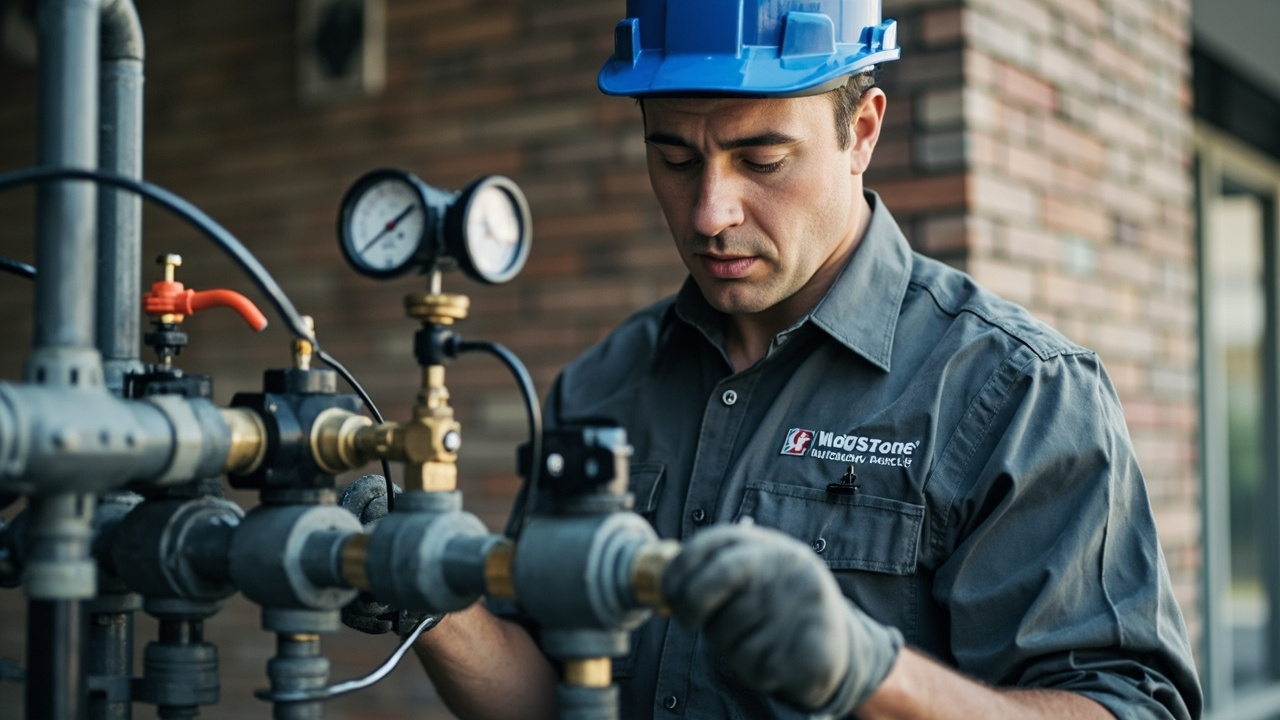
Compliant backflow assembly testing requires precise measurement of differential pressure across check valves, evaluation of relief valve functionality, and documentation that meets Maryland Department of the Environment specifications. We use calibrated differential pressure test kits traceable to NIST standards, ensuring measurement accuracy within 0.1 PSI.

The testing sequence evaluates your backflow preventer under both static and dynamic conditions. We close downstream isolation valves, attach test cocks, and measure pressure differentials across the first check valve, relief valve opening point, and second check valve. Each reduced pressure zone assembly must maintain at least 2.0 PSI differential under backpressure conditions and demonstrate complete closure of both check valves.

Double check valve assemblies require verification that each check closes completely against reverse flow. We measure leakage rates and confirm spring tension meets manufacturer specifications. Atmospheric vacuum breakers undergo air inlet valve testing to verify they open at the correct differential and seal completely when pressure normalizes.

Your facility receives detailed documentation including test gauge serial numbers, measured values for each checkpoint, pass/fail status, and technician certification numbers. This paperwork satisfies Baltimore City audit requirements and provides the evidence your insurance carrier demands.

Failed components receive immediate attention. We identify whether deterioration stems from sediment accumulation, which is common in Baltimore's water with its elevated mineral content, or mechanical failure requiring parts replacement. When rebuilds are necessary, we use OEM components that maintain your assembly's certification status.

Testing occurs during your specified maintenance windows. We coordinate with facility managers to avoid disrupting production schedules, coordinate with night shifts for 24-hour operations, and complete documentation before leaving the site.

How Commercial Backflow Testing Protects Your Operations

Commercial Backflow Prevention & Testing in Baltimore – Minimize Downtime With State-Certified Compliance Solutions
01

Scheduled Compliance Coordination

We coordinate testing schedules 45 days before your annual deadline, ensuring sufficient time for repairs if needed. Our dispatch system tracks every commercial account's certification expiration date. You receive advance notice with proposed testing windows that align with your operational schedule. For multi-building campuses, we create sequenced testing plans that maintain water service continuity while completing all backflow preventer inspections within your maintenance window.
02

On-Site Assembly Testing

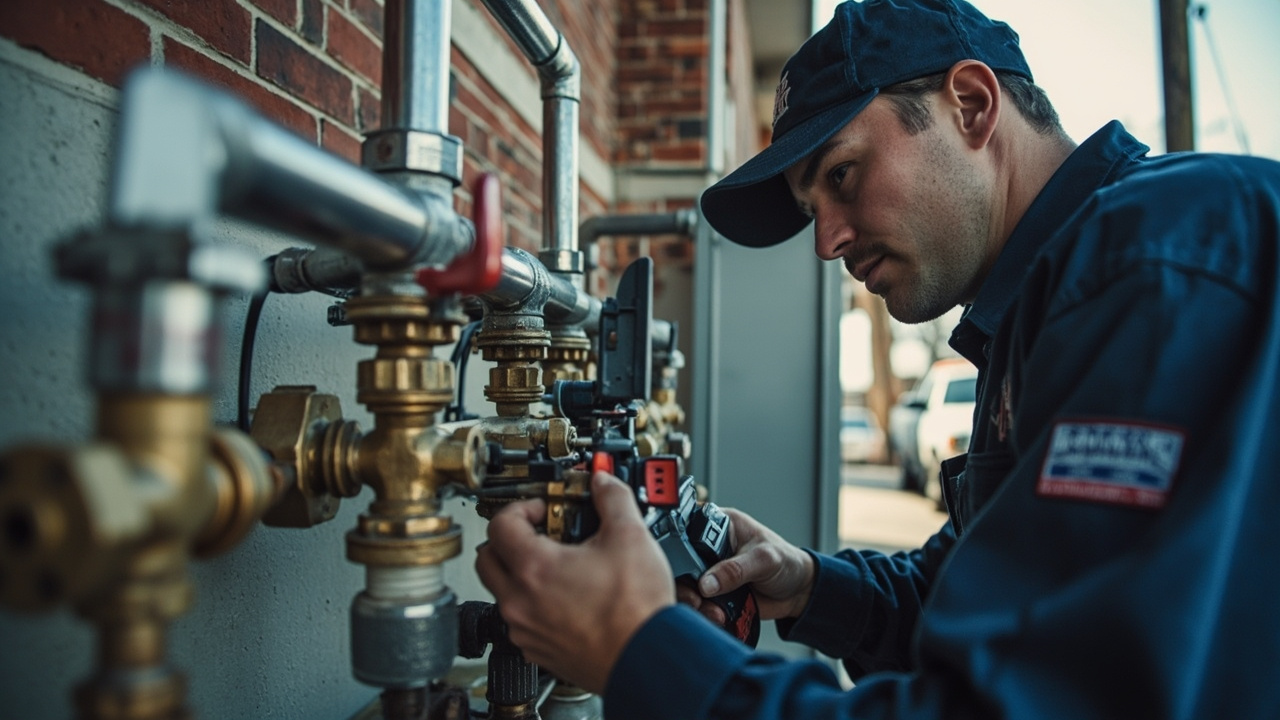
Our Maryland-licensed testers arrive with calibrated equipment and complete the full test protocol for each assembly. We document serial numbers, measure differential pressures at all required test points, verify relief valve operation, and evaluate check valve sealing. Testing identifies worn components before they fail completely. You receive real-time notification of any assemblies requiring repair, allowing immediate decisions about parts authorization and completion timelines.
03

Compliance Documentation Filing

We submit completed test reports directly to Baltimore City Department of Public Works and provide you with certified copies for your facility records. Documentation includes tester certification numbers, gauge calibration certificates, and measured values for each test point. Your compliance file remains current, satisfying both municipal inspectors and insurance auditors. We maintain digital records for three years, providing retrieval service if you need historical documentation during regulatory reviews or insurance renewals.

Maryland-Licensed Testers Who Understand Baltimore's Regulatory Environment

Baltimore's backflow testing requirements operate under both city ordinance and Maryland state law. The interplay between Baltimore City Code Article 1, Subtitle 2 and COMAR 26.04.04 creates specific documentation requirements that differ from surrounding counties. We maintain current knowledge of both regulatory frameworks, ensuring your test reports satisfy all applicable standards.

Our technicians hold Maryland Department of the Environment backflow tester certification, renewed through continuing education that covers updates to testing protocols and cross-connection control requirements. This certification requires demonstrated competency in differential pressure measurement, assembly identification, and proper test procedure sequencing. Unlike general plumbing licenses, backflow tester certification demands specialized training in hydraulic principles and contamination pathways.

We understand Baltimore's commercial building stock. Properties built before 1980 often contain backflow assemblies installed during original construction that no longer meet current standards. We identify these obsolete units during testing and provide specifications for compliant replacements. Newer buildings in Harbor East and other redeveloped areas typically feature reduced pressure zone assemblies that require more frequent inspection due to their complex valve arrangements.

Facilities in specific industries face enhanced scrutiny. Food processing operations, medical facilities, industrial laundries, and any business using chemical injection systems receive priority attention from Baltimore City inspectors. We provide the detailed documentation these high-risk categories require, including supplementary testing that demonstrates your cross-connection control program's effectiveness.

Local expertise matters when navigating Baltimore's permitting process. We know which assemblies require permit approval for replacement, understand the city's valve repair versus replacement policies, and maintain relationships with the Department of Public Works inspectors who review your compliance documentation.

Commercial Backflow Testing Details for Baltimore Facilities

Testing Schedule Flexibility

We complete most commercial backflow assembly testing within 2-4 hours, depending on the number of assemblies and their accessibility. Multi-building campuses receive coordinated scheduling that sequences testing to maintain operational continuity. Evening and weekend appointments accommodate facilities that cannot interrupt daytime operations. Our dispatch system provides 48-hour advance confirmation with technician arrival windows. For large commercial accounts with multiple locations across Baltimore, we assign dedicated account coordinators who manage all scheduling, tracking, and compliance deadline monitoring.

Comprehensive Assembly Evaluation

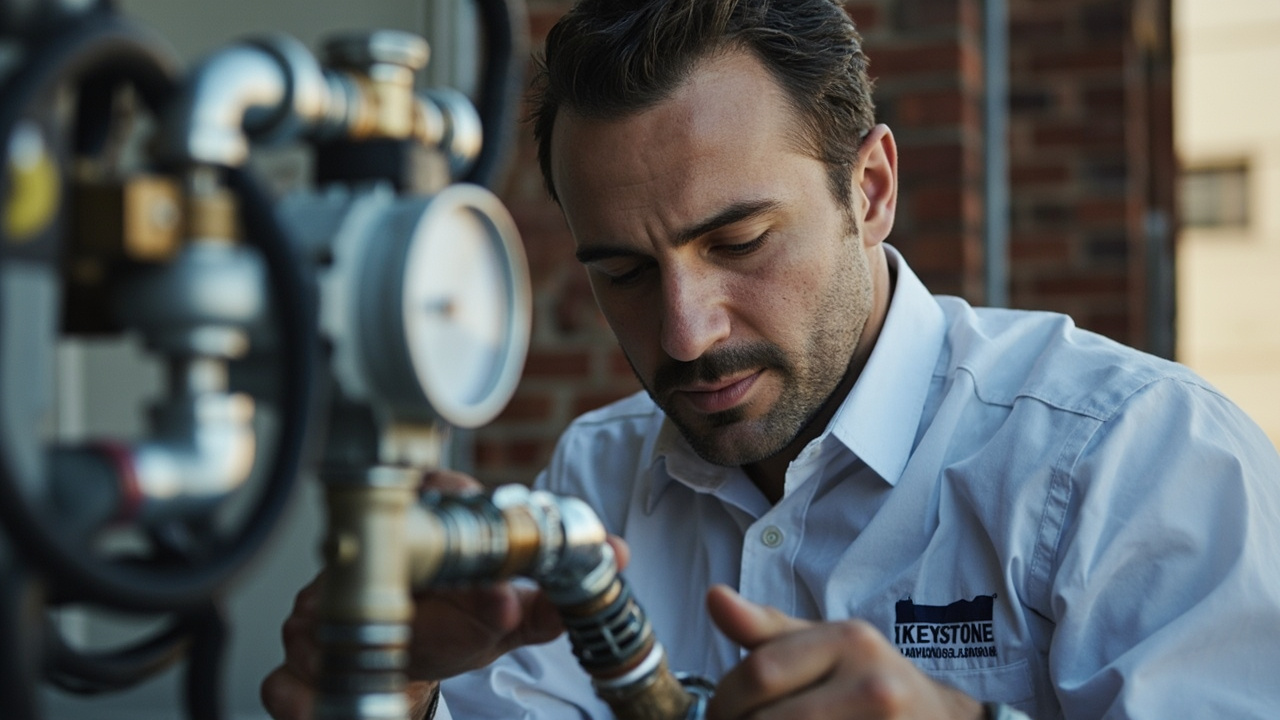
Testing begins with visual inspection to identify corrosion, leaking test cocks, or damage suggesting internal component wear. We verify that isolation valves function properly and check assemblies are accessible per code requirements. The differential pressure test sequence follows Maryland Department of the Environment protocols exactly, measuring pressure at each required checkpoint. Failed assemblies receive diagnostic evaluation to determine whether repair or replacement provides the most cost-effective compliance path. You receive detailed explanations of any deficiencies, including photographs documenting conditions that require attention and specific recommendations for corrective action.

Certified Compliance Documentation

Every tested assembly generates a complete report showing measured values, pass/fail determination, and tester certification information. Reports include assembly serial numbers, manufacturer specifications, test gauge calibration dates, and detailed notes about any anomalies observed during testing. We file reports with Baltimore City electronically and provide you with certified copies in both digital and paper formats. This documentation satisfies municipal inspectors, insurance auditors, and third-party certification bodies reviewing your facility's cross-connection control program. The reports demonstrate due diligence and provide the evidence needed to defend against contamination liability claims.

Ongoing Compliance Management

Annual backflow compliance requires tracking multiple assemblies across different testing cycles. We maintain a compliance calendar for your account, sending renewal reminders 60 days before each deadline. Multi-year service agreements provide scheduled testing at locked rates, eliminating the administrative burden of annual vendor coordination. Between scheduled tests, we provide emergency response for assemblies that fail unexpectedly or sustain damage from system events. Our maintenance programs include quarterly visual inspections that identify developing problems before they cause compliance failures, reducing the risk of operational disruptions from unexpected backflow preventer failures.

Frequently Asked Questions

You Have Questions,
We Have Answers

What is backflow prevention testing? +

Backflow prevention testing is a mandated inspection that verifies your backflow device functions correctly and protects the municipal water supply from contamination. A certified tester isolates the assembly, uses gauge equipment to measure pressure differentials, and checks all internal components like check valves and relief valves. The tester documents results and submits compliance reports to Baltimore City's Department of Public Works. This testing ensures your facility meets Maryland plumbing code requirements and prevents non-potable water, chemicals, or wastewater from reversing flow into the clean water system. Commercial properties, irrigation systems, and industrial facilities require annual testing to maintain code compliance and avoid penalties.

Is backflow testing really necessary? +

Yes. Baltimore City mandates annual backflow testing for any property with a cross-connection hazard. This protects public health and your business from liability. Backflow incidents can introduce contaminants into the drinking water supply, triggering fines, legal action, and potential shutdown orders. Maryland code requires documented testing to verify your device operates within specified pressure tolerances. Without current certification, you risk failing health inspections, voiding insurance coverage, and exposing your operation to regulatory penalties. The cost of testing is minimal compared to contamination liability or business interruption from a compliance violation. Annual testing is a non-negotiable operating expense for commercial facilities.

Can I test my own backflow preventer? +

No. Maryland law requires a state-certified backflow prevention tester to perform and document inspections. Testing demands specialized gauge equipment, calibration protocols, and technical knowledge of assembly hydraulics. Certification requires passing the Maryland Board of Plumbing exam and maintaining continuing education. Self-testing creates liability exposure and generates invalid documentation that Baltimore City will reject. Your annual compliance report must include the tester's certification number and seal. Using an uncertified individual or attempting DIY testing can result in code violations, failed inspections, and potential legal consequences if contamination occurs. Only hire certified professionals with current Maryland credentials to ensure valid compliance documentation.

Do all plumbers do backflow testing? +

No. Backflow testing requires specific state certification separate from a standard plumbing license. Many plumbers are not certified testers. The Maryland Board of Plumbing issues backflow tester credentials after applicants pass a rigorous exam covering hydraulic principles, device mechanics, and testing protocols. Certified testers must also possess calibrated gauge equipment and maintain continuing education. When hiring for compliance testing, verify the technician holds active Maryland backflow certification and carries proper documentation tools. Hiring a non-certified plumber wastes time and money because Baltimore City will reject invalid reports. Always confirm certification status before scheduling testing to avoid compliance gaps and repeat service calls.

What happens if I don't do backflow testing? +

Failure to complete backflow testing triggers escalating penalties in Baltimore. The city issues violation notices, assesses daily fines, and can install flow restrictors or shut off water service to non-compliant properties. You also create liability exposure if contamination traces back to your facility. Insurance carriers may deny claims related to backflow incidents without current testing documentation. Health department inspections will flag missing compliance reports, potentially triggering business license issues or operating restrictions. Repeat violations can result in legal action and significantly higher reconnection fees. Annual testing costs far less than fines, legal fees, or business interruption from a forced shutdown. Maintain compliance to avoid operational disruptions.

How much does it cost to test a backflow preventer? +

Testing costs typically range based on device type, quantity, and accessibility. Simple residential assemblies cost less than complex commercial installations with multiple zones. Factors affecting price include device size, location accessibility, required repairs, and report filing fees. Baltimore properties with irrigation systems, fire suppression connections, or industrial processes often have multiple test points. Budget for annual testing as a standard operating expense. Pricing varies among certified testers, but choosing the cheapest option often results in incomplete documentation or missed repair needs. Focus on certified professionals who provide thorough inspections, accurate reporting, and timely submissions to Baltimore City to avoid compliance gaps that cost more than testing itself.

Do all houses have backflow preventers? +

Not all residential properties have backflow preventers, but commercial buildings and properties with cross-connection hazards require them. Baltimore City mandates installation for irrigation systems, fire sprinkler connections, commercial kitchens, medical facilities, industrial processes, and any system where non-potable water could reverse into the drinking supply. Older homes without these features may lack devices, but any property modification creating cross-connection risk triggers installation requirements. New construction and major renovations must include appropriate assemblies per Maryland plumbing code. If your property has lawn irrigation, boiler systems, or chemical injection equipment, you likely need a testable backflow assembly and annual certification.

How long does a water backflow test take? +

A standard backflow test takes 15 to 30 minutes per device for an experienced certified tester. Complex assemblies or multiple test points extend the timeframe. The process includes isolating the assembly, attaching calibrated gauges, conducting pressure differential tests on check valves and relief valves, documenting readings, and completing compliance paperwork. Repairs discovered during testing add time. Difficult access locations or older devices requiring additional inspection steps can increase duration. The tester must also allow time for proper gauge setup and accurate measurements. Most commercial properties schedule testing during low-demand periods to minimize operational disruption. Rushed testing compromises accuracy and creates liability from incomplete documentation.

What happens if you don't have a backflow preventer? +

Operating without a required backflow preventer exposes Baltimore's water supply to contamination and creates serious legal liability for your business. The city will issue violation notices, impose fines, and potentially restrict or terminate water service until you install compliant equipment. If contamination occurs and traces to your facility, you face regulatory penalties, lawsuits, and potentially criminal charges. Insurance coverage may be voided for incidents related to code violations. Health departments can shut down food service operations, medical facilities, or industrial processes lacking proper backflow protection. Installation costs are minimal compared to liability exposure, business interruption, and legal consequences from operating non-compliant systems.

Is backflow testing hard? +

Backflow testing requires technical expertise, specialized equipment, and state certification. The process demands understanding of hydraulic principles, pressure differentials, and device mechanics. Testers must accurately read gauge measurements, interpret tolerance specifications, and identify component failures. Maryland certification exams test knowledge of assembly types, testing procedures, and regulatory requirements. Proper testing also requires calibrated equipment maintained to industry standards. While the physical steps may appear straightforward, accurate testing and compliant documentation require professional training. Attempting testing without certification produces invalid results, wastes time, and creates compliance gaps. Hire certified professionals who maintain current credentials and proper equipment to ensure valid testing and acceptable compliance reports.

Why Baltimore's Water System Makes Backflow Testing Critical for Business Operations

Baltimore's water distribution infrastructure dates to the 1800s in many neighborhoods, with cast iron mains that create frequent pressure fluctuations. The city experiences approximately 1,500 water main breaks annually, particularly during winter freeze-thaw cycles. These events create negative pressure conditions that trigger backflow situations if prevention assemblies fail. Properties near the Inner Harbor face additional challenges from the harbor's tidal influence, which can affect pressure dynamics in low-lying areas. Commercial facilities in Federal Hill, Locust Point, and Canton require vigilant cross-connection control testing because any contamination event in these densely developed waterfront zones creates immediate public health concerns and significant liability exposure.

Baltimore City maintains strict enforcement of backflow testing requirements through its Department of Public Works. The city's position as a major Chesapeake Bay watershed contributor means state environmental regulators closely monitor cross-connection control compliance. Maryland Department of the Environment conducts periodic audits of commercial facilities, reviewing backflow preventer inspection records as part of water quality protection programs. Facilities that cannot produce current certification documentation face immediate compliance orders and potential connection termination. Working with Maryland-licensed testers familiar with Baltimore's specific regulatory environment protects your business from these enforcement actions while demonstrating commitment to water quality protection that satisfies both municipal and state oversight agencies.
Plumbing Services in The Baltimore Area

Discover our conveniently located service hub, strategically positioned to ensure rapid response times across the region. While our office welcomes inquiries, our skilled technicians are typically out in the field, ready to bring our expertise directly to your doorstep. We are committed to serving the entire area efficiently, making sure expert plumbing assistance is always just a call away, wherever you are.

Address:
Keystone Plumbing Baltimore, 312 N Martin Luther King Jr Blvd, Baltimore, MD, 21201

Additional Services We Offer

Our news updates

Latest Articles & News from The Blogs

Adding a Luxury Wet Bar to Your Rooftop Deck in South Baltimore Imagine sipping a cocktail on your rooftop deck…

Adding a Luxury Wet Bar to Your Rooftop Deck in South Baltimore

Adding a Luxury Wet Bar to Your Rooftop Deck in South Baltimore Imagine sipping a cocktail on your rooftop deck…

Finding and Fixing Hidden Slab Leaks Under Your Beverly Hills Home

Finding and Fixing Hidden Slab Leaks Under Your Beverly Hills Home A hidden slab leak can silently destroy your Beverly…

How to Repair a Leaky Shower Valve in Your Cross Keys Condo

How to Repair a Leaky Shower Valve in Your Cross Keys Condo Living in the Village of Cross Keys means…

Contact Us

Maintain compliance and protect your operations. Call (443) 443-9099 now to schedule state-certified backflow assembly testing. Our Maryland-licensed technicians complete testing on your schedule and handle all Baltimore City documentation. Get your facility compliant before your deadline expires.