Menu

Plumbing Inspection Checklist for Baltimore Homes – Prevent Costly Repairs Before They Start

Get a proven residential plumbing checkup list designed for Baltimore's unique water quality and aging infrastructure, helping you catch small issues before they turn into emergency repairs.

Slider Image 1
Slider Image 2
Slider Image 3
Slider Image 4
Slider Image 5
Slider Image 7
Slider Image 8
Slider Image 9
Slider Image 10
Slider Image 11

Why Baltimore Homes Need a Plumbing System Inspection Guide

Baltimore's aging housing stock and hard water create a perfect storm for hidden plumbing failures. Homes built before 1980 in neighborhoods like Canton, Fells Point, and Mount Vernon often contain galvanized pipes that corrode from the inside out. You cannot see the damage until water pressure drops or rust colors your morning shower.

The Chesapeake Bay watershed regulations also mean your home plumbing maintenance checklist must account for specific fixture requirements and backflow prevention standards. A burst pipe in your basement does not just flood your space. It introduces contaminated water into the city system, triggering fines and mandatory inspections.

Your preventative plumbing maintenance checklist should adapt to local conditions. Baltimore's freeze-thaw cycles stress outdoor hose bibs and main line connections. The clay soil common throughout the city shifts and settles, creating stress points where your main water line enters the foundation. A home plumbing inspection list catches these vulnerabilities before they cascade into foundation water damage or sewer line collapse.

Most homeowners wait until they see water pooling under the kitchen sink or hear toilets running constantly. By then, the damage has already started. A residential plumbing checkup list acts as your early warning system, identifying corroded supply lines, failing water heaters, and slow drain clogs that signal larger sewer issues downstream.

The goal is simple. Catch problems when they are cheap and easy to fix, not when you are wading through two inches of water at midnight.

Why Baltimore Homes Need a Plumbing System Inspection Guide
What a Professional Plumbing Inspection Checklist Includes

What a Professional Plumbing Inspection Checklist Includes

A comprehensive plumbing system inspection guide evaluates every water-using component in your home. This means examining supply lines, drain lines, fixture connections, water heaters, and sump pumps. The inspection also includes pressure testing to identify hidden leaks inside walls or under concrete slabs.

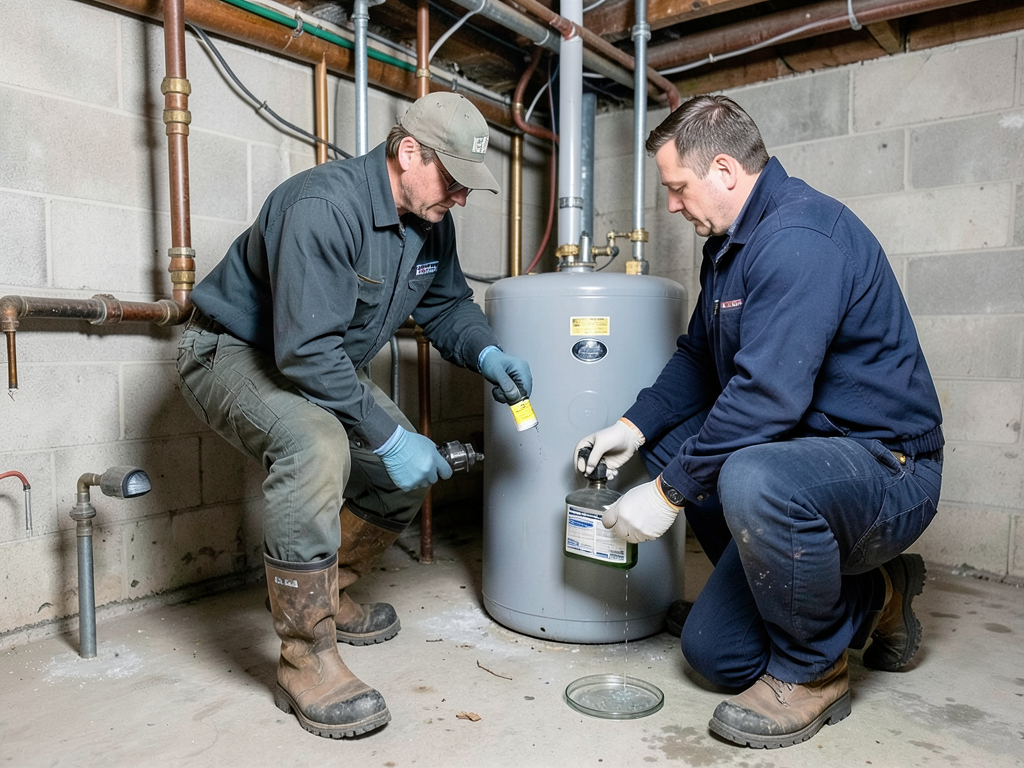
Start with the water heater. Check the anode rod for corrosion, inspect the temperature and pressure relief valve, and look for sediment buildup in the tank. Baltimore's hard water accelerates mineral accumulation, reducing efficiency and shortening the lifespan of heating elements. Flushing the tank removes sediment before it hardens into scale.

Next, inspect all visible supply lines under sinks, behind toilets, and near appliances. Look for corrosion, moisture stains, or mineral deposits around connections. Flex lines connecting faucets and toilets fail frequently, and a pinhole leak can go unnoticed for weeks until it saturates drywall or subflooring.

Drain lines require a different approach. Run water in every fixture and listen for gurgling sounds, which indicate venting issues or partial blockages. Check P-traps for proper slope and leaks. In older Baltimore homes, cast iron drain stacks often corrode from the inside, creating rough surfaces that catch debris and form clogs.

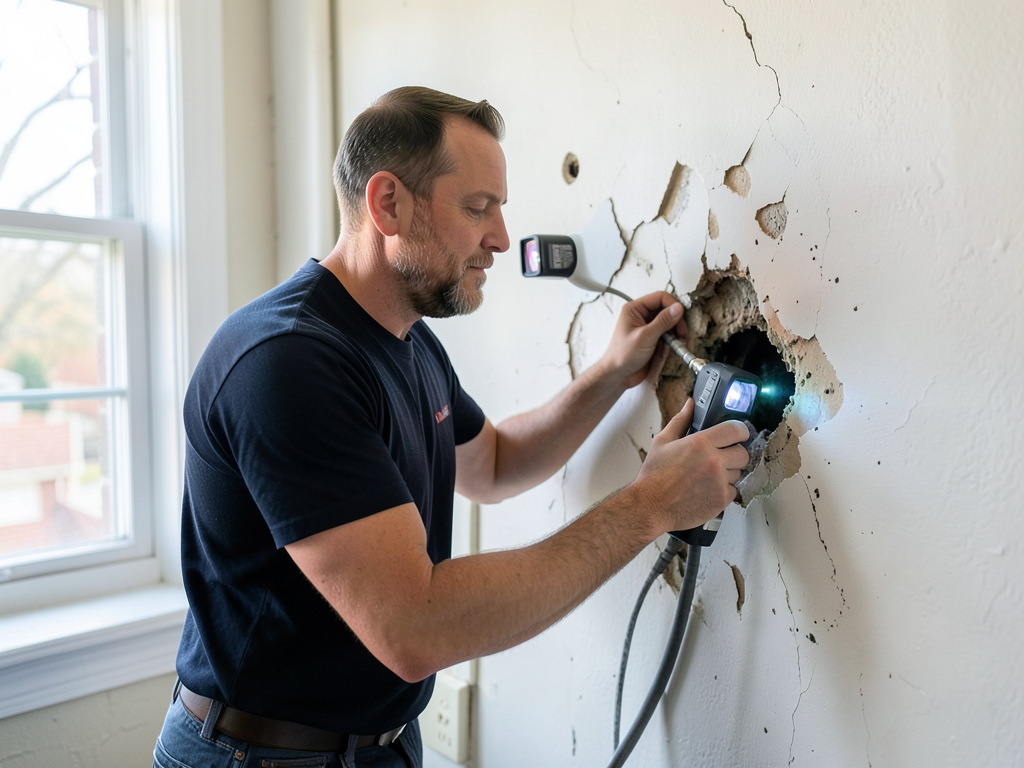
The sewer line inspection uses a camera to examine the pipe from cleanout to street connection. Tree roots from Norway maples and sycamores common in Baltimore punch through joints and create blockages. Clay tile sewer lines, standard in pre-1970 construction, crack and separate as soil shifts. Catching these problems early means scheduling a repair, not an emergency excavation.

How to Complete Your Home Plumbing Inspection

Plumbing Inspection Checklist for Baltimore Homes – Prevent Costly Repairs Before They Start
01

Visual System Survey

Walk through your home and document every plumbing fixture, supply line, and drain connection. Take photos of water heater labels, main shutoff valve locations, and any visible corrosion or moisture stains. Check basement ceiling joists for water damage patterns that indicate slow leaks. This baseline documentation helps you track changes over time and gives service technicians critical information during repairs.
02

Functional Performance Testing

Run all fixtures simultaneously to test water pressure and drainage capacity. Flush toilets while showers run. Fill sinks and release the water to check drain speed. Listen for water hammer, gurgling drains, or whistling supply lines. Measure water heater recovery time by timing how long it takes to refill with hot water after heavy use. These stress tests reveal capacity issues and hidden problems.
03

Documentation and Action Plan

Record your findings in a dated log with photos and measurements. Note any slow drains, low pressure areas, or unusual sounds. Prioritize repairs by urgency and budget. Active leaks get immediate attention. Corroded supply lines and failing water heaters go on the short-term list. Preventative tasks like water heater flushing and aerator cleaning become part of your annual maintenance schedule.

Why Baltimore Homeowners Trust Local Plumbing Expertise

Baltimore's plumbing infrastructure presents unique challenges that require local knowledge. The city's water comes primarily from the Susquehanna River system, treated to meet federal standards but still carrying mineral content that accelerates scale buildup. A plumber familiar with Baltimore water knows to recommend water softeners and annual tank flushing, not generic maintenance schedules written for softer water regions.

Local building codes also matter. Baltimore City requires backflow prevention devices on certain fixtures, especially in mixed-use buildings or homes with irrigation systems. Permit requirements for water heater replacements differ between the city and surrounding Baltimore County. A local plumbing professional navigates these regulations without delays or failed inspections.

The housing stock itself demands specialized experience. Rowhouses in neighborhoods like Hampden and Highlandtown share plumbing walls, meaning a problem in one unit can affect neighbors. Victorian homes in Bolton Hill often have obsolete plumbing configurations that require creative solutions to modernize without destroying historic details. Split-level homes common in Parkville and Towson have complex drainage systems that need careful evaluation.

Keystone Plumbing Baltimore understands these local factors because we work in these homes every day. We know which streets still have lead service lines requiring filtration. We recognize the signs of settling foundations in areas with unstable clay soil. We stock parts for outdated fixtures common in Baltimore's older housing.

This local expertise translates into faster diagnostics, accurate recommendations, and repairs that address root causes instead of symptoms. You get solutions designed for your specific home and neighborhood, not generic approaches that might work elsewhere but fail in Baltimore's unique conditions.

What to Expect from a Professional Plumbing Inspection

Inspection Timeline and Scheduling

A thorough residential plumbing checkup takes two to four hours depending on home size and age. Schedule inspections during business hours when you can be present to discuss findings. Spring and fall offer ideal timing, allowing you to address issues before winter freezes or summer vacation absences. Most plumbing companies in Baltimore offer flexible scheduling with same-week availability. The inspection includes all accessible plumbing components, though areas behind finished walls require separate camera inspection if problems are suspected.

Comprehensive System Evaluation

The technician tests water pressure at multiple fixtures, inspects all visible supply and drain lines, evaluates water heater condition, and checks for proper venting. Expect questions about water usage patterns, recent problems, and home age. The inspection includes running camera equipment through main sewer lines when accessible, testing shut-off valves for functionality, and examining outdoor components like hose bibs and main line connections. You receive a written report documenting conditions, identifying immediate concerns, and recommending preventative maintenance.

Detailed Findings Report

Your plumbing system inspection guide comes as a written document with photos showing problem areas and component conditions. The report separates urgent repairs from routine maintenance and future planning items. Each finding includes an explanation of the problem, potential consequences if ignored, and recommended solutions. You get specific information about fixture lifespans, material conditions, and code compliance issues. This documentation helps you budget for repairs and provides valuable information for home sales or insurance claims.

Ongoing Maintenance Planning

After the initial inspection, establish a preventative plumbing maintenance checklist tailored to your home's specific conditions and age. Most homes benefit from annual water heater maintenance, biannual drain cleaning, and quarterly visual checks of accessible components. Older homes or those with previous problems may need more frequent attention. Professional plumbers can set up reminder systems and maintenance contracts that keep your plumbing system functioning reliably between major repairs. This proactive approach prevents emergency calls and extends the life of expensive components like water heaters and sewer lines.

Frequently Asked Questions

You Have Questions,
We Have Answers

What does a plumbing inspection consist of? +

A plumbing inspection examines all visible water supply lines, drain lines, water heaters, fixtures, and appliances. The plumber checks for leaks, corrosion, water pressure issues, and proper venting. In Baltimore, inspectors pay close attention to older cast iron pipes common in rowhomes, which corrode faster due to high humidity. They test drainage speed, inspect exposed pipes in basements, check shut-off valves, and look for signs of previous water damage. The inspection covers toilets, sinks, showers, washing machine connections, and outdoor hose bibs. Gas lines and water main connections also get evaluated when accessible.

What are the 5 main items you should inspect for at a drain detail? +

At a drain detail, inspect the drain opening for debris buildup or damage. Check the trap configuration for proper P-trap installation and water seal. Look for signs of slow drainage or standing water that signal partial blockages. Examine visible pipe connections for leaks, corrosion, or loose fittings. Finally, assess venting adequacy to prevent siphoning and ensure proper drainage flow. In Baltimore rowhomes with shared drain stacks, proper venting becomes even more critical. Baltimore's clay soil can shift foundations and stress drain connections, so look for separation at joints or signs of ground movement affecting pipe alignment.

What should be included in the inspection checklist? +

Your inspection checklist should include water heater age and condition, all visible supply and drain lines, fixture operation, water pressure testing, and drain flow rates. Document shut-off valve functionality, check for active leaks or water stains, inspect sump pumps if present, and test backflow preventers. In Baltimore, add inspection points for basement flooding history, exterior hose bibs for freeze damage, and sewer lateral condition if accessible. Check toilet seals, faucet aerators for sediment, washing machine hoses, and under-sink cabinet conditions. Note any DIY repairs that may not meet code requirements.

How much should a plumbing inspection cost? +

In Baltimore, a standard whole-house plumbing inspection typically ranges from 150 to 400 dollars, depending on property size and age. Older rowhomes with multiple stories and cast iron piping take longer to inspect and cost more. Basic condo inspections run cheaper than detached single-family homes. Adding sewer camera inspections increases the cost by 200 to 400 dollars but proves valuable for older properties with clay or cast iron sewer laterals. Pre-purchase inspections cost more than routine maintenance inspections because they require detailed reporting. Always get written quotes that specify what the inspection covers before scheduling.

How Baltimore's Water Quality Affects Your Plumbing Inspection Priorities

Baltimore's municipal water contains higher mineral content than many East Coast cities, particularly calcium and magnesium that cause hardness readings between 80 and 120 parts per million. This accelerates scale buildup inside water heaters, reduces fixture lifespan, and creates crusty deposits around faucet aerators. Your home plumbing inspection list must prioritize water heater flushing and supply line evaluation more frequently than homes in soft water regions. Galvanized pipes common in pre-1980 Baltimore construction corrode faster when exposed to hard water, creating rust particles that clog aerators and damage fixture cartridges.

Choosing a plumber with Baltimore-specific experience means working with someone who understands local water chemistry, recognizes common problems in the city's diverse housing stock, and knows which components fail first in this environment. Generic plumbing maintenance checklists written for national audiences miss these local factors. A residential plumbing checkup list designed for Baltimore addresses the unique combination of old infrastructure, hard water, and seasonal temperature extremes that stress your home's plumbing system in ways different from other cities.
Plumbing Services in The Baltimore Area

Discover our conveniently located service hub, strategically positioned to ensure rapid response times across the region. While our office welcomes inquiries, our skilled technicians are typically out in the field, ready to bring our expertise directly to your doorstep. We are committed to serving the entire area efficiently, making sure expert plumbing assistance is always just a call away, wherever you are.

Address:
Keystone Plumbing Baltimore, 312 N Martin Luther King Jr Blvd, Baltimore, MD, 21201

Additional Services We Offer

Our news updates

Latest Articles & News from The Blogs

Adding a Luxury Wet Bar to Your Rooftop Deck in South Baltimore Imagine sipping a cocktail on your rooftop deck…

Adding a Luxury Wet Bar to Your Rooftop Deck in South Baltimore

Adding a Luxury Wet Bar to Your Rooftop Deck in South Baltimore Imagine sipping a cocktail on your rooftop deck…

Finding and Fixing Hidden Slab Leaks Under Your Beverly Hills Home

Finding and Fixing Hidden Slab Leaks Under Your Beverly Hills Home A hidden slab leak can silently destroy your Beverly…

How to Repair a Leaky Shower Valve in Your Cross Keys Condo

How to Repair a Leaky Shower Valve in Your Cross Keys Condo Living in the Village of Cross Keys means…

Contact Us

Stop guessing about your plumbing system's condition. Call Keystone Plumbing Baltimore at (443) 443-9099 to schedule a comprehensive inspection. Get the detailed residential plumbing checkup list your Baltimore home needs to prevent costly emergency repairs.