Menu

How to Prevent Frozen Pipes in Baltimore – Protect Your Home Before the Mid-Atlantic Freeze Hits

Learn proven winterizing strategies for Baltimore's unpredictable freeze-thaw cycles, from insulating exposed crawl space lines to draining outdoor spigots, so you avoid burst pipe emergencies when temperatures drop below 20°F.

Slider Image 1
Slider Image 2
Slider Image 3
Slider Image 4
Slider Image 5
Slider Image 7
Slider Image 8
Slider Image 9
Slider Image 10
Slider Image 11

Why Baltimore Homes Are Vulnerable to Frozen Pipes Every Winter

Baltimore sits in a freeze-thaw zone where temperatures swing from the mid-40s to the low teens within 48 hours. This volatility creates the perfect storm for frozen pipe disasters. Water expands 9% when it freezes. That expansion generates over 2,000 pounds per square inch of pressure inside copper or PEX lines. The result is a split pipe, thousands of gallons of water damage, and insurance headaches.

Most homes in Baltimore were built before modern insulation standards. Row homes in Canton and Fells Point share unheated party walls. Crawl spaces in Towson and Pikesville sit exposed to wind gusts off the Chesapeake Bay. Older homes in Roland Park have exterior hose bibs that lack frost-proof valves. These are the weak points where freezing starts.

Stopping pipes from freezing requires more than leaving the heat on. You need to understand where cold air infiltrates your plumbing system. Exterior walls, unheated basements, attic water lines, and garage supply pipes are the highest-risk zones. Keeping water pipes from freezing means addressing these specific vulnerabilities before the first hard freeze, which typically hits Baltimore in late December.

Frozen pipe prevention tips are not one-size-fits-all. A home with a slab foundation needs a different approach than a Victorian with a stone basement. Winterizing plumbing pipes starts with knowing your home's anatomy. Protecting pipes from freezing is about eliminating exposure, maintaining heat flow, and ensuring water keeps moving when outdoor temps drop below 32°F for more than six hours.

You can take action now. Most preventative steps cost less than $50 and take under two hours. Compare that to the $10,000 average cost of repairing a burst pipe and the resulting water damage. Baltimore winters are unforgiving. Your plumbing does not have to be.

Why Baltimore Homes Are Vulnerable to Frozen Pipes Every Winter
The Science Behind Frozen Pipe Prevention and What Actually Works

The Science Behind Frozen Pipe Prevention and What Actually Works

Water freezes at 32°F, but pipes begin to freeze when ambient air around the line drops to 20°F for at least six consecutive hours. The freezing process starts at the exterior-facing section of the pipe and moves inward. Once ice forms, it creates a plug. Water pressure builds behind that plug until the pipe wall fails. The rupture usually happens at a joint, elbow, or section of pipe with the thinnest wall thickness.

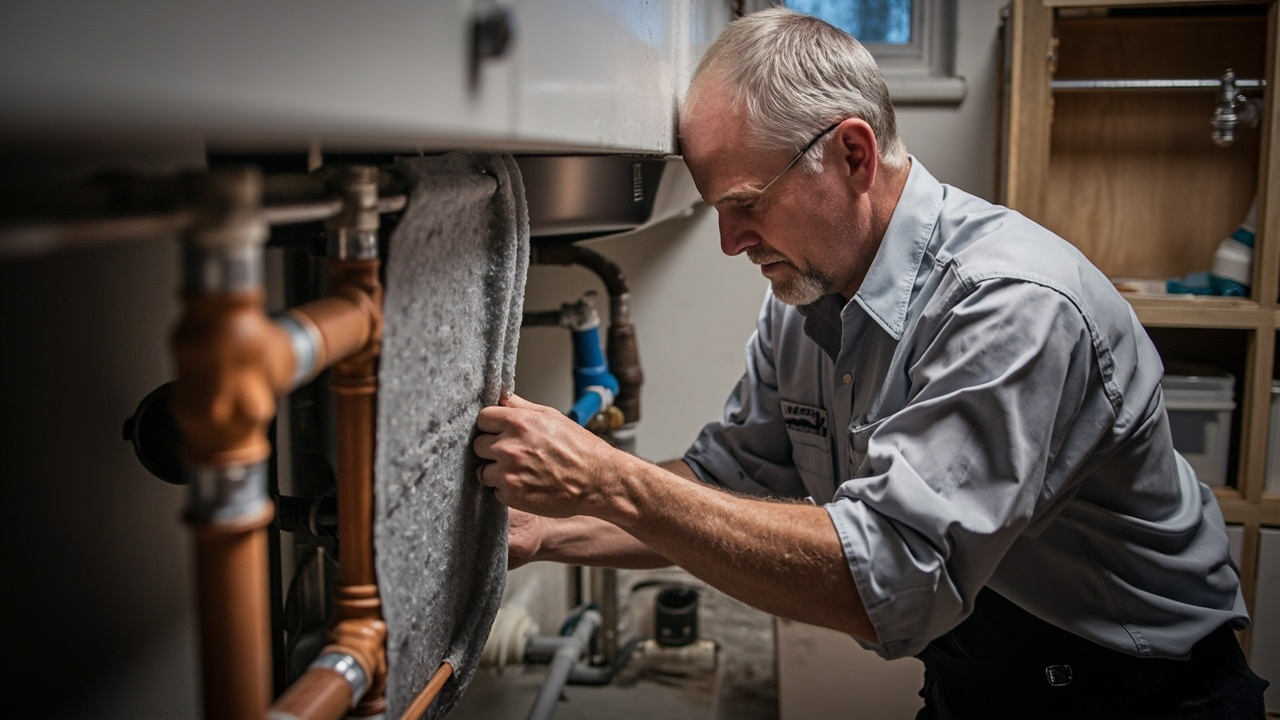
Preventing this starts with thermal mass and insulation. Pipe insulation sleeves, whether foam or fiberglass, slow heat loss from the water inside the pipe. A half-inch foam sleeve can reduce heat loss by 60%. For exposed pipes in unheated spaces like crawl spaces or exterior walls, this is the first line of defense. Wrap every inch of exposed copper, PEX, or galvanized line in these areas.

Heat trace cable is the second tool. This low-wattage electrical cable wraps around the pipe and maintains a minimum temperature of 40°F. It is critical for lines in unheated garages, outdoor pump houses, or supply lines running through uninsulated rim joists. The cable activates automatically when temps drop below a set threshold. Pair it with foam insulation for maximum protection.

Airflow control matters as much as insulation. Seal gaps around pipes where they penetrate exterior walls or foundation walls. Use spray foam or silicone caulk to eliminate drafts. Cold air moving across a wet pipe accelerates freezing. A small gap around a hose bib penetration can drop the local temperature by 10°F.

Finally, maintain water movement. Moving water resists freezing. Open cabinet doors under sinks on exterior walls to allow warm air circulation. Let faucets drip at a pencil-lead flow rate during extreme cold snaps. This keeps water moving through the line and relieves pressure if freezing starts upstream. These steps work because they address the physics of heat transfer and pressure buildup.

Your Complete Winterization Checklist for Baltimore Homes

How to Prevent Frozen Pipes in Baltimore – Protect Your Home Before the Mid-Atlantic Freeze Hits
01

Inspect and Insulate Exposed Lines

Walk your basement, crawl space, attic, and garage. Identify every section of exposed pipe. Copper supply lines, PEX runs along exterior walls, and galvanized risers in unheated zones are priorities. Measure the diameter and buy foam pipe sleeves from a hardware store. Slide the sleeves over the pipes and secure the seams with duct tape. Do not skip short sections or elbows.
02

Disconnect and Drain Outdoor Faucets

Locate the shutoff valve inside your home that controls each outdoor hose bib. Turn it off. Go outside and open the faucet fully to drain residual water. If your hose bib has a small bleeder cap on the side, open it to let air in and water out. Store garden hoses indoors. Any water left in the line will freeze and crack the valve body or pipe.
03

Seal Penetrations and Set Emergency Protocol

Use caulk or expanding foam to seal gaps where pipes enter through foundation walls, rim joists, or crawl space vents. Even a quarter-inch gap lets in enough cold air to freeze a line. Program your thermostat to never drop below 55°F, even when you travel. Know where your main water shutoff is located and test it before winter. If a pipe does freeze, shutting off the main limits flood damage.

Why Baltimore Homeowners Trust Local Expertise for Winter Pipe Protection

Baltimore has a specific building DNA. Row homes in Hampden and Federal Hill share party walls with no insulation between units. Victorian homes in Bolton Hill have crawl spaces with ventilated brick foundations that date to the 1880s. Split-level homes in Towson were built in the 1960s with minimal rim joist insulation. Each architectural style has unique freeze vulnerabilities.

A plumber who works exclusively in Baltimore understands these nuances. We know that row homes often have water service lines running through unheated party walls. We know that older homes have galvanized supply lines that corrode from the inside, making them more prone to rupture under freeze pressure. We know that homes near the harbor face higher humidity levels, which accelerate freeze damage when temps drop.

Baltimore building codes require frost-proof hose bibs on new construction, but older homes lack this protection. A local plumber can retrofit your existing hose bibs with frost-proof valves that have a shutoff mechanism six inches inside the heated wall cavity. This eliminates the most common freeze point in residential plumbing.

Local knowledge extends to product selection. Big-box stores sell foam pipe insulation rated for 40°F outdoor temps. That is inadequate for Baltimore winters, where temps can hit 10°F for days. We use commercial-grade insulation rated for sub-zero exposure and specify heat trace cable for high-risk sections. These materials cost 20% more but prevent 90% of freeze failures.

Keystone Plumbing Baltimore has worked in every neighborhood from Catonsville to Parkville. We have seen the same freeze patterns repeat across hundreds of service calls. We know which homes flood first when a polar vortex hits. We use that experience to prioritize your most vulnerable pipes and eliminate guesswork. You get targeted protection, not generic advice.

What to Expect When You Take Action This Winter

Immediate Risk Reduction

Most winterization steps take two to four hours to complete. You can insulate exposed pipes, disconnect hose bibs, and seal penetrations in a single weekend. The protection is immediate. Once foam sleeves are installed and outdoor faucets are drained, your freeze risk drops by 80%. If you add heat trace cable to high-risk sections, you approach near-total protection. The investment is minimal compared to the alternative. A burst pipe repair starts at $1,500 for labor and materials, and water damage restoration averages $8,000. You avoid both with a few hours of prep work.

Professional Assessment for Complex Situations

Some homes require professional evaluation. If your water service line enters through an unheated crawl space, if you have an outdoor well pump, or if you have had freeze damage before, call for an assessment. A licensed plumber will map your supply lines, identify thermal weak points, and recommend solutions specific to your home's layout. This includes heat trace cable installation, insulation upgrades, or relocating exposed pipes inside conditioned space. The assessment takes 30 to 60 minutes and provides a detailed action plan. You get clarity on what needs to happen and why.

Long-Term Protection and Peace of Mind

Once your pipes are winterized, they stay protected for the entire heating season. Foam insulation lasts five to ten years before it degrades. Heat trace cable lasts 15 to 20 years. Frost-proof hose bibs last 25 years. You are not repeating this process every winter. You do it once, do it right, and forget about it. When temperatures drop to 15°F and your neighbors are dealing with burst pipes and flooded basements, your plumbing stays intact. That peace of mind is worth more than the cost of materials.

Emergency Response When Prevention Fails

Even with the best preparation, freak weather events happen. If a pipe does freeze despite your efforts, response time matters. Shut off your main water supply immediately to limit damage. Call a licensed plumber who can thaw the line using heat guns or pipe-thawing equipment. Do not use open flame or space heaters near frozen pipes. This creates fire risk and can burst the pipe from rapid expansion. A professional thaw takes 30 to 90 minutes and restores flow without damage. Keep the number for Keystone Plumbing Baltimore saved in your phone so you can act fast if the worst happens.

Frequently Asked Questions

You Have Questions,
We Have Answers

How do I stop my pipes from freezing? +

Insulate exposed pipes in unheated spaces like crawl spaces, attics, and garages using foam pipe insulation or heat tape. Seal air leaks around pipes where they penetrate walls or floors. Keep cabinet doors open under sinks to allow warm air circulation. Maintain your thermostat at 55°F minimum when you leave home. Disconnect garden hoses and drain outdoor faucets before winter. Baltimore homes with older plumbing or poor insulation face higher freeze risk during January cold snaps. If pipes run along exterior walls, consider adding extra wall insulation during renovations.

At what temperature do pipes freeze? +

Pipes typically freeze when temperatures drop to 20°F or below for extended periods. However, pipes in unheated areas like crawl spaces or exterior walls can freeze at 32°F if exposed to wind or moisture. Baltimore winters average 15-20 days below freezing each year, with overnight lows occasionally reaching single digits. Your risk increases with wind chill, which draws heat from pipes faster. Copper pipes freeze quicker than PEX due to metal conductivity. Older Baltimore rowhomes with shared walls have less exposure risk than detached suburban homes with more exterior wall surface area.

At what temperature should you let your faucets drip? +

Start dripping faucets when temperatures drop to 20°F or below, especially if the forecast predicts sustained cold for six hours or more. Baltimore typically sees these conditions during January and February cold fronts. Focus on faucets connected to pipes running through exterior walls, unheated basements, or crawl spaces. A slow drip relieves pressure buildup if ice forms and keeps water molecules moving. Monitor weather forecasts closely during winter storms. If temperatures hover near 25°F with high winds, drip faucets as a precaution since wind chill accelerates heat loss from exposed pipes.

Do faucet covers keep pipes from freezing? +

Faucet covers protect the spigot itself but do not prevent pipes from freezing behind the wall or underground. They provide basic insulation against wind and direct cold contact. For Baltimore winters, disconnect hoses, drain outdoor faucets completely, and shut off the interior valve supplying the outdoor spigot. If you lack a shutoff valve, insulate the pipe inside the crawl space or basement where it runs to the exterior wall. Covers work best as secondary protection after you drain lines. Many Baltimore rowhomes have outdoor faucets on exposed rear walls requiring extra attention.

How much water should I run to keep pipes from freezing? +

Run faucets at a pencil-lead thickness drip, roughly five drips per minute. You need just enough flow to keep water molecules moving and relieve pressure if ice forms downstream. Open both hot and cold taps slightly if they share the same supply line routing. Running water wastes less than repairing a burst pipe, which can cost thousands in damage and restoration. Baltimore water rates average around $8 per 1,000 gallons, so a 24-hour drip during a cold snap costs pennies compared to flooding risk. Drip furthest faucets first since they have the longest pipe runs.

Do ping pong balls keep water from freezing? +

Ping pong balls do not prevent pipe freezing. This internet myth suggests floating balls stop ice formation, but residential plumbing operates under pressure in closed systems where balls cannot function. The claim originates from livestock water troughs where constant ball movement breaks surface ice. Your home pipes need insulation, heat tape, or flowing water to prevent freezing. Baltimore homeowners should ignore gimmicks and focus on proven methods like pipe insulation, cabinet door ventilation, and strategic faucet dripping. If you see this advice online, dismiss it and use validated freeze prevention techniques instead.

Does running water prevent freezing pipes? +

Yes, running water prevents freezing because moving water molecules resist ice crystal formation. Flowing water also relieves pressure if ice begins forming elsewhere in the line, reducing burst risk. Even a slight drip keeps water circulating enough to prevent freezing during Baltimore cold snaps. The friction from water movement generates minimal heat. Open the faucet furthest from your water meter since that pipe travels the longest distance and faces more exposure risk. Running water works best combined with insulation. Do not rely solely on dripping if you have known problem pipes in unheated crawl spaces.

How to properly drip faucets? +

Turn the faucet handle so water flows at a pencil-lead width or about five drips per minute. Open both hot and cold sides if the pipes share routing through vulnerable areas. Let the water fall directly into the drain to avoid splashing. Focus on faucets along exterior walls or those supplied by pipes running through unheated spaces. In multi-story Baltimore rowhomes, drip upstairs faucets since rising heat protects lower levels better. Check drips periodically because water pressure fluctuations can slow flow. If you hear gurgling or see ice near fixtures, increase the drip rate immediately.

How do I know if my pipes are starting to freeze? +

Early signs include reduced water flow from faucets, gurgling sounds when you turn taps on, or visible frost on exposed pipes. You might smell a musty odor if condensation forms around cold pipes. Toilets may refill slowly or incompletely. In Baltimore homes, check crawl space pipes first during cold spells since they freeze before main floor lines. If only one faucet produces weak flow while others work normally, ice likely blocks that specific supply line. Tap pipes gently with your hand. A dull thud instead of a metallic ring suggests ice inside. Act immediately before blockages become complete.

Do I need to let all faucets drip or just one? +

Drip faucets connected to pipes running through exterior walls, crawl spaces, attics, or unheated garages. You do not need to drip every fixture. Identify vulnerable locations by tracing your supply lines during warmer months. In Baltimore rowhomes, rear bathrooms and kitchens along exposed back walls need attention. Single-family homes should drip faucets on north-facing walls since they receive the least sun exposure during winter. If your home has proven problem areas from past winters, prioritize those fixtures. When in doubt, drip the furthest faucet from your water meter since it has the longest pipe run.

How Baltimore's Chesapeake Bay Humidity Amplifies Freeze Damage Risk

Baltimore sits 15 miles from the Chesapeake Bay, which creates elevated humidity levels year-round. When winter temperatures drop, this moisture condenses on cold pipe surfaces in unheated spaces. Condensation accelerates heat loss from the pipe wall, which speeds up freezing. Homes near the harbor in Canton, Locust Point, and South Baltimore face higher condensation rates than inland neighborhoods like Catonsville or Reisterstown. This means pipes in waterfront homes freeze faster and at slightly higher temperatures than the standard 20°F threshold. If you live within five miles of the harbor, add extra insulation to crawl space pipes and consider heat trace cable even for moderately exposed lines.

Baltimore County and Baltimore City enforce the International Plumbing Code, which sets minimum standards for pipe insulation and freeze protection in new construction. However, most homes in the city were built before these codes took effect in 2003. That leaves tens of thousands of homes with substandard freeze protection. Local plumbers understand this gap and know how to retrofit older homes to modern standards without tearing into walls. Keystone Plumbing Baltimore works with homeowners across the metro area to bring legacy plumbing systems up to code. We know which permits are required for heat trace cable installation and which insulation products meet Baltimore County building inspections. You get compliant, effective protection.
Plumbing Services in The Baltimore Area

Discover our conveniently located service hub, strategically positioned to ensure rapid response times across the region. While our office welcomes inquiries, our skilled technicians are typically out in the field, ready to bring our expertise directly to your doorstep. We are committed to serving the entire area efficiently, making sure expert plumbing assistance is always just a call away, wherever you are.

Address:
Keystone Plumbing Baltimore, 312 N Martin Luther King Jr Blvd, Baltimore, MD, 21201

Additional Services We Offer

Our news updates

Latest Articles & News from The Blogs

Adding a Luxury Wet Bar to Your Rooftop Deck in South Baltimore Imagine sipping a cocktail on your rooftop deck…

Adding a Luxury Wet Bar to Your Rooftop Deck in South Baltimore

Adding a Luxury Wet Bar to Your Rooftop Deck in South Baltimore Imagine sipping a cocktail on your rooftop deck…

Finding and Fixing Hidden Slab Leaks Under Your Beverly Hills Home

Finding and Fixing Hidden Slab Leaks Under Your Beverly Hills Home A hidden slab leak can silently destroy your Beverly…

How to Repair a Leaky Shower Valve in Your Cross Keys Condo

How to Repair a Leaky Shower Valve in Your Cross Keys Condo Living in the Village of Cross Keys means…

Contact Us

Do not wait for a weather alert to take action. Call Keystone Plumbing Baltimore at (443) 443-9099 to schedule a winterization assessment or get answers to your specific freeze protection questions. We serve every neighborhood in the Baltimore metro area and respond fast.