
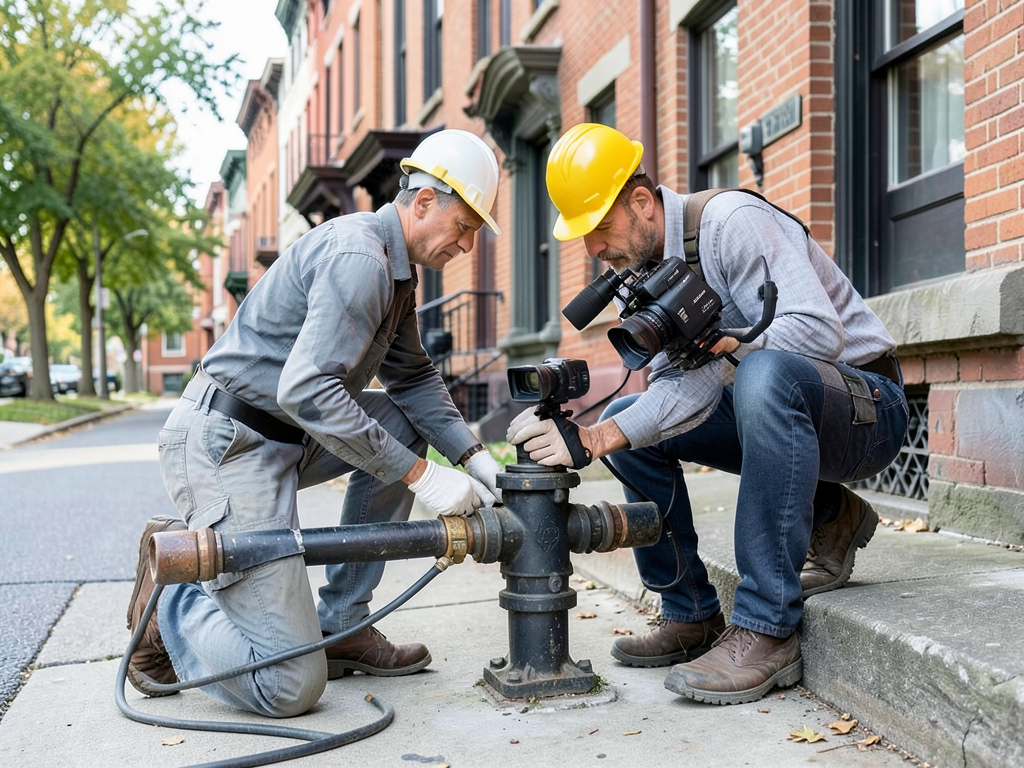
Restoring and Repairing Vintage Plumbing Fixtures in Your Marble Hill Historic Home
Marble Hill’s historic homes built before 1940 feature plumbing systems that tell a story of craftsmanship and materials long since phased out. These vintage fixtures—from clawfoot tubs to brass faucets—require specialized knowledge to restore properly. The challenge lies in preserving their character while ensuring they meet modern safety standards and function reliably.
Homeowners in Marble Hill face unique plumbing restoration challenges. Many properties retain original lead service lines, galvanized steel supply pipes, and cast iron waste stacks that are now over 80 years old. These materials corrode from the inside out, causing reduced water pressure, discolored water, and eventual failure. The key to successful restoration is understanding which components can be preserved and which must be replaced for safety and efficiency. Fast Water Heater Replacement for Homeowners in Towson and Lutherville.
Restoring vintage plumbing requires more than just technical skill—it demands respect for historical integrity. The goal is to make these systems invisible yet reliable, maintaining the home’s original aesthetic while eliminating the risks of outdated materials. This means using modern PEX or copper piping hidden within existing walls, replacing lead joints with lead-free alternatives, and refurbishing original fixtures to like-new condition.
Before beginning any restoration project, a thorough inspection is essential. This includes testing water pressure, checking for lead content, examining pipe condition through video inspection, and assessing the structural integrity of supporting elements. Many Marble Hill homes have plaster walls and original wood framing that require careful handling during restoration work. Fixing Low Water Pressure in Your Locust Point Rowhome.
Common Vintage Plumbing Issues in Marble Hill Homes
Lead service lines were standard in Baltimore homes built before 1950. These pipes can leach lead into drinking water, especially when water sits stagnant or when pipes are disturbed during repairs. Testing for lead content is the first step in any vintage restoration project. If lead levels exceed EPA action levels of 15 parts per billion, replacement is mandatory. EPA information on lead in drinking water.
Galvanized steel pipes present another common problem. These pipes develop internal corrosion that reduces water flow and creates perfect conditions for bacterial growth. The corrosion is often invisible from the outside until a pipe fails completely. When water from galvanized pipes appears rusty or has a metallic taste, replacement is the only permanent solution.. Read more about How to Check for Lead Pipes in Your Highlandtown Home.
Cast iron waste stacks in older homes frequently develop cracks and corrosion at the joints. These failures can cause sewage leaks within walls or under floors, leading to structural damage and health hazards. Modern PVC replacements offer superior longevity and resistance to corrosion, but installation requires careful planning to minimize disruption to historic interiors.
Clay sewer lines, common in homes built before 1970, are particularly vulnerable to tree root intrusion. The bell-and-spigot joints that connect clay pipe sections create gaps where roots can penetrate. Once inside, roots expand and cause blockages or complete pipe collapse. Video inspection can identify these issues before they cause sewage backups. Trenchless Sewer Line Repair for Historic Homes in Roland Park.
Restoration vs. Replacement: Making the Right Choice
Not every vintage component needs replacement. Many original fixtures—particularly clawfoot tubs, pedestal sinks, and brass faucets—can be professionally refinished to like-new condition. The process involves removing old finishes, repairing chips or cracks, and applying modern, durable coatings that preserve the original appearance while improving functionality. Professional Drain Cleaning Services to Clear Stubborn Clogs in Federal Hill.
When replacement is necessary, the goal is to match original aesthetics as closely as possible. Modern reproduction fixtures designed to match historical styles are available, but quality varies significantly. Working with a specialist who understands period-appropriate designs ensures replacements blend seamlessly with existing elements.
Water supply lines present a different challenge. While original brass or copper pipes may still function, they often cannot deliver adequate water pressure for modern households. Replacing these lines with PEX or modern copper while preserving visible brass fittings offers the best balance of performance and aesthetics.
Waste and vent systems require careful consideration of building codes. Modern plumbing codes mandate specific venting requirements that may not align with original layouts. Creative solutions, such as hidden vent routes or air admittance valves in certain applications, can maintain code compliance while preserving historic wall and ceiling finishes.
The Restoration Process: What to Expect
Successful vintage plumbing restoration follows a systematic approach. The process begins with a comprehensive inspection using modern diagnostic tools—video cameras for drain lines, pressure testing for supply systems, and moisture meters to detect hidden leaks. This assessment forms the basis for a restoration plan that prioritizes safety and functionality.
Lead service line replacement typically involves excavating the line from the street main to the home’s foundation. In Marble Hill’s established neighborhoods, this work must be coordinated with local utilities and often requires permits from the Baltimore City Department of Public Works. The process usually takes 1-2 days with minimal disruption to landscaping.
Interior pipe replacement can often be completed with minimal wall damage by using existing pipe chases and access points. Modern PEX piping can be fished through walls without extensive demolition, preserving plaster and trim work. This approach reduces restoration costs and maintains the home’s historic character.
Fixture restoration involves removing items to a workshop for professional refinishing. Clawfoot tubs receive new porcelain or acrylic coatings, while brass fixtures undergo polishing and protective sealing. The process typically takes 2-3 weeks, during which temporary fixtures ensure continued functionality.
Modern Upgrades That Preserve Historic Character
Several modern plumbing technologies can be integrated into vintage systems without compromising historical integrity. PEX piping offers flexibility for routing through existing structures, reducing the need for wall demolition. Its resistance to freezing and corrosion makes it ideal for historic home applications.
Low-flow fixtures represent another upgrade opportunity. Modern aerators and showerheads can reduce water consumption by 30-50% while maintaining the appearance of original fixtures. These devices are often invisible once installed and help preserve aging plumbing systems by reducing water volume and pressure.. Read more about Cleaning a Clogged Showerhead Without Damaging the Finish in Windsor Hills.
Water filtration systems can address quality issues in older homes without requiring pipe replacement. Point-of-use filters at sinks or whole-house systems can remove lead, sediment, and other contaminants, providing safe drinking water while restoration work progresses.
Smart water monitoring technology offers protection for restored systems. Leak detection sensors can alert homeowners to problems before they cause significant damage. These devices are particularly valuable in vintage homes where original materials may be more vulnerable to water damage.
Cost Considerations and Budgeting
Vintage plumbing restoration costs vary significantly based on home size, pipe condition, and desired outcomes. Lead service line replacement typically costs $3,000-$5,000, while complete interior repiping ranges from $4,000-$15,000 depending on home size and accessibility. Fixture restoration adds $200-$800 per item.
Hidden costs often include repairing wall damage, replacing flooring where pipes run beneath, and addressing any mold or water damage discovered during the process. Budgeting an additional 20-30% for unexpected issues is prudent when working with vintage systems.
Several factors can increase restoration costs. Homes with multiple stories, finished basements, or complex layouts require more labor and materials. Properties in historic districts may need additional permits or compliance measures. Working around original plaster walls and trim work also adds labor costs compared to new construction.
Insurance considerations are important. Some insurers offer discounts for updated plumbing systems, while others may require documentation of lead pipe replacement for coverage. Checking with your insurance provider before beginning work can prevent coverage issues.
Maintaining Your Restored Plumbing System
Proper maintenance extends the life of restored plumbing systems and prevents costly repairs. Annual inspections can identify developing issues before they become emergencies. This includes checking for leaks, testing water pressure, and examining visible pipes for signs of corrosion or damage.
Water quality testing should be conducted annually, especially in homes with partial lead pipe replacement. Testing kits are available at hardware stores, or professional testing can provide more comprehensive results. Addressing water quality issues promptly prevents damage to restored fixtures and pipes.. Read more about Should You Add a Bidet to Your Bathroom in Reservoir Hill?.
Seasonal maintenance is particularly important in Baltimore’s climate. Before winter, disconnect outdoor hoses and insulate exposed pipes to prevent freezing. In summer, check for signs of foundation settling that could stress underground pipes. These simple steps can prevent emergency repairs. Who to Call for an Emergency Pipe Burst in Canton Right Now.
Documenting your restoration work provides valuable reference for future maintenance and can increase property value. Keep records of pipe locations, replacement dates, and any specialized techniques used. This information helps future owners understand the system and can be valuable during property sales.
Choosing the Right Restoration Specialist
Vintage plumbing restoration requires specialized expertise that goes beyond standard plumbing skills. Look for contractors with specific experience in historic home restoration, lead abatement certification, and knowledge of local building codes. Ask for references from similar projects and examples of completed work.
Certifications matter. EPA Lead-Safe certification is required for any work disturbing lead-based paint or pipes. Maryland Master Plumber licenses ensure compliance with state regulations. Additional certifications in historic preservation demonstrate commitment to maintaining architectural integrity. Maryland Department of the Environment lead service line information.
Insurance coverage is critical. Restoration work involves risks not present in standard plumbing repairs—potential lead exposure, structural damage, and the use of specialized equipment. Verify that contractors carry adequate liability insurance and workers’ compensation coverage.
Communication style indicates compatibility. A good restoration specialist will explain options clearly, provide detailed written estimates, and discuss potential challenges before work begins. They should be willing to work with preservation committees or historic district requirements if applicable.
Local Resources and Support
Marble Hill homeowners have access to several resources for vintage plumbing restoration. The Baltimore City Department of Housing and Community Development offers programs for lead pipe replacement in qualifying homes. The Maryland Department of the Environment provides information on lead testing and abatement requirements.
Local historic preservation societies can provide guidance on maintaining architectural integrity during restoration. The Baltimore Commission for Historical and Architectural Preservation (CHAP) oversees changes to properties in historic districts and can advise on appropriate restoration approaches.
Several local suppliers specialize in vintage plumbing fixtures and parts. These businesses can source period-appropriate replacements or provide reproduction items that match original designs. Building relationships with these suppliers can simplify future repair needs.
Online communities and forums for historic home owners offer valuable advice and recommendations. Connecting with neighbors who have completed similar projects can provide insights into local contractors and cost expectations specific to Marble Hill’s housing stock.
Frequently Asked Questions
How do I know if my home has lead pipes?
Lead pipes are dull gray, soft enough to be scratched with a screwdriver, and will leave a metallic mark on paper. A magnet won’t stick to lead. Professional testing provides definitive results and can identify lead content in drinking water.
Can vintage fixtures be made to meet modern water efficiency standards?
Yes. Many vintage fixtures can be retrofitted with modern internal components that reduce water usage while maintaining original external appearances. Low-flow aerators and pressure-compensating valves are common upgrades that preserve aesthetics.
How long does a typical vintage plumbing restoration take?
Simple lead service line replacement takes 1-2 days. Complete interior repiping typically requires 3-7 days depending on home size. Fixture restoration adds 2-3 weeks for professional refinishing. Most whole-house projects span 2-4 weeks total.
Will restoring my plumbing increase my home’s value?
Yes. Updated plumbing systems are major selling points that can increase property values by 5-10%. In historic districts, documented restoration work that maintains architectural integrity is particularly valued by preservation-minded buyers.
Do I need permits for vintage plumbing restoration?
Most plumbing work requires permits from Baltimore City. Lead service line replacement always requires permits and coordination with the water department. Work in historic districts may need additional CHAP approval. Your contractor should handle permit acquisition.
What’s the difference between restoration and replacement?
Restoration preserves original materials and fixtures through repair and refinishing. Replacement involves removing old components and installing new ones. The best approach often combines both—restoring valuable fixtures while replacing unsafe or inefficient pipes.
Ready to Preserve Your Home’s Heritage?
Vintage plumbing restoration requires expertise, patience, and respect for your home’s history. Whether you’re dealing with lead service lines, corroded galvanized pipes, or simply want to restore original fixtures to their former glory, professional guidance ensures the job is done right.
Don’t risk damaging your historic home with improper repairs or using unqualified contractors. The right specialist will preserve your home’s character while providing the safety and reliability of modern plumbing systems.
Call (443) 443-9099 today to schedule your free vintage plumbing assessment. Our specialists understand the unique challenges of Marble Hill’s historic homes and can develop a restoration plan that protects your investment while honoring your home’s heritage.
Pick up the phone and call (443) 443-9099 before the next plumbing emergency strikes. Early intervention prevents costly damage and preserves the character that makes your historic home special.
You may also find this helpful. Picking a High-Efficiency Toilet That Actually Flushes Well for Your Lauraville Home.
{
“@context”: “https://schema.org”,
“@type”: “BlogPosting”,
“headline”: “Restoring and Repairing Vintage Plumbing Fixtures in Your Marble Hill Historic Home”,
“description”: “Expert vintage plumbing restoration for Marble Hill historic homes. Preserve original fixtures while modernizing function. Free consultation available.”,
“wordCount”: 2148,
“datePublished”: “2026-03-22T08:48:00.000Z”,
“dateModified”: “2026-03-22T08:48:00.000Z”,
“inLanguage”: “en-US”,
“mainEntityOfPage”: {
“@type”: “WebPage”,
“@id”: “https://keystoneplumbingbaltimore.com”
},
“publisher”: {
“@type”: “LocalBusiness”,
“name”: “Keystone Plumbing Baltimore”,
“url”: “https://keystoneplumbingbaltimore.com”
},
“author”: {
“@type”: “Organization”,
“name”: “Keystone Plumbing Baltimore”,
“url”: “https://keystoneplumbingbaltimore.com”
},
“image”: {
“@type”: “ImageObject”,
“url”: “https://keystoneplumbingbaltimore.com/wp-content/uploads/2026/03/restoring-and-repairing-vintage-plumbing-fixtures-1.png”
}
}
{
“@context”: “https://schema.org”,
“@type”: “Plumber”,
“name”: “Keystone Plumbing Baltimore”,
“url”: “https://keystoneplumbingbaltimore.com”,
“address”: {
“@type”: “PostalAddress”,
“addressLocality”: “Baltimore”
},
“areaServed”: {
“@type”: “City”,
“name”: “Baltimore”
}
}
{
“@context”: “https://schema.org”,
“@type”: “FAQPage”,
“mainEntity”: [
{
“@type”: “Question”,
“name”: “How do I know if my home has lead pipes?”,
“acceptedAnswer”: {
“@type”: “Answer”,
“text”: “Lead pipes are dull gray, soft enough to be scratched with a screwdriver, and will leave a metallic mark on paper. A magnet won’t stick to lead. Professional testing provides definitive results and can identify lead content in drinking water.”
}
},
{
“@type”: “Question”,
“name”: “Can vintage fixtures be made to meet modern water efficiency standards?”,
“acceptedAnswer”: {
“@type”: “Answer”,
“text”: “Yes. Many vintage fixtures can be retrofitted with modern internal components that reduce water usage while maintaining original external appearances. Low-flow aerators and pressure-compensating valves are common upgrades that preserve aesthetics.”
}
},
{
“@type”: “Question”,
“name”: “How long does a typical vintage plumbing restoration take?”,
“acceptedAnswer”: {
“@type”: “Answer”,
“text”: “Simple lead service line replacement takes 1-2 days. Complete interior repiping typically requires 3-7 days depending on home size. Fixture restoration adds 2-3 weeks for professional refinishing. Most whole-house projects span 2-4 weeks total.”
}
},
{
“@type”: “Question”,
“name”: “Will restoring my plumbing increase my home’s value?”,
“acceptedAnswer”: {
“@type”: “Answer”,
“text”: “Yes. Updated plumbing systems are major selling points that can increase property values by 5-10%. In historic districts, documented restoration work that maintains architectural integrity is particularly valued by preservation-minded buyers.”
}
},
{
“@type”: “Question”,
“name”: “Do I need permits for vintage plumbing restoration?”,
“acceptedAnswer”: {
“@type”: “Answer”,
“text”: “Most plumbing work requires permits from Baltimore City. Lead service line replacement always requires permits and coordination with the water department. Work in historic districts may need additional CHAP approval. Your contractor should handle permit acquisition.”
}
},
{
“@type”: “Question”,
“name”: “What’s the difference between restoration and replacement?”,
“acceptedAnswer”: {
“@type”: “Answer”,
“text”: “Restoration preserves original materials and fixtures through repair and refinishing. Replacement involves removing old components and installing new ones. The best approach often combines both—restoring valuable fixtures while replacing unsafe or inefficient pipes.”
}
},
{
“@type”: “Question”,
“name”: “Ready to Preserve Your Home’s Heritage?”,
“acceptedAnswer”: {
“@type”: “Answer”,
“text”: “Vintage plumbing restoration requires expertise, patience, and respect for your home’s history. Whether you’re dealing with lead service lines, corroded galvanized pipes, or simply want to restore original fixtures to their former glory, professional guidance ensures the job is done right.”
}
}
]
}
{
“@context”: “https://schema.org”,
“@type”: “BreadcrumbList”,
“itemListElement”: [
{
“@type”: “ListItem”,
“position”: 1,
“name”: “Home”,
“item”: “https://keystoneplumbingbaltimore.com”
},
{
“@type”: “ListItem”,
“position”: 2,
“name”: “Blog”,
“item”: “https://keystoneplumbingbaltimore.com/blog”
},
{
“@type”: “ListItem”,
“position”: 3,
“name”: “Restoring and Repairing Vintage Plumbing Fixtures in Your Marble Hill Historic Home”
}
]
}
{
“@context”: “https://schema.org”,
“@type”: “Service”,
“serviceType”: “Plumbing”,
“provider”: {
“@type”: “LocalBusiness”,
“name”: “Keystone Plumbing Baltimore”,
“url”: “https://keystoneplumbingbaltimore.com”
},
“areaServed”: {
“@type”: “City”,
“name”: “Baltimore”
},
“description”: “Expert vintage plumbing restoration for Marble Hill historic homes. Preserve original fixtures while modernizing function. Free consultation available.”
}