
Cleaning a Clogged Showerhead Without Damaging the Finish in Windsor Hills
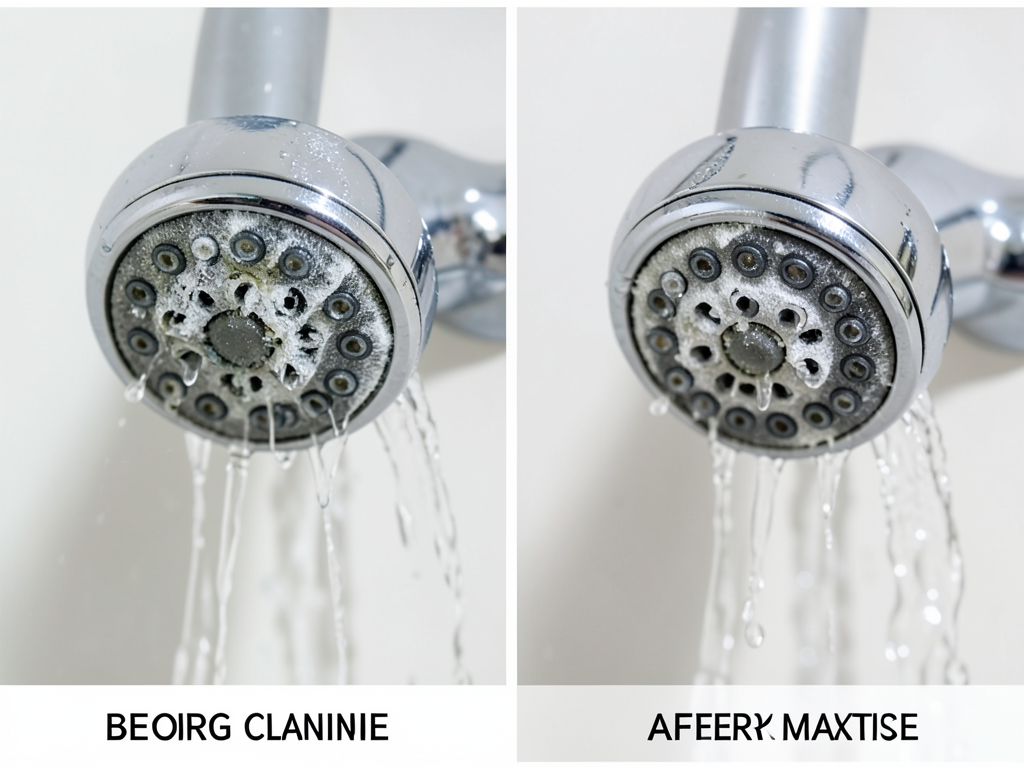
Windsor Hills homeowners know the frustration of weak water pressure and uneven spray patterns in the shower. Those annoying clogs aren’t just annoying—they’re mineral deposits from Baltimore’s hard water that slowly choke off your shower’s performance. The good news? You can restore full water flow without scratching or corroding your fixture’s finish. This guide shows you exactly how to tackle the problem using methods that work for Windsor Hills’ specific water conditions. Fast Water Heater Replacement for Homeowners in Towson and Lutherville.
Why Windsor Hills Showerheads Clog So Quickly
Baltimore’s water supply contains high levels of calcium and magnesium—the minerals that create those stubborn white deposits. In Windsor Hills, many homes have original plumbing from the 1960s and 1970s, and older pipes often contribute sediment that compounds the problem. The result is a perfect storm of mineral buildup that can reduce water flow by 50% or more within months. Fixing Low Water Pressure in Your Locust Point Rowhome.
Beyond just minerals, showerheads develop biofilm—a layer of bacteria and organic matter that thrives in the warm, moist environment. This combination of scale and biological growth not only affects performance but can harbor microorganisms that you definitely don’t want spraying on your skin.. Read more about How to Repair a Leaky Shower Valve in Your Cross Keys Condo.
Materials You’ll Need for Safe Cleaning
Before you start, gather these supplies. Using the right materials prevents damage to your fixture’s finish:
- White distilled vinegar (5% acidity)
- Distilled water (optional, for sensitive finishes)
- Soft-bristled toothbrush or detailing brush
- Plastic sandwich bag or small container
- Rubber bands or twist ties
- Soft microfiber cloth
- Toothpick or straightened paper clip
- Plumber’s tape (Teflon tape)
Important: Never use abrasive cleaners, steel wool, or harsh chemicals on any showerhead finish. These will permanently damage chrome, brushed nickel, and specialty coatings.
Method 1: The Vinegar Bag Soak (No Disassembly Required)
This is the easiest method for fixed showerheads and works well for light to moderate buildup.
- Prepare the Bag
Fill a plastic bag halfway with white vinegar. For delicate finishes like oil-rubbed bronze, mix equal parts vinegar and distilled water to reduce acidity.
- Submerge the Showerhead
Place the bag over the showerhead, ensuring all spray nozzles are fully submerged in the vinegar solution.
- Secure the Bag
Use rubber bands or twist ties to hold the bag firmly in place. Make sure the bag won’t slip and expose part of the showerhead to air.
- Let It Soak
Leave the showerhead soaking for 2-4 hours for standard buildup, or overnight for severe cases. Don’t exceed 8 hours to avoid potential finish damage.
- Rinse and Scrub
Remove the bag carefully. Run hot water through the shower for 2-3 minutes to flush out loosened deposits. Use the soft brush to gently scrub any remaining visible buildup.
- Clear the Nozzles
Use a toothpick or paper clip to gently poke each rubber nozzle, clearing any remaining debris. Don’t force anything—if a nozzle is still clogged, repeat the soaking process.
Method 2: Deep Clean Disassembly (For Stubborn Clogs)
When the bag soak doesn’t restore full pressure, mineral deposits have likely accumulated inside the showerhead. This method requires removing the fixture but provides the most thorough cleaning.
- Turn Off Water Supply
Locate the shower’s water shut-off valve, typically found in an access panel or near the main water line. Turn clockwise until fully closed.
- Remove the Showerhead
Wrap the shower arm with a soft cloth to protect the finish. Use an adjustable wrench to turn the showerhead counterclockwise. If it’s stuck, apply penetrating oil and wait 15 minutes before trying again.
- Disassemble Carefully
Once removed, look for a small filter screen at the connection point. This often traps sediment before it reaches the spray nozzles. Remove it gently with tweezers.
- Prepare the Cleaning Solution
Fill a small container with vinegar (or diluted vinegar for sensitive finishes). Submerge all removable parts for 2-4 hours.
- Clean Internal Components
After soaking, use the soft brush to clean all surfaces. Pay special attention to the filter screen and any small passages where water flows.
- Reassemble and Reinstall
Rinse all parts thoroughly with clean water. Apply new plumber’s tape to the shower arm threads in a clockwise direction. Reattach the showerhead and tighten by hand, then give it a quarter turn with the wrench.
Protecting Different Showerhead Finishes
Different finishes require different care levels. Here’s what works best for each type common in Windsor Hills homes:
| Finish Type | Cleaning Method | Risk Level | Special Precautions |
|---|---|---|---|
| Chrome | Vinegar soak (full strength) | Low | Avoid abrasive scrubbing |
| Brushed Nickel | Diluted vinegar (1:1 with water) | Medium | Limit soak time to 2 hours |
| Oil-Rubbed Bronze | Distilled water only or diluted vinegar | High | Maximum 1-hour soak, test in hidden area first |
| Matte Black | pH-neutral cleaner or diluted vinegar | High | No abrasive materials, gentle hand washing only |
Baltimore Water Conditions and Maintenance Schedule
According to the Baltimore Department of Public Works, our local water contains approximately 7-9 grains per gallon of hardness—classified as moderately hard to hard water. This means Windsor Hills residents should clean showerheads every 3-4 months to maintain optimal performance.
During winter months, when water temperatures drop, mineral deposits form more quickly. Consider increasing your cleaning frequency to every 2-3 months during colder seasons. Homes with well water or those on dead-end water mains may need even more frequent maintenance.
Local plumbers report that homes built before 1980 often have galvanized steel pipes that contribute additional iron and rust particles to the water supply. If you notice reddish-brown stains along with white mineral deposits, your pipes may be deteriorating internally—a sign that professional inspection is needed. Professional Drain Cleaning Services to Clear Stubborn Clogs in Federal Hill.
Preventing Future Clogs
Once you’ve restored your showerhead’s performance, take these steps to keep it flowing freely:
- Install a whole-house water softener if your water tests above 7 grains per gallon
- Use a showerhead with rubber self-cleaning nozzles that resist mineral buildup
- Run hot water through unused bathrooms weekly to prevent stagnation
- Replace the shower arm if you notice rust or corrosion at the connection
- Consider a filtered showerhead designed for hard water areas
For Windsor Hills homes with original plumbing, installing a point-of-use filter at the shower arm can significantly extend the life of your fixtures and reduce cleaning frequency by up to 70%. Plumbing College Park.
When to Call a Professional Plumber
Sometimes the problem isn’t just the showerhead. Call Keystone Plumbing Baltimore if you notice: Plumbing Westminster.
- Low water pressure affects multiple fixtures throughout your home
- You see discolored water when you first turn on the shower
- The showerhead leaks around the connection even after tightening
- You hear whistling or banging sounds from the pipes when water runs
- DIY cleaning doesn’t improve water flow after multiple attempts
These symptoms often indicate issues with your home’s main water supply, pressure regulator, or deteriorating pipes—problems that require professional diagnosis and repair.
Local Building Code Compliance
When working on any plumbing fixture in Baltimore County, including Windsor Hills, plumbers must follow the Baltimore County Plumbing Code, which references the International Plumbing Code with local amendments. This includes requirements for proper venting, backflow prevention, and water pressure regulation.
According to the EPA Lead and Copper Rule, homes built before 1986 may have lead-containing components in their plumbing systems. If you’re experiencing persistent water quality issues, consider having your water tested for lead content, especially if children under six live in the home.
Frequently Asked Questions
Can I use CLR or other commercial cleaners instead of vinegar?
While CLR works faster, it’s much more acidic than vinegar and can damage many showerhead finishes. Vinegar is safer for most fixtures and just as effective for typical mineral deposits. If you choose a commercial product, read the label carefully and test it on an inconspicuous area first.
How long should I soak the showerhead in vinegar?
For standard mineral buildup, 2-4 hours is sufficient. For severe clogs, you can soak overnight, but don’t exceed 8 hours total. Chrome finishes can handle longer soaks than specialty finishes like oil-rubbed bronze or matte black.
Why does my showerhead still have weak pressure after cleaning?
If cleaning doesn’t restore normal pressure, the clog may be in the shower arm, the wall pipe, or your home’s main water supply. Another possibility is a faulty pressure balance valve that’s restricting flow regardless of the showerhead’s condition.
Is it safe to use baking soda with vinegar for cleaning?
Baking soda and vinegar create a fizzy reaction that looks impressive but doesn’t improve cleaning power. The reaction produces mostly water and carbon dioxide. Stick with straight vinegar for better results and less mess.
How can I tell if my water is too hard for my fixtures?
Signs of hard water include white crusty deposits on faucets, soap that doesn’t lather well, spots on dishes after washing, and dry skin or hair. You can test your water’s hardness with a simple test kit from a hardware store, or check your annual water quality report from Baltimore DPW.. Read more about Simple Ways to Lower Your Monthly Water Usage in the Abell Community.
Keep Your Windsor Hills Shower Flowing Freely
Regular maintenance prevents the frustration of weak showers and extends the life of your fixtures. By understanding Baltimore’s specific water conditions and using the right cleaning methods for your finish type, you can keep your shower performing like new for years.
Remember that mineral buildup is a gradual process. Setting a calendar reminder to clean your showerhead every few months prevents the need for more aggressive cleaning methods later. Your morning shower should be refreshing, not frustrating.
If you’ve tried these methods and still experience problems, or if you’re dealing with multiple plumbing issues throughout your home, don’t hesitate to call the experts. Keystone Plumbing Baltimore has served Windsor Hills and the greater Baltimore area for years, handling everything from simple fixture repairs to complex repiping projects.
Call (443) 443-9099 today to schedule your inspection. Our licensed plumbers can diagnose whether your shower problem is isolated or part of a larger issue affecting your home’s entire plumbing system.
Don’t let mineral buildup ruin another shower. Take action now and enjoy the full pressure your fixtures were designed to deliver.
Ready to restore your shower’s performance? Pick up the phone and call (443) 443-9099 before the next storm hits. Hard water problems only get worse with time, and our team is standing by to help Windsor Hills homeowners get their water flowing freely again.

{
“@context”: “https://schema.org”,
“@type”: “BlogPosting”,
“headline”: “Cleaning a Clogged Showerhead Without Damaging the Finish in Windsor Hills”,
“description”: “Learn how to remove mineral buildup from your showerhead without harming the finish. Windsor Hills plumber shares Baltimore-specific hard water solutions.”,
“wordCount”: 1727,
“datePublished”: “2026-03-30T11:32:00.000Z”,
“dateModified”: “2026-03-30T11:32:00.000Z”,
“inLanguage”: “en-US”,
“mainEntityOfPage”: {
“@type”: “WebPage”,
“@id”: “https://keystoneplumbingbaltimore.com”
},
“publisher”: {
“@type”: “LocalBusiness”,
“name”: “Keystone Plumbing Baltimore”,
“url”: “https://keystoneplumbingbaltimore.com”
},
“author”: {
“@type”: “Organization”,
“name”: “Keystone Plumbing Baltimore”,
“url”: “https://keystoneplumbingbaltimore.com”
},
“image”: {
“@type”: “ImageObject”,
“url”: “https://keystoneplumbingbaltimore.com/wp-content/uploads/2026/03/cleaning-a-clogged-showerhead-without-damaging-the-1.png”
}
}
{
“@context”: “https://schema.org”,
“@type”: “Plumber”,
“name”: “Keystone Plumbing Baltimore”,
“url”: “https://keystoneplumbingbaltimore.com”,
“address”: {
“@type”: “PostalAddress”,
“addressLocality”: “Baltimore”
},
“areaServed”: {
“@type”: “City”,
“name”: “Baltimore”
}
}
{
“@context”: “https://schema.org”,
“@type”: “FAQPage”,
“mainEntity”: [
{
“@type”: “Question”,
“name”: “Can I use CLR or other commercial cleaners instead of vinegar?”,
“acceptedAnswer”: {
“@type”: “Answer”,
“text”: “While CLR works faster, it’s much more acidic than vinegar and can damage many showerhead finishes. Vinegar is safer for most fixtures and just as effective for typical mineral deposits. If you choose a commercial product, read the label carefully and test it on an inconspicuous area first.”
}
},
{
“@type”: “Question”,
“name”: “How long should I soak the showerhead in vinegar?”,
“acceptedAnswer”: {
“@type”: “Answer”,
“text”: “For standard mineral buildup, 2-4 hours is sufficient. For severe clogs, you can soak overnight, but don’t exceed 8 hours total. Chrome finishes can handle longer soaks than specialty finishes like oil-rubbed bronze or matte black.”
}
},
{
“@type”: “Question”,
“name”: “Why does my showerhead still have weak pressure after cleaning?”,
“acceptedAnswer”: {
“@type”: “Answer”,
“text”: “If cleaning doesn’t restore normal pressure, the clog may be in the shower arm, the wall pipe, or your home’s main water supply. Another possibility is a faulty pressure balance valve that’s restricting flow regardless of the showerhead’s condition.”
}
},
{
“@type”: “Question”,
“name”: “Is it safe to use baking soda with vinegar for cleaning?”,
“acceptedAnswer”: {
“@type”: “Answer”,
“text”: “Baking soda and vinegar create a fizzy reaction that looks impressive but doesn’t improve cleaning power. The reaction produces mostly water and carbon dioxide. Stick with straight vinegar for better results and less mess.”
}
},
{
“@type”: “Question”,
“name”: “How can I tell if my water is too hard for my fixtures?”,
“acceptedAnswer”: {
“@type”: “Answer”,
“text”: “Signs of hard water include white crusty deposits on faucets, soap that doesn’t lather well, spots on dishes after washing, and dry skin or hair. You can test your water’s hardness with a simple test kit from a hardware store, or check your annual water quality report from Baltimore DPW.”
}
}
]
}
{
“@context”: “https://schema.org”,
“@type”: “HowTo”,
“name”: “Vinegar Bag Soak Method”,
“step”: [
{
“@type”: “HowToStep”,
“position”: 1,
“name”: “Prepare the Bag”,
“text”: “Fill a plastic bag halfway with white vinegar. For delicate finishes like oil-rubbed bronze, mix equal parts vinegar and distilled water to reduce acidity.”
},
{
“@type”: “HowToStep”,
“position”: 2,
“name”: “Submerge the Showerhead”,
“text”: “Place the bag over the showerhead, ensuring all spray nozzles are fully submerged in the vinegar solution.”
},
{
“@type”: “HowToStep”,
“position”: 3,
“name”: “Secure the Bag”,
“text”: “Use rubber bands or twist ties to hold the bag firmly in place. Make sure the bag won’t slip and expose part of the showerhead to air.”
},
{
“@type”: “HowToStep”,
“position”: 4,
“name”: “Let It Soak”,
“text”: “Leave the showerhead soaking for 2-4 hours for standard buildup, or overnight for severe cases. Don’t exceed 8 hours to avoid potential finish damage.”
},
{
“@type”: “HowToStep”,
“position”: 5,
“name”: “Rinse and Scrub”,
“text”: “Remove the bag carefully. Run hot water through the shower for 2-3 minutes to flush out loosened deposits. Use the soft brush to gently scrub any remaining visible buildup.”
},
{
“@type”: “HowToStep”,
“position”: 6,
“name”: “Clear the Nozzles”,
“text”: “Use a toothpick or paper clip to gently poke each rubber nozzle, clearing any remaining debris. Don’t force anything—if a nozzle is still clogged, repeat the soaking process.”
}
],
“image”: “https://keystoneplumbingbaltimore.com/wp-content/uploads/2026/03/cleaning-a-clogged-showerhead-without-damaging-the-1.png”
}
{
“@context”: “https://schema.org”,
“@type”: “BreadcrumbList”,
“itemListElement”: [
{
“@type”: “ListItem”,
“position”: 1,
“name”: “Home”,
“item”: “https://keystoneplumbingbaltimore.com”
},
{
“@type”: “ListItem”,
“position”: 2,
“name”: “Blog”,
“item”: “https://keystoneplumbingbaltimore.com/blog”
},
{
“@type”: “ListItem”,
“position”: 3,
“name”: “Cleaning a Clogged Showerhead Without Damaging the Finish in Windsor Hills”
}
]
}
{
“@context”: “https://schema.org”,
“@type”: “Service”,
“serviceType”: “Plumbing”,
“provider”: {
“@type”: “LocalBusiness”,
“name”: “Keystone Plumbing Baltimore”,
“url”: “https://keystoneplumbingbaltimore.com”
},
“areaServed”: {
“@type”: “City”,
“name”: “Baltimore”
},
“description”: “Learn how to remove mineral buildup from your showerhead without harming the finish. Windsor Hills plumber shares Baltimore-specific hard water solutions.”
}