
Should You Add a Bidet to Your Bathroom in Reservoir Hill?
Thinking about adding a bidet to your Reservoir Hill bathroom but unsure where to start? You’re not alone. Many Baltimore homeowners are upgrading their bathrooms with bidet seats and attachments for better hygiene and reduced toilet paper use. The process involves more than just buying a unit—it requires understanding your toilet’s water supply, electrical needs for electronic models, and Baltimore plumbing codes. This guide breaks down everything you need to know before making the switch. Fast Water Heater Replacement for Homeowners in Towson and Lutherville.
Understanding Bidet Types for Your Baltimore Home
Bidets come in several forms and choosing the right one depends on your bathroom layout and comfort with installation complexity. Non-electric bidet attachments connect directly to your existing toilet’s water line and require no power. These simple units offer basic cleaning functions and install in minutes using a T-valve adapter. Electric bidet seats like TOTO Washlets provide heated water, adjustable spray patterns, and air drying but need a GFCI outlet within reach of the toilet. Standalone ceramic bidets require dedicated plumbing lines and significant floor space making them impractical for most Baltimore rowhomes. The age of your home matters too—historic properties in Reservoir Hill often have supply lines that need upgrading before adding modern fixtures. Fixing Low Water Pressure in Your Locust Point Rowhome.

Diagram showing three bidet types: non-electric attachment, electric bidet seat, and standalone ceramic bidet with required connections
Electrical Requirements for Electronic Bidets
High-end electronic bidet seats need proper electrical setup to function safely. The National Electrical Code requires GFCI protection for all bathroom outlets within six feet of water sources. This means your new bidet seat needs either a GFCI-protected circuit or a GFCI outlet. Many Baltimore bathrooms built before 2008 lack these protected circuits. Installing a new GFCI outlet often requires running new wiring through finished walls which can be challenging in historic rowhomes with plaster and lath construction. The outlet must be on a dedicated 15-amp circuit to handle the bidet’s heating element and pump motor. Professional installation ensures your bidet meets Baltimore electrical code and operates safely. Professional Drain Cleaning Services to Clear Stubborn Clogs in Federal Hill.
Water Supply and Plumbing Considerations
Connecting a bidet to your toilet’s water supply requires specific fittings and attention to water pressure. The T-valve adapter splits the water line between your toilet tank and bidet. Baltimore’s aging municipal water mains can cause pressure fluctuations that affect bidet performance. Homes in Reservoir Hill built before 1970 often have galvanized steel supply lines that corrode internally reducing water flow. These pipes need replacement before adding a bidet or you’ll experience weak spray pressure. The installation also requires checking for proper shut-off valve function—many older homes have valves that no longer fully close. A professional plumber tests your system’s pressure typically between 40-80 PSI to ensure optimal bidet operation.. Read more about Picking a High-Efficiency Toilet That Actually Flushes Well for Your Lauraville Home.
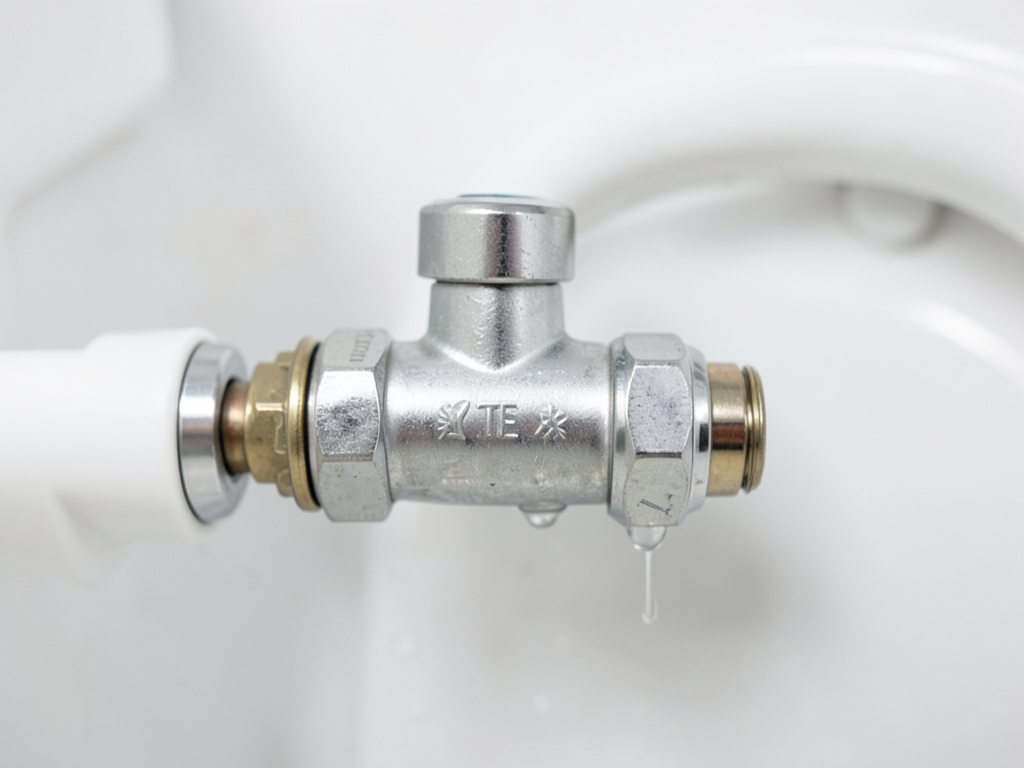
Close-up photo of T-valve installation connecting bidet to toilet water supply line with pressure gauge
Baltimore Plumbing Code Requirements
Installing a bidet in Baltimore requires compliance with the Baltimore City Plumbing Code which follows the International Plumbing Code with local amendments. The code mandates backflow prevention devices on any fixture that connects to the potable water supply. For bidets, this typically means the T-valve must include an integrated vacuum breaker. The Baltimore Department of Public Works also requires permits for new fixture installations that alter existing plumbing. While simple bidet attachments often qualify for minor work permits, electric bidet seats with new electrical connections need both plumbing and electrical permits. The inspection process ensures your installation meets health and safety standards specific to Baltimore’s water distribution system. EPA WaterSense bathroom fixtures.
Benefits of Professional Bidet Installation
Professional installation prevents the common problems that plague DIY bidet setups. Water leaks from improper T-valve connections can damage your floor and create mold growth in Baltimore’s humid climate. Incorrect electrical wiring creates shock hazards in wet bathroom environments. A licensed plumber brings specialized tools like pressure gauges and leak detection equipment to verify your system works correctly. They also understand how Baltimore’s older housing stock affects installation—knowing which walls contain plumbing stacks versus electrical conduits in your specific rowhome. Professional installers carry insurance protecting you if damage occurs during the process. Most importantly they provide warranty coverage on both the installation and the fixture itself. Plumbing College Park.
Cost Factors for Bidet Installation in Reservoir Hill
The total cost of adding a bidet varies based on your bathroom’s current setup and the type of bidet chosen. Basic non-electric attachments cost $50-150 for the unit plus $75-150 for professional installation if your water lines are in good condition. Electric bidet seats range from $300-1,200 for the unit with installation costs of $200-400 depending on electrical requirements. If your bathroom needs a new GFCI outlet the electrical work adds $150-300. Historic homes in Reservoir Hill often need supply line upgrades adding $300-600 to the project. The age of your toilet matters too—older models may need replacement mounting hardware for proper bidet fit.
Comparing Bidet Options for Baltimore Homes
| Bidet Type | Initial Cost | Installation Complexity | Best For |
|---|---|---|---|
| Non-electric attachment | $50-150 | Low – basic tools | Rental properties, budget upgrades |
| Electric bidet seat | $300-1,200 | Medium – electrical work | Owner-occupied homes wanting luxury features |
| Standalone ceramic | $500-2,000 | High – new plumbing | New construction, large bathrooms |
Common Installation Challenges in Historic Baltimore Homes
Reservoir Hill’s historic character creates unique installation challenges. Many homes built in the early 1900s have supply lines running through exterior walls that lack insulation. During Baltimore’s cold winters these pipes can freeze and burst if disturbed during installation. The narrow dimensions of Baltimore rowhomes mean toilets often sit inches from walls making bidet mounting difficult. Original cast iron drain lines in homes over 80 years old can cause drainage issues if the bidet’s cleaning cycle overwhelms the system. Lead supply pipes, common in homes built before 1940, require complete replacement before adding any new fixture. A professional familiar with Baltimore’s housing stock recognizes these issues before work begins preventing costly mid-project changes. Who to Call for an Emergency Pipe Burst in Canton Right Now.
Environmental Benefits of Bidet Use
Bidets significantly reduce household paper consumption. The average American uses 141 rolls of toilet paper annually—equivalent to 384 trees over a lifetime. Bidet use cuts this by 75% or more. This reduction matters in Baltimore where the Back River and Patapsco wastewater treatment plants process millions of gallons daily. Toilet paper production consumes 37 gallons of water per roll and releases harmful chemicals into waterways. Bidets use only 1/8 gallon per wash. The EPA estimates widespread bidet adoption could save 15 million trees and reduce water treatment chemical use by 75,000 tons annually if adopted nationally.
Before and after comparison showing reduced toilet paper packaging waste in a bathroom after bidet installation
Maintenance and Care for Your New Bidet
Proper maintenance ensures your bidet provides years of reliable service. Clean the spray nozzle monthly with a mild vinegar solution to prevent mineral buildup from Baltimore’s hard water. The city’s water contains approximately 6-8 grains per gallon of hardness which can clog small bidet openings within six months without cleaning. Check the T-valve connection quarterly for leaks by placing a dry paper towel under the connection point. Electric models need annual deep cleaning of the seat and control panel to prevent moisture damage. Replace the bidet’s water filter every six months if your model includes one. These simple steps prevent the 90% of bidet failures caused by neglect rather than manufacturing defects.
Why Reservoir Hill Residents Choose Professional Installation
Reservoir Hill’s mix of historic charm and modern living makes professional installation particularly valuable. The neighborhood’s proximity to Druid Hill Park means many homes sit on clay soil that shifts seasonally causing subtle plumbing misalignments. Professional installers account for these movements when securing bidet mounting brackets. The area’s diverse housing stock from grand mansions to compact rowhomes requires different installation approaches. A professional assesses your specific situation rather than using one-size-fits-all methods. They also understand local permit requirements and coordinate inspections with Baltimore’s Department of Permits and Inspections. This expertise prevents the delays and rework that often plague DIY projects in Baltimore’s complex housing landscape.
Frequently Asked Questions
How long does bidet installation take?
Simple bidet attachments install in 30-60 minutes. Electric bidet seats with new electrical work take 2-4 hours. Complex installations in historic homes may require a full day if supply lines need upgrading.
Can I install a bidet myself?
While basic attachments work for DIY installation, electric models require electrical knowledge to meet Baltimore code. DIY installations void most manufacturer warranties and create liability if leaks damage your home.
Will a bidet work with my existing toilet?
Most modern two-piece toilets accept bidet seats. One-piece toilets and wall-mounted models need specific bidet designs. Professional assessment ensures compatibility before purchase.
Do I need a permit to install a bidet in Baltimore?
Baltimore requires permits for any new fixture installation that alters existing plumbing. Simple attachments may qualify for minor work permits while electric models need both plumbing and electrical permits.
How much water does a bidet use?
Electronic bidets use 1/8 to 1/2 gallon per wash depending on settings. This equals about 50 gallons annually with typical use—far less than the 37 gallons needed to produce one roll of toilet paper.
Ready to Upgrade Your Reservoir Hill Bathroom?
Adding a bidet to your Reservoir Hill bathroom improves hygiene, reduces waste, and adds modern comfort to your home. The key to success lies in understanding your home’s specific requirements and ensuring proper installation. Baltimore’s unique housing stock, from historic rowhomes to modern condos, demands professional knowledge to avoid common pitfalls like water damage or electrical hazards. Don’t risk a DIY installation that could cost more to fix than professional installation upfront.
Call (443) 443-9099 today to schedule your bidet consultation. Our Baltimore-licensed plumbers will assess your bathroom, explain your options, and provide upfront pricing with no hidden fees. We serve all of Reservoir Hill and surrounding Baltimore neighborhoods with same-week installation appointments available. Upgrade your bathroom the right way—with professional expertise you can trust.
Pick up the phone and call (443) 443-9099 before the next storm hits. Your home deserves the best protection and your family deserves the comfort of a properly installed bidet system. For more information, visit International Plumbing Code.
{
“@context”: “https://schema.org”,
“@type”: “BlogPosting”,
“headline”: “Should You Add a Bidet to Your Bathroom in Reservoir Hill?”,
“description”: “Considering a bidet for your Reservoir Hill bathroom? Learn about types, installation requirements, Baltimore codes, and why professional setup matters. Call (443) 443-9099.”,
“wordCount”: 1734,
“datePublished”: “2026-03-29T13:10:00.000Z”,
“dateModified”: “2026-03-29T13:10:00.000Z”,
“inLanguage”: “en-US”,
“mainEntityOfPage”: {
“@type”: “WebPage”,
“@id”: “https://keystoneplumbingbaltimore.com”
},
“publisher”: {
“@type”: “LocalBusiness”,
“name”: “Keystone Plumbing Baltimore”,
“url”: “https://keystoneplumbingbaltimore.com”
},
“author”: {
“@type”: “Organization”,
“name”: “Keystone Plumbing Baltimore”,
“url”: “https://keystoneplumbingbaltimore.com”
},
“image”: {
“@type”: “ImageObject”,
“url”: “https://keystoneplumbingbaltimore.com/wp-content/uploads/2026/03/should-you-add-a-bidet-to-your-bathroom-in-reservo-1.png”
}
}
{
“@context”: “https://schema.org”,
“@type”: “Plumber”,
“name”: “Keystone Plumbing Baltimore”,
“url”: “https://keystoneplumbingbaltimore.com”,
“address”: {
“@type”: “PostalAddress”,
“addressLocality”: “Baltimore”
},
“areaServed”: {
“@type”: “City”,
“name”: “Baltimore”
}
}
{
“@context”: “https://schema.org”,
“@type”: “FAQPage”,
“mainEntity”: [
{
“@type”: “Question”,
“name”: “How long does bidet installation take?”,
“acceptedAnswer”: {
“@type”: “Answer”,
“text”: “Simple bidet attachments install in 30-60 minutes. Electric bidet seats with new electrical work take 2-4 hours. Complex installations in historic homes may require a full day if supply lines need upgrading.”
}
},
{
“@type”: “Question”,
“name”: “Can I install a bidet myself?”,
“acceptedAnswer”: {
“@type”: “Answer”,
“text”: “While basic attachments work for DIY installation, electric models require electrical knowledge to meet Baltimore code. DIY installations void most manufacturer warranties and create liability if leaks damage your home.”
}
},
{
“@type”: “Question”,
“name”: “Will a bidet work with my existing toilet?”,
“acceptedAnswer”: {
“@type”: “Answer”,
“text”: “Most modern two-piece toilets accept bidet seats. One-piece toilets and wall-mounted models need specific bidet designs. Professional assessment ensures compatibility before purchase.”
}
},
{
“@type”: “Question”,
“name”: “Do I need a permit to install a bidet in Baltimore?”,
“acceptedAnswer”: {
“@type”: “Answer”,
“text”: “Baltimore requires permits for any new fixture installation that alters existing plumbing. Simple attachments may qualify for minor work permits while electric models need both plumbing and electrical permits.”
}
},
{
“@type”: “Question”,
“name”: “How much water does a bidet use?”,
“acceptedAnswer”: {
“@type”: “Answer”,
“text”: “Electronic bidets use 1/8 to 1/2 gallon per wash depending on settings. This equals about 50 gallons annually with typical use—far less than the 37 gallons needed to produce one roll of toilet paper.”
}
},
{
“@type”: “Question”,
“name”: “Ready to Upgrade Your Reservoir Hill Bathroom?”,
“acceptedAnswer”: {
“@type”: “Answer”,
“text”: “Adding a bidet to your Reservoir Hill bathroom improves hygiene, reduces waste, and adds modern comfort to your home. The key to success lies in understanding your home’s specific requirements and ensuring proper installation. Baltimore’s unique housing stock, from historic rowhomes to modern condos, demands professional knowledge to avoid common pitfalls like water damage or electrical hazards. Don’t risk a DIY installation that could cost more to fix than professional installation upfront.”
}
}
]
}
{
“@context”: “https://schema.org”,
“@type”: “BreadcrumbList”,
“itemListElement”: [
{
“@type”: “ListItem”,
“position”: 1,
“name”: “Home”,
“item”: “https://keystoneplumbingbaltimore.com”
},
{
“@type”: “ListItem”,
“position”: 2,
“name”: “Blog”,
“item”: “https://keystoneplumbingbaltimore.com/blog”
},
{
“@type”: “ListItem”,
“position”: 3,
“name”: “Should You Add a Bidet to Your Bathroom in Reservoir Hill?”
}
]
}
{
“@context”: “https://schema.org”,
“@type”: “Service”,
“serviceType”: “Plumbing”,
“provider”: {
“@type”: “LocalBusiness”,
“name”: “Keystone Plumbing Baltimore”,
“url”: “https://keystoneplumbingbaltimore.com”
},
“areaServed”: {
“@type”: “City”,
“name”: “Baltimore”
},
“description”: “Considering a bidet for your Reservoir Hill bathroom? Learn about types, installation requirements, Baltimore codes, and why professional setup matters. Call (443) 443-9099.”
}