Menu

PEX vs. Copper Piping Guide for Baltimore Homes – Choose the Right Material for Your Water Lines

Understanding the difference between PEX and copper pipes helps Baltimore homeowners make informed decisions about repiping projects, new construction plumbing, and water line repairs based on local water conditions and building requirements.

Slider Image 1
Slider Image 2
Slider Image 3
Slider Image 4
Slider Image 5
Slider Image 7
Slider Image 8
Slider Image 9
Slider Image 10
Slider Image 11

Why Baltimore Homeowners Face Critical Piping Choices

Baltimore's aging housing stock and hard water conditions create unique challenges for residential plumbing systems. Many homes in neighborhoods like Federal Hill, Canton, and Hampden still have original copper piping installed decades ago. Others feature newer cross-linked polyethylene systems installed during renovations.

The PEX vs copper comparison matters because Baltimore water chemistry directly affects pipe longevity. The city's water supply contains minerals that interact differently with each material. Copper tubing can develop pinhole leaks over time due to acidic water conditions, while PEX piping resists mineral buildup and corrosion.

Understanding copper vs PEX plumbing pros and cons becomes critical during freezing weather. Baltimore experiences freeze-thaw cycles that stress rigid copper lines, particularly in crawl spaces and exterior walls. PEX expands slightly when frozen, reducing the risk of catastrophic pipe bursts during winter cold snaps.

The difference between PEX and copper pipes extends beyond material composition. Installation methods, long-term performance, and compatibility with your home's existing infrastructure all factor into the decision. Cross-linked polyethylene vs copper tubing debates often center on flexibility, installation speed, and resistance to Baltimore's specific water conditions.

Making the wrong choice can lead to repeated repairs, water damage, and unnecessary expense. The right material depends on your home's age, your water pressure, and whether you need whole-house repiping or targeted repairs. Baltimore's mix of historic rowhouses and modern construction requires different approaches to PEX piping vs copper plumbing solutions.

Why Baltimore Homeowners Face Critical Piping Choices
How Material Properties Affect Performance in Baltimore Plumbing Systems

How Material Properties Affect Performance in Baltimore Plumbing Systems

Copper tubing has served as the standard for residential water distribution for over 70 years. Type L copper, the most common residential grade, offers proven durability and natural antimicrobial properties. The material withstands high temperatures, handles substantial water pressure, and resists UV degradation. Baltimore's building code recognizes copper as an approved material for potable water distribution, and inspectors understand its installation requirements thoroughly.

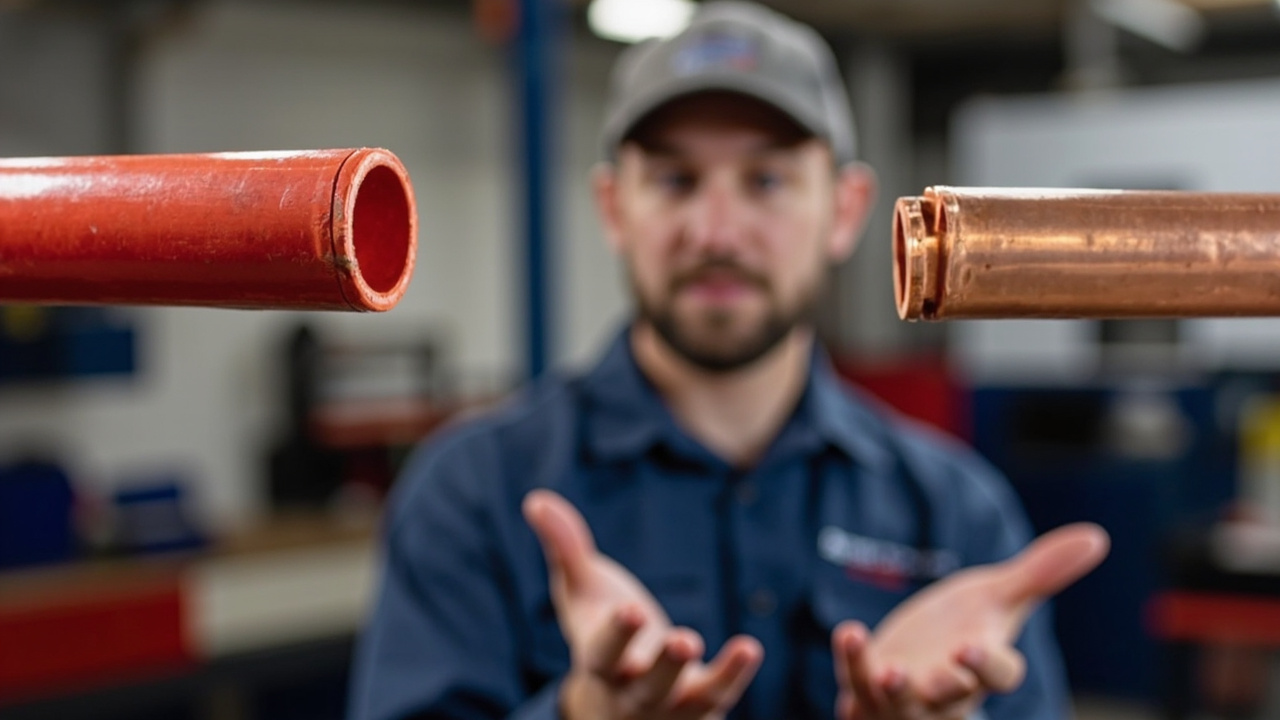
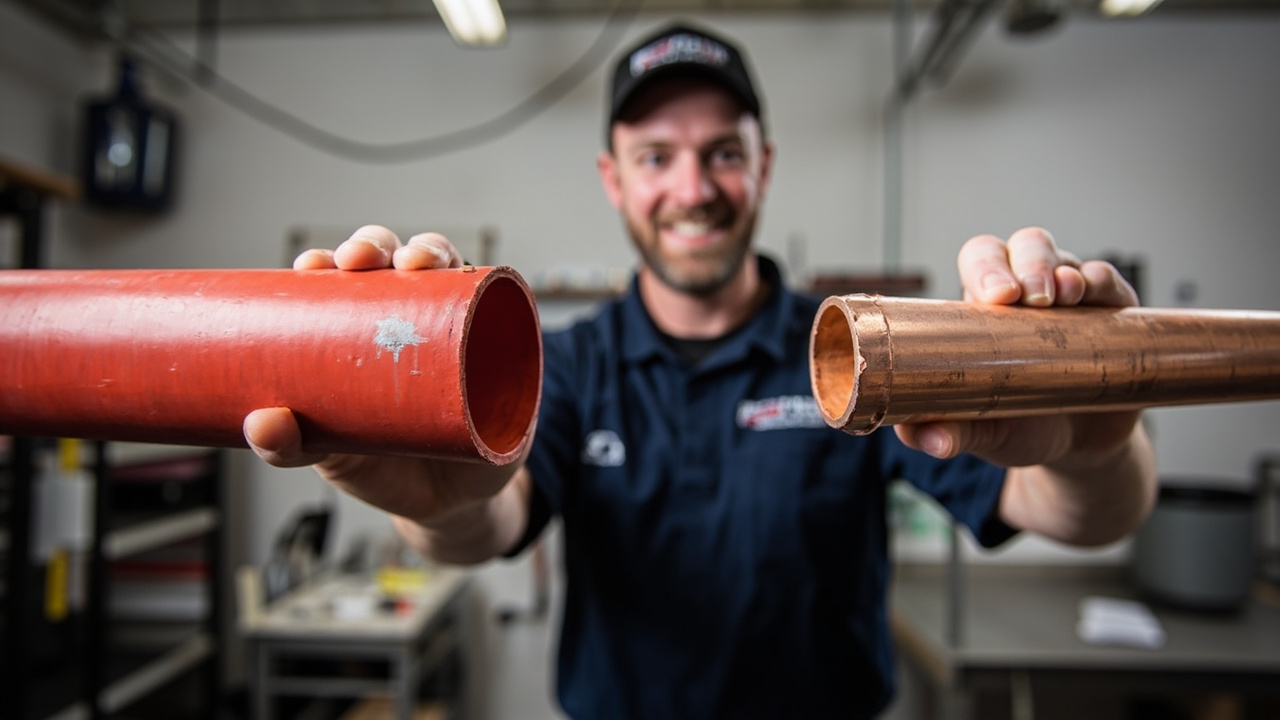
Cross-linked polyethylene represents a newer technology that addresses many copper limitations. The manufacturing process creates molecular bonds that give PEX superior flexibility and freeze resistance. You can bend PEX around corners without fittings, reducing potential leak points. The material comes in color-coded tubing (red for hot, blue for cold, white for either), which simplifies installation and future repairs.

The installation process differs significantly between materials. Copper requires soldering or press-fit connections, demanding skilled labor and open flame work in occupied homes. Each joint needs proper flux application, heating, and solder flow to create watertight seals. PEX uses crimp rings, clamp connections, or expansion fittings that require specialized tools but no torch work. This makes PEX faster to install in tight spaces common to Baltimore rowhouses.

Water chemistry plays a role that many homeowners overlook. Baltimore water's pH level and chlorine content affect both materials differently. Copper develops a protective patina over time but can corrode in highly acidic water. PEX resists most water chemistry issues but requires proper UV protection during storage and installation. The material degrades when exposed to sunlight, limiting exterior applications without proper sleeving.

Cost factors extend beyond initial material price. Labor represents the largest expense in any repiping project, and installation speed directly impacts your total investment.

What Happens During a Piping Material Evaluation

PEX vs. Copper Piping Guide for Baltimore Homes – Choose the Right Material for Your Water Lines
01

Home Assessment

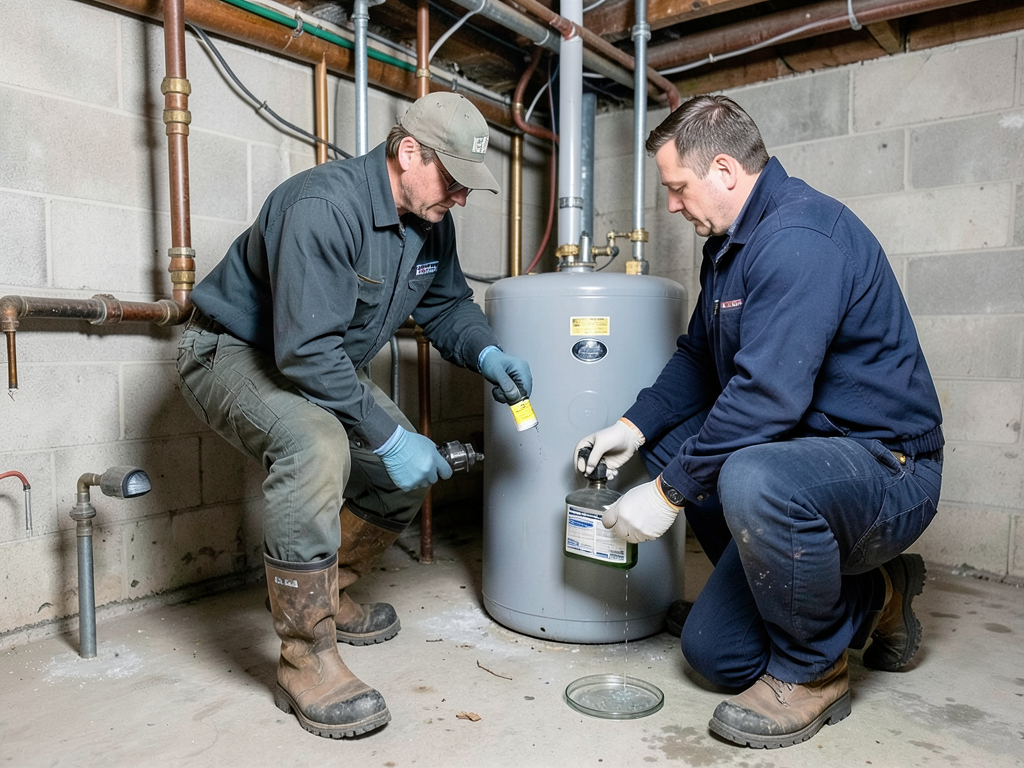
We examine your existing plumbing system, water pressure readings, and home construction type. Baltimore rowhouses require different piping strategies than detached single-family homes. We test water quality, inspect accessible pipe sections for corrosion or wear, measure available clearances for new installation, and identify any code compliance issues that affect material selection. This diagnostic phase reveals whether partial repiping or whole-house replacement makes sense.
02

Material Recommendation

Based on your water chemistry, budget, and home layout, we recommend the optimal piping material. We explain the PEX vs copper comparison specific to your situation, not generic advantages. You learn how each material performs with your water pressure, whether your wall cavities accommodate new routing, and how installation disruption differs. We provide transparent information about local permit requirements and inspection procedures for both copper and PEX installations.
03

Implementation Planning

We develop a detailed installation plan that minimizes disruption to your daily routine. The plan specifies shut-off points, wall access requirements, fixture disconnection sequences, and realistic timelines. For copper installations, we schedule torch work during periods when you can vacate the home safely. For PEX projects, we explain manifold placement and home run configurations that provide individual fixture shut-off capability. You receive a clear roadmap before any work begins.

Why Baltimore Homeowners Choose Keystone Plumbing Baltimore for Piping Decisions

Material selection requires understanding Baltimore's specific challenges. We work daily with the city's unique housing stock, from 19th-century brick rowhouses in Fells Point to mid-century colonials in Towson. Each construction type presents different access limitations, wall compositions, and existing plumbing configurations that affect material choice.

Our technicians maintain current knowledge of Baltimore County and City plumbing codes. Code requirements for copper and PEX installations differ in specific applications, and inspectors enforce these standards strictly. We ensure your installation passes inspection the first time, avoiding delays and additional costs. We understand local permit processes and schedule inspections appropriately within your project timeline.

Experience with Baltimore water conditions informs our recommendations. The city's water treatment process and distribution system create specific chemistry that affects pipe longeving. We have installed thousands of feet of both copper and PEX throughout the metro area, giving us empirical data about long-term performance. This experience base allows us to predict which material will serve your home best over decades, not just years.

We explain technical concepts in plain language. The difference between PEX-A, PEX-B, and PEX-C matters for installation methods and repair options. The distinction between Type M, Type L, and Type K copper affects wall thickness and pressure ratings. You receive enough information to make an informed decision without getting overwhelmed by unnecessary technical details.

Our material suppliers meet strict quality standards. We source copper tubing that complies with ASTM B88 specifications and PEX that meets ASTM F876 requirements. This ensures you receive materials engineered for potable water service, not generic tubing that might leach contaminants or fail prematurely.

What to Expect When Comparing Piping Materials

Consultation Timeline

Initial consultations typically take 45 to 90 minutes depending on your home's size and plumbing complexity. We schedule appointments that work around your availability, including evening and weekend slots for working homeowners. During the visit, you receive a detailed material comparison specific to your situation, not generic information you could find online. We answer questions about installation disruption, project duration, and long-term maintenance requirements. You leave the consultation with enough information to make a confident decision about copper vs PEX plumbing for your Baltimore home.

Material Analysis Process

We test your water pressure at multiple fixtures to identify any pressure loss that affects material selection. Static pressure above 80 psi requires pressure regulation regardless of pipe material, while low pressure might indicate supply line restrictions. We examine accessible pipe sections for corrosion patterns, mineral deposits, or signs of electrolysis between dissimilar metals. Water quality testing reveals pH levels, hardness, and chlorine content that influence material longevity. This diagnostic approach provides objective data rather than assumptions. You understand exactly why we recommend one material over another based on measurable conditions in your home.

Installation Quality Standards

Copper installations receive proper reaming, flux application, and solder joints that show complete capillary action. We use lead-free solder that complies with current Safe Drinking Water Act requirements. PEX installations use calibrated tools that create proper crimp dimensions or expansion connections that meet manufacturer specifications. Every connection point gets tested before concealment. We install PEX with adequate support spacing to prevent sagging and use protective sleeves through all penetrations to prevent abrasion. Both materials receive appropriate insulation in unconditioned spaces to prevent freeze damage and reduce heat loss from hot water lines.

Long-Term Performance Expectations

Copper systems properly installed in compatible water conditions provide 50-plus years of service. The material requires no special maintenance beyond standard system care. PEX systems offer similar longevity with reduced freeze-failure risk and quieter operation due to material flexibility. Both materials come with manufacturer defect coverage, though installation workmanship determines real-world performance. We provide detailed care instructions specific to your chosen material, including shut-off locations, drain-down procedures for winter vacancies, and signs of potential problems. You receive documentation of all materials used, including product specification sheets and compliance certifications required for homeowner records.

Frequently Asked Questions

You Have Questions,
We Have Answers

Do plumbers prefer PEX or copper? +

Most plumbers prefer PEX for repiping jobs due to speed and ease of installation. PEX requires fewer fittings, bends easily around corners, and resists freezing better than copper—critical for Baltimore winters. Copper still has loyal supporters for exposed lines and applications where heat tolerance matters. The choice often depends on job scope. Older plumbers who trained on copper may favor it, while younger techs embrace PEX for efficiency. Both materials meet code in Baltimore, but PEX dominates residential repiping because it cuts labor costs and installation time significantly.

What is the downside of PEX pipe? +

PEX cannot tolerate direct sunlight. UV rays degrade the plastic over time, causing brittleness and leaks. You cannot use PEX outdoors in Baltimore without proper protection. PEX also cannot handle high heat like copper, so you must use copper or CPVC within 18 inches of a water heater. Some older PEX formulations leached chemicals, though modern PEX-B and PEX-A meet NSF standards. Rodents can chew through PEX more easily than copper. Lastly, PEX remains controversial in a few jurisdictions due to lingering concerns about chemical leaching, though it is fully approved in Maryland.

Why don't insurance companies like PEX plumbing? +

Some insurance carriers worry about older PEX formulations that caused leaks and water damage claims. Early PEX products had issues with defective fittings, leading to costly flooding incidents. Certain insurers also flag homes with PEX installed by unlicensed contractors or used improperly. Modern PEX is reliable when installed correctly, but insurers remain cautious due to past claims history. If you are buying a home in Baltimore with PEX, your insurer may ask for documentation proving proper installation and material quality. Reputable plumbers use PEX daily without issue, but always disclose your plumbing type during policy application.

Why do plumbers not use copper anymore? +

Plumbers still use copper, but less often due to cost and labor. Copper prices surged in recent years, making PEX far cheaper for repiping jobs. Soldering copper joints takes time and skill, while PEX crimps or expands in minutes. Copper also risks pinhole leaks in Baltimore due to aggressive water chemistry in some neighborhoods. Theft is another concern—copper attracts scrappers, especially in vacant properties. For new construction and whole-house repiping, PEX offers speed and affordability. Plumbers reserve copper for applications requiring heat resistance, such as near water heaters, or where local preference demands it.

What is the life expectancy of PEX pipes vs copper pipes? +

PEX has a manufacturer-estimated lifespan of 50 years, though real-world data remains limited since PEX only became mainstream in the 1990s. Copper pipes last 50 to 70 years, with some installations exceeding 80 years if water chemistry stays neutral. Baltimore homes built before 1970 often still have functional copper lines. The key difference is track record. Copper has proven longevity, while PEX is still relatively young. Both materials perform well when installed correctly. Copper fails from corrosion and pinhole leaks, while PEX degrades from UV exposure or improper connections.

What is the lawsuit against PEX pipe? +

A class-action lawsuit targeted Zurn PEX, a specific brand, over defective brass fittings that caused widespread leaks between 1995 and 2007. The fittings corroded prematurely, leading to property damage claims. This lawsuit did not condemn PEX itself, only a particular manufacturer's flawed components. Other lawsuits have targeted PEX-A systems with expansion fittings for similar failure issues. If you have Zurn PEX or other flagged brands in your Baltimore home, consult a licensed plumber for inspection. Modern PEX from reputable manufacturers uses improved materials and fittings, making current systems far more reliable.

Why do plumbers not like PEX? +

Some plumbers resist PEX due to unfamiliarity or preference for traditional methods. Older professionals trained exclusively on copper may distrust plastic piping. Others cite concerns about chemical leaching, though modern PEX meets strict NSF safety standards. A few plumbers dislike the proprietary tools required for PEX-A expansion systems. In Baltimore, seasoned plumbers sometimes avoid PEX for historical home restorations where copper maintains aesthetic and resale value. However, most plumbers embrace PEX for its speed, cost savings, and flexibility. Resistance usually stems from habit rather than legitimate performance concerns.

Why is PEX banned in NYC? +

New York City banned PEX until 2021 due to fire code concerns, not performance issues. The city worried that PEX could release toxic fumes during fires, though testing showed it performed similarly to other plastic materials. NYC also hesitated because of its unique high-rise plumbing demands and conservative building codes. Baltimore has no such restrictions. Maryland building codes fully approve PEX for residential plumbing. The NYC ban was an outlier driven by bureaucracy and extreme caution. As of 2021, PEX is now legal in New York City, reflecting growing confidence in the material nationwide.

What is the best pipe for a residential water line? +

For residential water lines in Baltimore, PEX and copper both perform well. PEX offers cost savings, freeze resistance, and fast installation, making it ideal for repiping older homes. Copper provides proven longevity and heat tolerance, especially near water heaters. The choice depends on your budget and home layout. Baltimore's freeze-thaw cycles favor PEX since it expands without bursting. If you live in a historic neighborhood, copper may preserve property value. For underground main lines entering your home, Type K copper remains standard. Consult a licensed plumber to match material to your specific needs and water chemistry.

Where should you not use PEX pipe? +

Never use PEX outdoors where sunlight hits it directly. UV rays break down the plastic quickly. Do not use PEX within 18 inches of a water heater or recirculating pump due to heat limits. Avoid PEX for underground lines in areas with rocky soil or shifting clay—common in parts of Baltimore—where abrasion or ground movement can stress joints. Do not use PEX if local code prohibits it, though Baltimore permits it. Lastly, avoid PEX in mechanical rooms or crawlspaces accessible to rodents without protective sleeving. Always use copper for exposed outdoor hose bibs.

How Baltimore's Water Chemistry and Housing Stock Affect Piping Material Performance

Baltimore receives water from three reservoir systems that undergo treatment before distribution. The resulting water chemistry includes chlorine disinfection and pH adjustment that falls within acceptable ranges but still affects piping materials over decades. Homes in older neighborhoods often have galvanized steel supply lines that can increase water acidity through corrosion byproducts. This creates conditions where copper develops pinhole leaks faster than in homes with newer service lines. PEX remains unaffected by these pH variations but requires proper connection to existing copper stub-outs using dielectric unions or brass transition fittings to prevent galvanic corrosion at joint points.

Baltimore's construction landscape spans three centuries of building methods. Rowhouses built before 1920 typically feature plaster walls over wood lath, making pipe replacement more invasive than in drywall construction. These homes benefit from PEX's flexibility, which allows routing through existing wall cavities with fewer access points. However, historic district regulations sometimes require maintaining original materials during renovations, making copper the only approved choice for visible plumbing. Keystone Plumbing Baltimore maintains relationships with city inspectors and preservation officials who help navigate these requirements. We understand which materials meet code in various Baltimore jurisdictions and how to document installations for future homeowners.

Plumbing Services in The Baltimore Area

Discover our conveniently located service hub, strategically positioned to ensure rapid response times across the region. While our office welcomes inquiries, our skilled technicians are typically out in the field, ready to bring our expertise directly to your doorstep. We are committed to serving the entire area efficiently, making sure expert plumbing assistance is always just a call away, wherever you are.

Address:
Keystone Plumbing Baltimore, 312 N Martin Luther King Jr Blvd, Baltimore, MD, 21201

Additional Services We Offer

Our news updates

Latest Articles & News from The Blogs

Adding a Luxury Wet Bar to Your Rooftop Deck in South Baltimore Imagine sipping a cocktail on your rooftop deck…

Adding a Luxury Wet Bar to Your Rooftop Deck in South Baltimore

Adding a Luxury Wet Bar to Your Rooftop Deck in South Baltimore Imagine sipping a cocktail on your rooftop deck…

Finding and Fixing Hidden Slab Leaks Under Your Beverly Hills Home

Finding and Fixing Hidden Slab Leaks Under Your Beverly Hills Home A hidden slab leak can silently destroy your Beverly…

How to Repair a Leaky Shower Valve in Your Cross Keys Condo

How to Repair a Leaky Shower Valve in Your Cross Keys Condo Living in the Village of Cross Keys means…

Contact Us

Stop guessing about copper versus PEX. Call Keystone Plumbing Baltimore at (443) 443-9099 for a professional assessment of your home's plumbing needs. We provide honest recommendations based on your specific water conditions, home construction, and budget. Schedule your consultation today.