Menu

High Water Bills in Baltimore – Expert Leak Detection Stops the Bleeding

Keystone Plumbing Baltimore uses infrared cameras and acoustic listening devices to find hidden leaks causing high water bills in your home or business, delivering pinpoint diagnosis without unnecessary destruction to your walls or floors.

Slider Image 1
Slider Image 2
Slider Image 3
Slider Image 4
Slider Image 5
Slider Image 7
Slider Image 8
Slider Image 9
Slider Image 10
Slider Image 11

Why Your Water Bill Spiked Without Warning

You open the water bill and freeze. The number is double, sometimes triple what you paid last month. You did not fill a pool. You did not water the lawn more. Nothing changed. Yet the Baltimore City Department of Public Works says you used thousands of extra gallons.

This sudden spike in water bill is not random. Something is leaking. The question is where.

Baltimore's aging housing stock creates the perfect storm for hidden plumbing failures. Most rowhomes in neighborhoods like Fell's Point, Canton, and Remington were built between 1880 and 1940. The galvanized steel supply lines installed during that era corrode from the inside out. You cannot see the rust. You cannot hear the drip. But water escapes 24 hours a day behind your walls or under your slab.

The freeze-thaw cycles we experience from December through March accelerate the damage. When temperatures drop below 32 degrees, water trapped in compromised pipes expands. The pipe wall cracks. By the time it thaws, you have a slow leak pumping water into your crawlspace or between your joists.

Toilets cause unexplained high water bills more than any other fixture. A worn flapper valve lets water continuously trickle from the tank into the bowl. You do not hear it. The water level looks normal. But you are flushing money down the drain every minute of every day. One defective flapper can waste 200 gallons per day, adding 6,000 gallons to your monthly bill.

Excessive water usage shows up when irrigation systems malfunction. If you have an underground sprinkler system in North Baltimore or Roland Park, a broken valve or cracked lateral line can flood your yard below the surface. The grass looks fine. The water disappears into the soil. Your bill skyrockets.

Why Your Water Bill Spiked Without Warning
How We Track Down the Source of Your Skyrocketing Water Bill

How We Track Down the Source of Your Skyrocketing Water Bill

Guessing costs you money. Ripping open walls to find a leak wastes time and destroys your home. We use diagnostic tools designed for leak detection, not hunches.

The first step is isolating the leak zone. We shut off every fixture and appliance in your home, then monitor your water meter. If the meter dial continues to spin, water is escaping somewhere in your supply system. That tells us the leak exists between the street connection and your fixtures, not inside a fixture itself.

Next, we use acoustic leak detection equipment. Water escaping a pressurized pipe creates a distinct high-frequency sound. Our listening devices amplify that sound, allowing us to trace the noise back to the exact wall cavity, floor section, or underground pathway where the failure occurred. This works in concrete slabs, behind tile, and under hardwood without demolition.

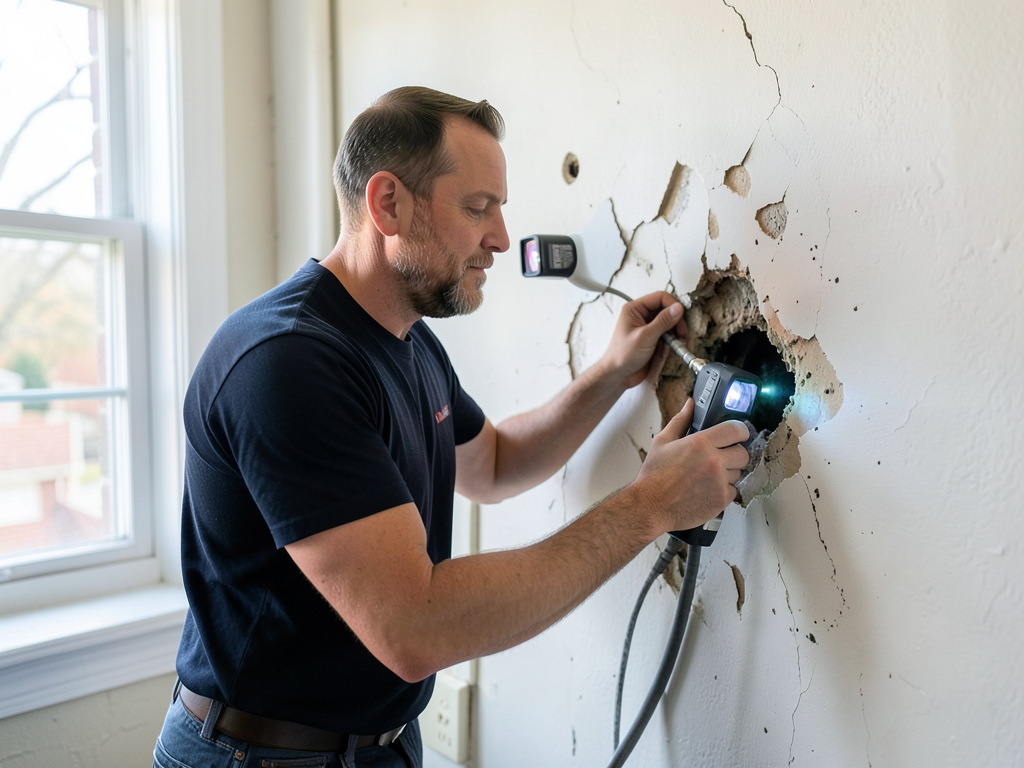
For slab leaks common in the Homeland and Cedarcroft areas, we deploy infrared thermal imaging cameras. A pinhole leak in a hot water line beneath your foundation creates a heat signature. The camera shows us a bright spot on the floor where warmth radiates upward. That pinpoint tells us where to access the pipe with the smallest possible opening.

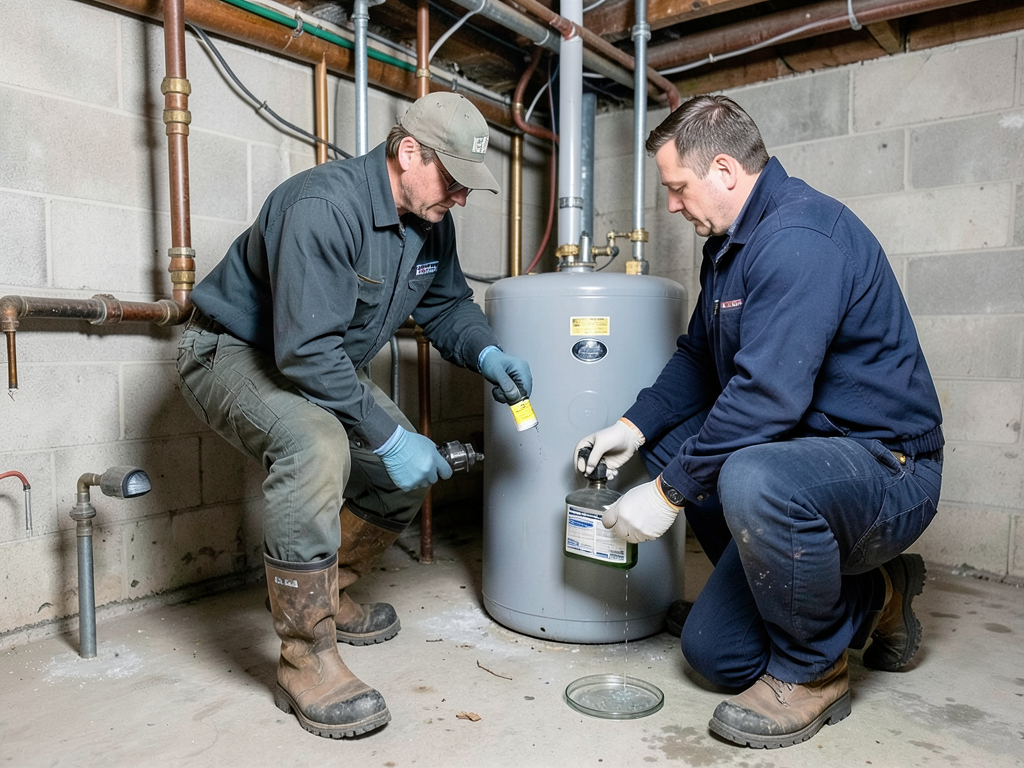
Toilet leaks require dye testing. We drop a colored tablet into the tank and wait 15 minutes without flushing. If color appears in the bowl, the flapper valve is leaking. This simple test eliminates the most common cause of unexpected water bill increases in under 20 minutes.

For irrigation systems, we pressurize each zone independently and monitor pressure loss. A zone that cannot hold pressure has a break. We then use the acoustic equipment to walk the line and locate the fracture underground. This prevents digging up your entire yard to find one cracked fitting.

How We Solve Your High Water Bill Problem

High Water Bills in Baltimore – Expert Leak Detection Stops the Bleeding
01

Comprehensive Leak Audit

We start with a full-home water audit, inspecting every fixture, valve, and connection point. We check your meter for signs of continuous flow, test toilets with dye tablets, and examine all visible supply lines for corrosion, moisture stains, or mineral deposits that indicate slow leaks. This diagnostic phase typically takes 45 to 90 minutes depending on the size of your home and the complexity of your plumbing system.
02

Precision Leak Detection

Once we identify a hidden leak, we use infrared cameras and acoustic listening tools to pinpoint the exact location without damaging your property. For slab leaks, we map the hot water line path using thermal imaging to find the breach point. For concealed supply lines, we pressurize the system and listen for the leak signature. This eliminates guesswork and minimizes the access hole size needed for repair.
03

Permanent Repair and Verification

After locating the leak, we execute the repair using the correct materials for your specific pipe type and building code requirements. We then pressure-test the repair to confirm the seal holds under full operating pressure. Before we leave, we verify your meter stops spinning with all fixtures off, confirming the leak is fully resolved. You get documentation of the work completed and clear next steps for monitoring your bill.

Why Baltimore Homeowners Choose Keystone Plumbing for Leak Detection

Leak detection is not a guessing game when you understand how Baltimore homes are built. We have worked in rowhomes from Greektown to Pigtown. We know the difference between a 1920s galvanized system and a 1970s copper repipe. That knowledge saves you time and money.

Most plumbers rely on visual inspection and experience. That works for obvious leaks. It fails for hidden failures behind tile, under slabs, or in crawlspaces you cannot access. We invested in infrared cameras and acoustic detection tools because Baltimore's housing stock demands it. When your neighbor shares a wall and you cannot rip open drywall without coordination, you need precision.

We also understand Baltimore's water pressure zones. Homes on higher elevation in areas like Hampden and Mount Washington experience lower street pressure. That affects how leaks present. A slow drip in a low-pressure zone might not show obvious symptoms for weeks. A similar leak in a high-pressure zone near the harbor floods a crawlspace in days. We adjust our diagnostic approach based on your address and elevation.

The city's combined sewer system creates another complexity. When heavy rain overwhelms the system, backflow can push debris into your lateral sewer line. That debris can partially block your drain, causing slow drainage that mimics a clog but is a pressure issue. We test for backflow and sewer line integrity as part of our leak audit, especially in neighborhoods near the Inner Harbor and Locust Point where elevation is near sea level.

You need someone who has seen the failure patterns specific to this city. Keystone Plumbing Baltimore operates exclusively in Baltimore City and the surrounding counties. We are not a franchise. We are not dispatching techs who learned plumbing in another state. Every plumber on our team has diagnosed leaks in homes just like yours.

What Happens When You Call for Leak Detection

Same-Day Diagnostic Visits

We know a high water bill creates financial stress. Waiting a week for an appointment means another week of water waste and another inflated bill. We schedule diagnostic visits within 24 hours of your call, with same-day availability for urgent situations. Most leak audits take 60 to 90 minutes. We arrive with all diagnostic equipment on the truck, so we can move from inspection to detection to repair planning in one visit if the problem is straightforward.

Transparent Diagnostic Process

Before we start tearing into walls or floors, we explain what we are testing and why. You will see the meter test. You will watch the thermal camera screen as we scan your floors. If we use acoustic detection, we will show you the pressure gauge readings. This is not magic. This is physics and diagnostic discipline. We explain what we find, show you photos of the problem area, and give you a written estimate for the repair before any invasive work begins.

Minimally Invasive Repairs

When we pinpoint a leak, we access the pipe through the smallest opening necessary to complete a code-compliant repair. For slab leaks, that might be a 12-inch by 12-inch section of flooring. For wall leaks, we cut a precise access panel that can be patched cleanly. We do not demo entire bathrooms to fix one leaking joint. You get a permanent repair that stops the water loss, restores normal pressure, and prevents further damage to your structure or finishes.

Post-Repair Bill Monitoring Support

After we repair the leak, your next water bill should return to normal. We provide a follow-up call 30 days after the repair to confirm your usage dropped. If your bill remains high, we return at no charge to verify the repair and check for additional issues. In some cases, you may need to dispute prior bills with Baltimore City if the leak caused excessive charges. We provide documentation of the repair, including photos and dates, to support your dispute with the Department of Public Works billing department.

Frequently Asked Questions

You Have Questions,
We Have Answers

What runs your water bill up the most? +

Toilet leaks waste the most water in Baltimore homes. A single running toilet can waste over 200 gallons per day. Older fixtures common in Charm City rowhomes use excessive water per flush or shower. Outdoor irrigation systems and hose bibs left running drain gallons fast, especially during humid Baltimore summers. Undetected slab leaks or service line failures between the meter and your home also drive massive consumption. Hot water recirculation pumps running continuously add cost. Check toilets first by adding food coloring to the tank. If color appears in the bowl without flushing, you need repairs immediately.

Why is my water bill so high out of nowhere? +

Sudden spikes usually indicate a hidden leak or a running toilet that just developed. Baltimore's aging infrastructure and freeze-thaw cycles can crack pipes without warning. Check your water meter before and after a two-hour period when no water is being used. If the meter moved, you have a leak. Seasonal changes matter too. Summer irrigation or filling pools increases usage. Baltimore City also adjusts rates periodically, though dramatic jumps point to physical problems. Slab leaks under concrete foundations or a failed flapper valve are common culprits. Do not ignore sudden changes. They rarely resolve on their own.

How to tell if you have a water leak on the meter? +

Turn off all water fixtures inside and outside your Baltimore home. Locate your water meter, usually in the basement or outside near the property line. Watch the leak indicator dial, a small triangle or red flow indicator. If it moves at all with everything off, you have a leak between the meter and your fixtures. Record the meter reading, wait one hour without using water, then check again. Any change confirms active leakage. In older Baltimore rowhomes, corrosion on galvanized pipes or shifting foundations can cause leaks you cannot see. Act fast to prevent property damage and wasted money.

How much should a normal water bill be per month? +

Baltimore City water bills average $50 to $80 monthly for a family of four using around 4,000 to 6,000 gallons. Actual costs depend on usage, property size, and stormwater fees tied to impervious surfaces. Older homes with inefficient fixtures or leaks see bills exceed $100 easily. Baltimore's tiered rate structure charges more per gallon as usage climbs. If your bill consistently tops $100 without irrigation or large household size, investigate leaks immediately. Compare your consumption in CCF units month to month. Sharp increases signal problems, not normal use. Track usage to establish your baseline and catch issues early.

Why is my water bill $900? +

A $900 water bill screams major hidden leak or catastrophic failure. You could have a burst service line, severe slab leak, or continuously running fixture that went unnoticed for weeks. Baltimore's older cast iron and galvanized pipes corrode and fail without warning. Check your meter immediately to confirm active flow. Contact Baltimore City for a meter test if you suspect billing errors, though meter failures rarely cause bills this high. You need a licensed plumber to inspect your entire system, including underground lines. Do not wait. Prolonged leaks cause structural damage, mold, and foundation issues in addition to financial devastation.

How do I check for hidden leaks? +

Turn off all water in your Baltimore home and check the meter for movement. Inspect toilets by adding food coloring to tanks and waiting 15 minutes without flushing. Color in the bowl means leaks. Listen for running water sounds behind walls or under floors, especially in basements common to Baltimore rowhomes. Check water heater relief valves and supply lines for moisture. Examine crawl spaces and basements for unexplained dampness or pooling. Look for soft spots in ceilings or floors below bathrooms. Monitor your water bill for gradual increases. Warm spots on concrete floors can indicate hot water slab leaks.

Is $100 a lot for a water bill? +

A $100 monthly water bill is above average for Baltimore but not alarming if you have a large household, irrigation system, or older fixtures. The typical Baltimore family spends $50 to $80. If you live alone or in a small rowhome and hit $100, you likely have inefficient fixtures or small leaks. Running toilets, dripping faucets, and outdated showerheads waste water invisibly. Baltimore's tiered rate system penalizes higher usage, so fixing leaks saves more than you expect. Track your consumption in CCF units. Compare to previous months. Consistent $100 bills without clear usage reasons warrant a plumbing inspection.

How to trace a source of a water leak? +

Start at the water meter. Shut off all fixtures and appliances. If the meter moves, the leak is between the meter and your home. Isolate sections by closing valves to bathrooms, kitchen, or outdoor lines one at a time while watching the meter. Listen for running water behind walls or under floors. In Baltimore rowhomes, check party walls and shared plumbing chases. Use a moisture meter on drywall and ceilings to find hidden saturation. Trace visible stains back to their highest point. For underground leaks, look for unusually green grass patches, settling pavement, or wet spots in your yard.

Is it cheaper to shower or bathe? +

Showers use less water if you keep them under eight minutes. A standard showerhead flows 2.5 gallons per minute, so an eight-minute shower uses 20 gallons. Filling a bathtub takes 30 to 50 gallons depending on tub size. Many Baltimore rowhomes have deep vintage tubs that hold even more. Low-flow showerheads reduce consumption to 2.0 gallons per minute or less without sacrificing pressure. For families trying to cut water bills, shorter showers beat baths. Track your usage and time yourself. Small changes add up fast, especially with Baltimore's tiered water rates penalizing higher consumption.

How do plumbers detect a water leak? +

Professional plumbers use acoustic listening devices to detect water movement inside walls and underground. Thermal imaging cameras reveal temperature changes caused by leaking water behind surfaces. Pressure testing isolates leaks by monitoring drops in system pressure. For slab leaks common in Baltimore foundations, plumbers use electronic leak detection that pinpoints the exact location without destructive exploratory work. Video pipe inspection with cameras fed through drains reveals cracks, root intrusion, and corrosion inside sewer and water lines. Experienced plumbers also inspect fixtures, valves, and connections methodically. Professional detection saves money by avoiding unnecessary demolition and targeting repairs precisely.

How Baltimore's Aging Water Infrastructure Affects Your Home's Plumbing System

Baltimore operates one of the oldest municipal water systems in the United States, with distribution mains dating back to the 1800s. The city has been replacing outdated pipes, but thousands of miles of aging infrastructure remain active. When the city replaces a main line, the pressure change can stress the connection point at your home's curb stop or meter. That stress can crack joints, loosen fittings, or cause pinhole leaks in your lateral supply line. Many homeowners experience sudden spikes in water bills weeks after the city completes street work in their neighborhood. The leak is not the city's fault, but the pressure shift exposes weak points in your home's aging plumbing.

Keystone Plumbing Baltimore works directly with the Department of Public Works when water main replacements or pressure zone adjustments affect your home. We understand the notification process, the pressure testing protocols, and the documentation required if you need to file a claim for damage caused by city infrastructure work. We also know which neighborhoods are scheduled for main replacement projects, allowing us to proactively inspect your lateral line and curb connection before problems develop. That local knowledge protects you from surprise failures and gives you leverage if disputes arise over responsibility for repairs.
Plumbing Services in The Baltimore Area

Discover our conveniently located service hub, strategically positioned to ensure rapid response times across the region. While our office welcomes inquiries, our skilled technicians are typically out in the field, ready to bring our expertise directly to your doorstep. We are committed to serving the entire area efficiently, making sure expert plumbing assistance is always just a call away, wherever you are.

Address:
Keystone Plumbing Baltimore, 312 N Martin Luther King Jr Blvd, Baltimore, MD, 21201

Additional Services We Offer

Our news updates

Latest Articles & News from The Blogs

Adding a Luxury Wet Bar to Your Rooftop Deck in South Baltimore Imagine sipping a cocktail on your rooftop deck…

Adding a Luxury Wet Bar to Your Rooftop Deck in South Baltimore

Adding a Luxury Wet Bar to Your Rooftop Deck in South Baltimore Imagine sipping a cocktail on your rooftop deck…

Finding and Fixing Hidden Slab Leaks Under Your Beverly Hills Home

Finding and Fixing Hidden Slab Leaks Under Your Beverly Hills Home A hidden slab leak can silently destroy your Beverly…

How to Repair a Leaky Shower Valve in Your Cross Keys Condo

How to Repair a Leaky Shower Valve in Your Cross Keys Condo Living in the Village of Cross Keys means…

Contact Us

Every day you wait, the leak gets worse and the bill climbs higher. Call Keystone Plumbing Baltimore at (443) 443-9099 to schedule your leak detection audit. We find the problem, fix it right, and help you get your water bill back to normal.