Menu

Discolored or Rusty Water in Baltimore – Expert Diagnosis and Permanent Solutions

When brown tap water or rusty colored water flows from your faucet, you need accurate diagnosis of the source. Keystone Plumbing Baltimore identifies whether the problem stems from corroded pipes, municipal supply issues, or water heater sediment buildup, then fixes it correctly the first time.

Slider Image 1
Slider Image 2
Slider Image 3
Slider Image 4
Slider Image 5
Slider Image 7
Slider Image 8
Slider Image 9
Slider Image 10
Slider Image 11

Why Baltimore Homes Experience Brown and Rusty Tap Water

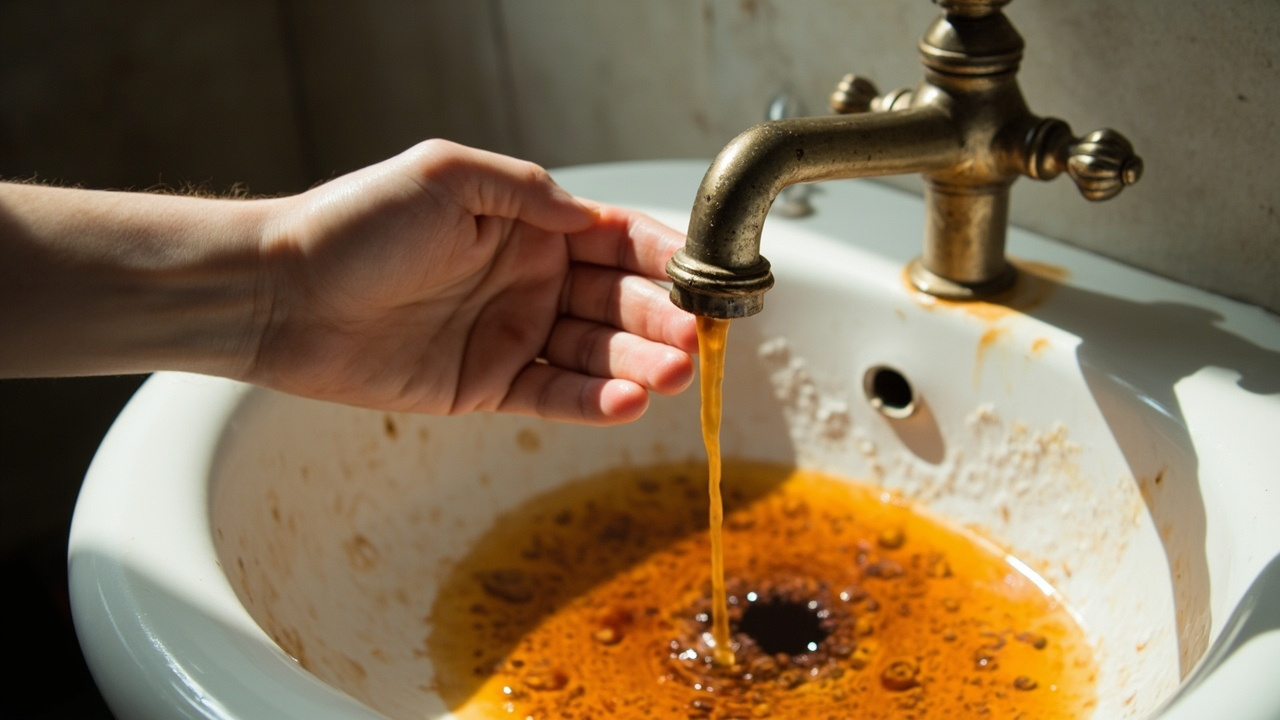
You turn on the faucet and see yellow water streaming out, or notice reddish water from pipes first thing in the morning. This is not normal, and you are right to be concerned.

Baltimore's aging water infrastructure contributes significantly to discolored hot water and rusty colored water problems. Many neighborhoods in the city still rely on cast iron water mains installed between the 1940s and 1970s. These pipes corrode from the inside out, releasing iron oxide into the water supply. When the Baltimore Department of Public Works performs hydrant flushing or main repairs, sediment in the distribution system gets stirred up, temporarily turning tap water brown throughout entire blocks.

Inside your home, galvanized steel supply lines common in pre-1980s Baltimore rowhomes corrode over decades of use. The zinc coating deteriorates, exposing the steel underneath to oxidation. You see the result as brown tap water, especially after the water sits unused overnight. Hot water heaters develop sediment accumulation faster in Baltimore due to the moderate hardness of city water, which carries dissolved minerals that settle and decompose into rust-colored sludge.

The Chesapeake Bay watershed influence means seasonal turbidity spikes can occur during heavy rain events, though this typically resolves within hours as the Ashburton and Montebello filtration plants adjust treatment protocols. If discolored water persists beyond a single day, the problem likely exists within your property's plumbing system, not the municipal supply. Testing determines the exact source, whether it is corroded supply lines, a failing water heater anode rod, or sediment buildup in your pressure tank.

Why Baltimore Homes Experience Brown and Rusty Tap Water
How We Isolate and Eliminate the Source of Discolored Water

How We Isolate and Eliminate the Source of Discolored Water

Guessing wastes time and money. We use systematic diagnostics to pinpoint why you have reddish water from pipes or yellow water from your faucet.

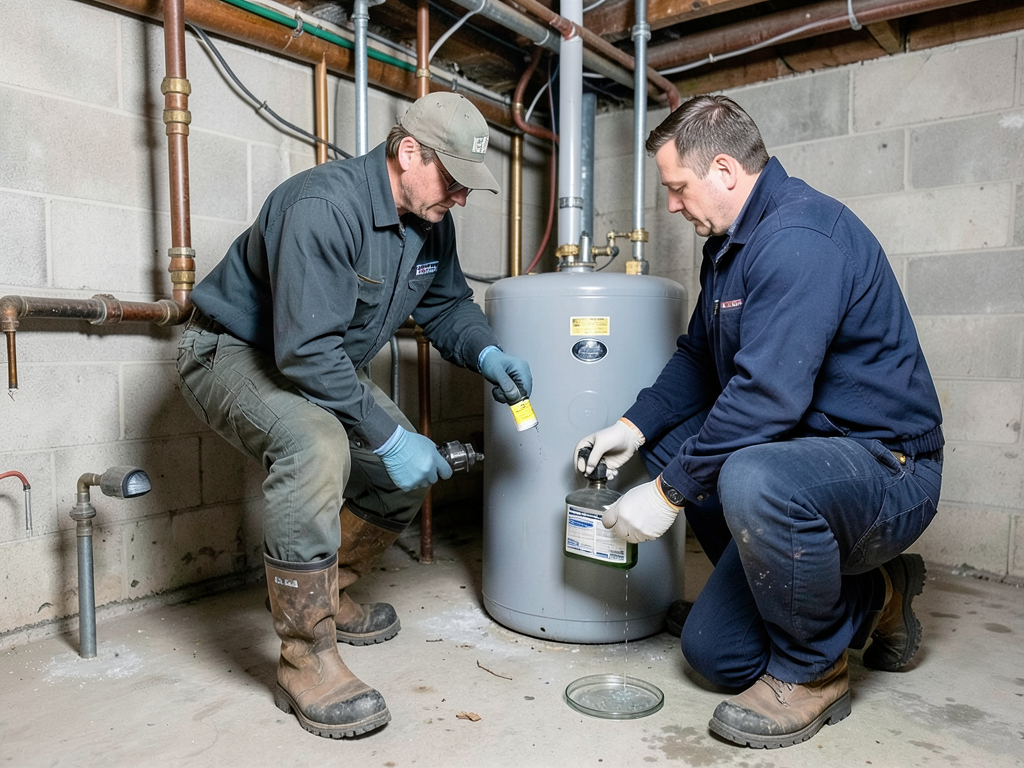
First, we test water at multiple points in your plumbing system. We collect samples directly from the water heater drain valve, from cold water taps closest to the main shutoff, and from fixtures at the end of branch lines. This triangulation reveals whether discoloration originates from the street, your service line, galvanized pipes inside the home, or the water heater itself.

We inspect the anode rod condition in your water heater. This sacrificial component attracts corrosive elements to protect the tank lining. When the magnesium or aluminum anode rod deteriorates completely, the tank interior begins corroding, producing rusty colored water in your hot water supply only. Replacing a spent anode rod before tank corrosion begins saves you from premature water heater replacement.

For homes with galvanized supply pipes, we perform pressure tests and visual inspections at accessible unions and cleanouts. Galvanized pipe develops tuberculation, where corrosion creates rough interior deposits that narrow the pipe diameter and flake off into the water stream. The only permanent fix is repiping with copper or PEX.

When the discoloration traces back to municipal supply issues, we coordinate with the Baltimore Department of Public Works to verify whether main breaks or planned flushing are occurring in your area. We install sediment filters or whole-house filtration systems as interim measures if city water quality fluctuates regularly in your neighborhood.

We do not sell unnecessary equipment. If flushing your water heater and replacing an anode rod solves the problem, that is what we recommend. If you need complete repiping, we explain why and show you the corroded sections we remove.

What Happens When We Diagnose Your Discolored Water Problem

Discolored or Rusty Water in Baltimore – Expert Diagnosis and Permanent Solutions
01

Water Quality Testing

We collect water samples from your water heater, main supply line, and various fixtures throughout your home. Testing reveals iron concentration, sediment levels, and pH balance. We run cold water and hot water separately to determine if discoloration affects both systems or only one. This isolates whether the problem stems from city supply, your service line, or internal plumbing components.
02

System Component Inspection

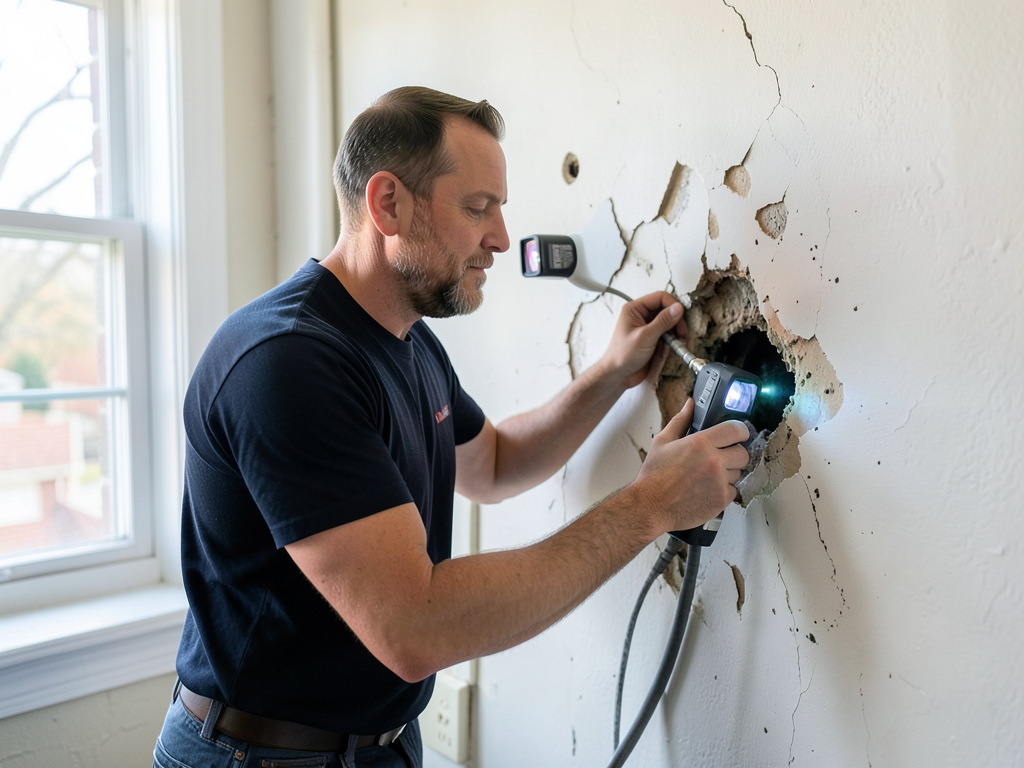
We drain and inspect your water heater tank for sediment accumulation and examine the anode rod for deterioration. We check accessible galvanized pipe sections for corrosion and interior scaling. We test water pressure at multiple points to identify restrictions caused by tuberculation inside aging pipes. Camera inspection through cleanouts shows interior pipe condition when visual access is limited.
03

Targeted Repair Solution

Based on diagnostic findings, we execute the appropriate fix. This might mean flushing your water heater and replacing the anode rod, installing a sediment filter, or repiping corroded supply lines with copper or PEX. We verify water clarity at all fixtures before finishing the job. You get clear water immediately, not a temporary patch that fails in six months.

Why Baltimore Homeowners Choose Keystone Plumbing for Water Quality Issues

You need someone who understands the specific plumbing challenges Baltimore homes face, not a contractor reading generic troubleshooting guides.

We work in Baltimore rowhomes, Canton townhouses, and Guilford single-family properties daily. We know that the Hampden and Remington neighborhoods have predominantly galvanized plumbing from the 1950s and 1960s. We know that Federal Hill and Fells Point properties often have hybrid systems where copper was added during kitchen renovations but galvanized pipes still feed second-floor bathrooms. We know which neighborhoods experience frequent water main breaks due to shifting clay soil and freeze-thaw cycles.

This local knowledge means we diagnose faster and recommend solutions appropriate for your specific home's age and construction type. We do not suggest whole-house repiping for a rowhome when the problem is isolated to a corroded water heater. We do not install a sediment filter when the real issue is 70-year-old galvanized pipe that will continue deteriorating.

We maintain relationships with Baltimore City plumbing inspectors and stay current on amendments to the 2018 International Plumbing Code as adopted by Baltimore. When repiping work requires permits, we handle the application process and coordinate inspections. We understand the requirements for lead-free fixtures and backflow prevention devices that apply to properties built before 1950.

Our diagnostic approach saves you money by identifying the real problem before starting work. Discolored water has multiple potential causes. Treating the symptom without finding the source means you pay twice for the same problem. We show you what we find, explain your options clearly, and execute the repair correctly.

Keystone Plumbing Baltimore operates transparently. We explain what is wrong, why it happened, and what you need to do. No pressure, no upselling.

What to Expect When You Contact Us About Discolored Water

Same-Day Diagnostic Appointments

We schedule diagnostic visits the same day you call for most Baltimore neighborhoods. Discolored water can indicate serious corrosion issues that worsen if ignored. We arrive within the scheduled window, test your water at multiple points, and explain findings on-site. Most diagnostics complete within 60 to 90 minutes. If the fix is simple, like flushing a water heater, we can often resolve it during the same visit. More extensive repairs like repiping require scheduling a follow-up appointment after we provide you with a detailed written estimate.

Thorough Water Quality Assessment

We test your water systematically rather than guessing based on color alone. We drain water heater tanks to check sediment levels and anode rod condition. We inspect accessible supply lines for corrosion and measure pressure differential between the main and fixtures. We ask when discoloration occurs, whether it affects hot or cold water, and if it happens at all fixtures or only specific ones. This information pinpoints whether you have a water heater problem, corroded galvanized pipes, or municipal supply turbidity. We explain what we find in plain language and show you physical evidence like corroded pipe sections or sediment from your water heater.

Clear, Restored Water Flow

When we finish the repair, your water runs clear immediately. If we replace corroded supply lines, we flush the system thoroughly to remove any residual sediment. If we service your water heater, we refill the tank and verify hot water clarity at every fixture. We test pressure to confirm repairs did not create flow restrictions. You do not wait days for water to clear or deal with recurring discoloration. The problem is solved, not temporarily masked. We verify results before we leave your property.

Preventive Maintenance Guidance

After resolving discolored water issues, we explain what caused the problem and how to prevent recurrence. If your water heater anode rod was the culprit, we recommend inspection intervals based on your water hardness and heater age. If galvanized pipes caused the discoloration, we outline a phased repiping strategy that fits your budget rather than pressuring you into immediate whole-house replacement. We provide straightforward information about how long your current plumbing will last and what warning signs indicate you need service before a major failure occurs.

Frequently Asked Questions

You Have Questions,
We Have Answers

How to tell if water is rusty? +

Rusty water appears brown, orange, or reddish when it flows from your tap. You may notice this discoloration in your first glass of the day or after returning from vacation. The water may leave stains on sinks and tubs. Sometimes you smell a metallic or earthy odor. Baltimore homes with older galvanized pipes or iron water mains often experience this problem. Run cold water for a few minutes. If the color clears, the issue is likely in your home plumbing. If it stays discolored, the problem may be in the city water main.

Is discolored water safe to drink? +

Discolored water is not always unsafe, but you should not drink it until you know the cause. Brown or yellow water usually means rust or sediment from aging pipes. This is unpleasant but not typically dangerous. However, discoloration can also signal bacterial contamination, lead, or other hazards. Baltimore residents should contact their water utility if discoloration affects multiple taps or persists beyond a few minutes of flushing. A plumber can test your water and inspect your pipes to determine if the problem comes from your home plumbing or the municipal system.

Is it safe to drink rusty tap water? +

Drinking small amounts of rusty tap water rarely causes serious harm. The rust comes from corroded iron pipes, which adds extra iron to your water. Most people tolerate trace iron without issues. However, rusty water tastes bad and stains everything it touches. The bigger concern is what else might be in the water. Baltimore homes with corroded pipes may also have lead, bacteria, or sediment contamination. Do not drink rusty water regularly. Have a plumber inspect your pipes and test your water to identify the root cause and ensure safety.

How to tell if water is discolored? +

Discolored water shows visible color changes when you fill a clear glass. Look for brown, yellow, orange, red, or cloudy white tints. Run your cold water tap for two minutes. If the color clears, your home pipes are the source. If it stays discolored, the issue may be in the street main. Baltimore residents should check multiple taps in the house. If only hot water is discolored, your water heater may need flushing or replacement. Persistent discoloration across all taps warrants a plumber inspection to protect your health and plumbing.

Does brown water mean pipes need replacing? +

Brown water does not always mean you need full pipe replacement. Temporary discoloration after water main work is normal in Baltimore. Sediment or rust gets stirred up and clears within hours. If brown water appears daily or worsens over time, your pipes are corroding inside. Galvanized pipes installed before 1960 often rust out after 50 years. A plumber can inspect your pipes with a camera to assess corrosion levels. Sometimes a water heater flush or pressure regulator adjustment solves the problem. Whole house repiping is necessary only when corrosion is severe and widespread.

What color is rust in water? +

Rust in water appears as brown, orange, or reddish discoloration. The color intensity depends on the rust concentration. Light rust gives water a faint yellow or tan tint. Heavy rust produces a dark brown or burnt orange color. You may see rust particles settle at the bottom of a glass. Baltimore homes with galvanized steel or old iron pipes experience rust as the metal corrodes from the inside. Hot water often shows more rust because heat accelerates corrosion. Rust stains sinks, tubs, and laundry. Persistent rust color means your pipes need professional attention.

Can I shower in discoloured water? +

Showering in discolored water is usually safe if the discoloration comes from rust or sediment. The rust will not harm your skin. However, it can stain towels, tile grout, and fixtures. If the water smells foul or appears oily, do not use it. That may indicate bacterial contamination or a chemical issue. Baltimore residents should avoid bathing if the city issues a boil water advisory. If you are unsure about the cause of discoloration, wait until a plumber tests your water. Showering in contaminated water can cause skin irritation or infection.

What happens if rust gets in your drink? +

Ingesting small amounts of rust occasionally will not harm you. Rust is iron oxide, and your body needs iron. However, consuming rust regularly can cause stomach upset, nausea, or constipation. The real danger is not the rust itself but what else corroded pipes may release. Baltimore homes with rusty water may also have lead leaching from old solder joints or pipe fittings. Lead contamination causes serious health problems. If you accidentally drink rusty water, you will be fine. But do not make it a habit. Have your water tested and your pipes inspected.

What are the symptoms of contaminated water? +

Contaminated water can cause stomach cramps, diarrhea, nausea, vomiting, and fever. Symptoms usually appear within hours or days of drinking bad water. You may experience headaches, fatigue, or dehydration. Children, elderly residents, and people with weakened immune systems face higher risk. Baltimore water is treated and monitored, but problems can develop in home plumbing. If multiple people in your household get sick after drinking tap water, contact a doctor and stop using the water. A plumber can test for bacteria, lead, and other contaminants to identify the source.

Will rust harm you if ingested? +

Ingesting rust in small amounts will not harm you. Rust is oxidized iron, a mineral your body uses. You might experience mild stomach discomfort if you consume large amounts. The real concern with rusty water is what else might be present. Corroded pipes in Baltimore homes can release lead, bacteria, or other toxins into your drinking water. These contaminants cause serious health problems over time. Do not ignore rusty water. Have a plumber inspect your plumbing system and test your water quality to rule out dangerous contamination beyond just harmless iron oxide.

How Baltimore's Aging Water Infrastructure Affects Your Home's Plumbing

Baltimore's water distribution system includes over 1,400 miles of water mains, with roughly 30 percent dating to before 1950. Cast iron and unlined steel mains dominate older neighborhoods like Charles Village, Waverly, and Mount Vernon. These pipes corrode internally over decades, releasing iron particles that create brown tap water whenever pressure changes occur during main breaks or hydrant flushing. The Baltimore Department of Public Works replaces approximately 15 miles of water main annually, but at this pace, full infrastructure replacement will take decades. This means homes in many neighborhoods will continue experiencing intermittent discolored water from municipal supply issues, making whole-house sediment filtration a worthwhile investment for properties built before 1980.

Keystone Plumbing Baltimore has diagnosed water quality issues in thousands of city homes over the years. We differentiate between temporary municipal supply turbidity and permanent internal plumbing corrosion. We know which neighborhoods experience chronic water main breaks due to unstable clay soil. We understand how Baltimore's building stock, with its high concentration of pre-1970 rowhomes, creates specific plumbing challenges related to galvanized pipe deterioration. This experience means we recommend solutions appropriate for your property's age and your neighborhood's infrastructure condition, not generic fixes that do not address Baltimore's specific water quality challenges.
Plumbing Services in The Baltimore Area

Discover our conveniently located service hub, strategically positioned to ensure rapid response times across the region. While our office welcomes inquiries, our skilled technicians are typically out in the field, ready to bring our expertise directly to your doorstep. We are committed to serving the entire area efficiently, making sure expert plumbing assistance is always just a call away, wherever you are.

Address:
Keystone Plumbing Baltimore, 312 N Martin Luther King Jr Blvd, Baltimore, MD, 21201

Additional Services We Offer

Our news updates

Latest Articles & News from The Blogs

Adding a Luxury Wet Bar to Your Rooftop Deck in South Baltimore Imagine sipping a cocktail on your rooftop deck…

Adding a Luxury Wet Bar to Your Rooftop Deck in South Baltimore

Adding a Luxury Wet Bar to Your Rooftop Deck in South Baltimore Imagine sipping a cocktail on your rooftop deck…

Finding and Fixing Hidden Slab Leaks Under Your Beverly Hills Home

Finding and Fixing Hidden Slab Leaks Under Your Beverly Hills Home A hidden slab leak can silently destroy your Beverly…

How to Repair a Leaky Shower Valve in Your Cross Keys Condo

How to Repair a Leaky Shower Valve in Your Cross Keys Condo Living in the Village of Cross Keys means…

Contact Us

Stop drinking and bathing in discolored water. Call Keystone Plumbing Baltimore at (443) 443-9099 right now. We will schedule a same-day diagnostic visit, identify the exact source of your water discoloration, and fix it permanently.