Menu

Backflow Prevention & Testing in Baltimore | Annual Certification & Assembly Testing to Keep Your Water Supply Safe

Protect Your Home or Business from Contaminated Water with Expert Backflow Preventer Inspection and Certified Testing That Meets Baltimore City Code Requirements

Slider Image 1
Slider Image 2
Slider Image 3
Slider Image 4
Slider Image 5
Slider Image 7
Slider Image 8
Slider Image 9
Slider Image 10
Slider Image 11

Why Baltimore's Aging Water Infrastructure Makes Backflow Testing Essential

Baltimore's water distribution system serves over 1.8 million people across the metro area, and much of the underground infrastructure dates back to the early 1900s. This aging system creates pressure fluctuations that increase the risk of backflow, where contaminated water reverses direction and flows back into your clean water supply.

The problem is serious. When pressure drops in the main lines due to a water main break, firefighting operations, or maintenance work, dirty water from irrigation systems, boilers, or industrial processes can siphon backward into the drinking water. Baltimore's high density of row homes and multi-unit buildings compounds this risk. A single contaminated backflow event in one property can affect an entire block.

Maryland law requires annual backflow certification for any property with a backflow prevention device. This includes commercial buildings, restaurants, medical facilities, car washes, and homes with irrigation systems or wells. Baltimore City enforces these requirements strictly. Properties without current backflow device testing documentation face fines and potential water shutoff.

The Chesapeake Bay Watershed regulations also affect local testing requirements. Properties near the harbor or waterways face additional scrutiny to prevent contamination of protected waters. This means your backflow assembly testing must be documented and submitted to the city within specific timeframes.

You cannot skip this service. The health of your water supply depends on proper backflow prevention compliance. Every cross-connection point in your plumbing system is a potential contamination pathway.

Why Baltimore's Aging Water Infrastructure Makes Backflow Testing Essential
How Professional Backflow Assembly Testing Protects Your Water Quality

How Professional Backflow Assembly Testing Protects Your Water Quality

Backflow preventers are mechanical assemblies with internal check valves, air gaps, and relief valves that stop reverse flow. These devices wear out. Rubber seals degrade, springs lose tension, and check valves stick open. A backflow preventer that looks fine from the outside can fail internally and provide zero protection.

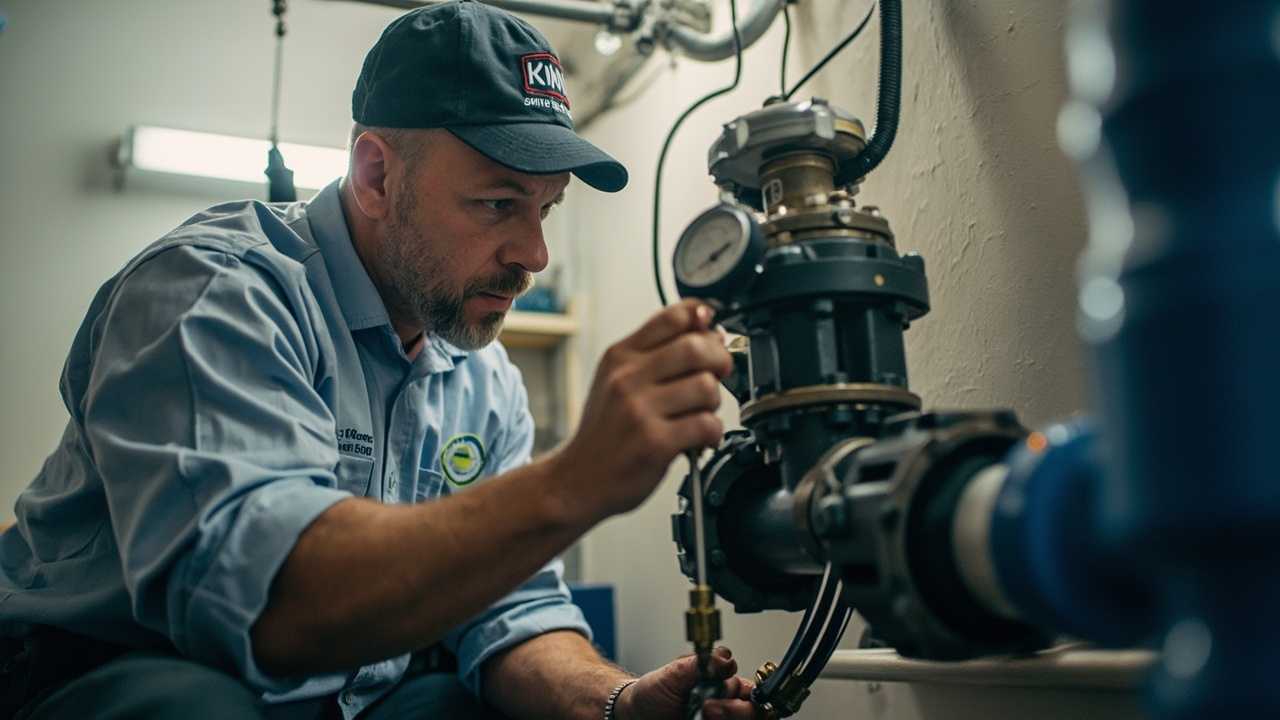
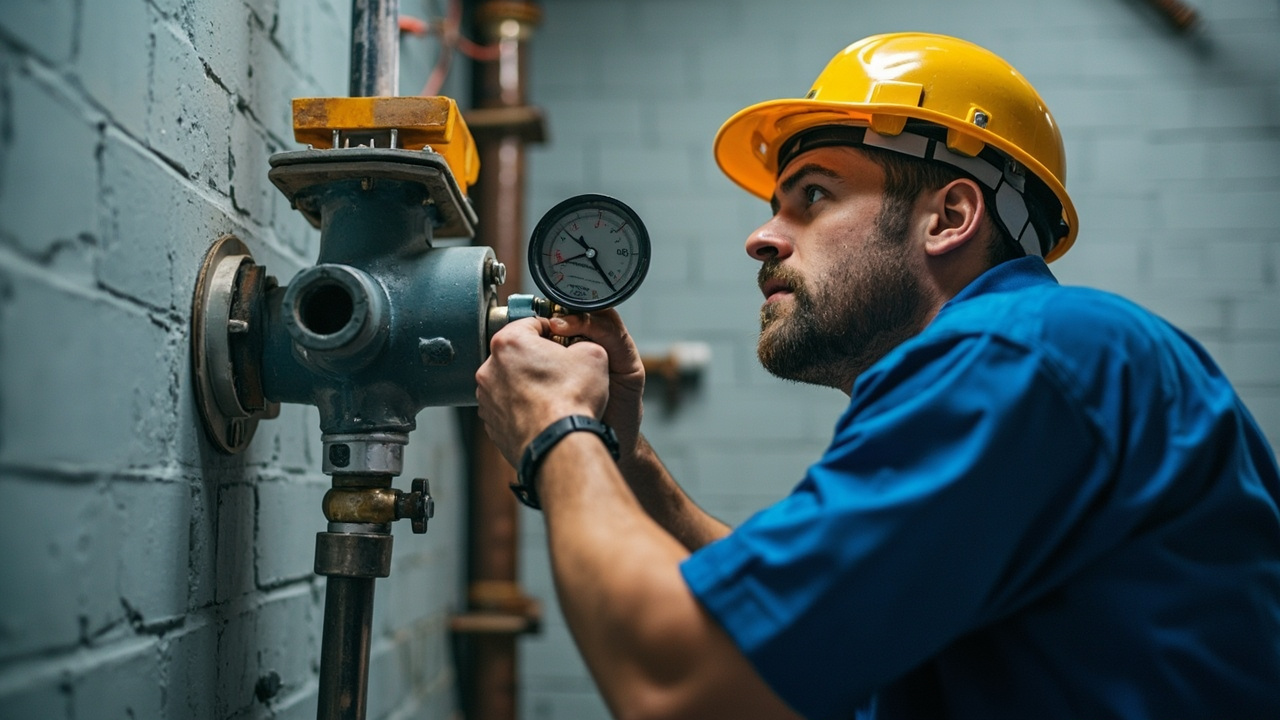
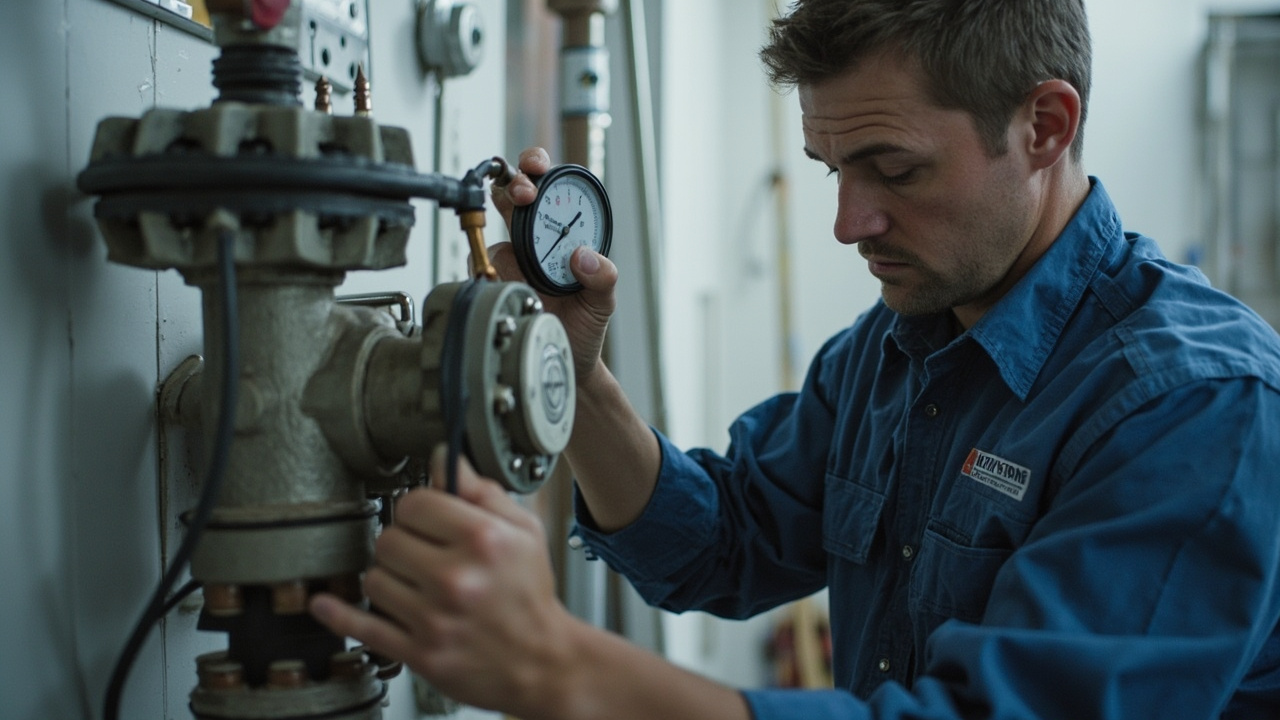
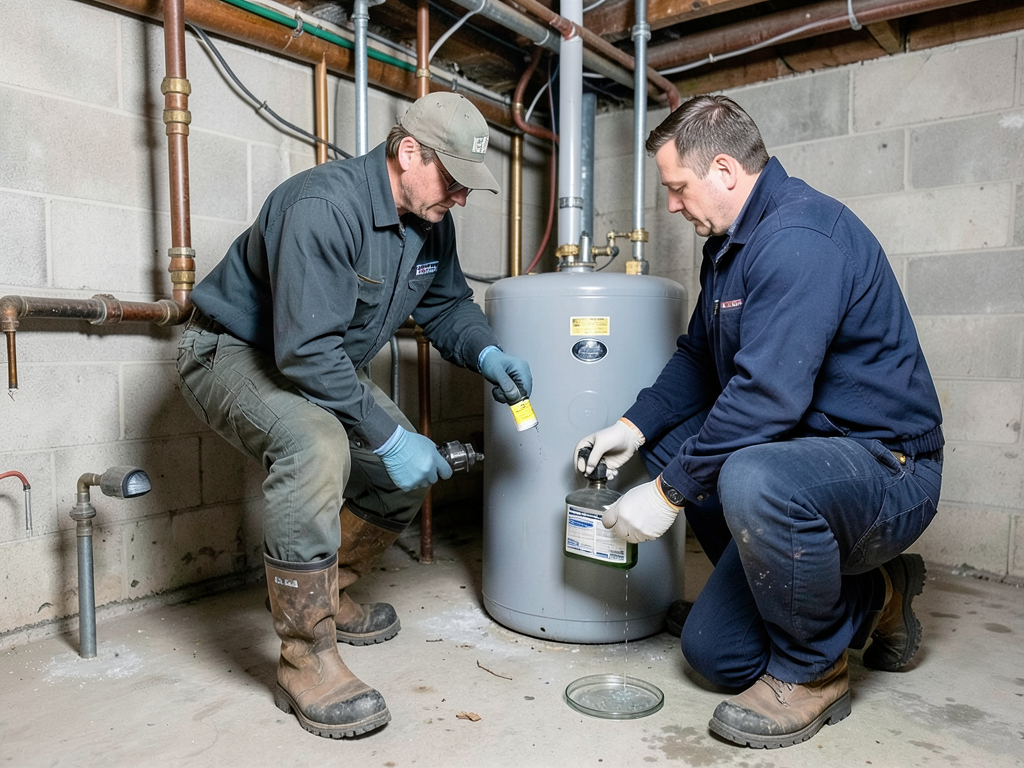
Proper backflow preventer inspection requires certified testing equipment. We connect specialized gauges to the test cocks on your device and create controlled pressure scenarios. We measure the opening and closing points of each check valve, verify the air gap clearances, and test the relief valve discharge. This is not a visual inspection. This is diagnostic pressure testing that exposes hidden failures.

If your device fails, we identify exactly which component is compromised. Sometimes a valve just needs cleaning. Other times, the entire assembly requires replacement. We do not guess. We test, document, and repair or replace based on measurable data.

After testing, we complete the official backflow test report required by Baltimore City. This document includes your device serial number, test results for each valve, and our tester certification number. We submit this paperwork directly to the Department of Public Works on your behalf. You receive a copy for your records.

For commercial properties, we schedule testing during off-hours to avoid disrupting your operations. For residential properties, we work around your schedule. The testing process takes 20 to 40 minutes per device depending on the assembly type and condition.

We test reduced pressure zone assemblies, double check valve assemblies, pressure vacuum breakers, and atmospheric vacuum breakers. Each device type requires different testing protocols and pressure thresholds.

What Happens During Your Backflow Testing Appointment

Backflow Prevention & Testing in Baltimore | Annual Certification & Assembly Testing to Keep Your Water Supply Safe
01

Device Location and Setup

We locate all backflow prevention assemblies on your property and verify they match the devices listed on your city records. We check for proper installation, clearance from walls or obstructions, and accessibility of test cocks. We connect our calibrated differential pressure gauges and bleed test lines to remove air. This preparation ensures accurate readings during the pressure tests that follow.
02

Pressure Testing and Diagnostics

We perform a series of five tests on reduced pressure assemblies or four tests on double check valves. Each test measures specific valve closure points, differential pressures, and relief valve discharge rates. We record psi readings at each stage and compare them against manufacturer specifications and Baltimore City code requirements. Failed components are identified immediately. This diagnostic data determines whether your device passes, needs adjustment, or requires replacement.
03

Certification and Reporting

We complete the official backflow test report with all pressure readings, device information, and pass or fail status. We attach tamper-proof test tags to your assembly showing the test date and next due date. We submit your certification paperwork to Baltimore City electronically and provide you with copies for your property files. If repairs were needed, we document the work completed and retest to verify proper function before finalizing the report.

Why Baltimore Property Owners Trust Keystone Plumbing Baltimore for Backflow Compliance

Backflow testing is not a side service we offer. It is a core competency. Our technicians hold current backflow tester certification through the American Backflow Prevention Association. This certification requires annual recertification and continuing education. We know the testing protocols, the code requirements, and the paperwork procedures that Baltimore City expects.

We maintain calibrated testing equipment that meets Maryland state accuracy standards. Our gauges are recertified annually by accredited calibration labs. This is not optional. Baltimore City can reject test reports if the equipment calibration is expired or questionable. We never put you in that position.

We understand Baltimore's specific plumbing code nuances. The city enforces stricter backflow requirements in certain districts, particularly near the Inner Harbor and in historic preservation zones. We know which properties require reduced pressure assemblies instead of double check valves. We know when you need additional testing for fire sprinkler systems or booster pumps. This local knowledge prevents failed inspections and compliance headaches.

For commercial clients, we manage your annual testing schedule proactively. We track your device locations, test due dates, and city submission deadlines. You receive reminder notifications 30 days before testing is due. This prevents lapses in compliance and the fines that come with them.

We also handle backflow device installations and repairs. If your assembly fails testing and needs replacement, we install the correct device type, pull the required permits, and arrange the city inspection. You work with one company from testing through installation to final approval.

Our work protects your water quality and your legal compliance. Both matter equally in Baltimore's regulated environment.

What You Get with Professional Backflow Testing Services

Rapid Scheduling and Minimal Disruption

We schedule backflow testing appointments within 48 to 72 hours for most properties. If you are facing a deadline for city submission, we prioritize your appointment. Testing typically takes 20 to 40 minutes per device. We arrive on time, complete the work efficiently, and minimize disruption to your home or business operations. For commercial properties with multiple devices, we can schedule after-hours or weekend testing to avoid affecting your customers or tenants. You receive confirmation of your appointment time and our technician contacts you when en route.

Thorough Inspection and Diagnostic Testing

Our testing process follows the exact procedures mandated by the American Water Works Association and Baltimore City code. We do not rush through the tests or skip steps. We measure opening and closing differentials on both check valves, verify relief valve discharge rates, and test for proper air gap clearances where applicable. We inspect the assembly housing for cracks, corrosion, or damage that could compromise function. If your device fails, we explain exactly which component is the problem and what repair or replacement is needed. You receive clear answers, not vague statements about needing a new device.

Official Certification and City Submission

You receive a complete backflow test report with all pressure readings, device serial numbers, and our tester certification information. This report meets Baltimore City requirements for official submission. We handle the city filing electronically through the Department of Public Works online portal. You receive copies of the submitted documentation for your property records. If you need additional copies for insurance providers, property managers, or lease agreements, we provide them at no extra charge. Your testing is documented, certified, and legally compliant.

Ongoing Compliance Management

Annual backflow certification is required every 12 months from the test date, not the calendar year. We track your testing schedule and send reminder notifications 30 days before your next test is due. This proactive management prevents compliance lapses and late fees. For properties with multiple backflow devices or multiple locations, we maintain a master schedule across all your properties. You never have to remember test dates or submission deadlines. We handle the administrative burden of compliance so you can focus on running your business or managing your property.

Frequently Asked Questions

You Have Questions,
We Have Answers

What is backflow prevention testing? +

Backflow prevention testing verifies that your backflow device is working correctly to stop contaminated water from reversing direction and entering Baltimore's clean water supply. A certified tester uses specialized gauges to check all internal components, including check valves, relief valves, and air inlet valves. The test measures pressure differentials to confirm the device creates a proper barrier. Baltimore City and Baltimore County require annual testing for commercial properties and some residential installations. The tester documents results and submits reports directly to your local water department. This protects public health and ensures compliance with Maryland plumbing codes.

How often does a backflow preventer need to be tested? +

Baltimore City requires annual backflow preventer testing for commercial properties, irrigation systems, and any residential property with a high-hazard cross-connection. You must complete testing within 30 days of installation and then every 12 months after that. The Baltimore County Department of Permits requires similar annual testing schedules. Your water department sends reminder notices, but you are responsible for scheduling with a certified tester. Some properties with fire suppression systems or chemical injection points may need more frequent testing. Always check your specific property classification with your local jurisdiction to avoid compliance issues and potential water shutoff.

Is backflow testing really necessary? +

Yes. Backflow testing is legally required in Baltimore City and Baltimore County for most commercial properties and many residential installations. The risk is real. Contaminated water from irrigation systems, boilers, or chemical feeders can reverse into the municipal water supply during pressure drops, main breaks, or firefighting operations. Baltimore experiences frequent water main breaks due to aging infrastructure, creating sudden pressure changes. One failed backflow preventer can contaminate water for an entire block. Beyond public health protection, skipping required testing results in violation notices, fines, and possible water service disconnection. Compliance protects you and your neighbors.

Can I test my own backflow preventer? +

No. Maryland law requires a certified backflow prevention tester to perform all annual testing. You cannot legally test your own device. Testers must complete state-approved training, pass certification exams, and maintain specialized calibrated equipment. The test gauges require annual calibration to ensure accuracy. Baltimore City and Baltimore County only accept test reports from certified professionals holding valid Maryland credentials. DIY testing will not satisfy your legal compliance requirement. Additionally, improper testing can damage the backflow device or give false readings that compromise public water safety. Hire a certified professional to ensure valid results and proper reporting to your water department.

Do all plumbers do backflow testing? +

No. Backflow testing requires specific state certification beyond a standard plumbing license. Many plumbers are not certified backflow testers. The tester must complete specialized training in backflow assembly testing, pass a state exam, and maintain calibrated test equipment. In Baltimore, look for professionals holding Maryland Department of the Environment backflow tester certification. Some plumbing companies employ certified testers on staff, while others do not offer this service. Always verify certification credentials before hiring. The tester must also be familiar with local reporting requirements for Baltimore City or Baltimore County water departments. Ask for certification proof when scheduling your annual test.

What happens if I don't do backflow testing? +

Baltimore City and Baltimore County issue violation notices for missed backflow testing. First, you receive a warning letter with a deadline to comply. Continued non-compliance leads to fines that increase with each violation cycle. Your water department can legally shut off your water service until you complete testing and submit valid reports. For commercial properties, you risk failing health inspections or business license renewals. More critically, an untested backflow preventer may fail without your knowledge, allowing contaminated water to enter the municipal supply. This creates serious public health liability. Schedule your annual test to avoid penalties and protect community water safety.

How much does it cost to test a backflow preventer? +

Backflow testing costs in Baltimore typically range based on device type, accessibility, and property location. Prices vary by company and device complexity. Simple residential devices cost less than complex commercial assemblies with multiple check valves. Factors affecting cost include the number of devices, test port accessibility, and whether repairs are needed. Many Baltimore plumbing companies offer testing as part of maintenance packages. Commercial properties with multiple backflow assemblies may negotiate volume pricing. The cost of testing is minimal compared to fines for non-compliance or water service disconnection. Contact certified testers in the Baltimore metro for specific quotes.

Do all houses have backflow preventers? +

Not all houses in Baltimore have backflow preventers, but many do. You need a testable backflow assembly if your home has an irrigation system, pool fill line, boiler with chemical treatment, or any plumbing connection that could contaminate the water supply. Homes in older Baltimore neighborhoods may not have been required to install devices during original construction. However, Baltimore City and Baltimore County now require backflow prevention for new installations and specific property uses. All commercial properties and multi-family buildings typically need devices. Check with your local water department or a licensed plumber to determine if your property requires backflow prevention.

What is the life expectancy of a backflow preventer? +

A properly maintained backflow preventer typically lasts 10 to 15 years in Baltimore. Lifespan depends on water quality, usage frequency, and maintenance. Baltimore's aging water infrastructure can create sediment and pressure fluctuations that accelerate wear on internal check valves and seals. Annual testing identifies worn components before complete failure. Devices exposed to freezing temperatures or outdoor weather conditions may fail sooner. Irrigation system backflow preventers often need replacement earlier due to seasonal use and winterization cycles. When annual tests show repeated failures or require frequent repairs, replacement becomes more economical than ongoing fixes. A certified tester can assess device condition during testing.

How long does a water backflow test take? +

A standard backflow test takes 15 to 30 minutes per device for an experienced certified tester. Simple residential backflow assemblies with accessible test ports take less time. Larger commercial devices or assemblies in difficult locations may take longer. The tester must shut off water temporarily, attach test gauges, measure pressure differentials across check valves, verify relief valve operation, and document results. If the device fails testing, repair time adds to the total visit. Properties with multiple backflow assemblies require additional time per device. The tester then completes paperwork and submits compliance reports to Baltimore City or Baltimore County water departments.

How Baltimore's Water Pressure Fluctuations Increase Backflow Risk

Baltimore's topography creates significant elevation changes across the city. Properties in Federal Hill, Hampden, and Mount Vernon sit at different elevations than the harbor areas. This geography forces the water system to maintain multiple pressure zones. When the Department of Public Works performs maintenance, opens hydrants for street cleaning, or responds to main breaks, pressure drops can affect entire neighborhoods. These pressure fluctuations increase backflow risk. Your backflow prevention device is the only barrier preventing contaminated water from entering your supply during these events. Regular testing ensures that barrier functions correctly when pressure changes occur.

Baltimore City code enforcement has intensified backflow compliance requirements in recent years. The Department of Public Works now requires electronic submission of test reports and flags properties with expired certifications. Property owners receive violation notices and face potential water service interruption for non-compliance. Working with a locally based testing company that understands Baltimore's specific requirements and submission procedures protects you from these administrative complications. We know the local inspectors, understand the city's online filing system, and handle the bureaucratic details that cause problems for out-of-area testing companies. Local expertise matters when your water service is on the line.
Plumbing Services in The Baltimore Area

Discover our conveniently located service hub, strategically positioned to ensure rapid response times across the region. While our office welcomes inquiries, our skilled technicians are typically out in the field, ready to bring our expertise directly to your doorstep. We are committed to serving the entire area efficiently, making sure expert plumbing assistance is always just a call away, wherever you are.

Address:
Keystone Plumbing Baltimore, 312 N Martin Luther King Jr Blvd, Baltimore, MD, 21201

Additional Services We Offer

Our news updates

Latest Articles & News from The Blogs

Adding a Luxury Wet Bar to Your Rooftop Deck in South Baltimore Imagine sipping a cocktail on your rooftop deck…

Adding a Luxury Wet Bar to Your Rooftop Deck in South Baltimore

Adding a Luxury Wet Bar to Your Rooftop Deck in South Baltimore Imagine sipping a cocktail on your rooftop deck…

Finding and Fixing Hidden Slab Leaks Under Your Beverly Hills Home

Finding and Fixing Hidden Slab Leaks Under Your Beverly Hills Home A hidden slab leak can silently destroy your Beverly…

How to Repair a Leaky Shower Valve in Your Cross Keys Condo

How to Repair a Leaky Shower Valve in Your Cross Keys Condo Living in the Village of Cross Keys means…

Contact Us

Do not risk contaminated water or city fines. Call Keystone Plumbing Baltimore at (443) 443-9099 to schedule your backflow preventer inspection and certification. We handle testing, reporting, and city submission so your property stays compliant and your water stays safe.