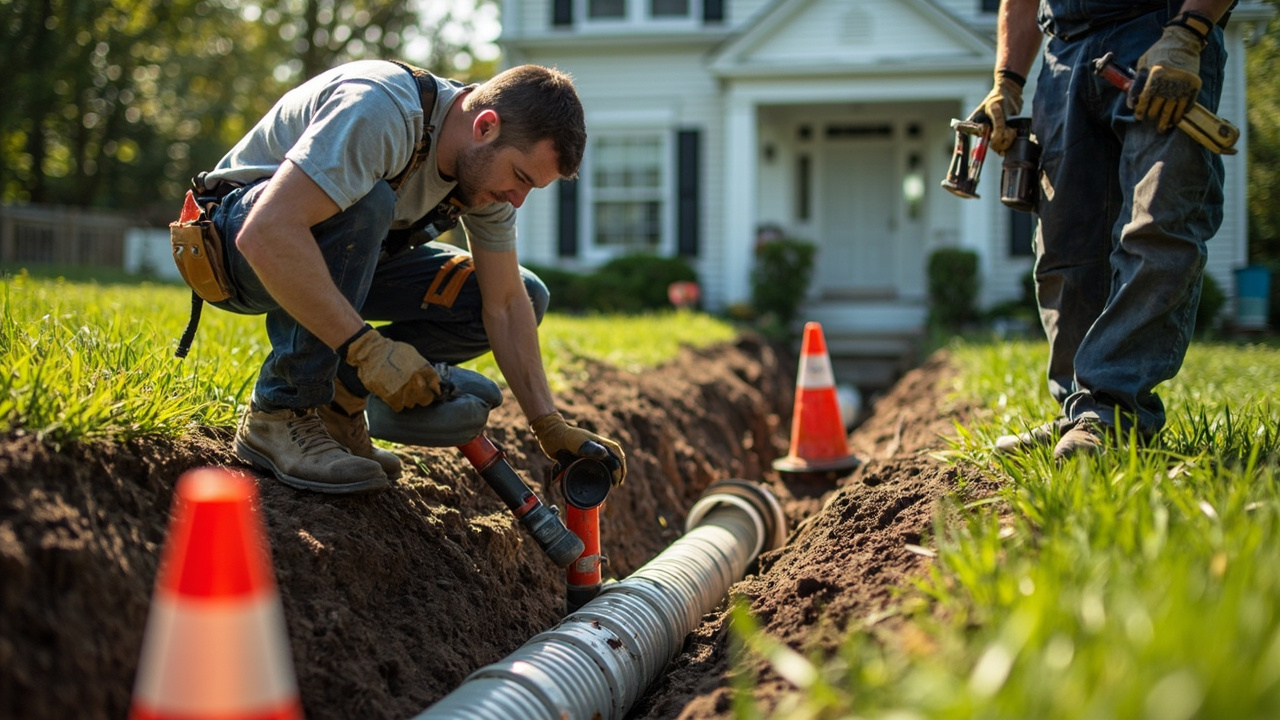
Baltimore sits on expansive clay soil that shifts dramatically with moisture changes. Spring rains saturate the ground, causing clay to swell and exert pressure on rigid sewer pipes. Summer heat bakes moisture out, shrinking the soil and leaving voids around pipe sections. This cycle repeats year after year, separating pipe joints and creating cracks that tree roots exploit. Combined with infrastructure installed 60 to 100 years ago using clay pipe and cast iron, the conditions guarantee sewer lateral failure. Most Baltimore neighborhoods face this problem simultaneously as pipes reach end-of-life status. Trenchless sewer line repair solves the problem without the massive excavation that traditional methods required.
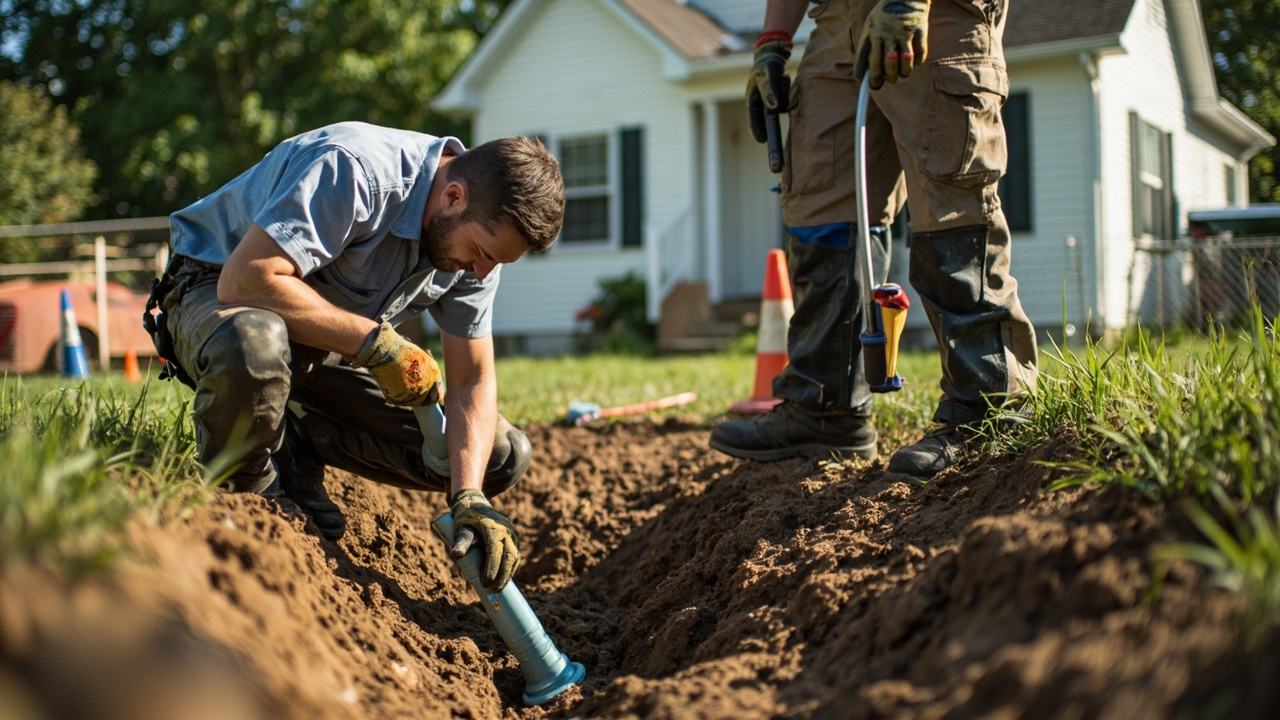
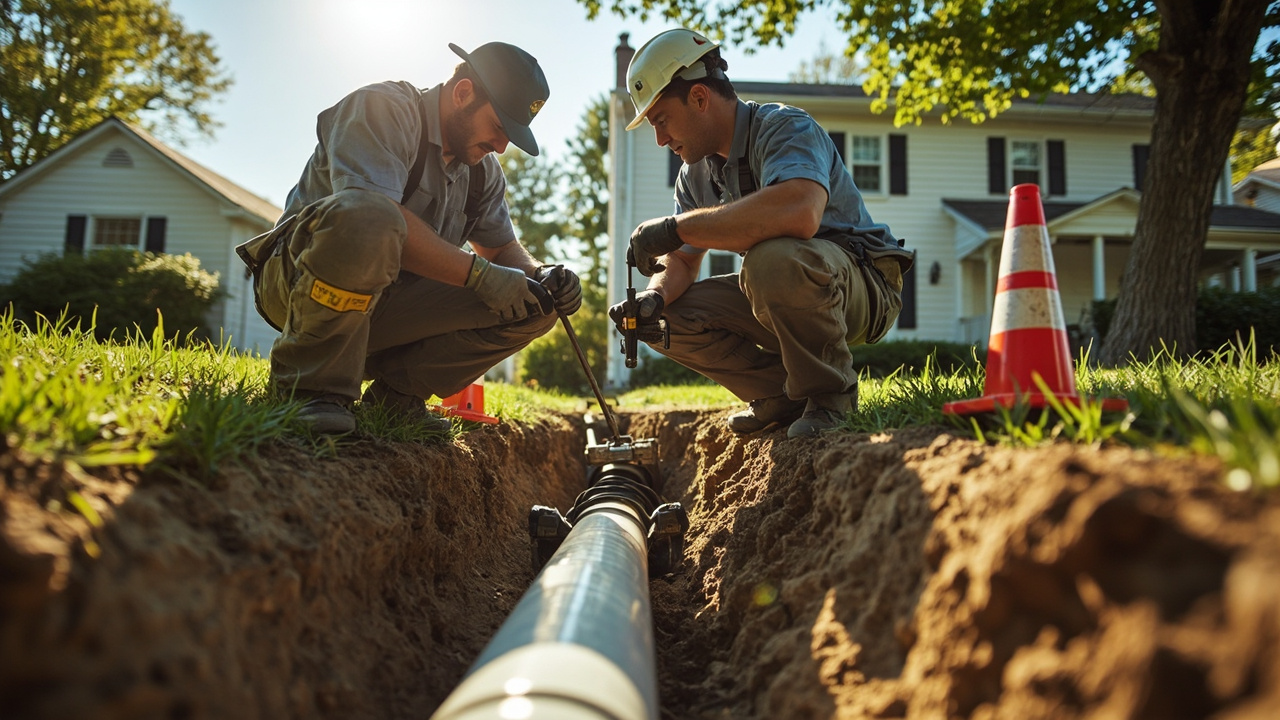
Baltimore's Department of Public Works maintains specific requirements for sewer lateral replacement that differ from surrounding counties. Permit applications require detailed site plans and connection specifications. Inspectors verify trench depth, bedding material, and slope gradient before allowing backfill. Properties connecting to the city's combined sewer system face additional backflow preventer requirements in certain zones. Working with local technicians who navigate these regulations daily prevents permit delays and failed inspections. We maintain relationships with city inspectors, understand current code interpretations, and coordinate approval processes while you focus on getting your property back to normal operation.