
Is Baltimore City Tap Water Safe? (A Guide for Mt. Vernon Residents)
Baltimore’s tap water meets federal safety standards but aging infrastructure creates real risks for Mt. Vernon homes. Lead service lines built before 1950 still supply water to many historic properties near the Washington Monument. Recent 2024 water quality tests show chlorine levels slightly above the national average due to increased disinfection requirements. The city’s three treatment plants process over 200 million gallons daily but cannot prevent mineral buildup in century-old pipes. Baltimore Department of Public Works.
Where Baltimore’s Water Comes From
The city draws from three reservoirs: Loch Raven north of Towson, Liberty near Sykesville, and Prettyboy in northern Baltimore County. Water travels through 3,400 miles of underground pipes before reaching Mt. Vernon. The Ashburton plant on the city’s west side treats water for downtown areas using ozone and chlorine disinfection. Montebello plants handle the northeast section including parts of Mt. Vernon. Fast Water Heater Replacement for Homeowners in Towson and Lutherville.
Mt. Vernon sits at the intersection of two major water mains. Homes built before 1950 likely have lead service lines connecting to cast iron city pipes. The neighborhood’s elevation changes create pressure fluctuations that stir up sediment in older pipes. Water travels through pipes ranging from brand new PVC to century-old lead, picking up different minerals along the way. Fixing Low Water Pressure in Your Locust Point Rowhome.
Common Contaminants Found in Baltimore Tap Water
Lead remains the biggest concern for Mt. Vernon residents. Baltimore’s 2024 water quality report shows 10% of tested homes exceeded the EPA’s 15 parts per billion lead action level. Homes built before 1950 face the highest risk since lead pipes were standard until the mid-20th century. EPA drinking water standards.
Chlorine levels in Mt. Vernon average 1.2 parts per million, slightly higher than the national average of 0.8 ppm. The city increased disinfection after detecting cryptosporidium in 2022. While safe for drinking, chlorine creates that distinctive swimming pool smell and can dry out skin.
Hard water affects 85% of Baltimore homes. Mt. Vernon’s water contains 7-9 grains per gallon of calcium and magnesium. These minerals leave white scale on faucets and reduce appliance efficiency. The city’s pH of 7.8 falls within safe limits but contributes to mineral precipitation in pipes.
The Lead Pipe Challenge in Baltimore Neighborhoods
Lead service lines pose the greatest health risk in Mt. Vernon. These pipes connect homes to the main water line under the street. Baltimore estimates 10,000 lead service lines remain citywide, with highest concentrations in older neighborhoods.
Lead dissolves more readily in hot water and when water sits stagnant. Morning water often contains higher lead levels since it’s been sitting in pipes overnight. Running cold water for 30 seconds before use reduces lead exposure but doesn’t eliminate it.
The EPA’s Lead and Copper Rule requires cities to replace lead service lines. Baltimore’s program targets 5,000 lines by 2025 but moves slowly due to cost and coordination challenges. Property owners must replace the private side of lead lines, which can cost $3,000-$5,000 per home.
How to Test and Improve Your Home’s Water Quality
Professional testing provides the most accurate results. Baltimore’s Department of Public Works offers free lead testing kits to residents. For comprehensive analysis, certified labs test for lead, copper, bacteria, and chemical contaminants. Costs range from $150-$400 depending on test scope. Professional Drain Cleaning Services to Clear Stubborn Clogs in Federal Hill.
DIY test strips detect basic parameters like pH, hardness, and chlorine but miss lead and other heavy metals. These $20-$50 kits work well for monitoring changes but shouldn’t replace professional testing if you suspect serious contamination.
Filtration options vary by contaminant and budget. Activated carbon filters remove chlorine taste and some organic compounds. Reverse osmosis systems eliminate lead, arsenic, and most dissolved solids. Whole-house filters protect plumbing but cost $1,000-$3,000 installed. Plumbing College Park.
Frequently Asked Questions About Baltimore Water
Why does my water smell like chlorine?
Chlorine is added to kill bacteria and viruses. Mt. Vernon’s levels run slightly high due to increased disinfection requirements. The smell typically fades after water sits in an open container for 30 minutes.
Is Baltimore water hard or soft?
Baltimore water is moderately hard at 7-9 grains per gallon. This causes white scale on fixtures and reduces soap lathering. Hard water isn’t harmful to drink but can damage appliances over time.
How do I know if I have lead pipes?
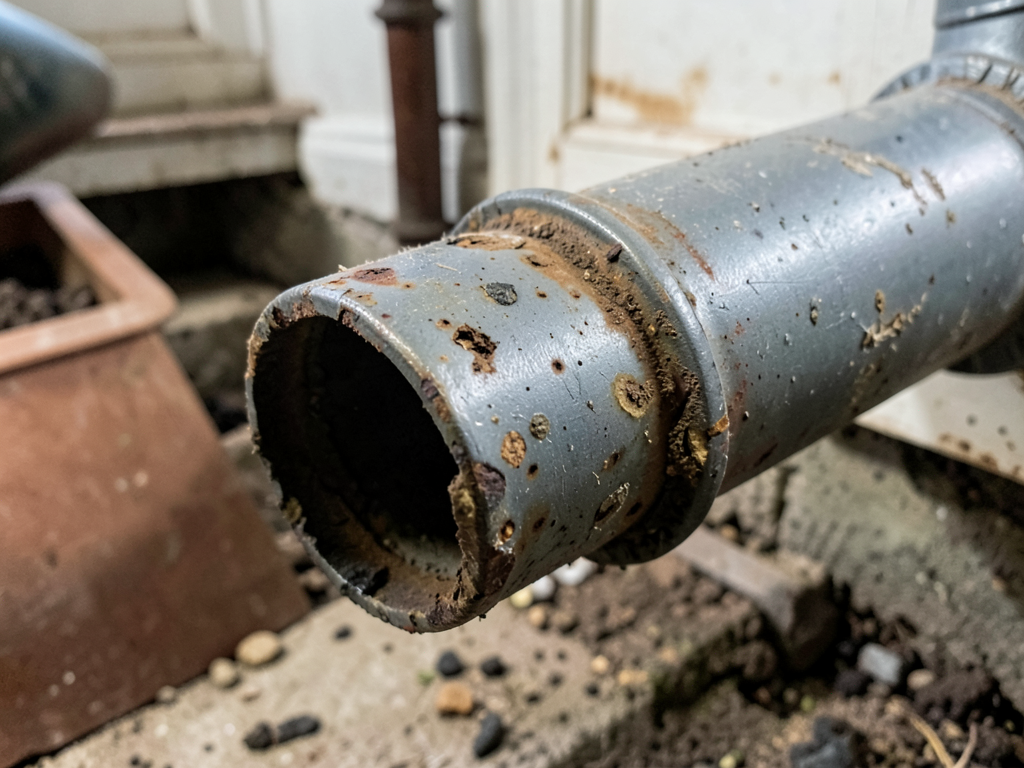
Homes built before 1950 have the highest risk. Check exposed pipes in basements or crawl spaces. Lead pipes appear dull gray and won’t stick to a magnet. A licensed plumber can confirm pipe material with certainty.
Should I filter my tap water?
Filtering improves taste and removes contaminants. If you have lead service lines, filtration is essential. Even without lead, filters reduce chlorine and improve water quality for cooking and drinking.
Protecting Your Mt. Vernon Home’s Water System
Older homes need regular plumbing inspections. Galvanized steel pipes installed before 1960 corrode from the inside out. This creates rust-colored water and reduces pressure. Replacement costs $4,000-$12,000 depending on home size.
Water heaters suffer in hard water areas. Mineral scale insulates heating elements, reducing efficiency by up to 30%. Annual flushing removes sediment and extends heater life. Tankless heaters need descaling every 1-2 years in Baltimore’s water conditions.
Pressure reducing valves prevent pipe damage from city pressure fluctuations. Mt. Vernon’s elevation changes cause pressure swings that stress plumbing connections. A $300-$500 valve installation protects your entire system.
Emergency Water Issues in Mt. Vernon
Brown water often indicates disturbed sediment in city mains or corroding pipes. Run cold water for 15 minutes to clear minor discoloration. Persistent brown water suggests pipe corrosion requiring professional inspection.
Low water pressure in Mt. Vernon can stem from aging galvanized pipes, partially closed valves, or city main issues. A plumber can diagnose the cause using pressure gauges and flow tests. Simple fixes like cleaning aerators sometimes restore pressure.
Sudden water quality changes warrant immediate attention. If water smells like gasoline or turns black, stop using it and call the water department. These symptoms suggest contamination requiring emergency response. Who to Call for an Emergency Pipe Burst in Canton Right Now.
Local Resources and Assistance
Baltimore’s Lead Service Line Replacement Program offers partial funding for eligible homeowners. Income-qualified residents can receive up to $5,000 toward pipe replacement. The city also provides free lead testing and educational resources.
Maryland Department of the Environment enforces water quality standards. They investigate complaints and oversee Baltimore’s compliance with federal regulations. Their website provides current water quality data and consumer guidance.
Local plumbers understand Mt. Vernon’s specific challenges. They recognize common issues in historic homes and can recommend appropriate solutions. Professional assessment prevents costly mistakes and ensures code compliance.
Making Informed Decisions About Your Water
Water quality involves balancing risks and benefits. Baltimore’s water meets safety standards but aging infrastructure creates variability. Understanding your home’s specific risks helps you make smart choices about testing and treatment.
Regular testing establishes baseline water quality. Changes over time indicate developing problems. Document test results to track improvements after plumbing upgrades or filtration installation.
Professional consultation provides clarity. Plumbers see water quality effects daily through scale buildup, pipe corrosion, and fixture damage. Their experience helps you avoid unnecessary expenses while addressing real problems.
Taking Action for Safer Water
Start with basic steps. Run cold water before use if your home has lead pipes. Clean faucet aerators monthly to remove mineral buildup. Check for leaks that waste water and energy.
Consider your specific needs. Families with young children should prioritize lead reduction. People with sensitive skin may want chlorine removal. Appliance protection matters for hard water areas.
Professional assessment identifies hidden issues. A plumber can inspect visible pipes, test water pressure, and recommend appropriate solutions. This prevents costly emergency repairs and ensures your family’s safety.
Call (443) 443-9099 today to schedule your water quality inspection. Our Mt. Vernon plumbers understand local water challenges and provide solutions that protect your home and family.
Don’t wait for water problems to escalate. A simple inspection now can prevent expensive repairs later. Our team serves the entire Baltimore area with prompt, professional service you can trust.
Pick up the phone and call (443) 443-9099 before the next water emergency hits your Mt. Vernon home.
Understanding Water Quality Reports
Baltimore’s annual water quality report lists contaminants detected during testing. The report shows levels compared to EPA standards. Understanding these reports helps you assess your actual risk.
Key parameters include lead, copper, chlorine, turbidity, and pH. The report also lists unregulated contaminants found at low levels. While below legal limits, some people prefer additional filtration for these substances.
Reports use technical terms that confuse many homeowners. Parts per billion measures extremely small concentrations. Action levels trigger required responses when exceeded. Maximum contaminant levels represent the highest safe concentration.
Long-Term Water Quality Solutions
Whole-house filtration provides comprehensive protection. These systems treat all water entering your home, protecting plumbing and appliances. Options range from simple sediment filters to multi-stage systems removing multiple contaminants.. Read more about Removing the Orange Stains from Your Well Water in Monkton or Hereford.
Point-of-use filters target specific concerns. Under-sink reverse osmosis systems remove lead and dissolved solids from drinking water. Shower filters reduce chlorine exposure during bathing.
Regular maintenance ensures system effectiveness. Filters need replacement according to manufacturer schedules. Professional servicing prevents system failures and maintains water quality.
Building a Water-Safe Home
Start with assessment. Test your water to understand current conditions. Inspect visible plumbing for signs of corrosion or leaks. Check water pressure and flow rates.
Prioritize based on risk. Lead service lines require immediate attention if children live in the home. Hard water affects everyone through appliance damage and cleaning difficulties.
Implement solutions gradually. Begin with essential repairs like leak fixes. Add filtration as budget allows. Plan major upgrades like pipe replacement strategically.
Education empowers smart decisions. Understanding water quality helps you avoid scams and unnecessary expenses. Professional guidance ensures you invest in solutions that actually work.
Your family’s health depends on safe water. Take action today to protect what matters most. Call (443) 443-9099 for expert help with Baltimore’s water challenges.
Mt. Vernon’s historic charm shouldn’t come with water quality worries. Modern solutions exist for every budget and concern. Professional plumbers make the process simple and effective.
Water problems won’t fix themselves. Contact us now to schedule your inspection and take the first step toward safer, better-tasting water in your Mt. Vernon home.
{
“@context”: “https://schema.org”,
“@type”: “BlogPosting”,
“headline”: “Is Baltimore City Tap Water Safe? (A Guide for Mt. Vernon Residents)”,
“description”: “Discover Baltimore tap water quality from a local expert. Learn about lead pipes, chlorine levels, and filtration solutions for Mt. Vernon homes. Call (443) 443-9099.”,
“wordCount”: 1733,
“datePublished”: “2026-05-21T13:03:00.000Z”,
“dateModified”: “2026-05-21T13:03:00.000Z”,
“inLanguage”: “en-US”,
“mainEntityOfPage”: {
“@type”: “WebPage”,
“@id”: “https://keystoneplumbingbaltimore.com”
},
“publisher”: {
“@type”: “LocalBusiness”,
“name”: “Keystone Plumbing Baltimore”,
“url”: “https://keystoneplumbingbaltimore.com”
},
“author”: {
“@type”: “Organization”,
“name”: “Keystone Plumbing Baltimore”,
“url”: “https://keystoneplumbingbaltimore.com”
},
“image”: {
“@type”: “ImageObject”,
“url”: “https://keystoneplumbingbaltimore.com/wp-content/uploads/2026/03/is-baltimore-city-tap-water-safe-a-guide-for-mt-ve-1.png”
}
}
{
“@context”: “https://schema.org”,
“@type”: “Plumber”,
“name”: “Keystone Plumbing Baltimore”,
“url”: “https://keystoneplumbingbaltimore.com”,
“address”: {
“@type”: “PostalAddress”,
“addressLocality”: “Baltimore”
},
“areaServed”: {
“@type”: “City”,
“name”: “Baltimore”
}
}
{
“@context”: “https://schema.org”,
“@type”: “FAQPage”,
“mainEntity”: [
{
“@type”: “Question”,
“name”: “Why does my water smell like chlorine?”,
“acceptedAnswer”: {
“@type”: “Answer”,
“text”: “Chlorine is added to kill bacteria and viruses. Mt. Vernon’s levels run slightly high due to increased disinfection requirements. The smell typically fades after water sits in an open container for 30 minutes.”
}
},
{
“@type”: “Question”,
“name”: “Is Baltimore water hard or soft?”,
“acceptedAnswer”: {
“@type”: “Answer”,
“text”: “Baltimore water is moderately hard at 7-9 grains per gallon. This causes white scale on fixtures and reduces soap lathering. Hard water isn’t harmful to drink but can damage appliances over time.”
}
},
{
“@type”: “Question”,
“name”: “How do I know if I have lead pipes?”,
“acceptedAnswer”: {
“@type”: “Answer”,
“text”: “Homes built before 1950 have the highest risk. Check exposed pipes in basements or crawl spaces. Lead pipes appear dull gray and won’t stick to a magnet. A licensed plumber can confirm pipe material with certainty.”
}
},
{
“@type”: “Question”,
“name”: “Should I filter my tap water?”,
“acceptedAnswer”: {
“@type”: “Answer”,
“text”: “Filtering improves taste and removes contaminants. If you have lead service lines, filtration is essential. Even without lead, filters reduce chlorine and improve water quality for cooking and drinking.”
}
}
]
}
{
“@context”: “https://schema.org”,
“@type”: “BreadcrumbList”,
“itemListElement”: [
{
“@type”: “ListItem”,
“position”: 1,
“name”: “Home”,
“item”: “https://keystoneplumbingbaltimore.com”
},
{
“@type”: “ListItem”,
“position”: 2,
“name”: “Blog”,
“item”: “https://keystoneplumbingbaltimore.com/blog”
},
{
“@type”: “ListItem”,
“position”: 3,
“name”: “Is Baltimore City Tap Water Safe? (A Guide for Mt. Vernon Residents)”
}
]
}
{
“@context”: “https://schema.org”,
“@type”: “Service”,
“serviceType”: “Plumbing”,
“provider”: {
“@type”: “LocalBusiness”,
“name”: “Keystone Plumbing Baltimore”,
“url”: “https://keystoneplumbingbaltimore.com”
},
“areaServed”: {
“@type”: “City”,
“name”: “Baltimore”
},
“description”: “Discover Baltimore tap water quality from a local expert. Learn about lead pipes, chlorine levels, and filtration solutions for Mt. Vernon homes. Call (443) 443-9099.”
}