
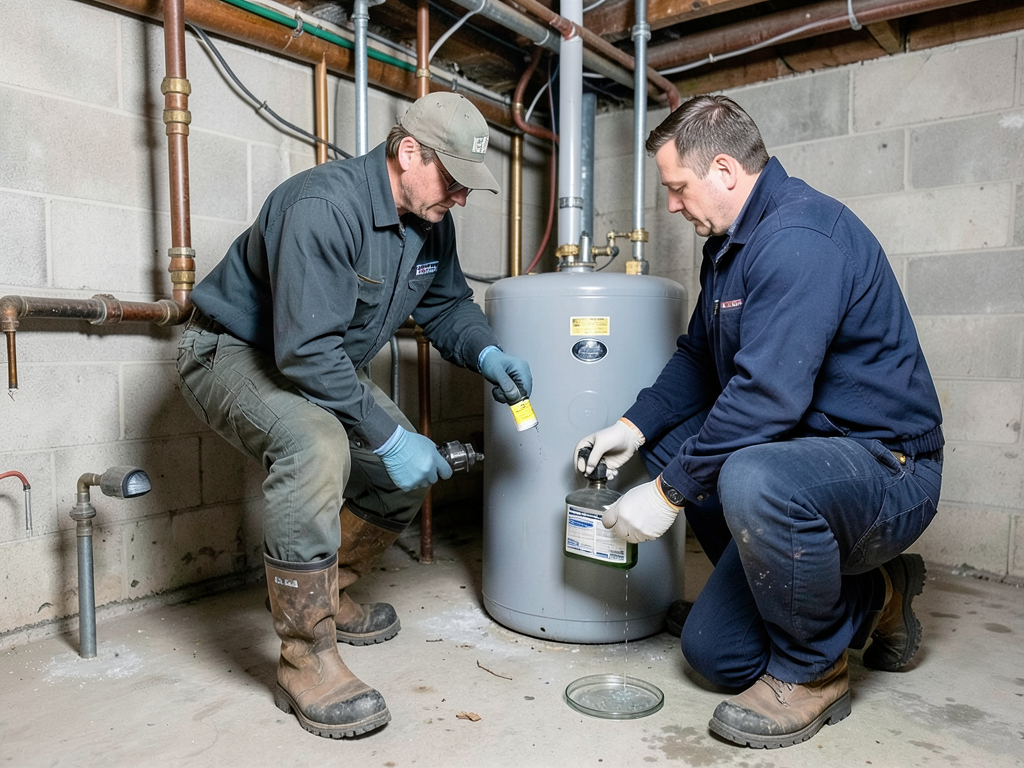
Removing the Orange Stains from Your Well Water in Monkton or Hereford
Orange stains on your sinks bathtubs and laundry are a telltale sign of iron in your well water. If you live in Monkton or Hereford you are not alone. These Baltimore County communities sit atop iron-rich aquifers where groundwater picks up dissolved iron minerals as it moves through underground rock formations. The result is water that looks clear when it comes from the tap but leaves stubborn reddish-brown stains on everything it touches. Fast Water Heater Replacement for Homeowners in Towson and Lutherville.
Iron contamination is more than just an aesthetic problem. Over time it can clog pipes damage water heaters and create unpleasant tastes and odors. Many Monkton and Hereford homeowners report a metallic taste or a faint rotten egg smell when iron combines with naturally occurring sulfur in the water. Left untreated these issues can shorten the life of your plumbing fixtures and appliances. Fixing Low Water Pressure in Your Locust Point Rowhome.
The good news is that iron filtration is a proven solution. Modern systems can remove both the clear dissolved iron that stains sinks and the solid particles that clog aerators. The key is choosing the right type of filter for your specific water chemistry and installing it correctly to handle the water pressure and flow rates common in Baltimore County well systems.
Call (443) 443-9099 today to schedule your inspection. We test your water on-site and recommend the right iron filter for your Monkton or Hereford home.
Why Monkton and Hereford Wells Have High Iron Levels
The geology beneath Baltimore County creates the perfect conditions for iron-rich groundwater. The region sits on the Piedmont Plateau a band of ancient metamorphic and igneous rocks that naturally contain iron minerals. As rainwater seeps through soil and rock it dissolves iron into a soluble form called ferrous iron. This clear iron is invisible in water until it meets air and oxidizes into ferric iron which appears as red or orange particles.
Local well drillers report that many Monkton and Hereford wells produce water with iron concentrations between 3 and 10 parts per million. The Maryland Department of the Environment recommends iron levels below 0.3 ppm for aesthetic reasons. At higher levels you will see staining on porcelain fixtures and discoloration in white laundry. The iron often occurs alongside manganese which causes black stains and can contribute to a bitter taste. Maryland Department of the Environment well resources.
Seasonal changes can make the problem worse. Heavy spring rains increase groundwater flow which can stir up sediment and raise iron levels temporarily. Dry summer months may concentrate minerals in the remaining water. These fluctuations mean a one-time test might not show the full picture. Continuous monitoring helps ensure your filtration system handles both typical and peak iron loads.
IMAGE_PLACEHOLDER_1 Diagram showing how iron moves from bedrock into well water and oxidizes to create stains.
Types of Iron Found in Baltimore County Well Water
Understanding the type of iron in your water is essential for choosing the right filter. There are three common forms and each requires a different treatment approach. Ferrous iron also called clear water iron dissolves completely in water and passes through standard sediment filters. When this water is exposed to air it turns cloudy and then reddish as iron oxidizes.
Ferric iron is already oxidized when it comes from the tap. It appears as tiny red particles that settle out over time. This type of iron is easier to remove with a sediment filter but can still cause staining if not fully captured. The third type is iron bacteria a microorganism that feeds on iron and creates a slimy reddish-brown biofilm inside pipes and tanks.
Many Monkton and Hereford wells have a combination of these iron types. Testing reveals whether you have ferrous iron ferric iron or both. A simple visual check can help. Fill a clear glass with cold water and let it sit for 30 minutes. If the water turns cloudy and then develops a reddish layer at the bottom you likely have ferrous iron. If particles settle quickly you have ferric iron.
Sometimes iron problems are accompanied by sulfur which produces a rotten egg odor. Sulfur and iron often occur together because the same geological conditions that release iron also create hydrogen sulfide gas. This combination requires a filter system that handles both contaminants without reducing water pressure.
IMAGE_PLACEHOLDER_2 Technician collecting a water sample from a well pump pressure tank for iron and sulfur testing.
Iron Filter Technologies That Work for Local Wells
Choosing the right iron filter depends on your water test results and household water usage. Air Induction Oxidation systems are popular in Monkton and Hereford because they handle moderate to high iron levels without chemicals. These systems inject air into the water supply which oxidizes dissolved iron into particles that a filter media can trap. The filter then backwashes automatically to flush collected iron down the drain. Professional Drain Cleaning Services to Clear Stubborn Clogs in Federal Hill.
Greensand filters use a coated media that both oxidizes and filters iron in one step. They work well for ferrous iron levels up to 10 ppm but require periodic regeneration with potassium permanganate. This chemical adds cost and handling requirements but can be effective for stubborn iron problems. Birm filters are similar but do not need regeneration chemicals making them lower maintenance if water chemistry is suitable.
For homes with very high iron or iron combined with sulfur a chlorination system might be necessary. Chlorine oxidizes iron and kills iron bacteria then a carbon filter removes the chlorine and trapped particles. This two-step process is more complex but handles the toughest water quality issues found in some Baltimore County wells.
Water softeners can remove small amounts of iron but are not designed for high iron levels. If iron exceeds 1 ppm a dedicated iron filter is usually required to protect the softener resin from fouling. Many Monkton and Hereford homeowners install a two-stage system with an iron filter upstream of the softener to ensure both iron removal and hardness treatment.
IMAGE_PLACEHOLDER_3 Close-up of an installed air induction iron filter with pressure gauges and backwash timer showing typical Baltimore County setup.
Professional Installation and Local Considerations
Installing an iron filter in a Monkton or Hereford home requires attention to local well pump dynamics. Most residential well systems operate at 40 to 60 psi and deliver 10 to 20 gallons per minute. The filter must handle this flow without causing pressure drop that affects shower performance or irrigation systems. Oversized filters maintain pressure but may short-cycle if not matched to actual usage.
Local plumbing codes require proper drainage for backwash discharge. Baltimore County regulations prohibit directing backwash into septic systems because iron-rich water can harm beneficial bacteria. Instead discharge must go to a dry well or dedicated drain field away from the wellhead. This prevents recontamination and protects groundwater quality. Plumbing College Park.
Maintenance is another key factor. Air Induction filters need the air injector cleaned annually and the media bed inspected every few years. Greensand filters require potassium permanganate refills and occasional media replacement. Homeowners should plan for these tasks or include them in a service contract to ensure long-term performance.
Water testing should be repeated annually even after installation. Changes in groundwater levels seasonal variations or nearby construction can alter iron content. A filter sized for 5 ppm iron might struggle if levels rise to 8 ppm. Regular testing allows adjustments before staining returns or pipes clog.
Cost Factors and Return on Investment
The cost of an iron filter system in Monkton or Hereford typically ranges from $1 800 to $4 500 installed depending on capacity and technology. Air Induction systems are often mid-range in price while chlorination setups with carbon filtration are at the higher end. Factors affecting cost include well pump capacity water chemistry and whether existing plumbing needs modification. Plumbing Westminster.
Operating costs are modest. Air Induction filters use electricity for the control valve and backwash cycle which adds about $30 to $50 per year. Greensand systems need potassium permanganate at $50 to $100 annually. These costs are offset by savings from longer appliance life reduced detergent use and no more stained fixtures or ruined laundry.
Homeowners often see the system pay for itself within three to five years. Avoiding plumbing repairs from iron buildup and eliminating the need for bottled water or harsh cleaning chemicals adds up. There is also the convenience factor of not having to scrub rust stains or rewash laundry that comes out with orange streaks. EPA secondary drinking water standards.
Maintaining Your Iron Filter System
Consistent maintenance keeps your iron filter working at peak efficiency. The first step is checking the system manual for recommended service intervals. Most Air Induction filters need the air injector cleaned once a year to prevent clogging. This involves shutting off water disconnecting the injector and removing any debris or mineral buildup.
Backwash cycles should be monitored. If the filter is not backwashing often enough iron can break through and appear in your water. If it backwashes too frequently it wastes water and wears out the media prematurely. The control valve timer may need adjustment based on water usage patterns and iron levels.
Media replacement is another maintenance task. Greensand media typically lasts five to ten years but can degrade faster in high-iron conditions. Birm media may last longer but can lose effectiveness if water pH is outside the optimal range. Testing water pH and iron levels annually helps determine when media needs replacement.
Inspect plumbing connections annually for leaks especially around the filter inlet and outlet. A small leak can introduce air into the system causing the filter to oxidize prematurely and reducing contact time with the media. Tighten fittings and replace worn seals to maintain system integrity.
Frequently Asked Questions
Why does my well water smell like rotten eggs?
The rotten egg odor is hydrogen sulfide gas often produced by sulfur bacteria in groundwater. It frequently occurs alongside iron because the same geological conditions release both minerals. An iron filter with sulfur removal capabilities or a chlorination system can eliminate the smell.
Can I use a water softener alone to remove iron?
Water softeners can remove small amounts of dissolved iron but are not designed for high iron levels. If iron exceeds 1 ppm it will foul the softener resin and reduce effectiveness. A dedicated iron filter upstream of the softener is usually necessary for Baltimore County well water.
How often should I test my well water for iron?
Test annually for iron and other common contaminants like manganese and bacteria. If you notice changes in taste odor or staining test sooner. Seasonal variations can cause iron levels to fluctuate so annual testing ensures your filter is sized correctly.
Is iron in well water harmful to drink?
Iron is not considered a health risk at the levels found in well water. The EPA sets a secondary maximum contaminant level of 0.3 ppm for aesthetic reasons only. High iron can cause staining and taste issues but is not toxic to humans or pets.
Will an iron filter also remove hardness?
No. Iron filters target dissolved and particulate iron. Water hardness from calcium and magnesium requires a water softener. Many homeowners install both systems in series with the iron filter first to protect the softener from iron fouling.
Get Clear Stain-Free Water Today
Orange stains and metallic tastes do not have to be part of life in Monkton or Hereford. With the right iron filter system you can enjoy clean clear water that protects your plumbing and makes everyday tasks easier. The first step is professional water testing to identify your specific iron type and concentration.
Our team installs Air Induction Oxidation Greensand and other proven iron removal systems designed for Baltimore County well conditions. We handle everything from water testing to final adjustments ensuring your system works efficiently from day one. Maintenance support is available to keep your water crystal clear year after year.
Stop scrubbing stains and wondering about strange odors. Call (443) 443-9099 today to schedule your water test and take the first step toward stain-free water in your Monkton or Hereford home.
{
“@context”: “https://schema.org”,
“@type”: “BlogPosting”,
“headline”: “Removing the Orange Stains from Your Well Water in Monkton or Hereford”,
“description”: “Tired of orange stains ruining your fixtures? Learn how Baltimore County’s iron-rich well water affects Monkton and Hereford homes and discover effective filtration solutions.”,
“wordCount”: 2045,
“datePublished”: “2026-06-08T13:05:00.000Z”,
“dateModified”: “2026-06-08T13:05:00.000Z”,
“inLanguage”: “en-US”,
“mainEntityOfPage”: {
“@type”: “WebPage”,
“@id”: “https://keystoneplumbingbaltimore.com”
},
“publisher”: {
“@type”: “LocalBusiness”,
“name”: “Keystone Plumbing Baltimore”,
“url”: “https://keystoneplumbingbaltimore.com”
},
“author”: {
“@type”: “Organization”,
“name”: “Keystone Plumbing Baltimore”,
“url”: “https://keystoneplumbingbaltimore.com”
},
“image”: {
“@type”: “ImageObject”,
“url”: “https://keystoneplumbingbaltimore.com/wp-content/uploads/2026/03/removing-the-orange-stains-from-your-well-water-in-1.png”
}
}
{
“@context”: “https://schema.org”,
“@type”: “Plumber”,
“name”: “Keystone Plumbing Baltimore”,
“url”: “https://keystoneplumbingbaltimore.com”,
“address”: {
“@type”: “PostalAddress”,
“addressLocality”: “Baltimore”
},
“areaServed”: {
“@type”: “City”,
“name”: “Baltimore”
}
}
{
“@context”: “https://schema.org”,
“@type”: “FAQPage”,
“mainEntity”: [
{
“@type”: “Question”,
“name”: “Why does my well water smell like rotten eggs?”,
“acceptedAnswer”: {
“@type”: “Answer”,
“text”: “The rotten egg odor is hydrogen sulfide gas often produced by sulfur bacteria in groundwater. It frequently occurs alongside iron because the same geological conditions release both minerals. An iron filter with sulfur removal capabilities or a chlorination system can eliminate the smell.”
}
},
{
“@type”: “Question”,
“name”: “Can I use a water softener alone to remove iron?”,
“acceptedAnswer”: {
“@type”: “Answer”,
“text”: “Water softeners can remove small amounts of dissolved iron but are not designed for high iron levels. If iron exceeds 1 ppm it will foul the softener resin and reduce effectiveness. A dedicated iron filter upstream of the softener is usually necessary for Baltimore County well water.”
}
},
{
“@type”: “Question”,
“name”: “How often should I test my well water for iron?”,
“acceptedAnswer”: {
“@type”: “Answer”,
“text”: “Test annually for iron and other common contaminants like manganese and bacteria. If you notice changes in taste odor or staining test sooner. Seasonal variations can cause iron levels to fluctuate so annual testing ensures your filter is sized correctly.”
}
},
{
“@type”: “Question”,
“name”: “Is iron in well water harmful to drink?”,
“acceptedAnswer”: {
“@type”: “Answer”,
“text”: “Iron is not considered a health risk at the levels found in well water. The EPA sets a secondary maximum contaminant level of 0.3 ppm for aesthetic reasons only. High iron can cause staining and taste issues but is not toxic to humans or pets.”
}
},
{
“@type”: “Question”,
“name”: “Will an iron filter also remove hardness?”,
“acceptedAnswer”: {
“@type”: “Answer”,
“text”: “No. Iron filters target dissolved and particulate iron. Water hardness from calcium and magnesium requires a water softener. Many homeowners install both systems in series with the iron filter first to protect the softener from iron fouling.”
}
}
]
}
{
“@context”: “https://schema.org”,
“@type”: “BreadcrumbList”,
“itemListElement”: [
{
“@type”: “ListItem”,
“position”: 1,
“name”: “Home”,
“item”: “https://keystoneplumbingbaltimore.com”
},
{
“@type”: “ListItem”,
“position”: 2,
“name”: “Blog”,
“item”: “https://keystoneplumbingbaltimore.com/blog”
},
{
“@type”: “ListItem”,
“position”: 3,
“name”: “Removing the Orange Stains from Your Well Water in Monkton or Hereford”
}
]
}
{
“@context”: “https://schema.org”,
“@type”: “Service”,
“serviceType”: “Plumbing”,
“provider”: {
“@type”: “LocalBusiness”,
“name”: “Keystone Plumbing Baltimore”,
“url”: “https://keystoneplumbingbaltimore.com”
},
“areaServed”: {
“@type”: “City”,
“name”: “Baltimore”
},
“description”: “Tired of orange stains ruining your fixtures? Learn how Baltimore County’s iron-rich well water affects Monkton and Hereford homes and discover effective filtration solutions.”
}