
Common Plumbing Issues That Can Fail a Home Inspection in Towson
Many Baltimore County home inspectors find specific plumbing problems that can stop a home sale or require expensive repairs. Towson homeowners who understand these common issues can prepare for inspections and avoid last-minute surprises. The problems often come from Towson’s mix of historic homes and newer developments built on Maryland’s clay-heavy soil. Maryland State Plumbing Code.
Most inspection failures happen because of visible leaks improper installations or code violations that create safety hazards. A dripping faucet might seem small but inspectors check for hidden water damage under sinks and around toilets. Sewer line inspections using cameras have become standard practice especially in Towson’s tree-lined neighborhoods where tree roots commonly block older clay pipes. The hard water in the Baltimore area also causes mineral buildup in water heaters and fixtures reducing efficiency and lifespan. Baltimore County Building Codes.
Winter weather creates unique challenges in Towson. Frozen and burst pipes often happen in homes with poor insulation particularly in crawl spaces and exterior walls. Inspectors check that homes have proper shut-off valves and that outdoor hose bibs include freeze-proof fixtures. These regional factors make plumbing inspections in Towson more complex than in other areas requiring specialized knowledge of local building codes and climate conditions. Who to Call for an Emergency Pipe Burst in Canton Right Now.
Common Plumbing Issues That Cause Inspection Failures
Several recurring problems consistently appear during Towson home inspections. These issues range from minor code violations to serious safety hazards that require immediate attention.. Read more about Plumbing Code Violations to Watch for During a DIY Project in Catonsville.
1. Aging Galvanized Steel Pipes
Many Towson homes built before 1960 contain galvanized steel water supply lines. These pipes corrode from the inside out reducing water pressure and releasing rust-colored water. Home inspectors use a strong magnet to test pipe material since galvanized steel is magnetic while modern materials like copper and PEX are not. The Maryland State Plumbing Code now prohibits the use of galvanized steel for new installations due to its limited lifespan of 40-50 years. Fast Water Heater Replacement for Homeowners in Towson and Lutherville.
Corrosion creates two major problems. First it restricts water flow causing low pressure throughout the house. Second it increases the risk of sudden pipe failure which can flood a home with thousands of gallons of water. Inspectors look for signs of corrosion including discolored water around pipe joints and reduced water pressure when multiple fixtures run simultaneously. Fixing Low Water Pressure in Your Locust Point Rowhome.
2. Lead Service Lines
Older Towson neighborhoods may still have lead water service lines connecting homes to the municipal supply. The EPA Lead and Copper Rule requires municipalities to identify and replace these hazardous pipes. Home inspectors test for lead by checking pipe material at the water meter and looking for the characteristic dull gray color that does not attract a magnet. EPA Lead and Copper Rule.
Lead pipes pose serious health risks especially for young children. Even low levels of lead exposure can cause developmental delays and learning difficulties. Maryland law requires full disclosure of lead service lines during real estate transactions and many lenders will not finance homes with active lead plumbing.. Read more about The Essential Plumbing Maintenance Checklist for Landlords in Charles Village.
3. Improperly Vented Drain Systems
Every drain in a home needs proper venting to allow air into the plumbing system. Without adequate venting water cannot flow freely and sewer gases can enter living spaces. Towson inspectors check vent pipes extending through the roof and verify that all fixtures connect to the venting system according to the International Plumbing Code. Trenchless Sewer Line Repair for Historic Homes in Roland Park.
Symptoms of poor venting include gurgling drains slow drainage and sewer odors in the home. In some cases previous homeowners or unlicensed contractors install plumbing without proper permits resulting in code violations that must be corrected before a sale can close. Professional Drain Cleaning Services to Clear Stubborn Clogs in Federal Hill.
4. Failed Water Heater Expansion Tanks
Maryland plumbing code requires expansion tanks on all closed water heater systems to prevent dangerous pressure buildup. Towson inspectors check that these tanks are properly sized and installed. A failed expansion tank allows excessive pressure to build in the water heater potentially causing leaks or even tank rupture.. Read more about Understanding Shared Plumbing Responsibilities for Condo Owners in Harbor East.
Expansion tank failure often occurs after 5-7 years of service. Signs include water dripping from the pressure relief valve and inconsistent hot water temperature. Modern expansion tanks include a visible pressure gauge allowing homeowners to monitor system health.. Read more about Why Your Water Heater in Dundalk Makes Popping Sounds (and How to Fix It).
5. Sewer Line Root Intrusion
Towson’s mature tree canopy creates a common problem for sewer lines. Tree roots seek water sources and can penetrate small cracks in clay or cast iron sewer pipes. Once inside roots grow rapidly blocking the pipe and causing sewage backups into the home.
Home inspectors recommend camera inspections for homes over 20 years old especially those with large trees nearby. The camera reveals root locations pipe condition and whether trenchless repair methods can fix the problem without extensive excavation.
6. Improper Sump Pump Installation
Many Towson homes have basements that require sump pumps to manage groundwater. Maryland building codes specify requirements for sump pump discharge including proper backflow prevention and discharge location. Inspectors check that pumps have battery backups for power outages and that discharge pipes direct water away from the foundation.
Common violations include pumping water into the sanitary sewer system which is illegal in most areas and discharging water too close to the foundation. During heavy rains these problems can cause basement flooding and foundation damage.
7. Missing or Faulty Backflow Preventers
Backflow preventers stop contaminated water from flowing backward into the clean water supply. Baltimore County requires these devices on certain plumbing fixtures and irrigation systems. Home inspectors verify installation and test the devices to ensure they function properly.
Without backflow prevention chemicals from lawn irrigation systems or bacteria from cross-connected pipes can enter drinking water. This contamination poses serious health risks and violates local plumbing codes.
Diagnostic Tests Inspectors Use During Home Inspections
Professional home inspectors use specific tests to identify plumbing problems that might not be visible during a casual inspection. These diagnostic procedures reveal issues that could fail an inspection or cause future problems.
Water Pressure Testing
Inspectors use pressure gauges to measure water pressure at multiple fixtures. Baltimore County recommends water pressure between 40-80 PSI for residential homes. Pressure above 80 PSI can damage fixtures and pipes while pressure below 40 PSI indicates supply line problems or mineral buildup.
Pressure testing also reveals pressure drops when multiple fixtures operate simultaneously. Significant drops suggest undersized supply lines or severe corrosion in galvanized pipes. Some inspectors use data loggers to record pressure fluctuations over 24 hours identifying intermittent supply issues.
Thermal Imaging for Hidden Leaks
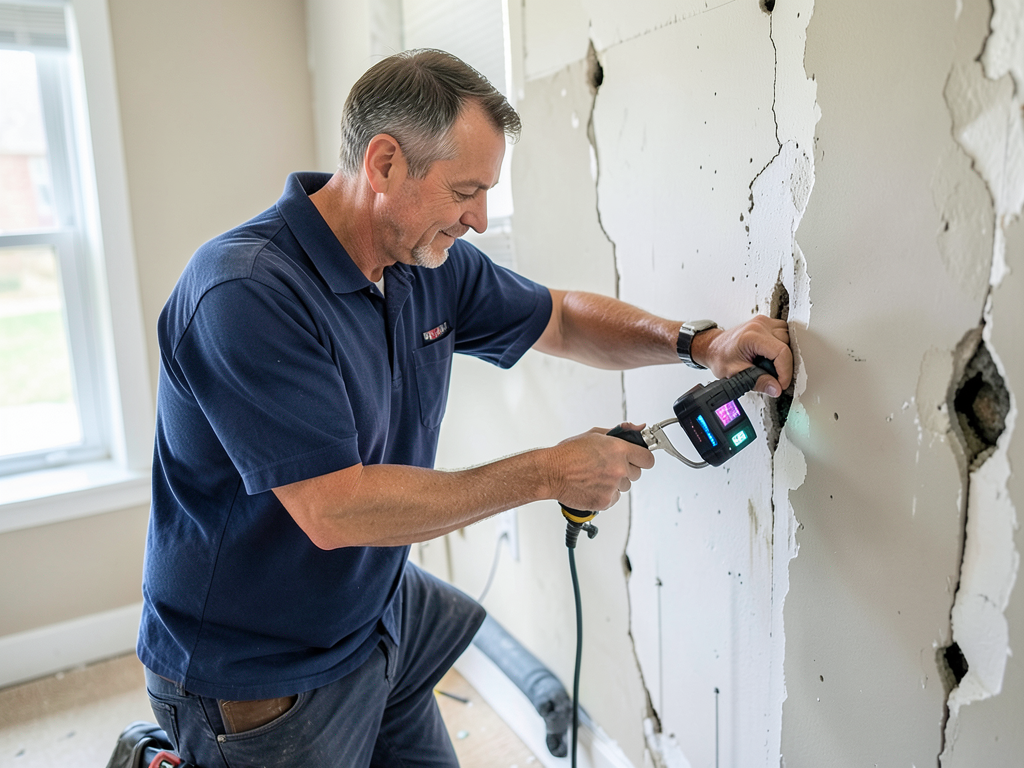
Modern home inspectors use infrared cameras to detect temperature differences that indicate water leaks behind walls and under floors. These cameras identify moisture problems before visible damage appears. In Towson’s older homes thermal imaging often reveals leaks in radiant heating systems and hidden pipe corrosion.
The technology works by detecting the cooling effect of evaporating water. Even small leaks create temperature signatures that appear as blue or purple areas on the infrared display. This non-invasive testing prevents unnecessary demolition to locate problems.
Dye Testing for Toilet Leaks
Inspectors place colored dye tablets in toilet tanks to check for silent leaks into the bowl. These leaks waste hundreds of gallons daily and often go unnoticed by homeowners. The test takes 15-20 minutes and provides immediate visual confirmation of seal failure.
Beyond water waste toilet leaks can indicate worn internal components that may fail completely. Inspectors also check the wax ring seal at the toilet base which can deteriorate and allow sewer gases to enter the home.
Sewer Camera Inspection
For homes over 15 years old inspectors often recommend sewer line camera inspections. This involves inserting a waterproof camera into the sewer cleanout to examine the entire pipe length. The camera identifies root intrusion cracks collapsed sections and improper pipe slopes that cause drainage problems.
In Towson’s older neighborhoods with mature trees this inspection frequently reveals problems that would otherwise remain hidden until a major backup occurs. The cost of camera inspection typically ranges from $250-400 but can prevent thousands in emergency repairs.
Age-Related Plumbing Issues in Towson Homes
Towson’s housing stock spans nearly a century of construction methods and materials. Understanding the common problems associated with different home ages helps homeowners anticipate inspection findings.
Homes Built Before 1940
Historic Towson homes often contain lead supply lines and unlined cast iron waste pipes. These materials have exceeded their expected service life and pose contamination and failure risks. Lead pipes can release toxic metal into drinking water while cast iron waste pipes develop cracks and allow sewage leaks.
Another common issue in pre-1940 homes is the absence of proper venting. Many older homes rely on window or wall vents that do not meet current code requirements. Replacing these systems requires opening walls and ceilings but ensures proper drainage and prevents sewer gas entry.
1940s-1960s Construction
Post-war homes in Towson frequently contain galvanized steel supply lines and copper waste pipes joined with lead solder. While copper waste pipes remain functional many homes still have lead solder joints that can leach into drinking water. The Maryland Lead and Copper Rule specifically addresses these hazards.
This era also saw the introduction of early water pressure reducing valves many of which have failed or been removed. Homes from this period often experience pressure fluctuations that stress plumbing fixtures and cause premature failure of faucets and toilet components.
1970s-1980s Homes
Homes built during this period may contain polybutylene pipes a material prone to sudden failure. Polybutylene reacts with oxidants in water supplies causing it to become brittle and crack. Many insurance companies refuse coverage for homes with polybutylene plumbing due to the high failure rate.
This era also introduced early versions of plastic waste pipes some of which were improperly installed or use materials that become brittle with age. Inspectors check for proper support and look for signs of stress at joints and connections.
1990s-Present Construction
Newer Towson homes generally meet current code requirements but may have installation defects that become apparent over time. Common issues include improperly supported PEX piping that sags and creates water hammer noise and incorrectly installed water hammer arrestors that fail to prevent pipe banging.
Modern homes also often include complex water filtration and softening systems that require regular maintenance. Failed cartridges or incorrectly programmed softeners can cause water quality issues that affect appliance performance and plumbing longevity.
Regional Factors Affecting Towson Plumbing Inspections
Towson’s specific location creates unique plumbing challenges that inspectors must consider. Understanding these regional factors helps explain why certain problems are more common in this area.
Soil Composition and Foundation Issues
Towson sits on Maryland’s coastal plain with soil composed primarily of clay and silt. These soils expand when wet and contract when dry creating movement that stresses underground pipes. This soil movement causes bellied pipes where sections sag and hold water leading to blockages and corrosion.
The clay soil also makes trenching difficult and expensive. When repairs are needed contractors must use specialized equipment to excavate without causing further damage to surrounding utilities. This regional factor often influences repair method selection with trenchless technologies becoming more common.
Water Quality and Hardness
Baltimore’s water supply contains moderate hardness levels around 5-7 grains per gallon. While not extreme this hardness contributes to mineral scale buildup in water heaters and on fixtures. Towson homes with private wells may experience even higher hardness levels requiring water softeners.
Hard water scale reduces water heater efficiency by insulating the heating elements from the water. This forces the unit to work harder increasing energy costs and shortening equipment life. Inspectors check for scale buildup and recommend treatment systems when appropriate.
Climate and Weather Patterns
Towson experiences freeze-thaw cycles that affect outdoor plumbing. When temperatures fluctuate above and below freezing water in pipes can expand and contract causing joints to fail. Inspectors check for proper insulation on pipes in unheated spaces and verify that outdoor fixtures include freeze protection.
Summer humidity in Towson creates condensation on cold water pipes which can lead to mold growth and wood rot in crawl spaces and basements. Proper pipe insulation serves dual purposes by preventing freezing and controlling condensation.
Preparing Your Towson Home for a Plumbing Inspection
Homeowners can take several steps to ensure their plumbing passes inspection and avoid costly repairs or negotiation delays during a home sale.
Pre-Inspection Checklist
Before the inspector arrives check all visible plumbing for leaks and proper operation. Test each faucet for consistent water pressure and verify that drains empty completely without gurgling. Check under sinks for moisture or water stains that indicate slow leaks.. Read more about Removing the Orange Stains from Your Well Water in Monkton or Hereford.
Locate and test all shut-off valves including the main water shut-off. Valves that do not operate smoothly may need replacement. Also verify that the water heater temperature is set to 120°F maximum to prevent scalding and reduce energy consumption.
Documentation Preparation
Gather permits and records for any plumbing work done on the home. Unpermitted work may need to be corrected before passing inspection. Also have information ready about the age and maintenance history of major plumbing components like water heaters and sump pumps.
If you have had recent plumbing repairs or upgrades provide the inspector with details about the work performed and materials used. This information helps the inspector assess whether the work meets current code requirements.
Common Quick Fixes
Some plumbing issues are easy to fix before inspection. Replacing worn toilet flappers stops silent leaks. Cleaning faucet aerators improves water pressure. Tightening accessible pipe connections can stop minor drips. These simple repairs demonstrate home maintenance and can prevent inspection failures.
For more complex issues like corroded pipes or failing water heaters consider getting professional estimates before the inspection. This allows you to address problems proactively rather than during the stressful negotiation period after inspection.
When to Call a Professional Plumber
While some plumbing issues are obvious others require professional diagnosis and repair. Knowing when to call a plumber can prevent minor problems from becoming major failures during inspection.
Emergency Situations
Call immediately if you notice water pooling where it should not be sewage odors from drains or complete loss of water pressure. These symptoms indicate serious problems that could cause extensive damage if not addressed quickly. Emergency plumbing services in Towson typically respond within 2-4 hours for urgent situations.
During winter months frozen pipes require immediate attention. Attempting to thaw pipes with open flame or high heat can cause steam explosions or fire. Professional plumbers use controlled thawing methods and can identify which pipes are most at risk of bursting.
Pre-Inspection Evaluations
Consider hiring a plumber for a pre-inspection evaluation if your home is over 20 years old or has had previous plumbing issues. A professional can identify problems before the official inspection and provide repair estimates. This proactive approach often saves money by allowing you to shop for competitive repair bids.
Professional plumbers can also perform specialized tests like hydrostatic pressure testing for sewer lines and thermal imaging for hidden leaks. These diagnostic services cost more than a basic inspection but provide detailed information about system condition.
Permit and Code Compliance
Any plumbing work requiring permits must be performed by a licensed plumber in Baltimore County. This includes water heater replacement sewer line repairs and major re-piping projects. DIY plumbing work may fail inspection and could create liability issues if it causes damage to neighboring properties.
Professional plumbers understand current code requirements and can ensure that repairs meet all local regulations. They also provide warranties on their work giving buyers confidence in the quality of repairs.
Frequently Asked Questions
What is the most common plumbing issue that fails home inspections in Towson?
Galvanized steel supply pipes are the most frequent failure point especially in homes built before 1960. These pipes corrode from the inside out causing low water pressure and eventual failure. Home inspectors use magnets to test pipe material since galvanized steel is magnetic while modern materials like copper and PEX are not.
How much does it cost to replace galvanized pipes in a Towson home?
Replacing galvanized pipes typically costs $4-8 per linear foot for re-piping a whole house. For an average Towson home this translates to $3000-6000 total depending on home size and accessibility. Some homeowners choose partial replacement focusing on the most problematic sections to spread costs over time.
Are lead pipes still found in Towson homes?
Yes lead service lines exist in some older Towson neighborhoods particularly homes built before 1950. These pipes pose health risks and must be replaced. Home inspectors check for lead by testing pipe material at the water meter and looking for the characteristic dull gray color that does not attract a magnet.
What causes sewer line failures in Towson specifically?
Towson’s mature tree canopy creates a unique problem for sewer lines. Tree roots seek water sources and can penetrate small cracks in clay or cast iron sewer pipes. Once inside roots grow rapidly blocking the pipe and causing sewage backups. This is especially common in Towson’s older tree-lined neighborhoods.
How can I tell if my water heater needs replacement before inspection?
Signs include age over 10-12 years rusty water from hot taps popping sounds from sediment buildup and leaking around the base. Home inspectors check the manufacture date on the unit label and examine for corrosion and proper expansion tank installation. Maryland code requires expansion tanks on all closed water heater systems.
What is the cost of a professional plumbing inspection in Towson?
Professional plumbing inspections in Towson typically cost $200-400 depending on home size and inspection scope. This includes checking all fixtures testing water pressure examining visible pipes and testing for leaks. Additional services like sewer camera inspection cost $250-400 extra but are often recommended for older homes.
Protect Your Home Investment with Professional Plumbing Services
Plumbing problems discovered during home inspections can delay sales create negotiation issues and cost thousands in emergency repairs. Understanding common failure points and addressing them proactively protects your investment and ensures smooth real estate transactions.
Professional plumbers in Towson understand local building codes soil conditions and the specific challenges facing area homes. They can identify problems before they become inspection failures and recommend cost-effective solutions that meet all regulatory requirements.
Don’t wait for an inspection to reveal costly plumbing problems. Call (443) 443-9099 today to schedule a comprehensive plumbing evaluation. Our licensed technicians serve all of Towson and surrounding Baltimore County communities providing expert diagnosis and repair services that protect your home’s value and ensure code compliance.
Whether you need emergency repairs pre-sale inspections or whole-house re-piping our team has the experience and equipment to handle any plumbing challenge. We understand Towson’s unique housing stock and regional factors that affect plumbing performance and longevity.
Pick up the phone and call (443) 443-9099 before the next storm hits. Don’t let plumbing problems derail your home sale or cause expensive water damage. Our professional service ensures your plumbing passes inspection and protects your most valuable asset.
Visit our website to learn more about our comprehensive plumbing services or to schedule your inspection online. We’re here to help Towson homeowners maintain safe reliable plumbing systems that meet all local requirements and provide years of trouble-free service.
{
“@context”: “https://schema.org”,
“@type”: “BlogPosting”,
“headline”: “Common Plumbing Issues That Can Fail a Home Inspection in Towson”,
“description”: “Discover common plumbing problems that cause home inspection failures in Towson. Learn about aging pipes, code violations, and local factors affecting Baltimore County homes.”,
“wordCount”: 3213,
“datePublished”: “2026-05-22T12:17:00.000Z”,
“dateModified”: “2026-05-22T12:17:00.000Z”,
“inLanguage”: “en-US”,
“mainEntityOfPage”: {
“@type”: “WebPage”,
“@id”: “https://keystoneplumbingbaltimore.com”
},
“publisher”: {
“@type”: “LocalBusiness”,
“name”: “Keystone Plumbing Baltimore”,
“url”: “https://keystoneplumbingbaltimore.com”
},
“author”: {
“@type”: “Organization”,
“name”: “Keystone Plumbing Baltimore”,
“url”: “https://keystoneplumbingbaltimore.com”
},
“image”: {
“@type”: “ImageObject”,
“url”: “https://keystoneplumbingbaltimore.com/wp-content/uploads/2026/03/common-plumbing-issues-that-can-fail-a-home-inspec-1.png”
}
}
{
“@context”: “https://schema.org”,
“@type”: “Plumber”,
“name”: “Keystone Plumbing Baltimore”,
“url”: “https://keystoneplumbingbaltimore.com”,
“address”: {
“@type”: “PostalAddress”,
“addressLocality”: “Baltimore”
},
“areaServed”: {
“@type”: “City”,
“name”: “Baltimore”
}
}
{
“@context”: “https://schema.org”,
“@type”: “FAQPage”,
“mainEntity”: [
{
“@type”: “Question”,
“name”: “What is the most common plumbing issue that fails home inspections in Towson?”,
“acceptedAnswer”: {
“@type”: “Answer”,
“text”: “Galvanized steel supply pipes are the most frequent failure point especially in homes built before 1960. These pipes corrode from the inside out causing low water pressure and eventual failure. Home inspectors use magnets to test pipe material since galvanized steel is magnetic while modern materials like copper and PEX are not.”
}
},
{
“@type”: “Question”,
“name”: “How much does it cost to replace galvanized pipes in a Towson home?”,
“acceptedAnswer”: {
“@type”: “Answer”,
“text”: “Replacing galvanized pipes typically costs $4-8 per linear foot for re-piping a whole house. For an average Towson home this translates to $3000-6000 total depending on home size and accessibility. Some homeowners choose partial replacement focusing on the most problematic sections to spread costs over time.”
}
},
{
“@type”: “Question”,
“name”: “Are lead pipes still found in Towson homes?”,
“acceptedAnswer”: {
“@type”: “Answer”,
“text”: “Yes lead service lines exist in some older Towson neighborhoods particularly homes built before 1950. These pipes pose health risks and must be replaced. Home inspectors check for lead by testing pipe material at the water meter and looking for the characteristic dull gray color that does not attract a magnet.”
}
},
{
“@type”: “Question”,
“name”: “What causes sewer line failures in Towson specifically?”,
“acceptedAnswer”: {
“@type”: “Answer”,
“text”: “Towson’s mature tree canopy creates a unique problem for sewer lines. Tree roots seek water sources and can penetrate small cracks in clay or cast iron sewer pipes. Once inside roots grow rapidly blocking the pipe and causing sewage backups. This is especially common in Towson’s older tree-lined neighborhoods.”
}
},
{
“@type”: “Question”,
“name”: “How can I tell if my water heater needs replacement before inspection?”,
“acceptedAnswer”: {
“@type”: “Answer”,
“text”: “Signs include age over 10-12 years rusty water from hot taps popping sounds from sediment buildup and leaking around the base. Home inspectors check the manufacture date on the unit label and examine for corrosion and proper expansion tank installation. Maryland code requires expansion tanks on all closed water heater systems.”
}
},
{
“@type”: “Question”,
“name”: “What is the cost of a professional plumbing inspection in Towson?”,
“acceptedAnswer”: {
“@type”: “Answer”,
“text”: “Professional plumbing inspections in Towson typically cost $200-400 depending on home size and inspection scope. This includes checking all fixtures testing water pressure examining visible pipes and testing for leaks. Additional services like sewer camera inspection cost $250-400 extra but are often recommended for older homes.”
}
}
]
}
{
“@context”: “https://schema.org”,
“@type”: “BreadcrumbList”,
“itemListElement”: [
{
“@type”: “ListItem”,
“position”: 1,
“name”: “Home”,
“item”: “https://keystoneplumbingbaltimore.com”
},
{
“@type”: “ListItem”,
“position”: 2,
“name”: “Blog”,
“item”: “https://keystoneplumbingbaltimore.com/blog”
},
{
“@type”: “ListItem”,
“position”: 3,
“name”: “Common Plumbing Issues That Can Fail a Home Inspection in Towson”
}
]
}
{
“@context”: “https://schema.org”,
“@type”: “Service”,
“serviceType”: “Plumbing”,
“provider”: {
“@type”: “LocalBusiness”,
“name”: “Keystone Plumbing Baltimore”,
“url”: “https://keystoneplumbingbaltimore.com”
},
“areaServed”: {
“@type”: “City”,
“name”: “Baltimore”
},
“description”: “Discover common plumbing problems that cause home inspection failures in Towson. Learn about aging pipes, code violations, and local factors affecting Baltimore County homes.”
}