
Basement plumbing rough-ins in Rosedale require careful planning and knowledge of local building requirements. The process involves installing all the hidden plumbing infrastructure before walls and floors are finished, including drain lines, supply pipes, and vent stacks. Understanding what’s involved helps homeowners make informed decisions about their basement finishing projects. Professional Drain Cleaning Services to Clear Stubborn Clogs in Federal Hill.
Before any concrete is cut or pipes are laid, a licensed plumber must obtain the proper permits from Baltimore County. The Maryland State Plumbing Code requires that all rough-in work meet specific standards for pipe sizing, venting, and drainage. In Rosedale’s older neighborhoods near Pulaski Highway, many homes have clay sewer laterals that may need assessment before new basement plumbing is added. Baltimore County Permits.
The cost of a basement plumbing rough-in varies significantly based on several factors. A basic half-bath setup with just a toilet and sink typically runs between $1,800 and $3,200. Adding a full bathroom with shower or tub pushes the range to $3,500 to $6,000. More complex installations like wet bars or laundry rooms add their own variables to the equation. Plumbing College Park.
Several factors unique to Rosedale affect basement plumbing projects. The area’s soil composition includes dense clay that can shift over time, potentially affecting pipe stability. Homes built before 1980 may have cast iron drain lines that require special considerations when tying into existing systems. The water table in low-lying areas near Back River can also impact basement plumbing design. Fast Water Heater Replacement for Homeowners in Towson and Lutherville.
During the rough-in phase, plumbers must install all drain-waste-vent (DWV) systems according to code. This includes ensuring proper slope on drain lines (typically 1/4 inch per foot), installing vent stacks that extend through the roof, and pressure-testing all supply lines before covering them with concrete. Baltimore County inspectors verify these installations meet the International Plumbing Code standards adopted by Maryland. Maryland Water Supply Program.
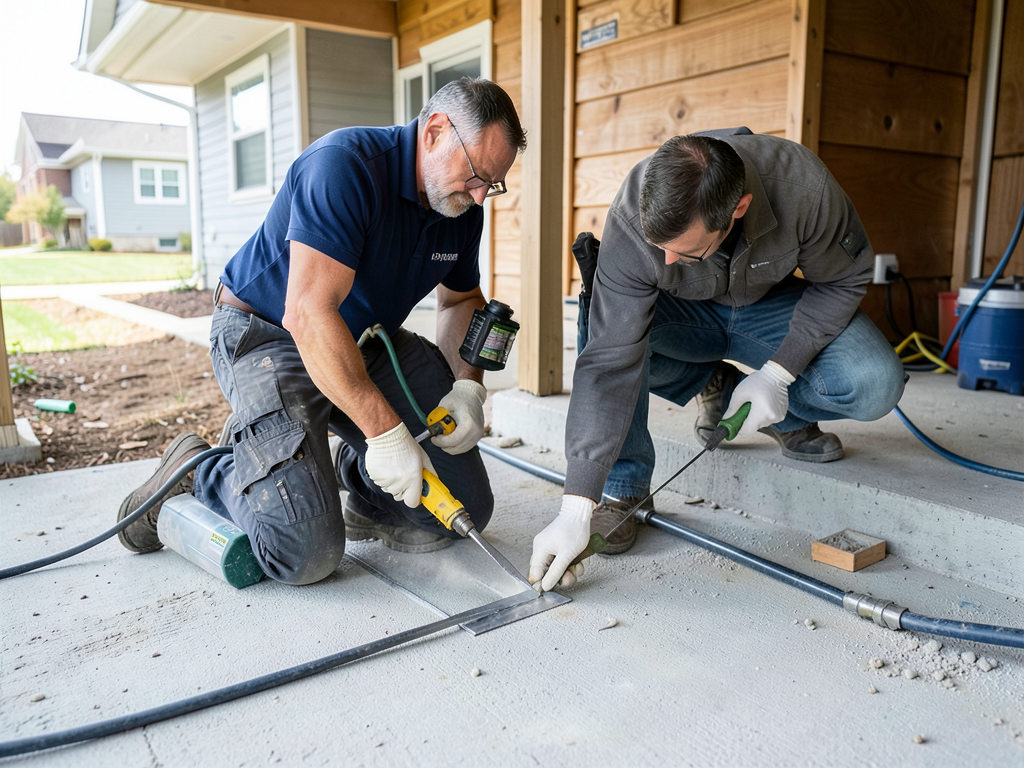
Concrete cutting represents one of the most disruptive aspects of basement rough-ins. In Rosedale homes, basement slabs typically range from 4 to 6 inches thick. Cutting through this concrete to create trenches for new drain lines requires specialized equipment and generates significant dust. Professional plumbers use dust containment systems to minimize mess in finished areas of the home.. Read more about Picking the Best Sump Pump Alarm System for Your Finished Basement in Rodgers Forge.
Supply line installation has evolved significantly in recent years. While copper remains common, many Rosedale homeowners now opt for PEX piping due to its flexibility and resistance to freezing. PEX can be snaked through walls more easily than rigid copper, reducing the need for additional wall penetrations. The National Plumbing Code allows PEX for both hot and cold supply lines in residential applications.. Read more about Planning the Plumbing for Your New Outdoor Kitchen in Lakehurst.
Ejector pumps become necessary when basement fixtures sit below the main sewer line elevation. Rosedale’s varied topography means some homes require these pumps while others don’t. A typical ejector system includes a sealed basin, pump, check valve, and alarm. These systems must be accessible for maintenance and meet specific code requirements for venting and discharge. Trenchless Sewer Line Repair for Historic Homes in Roland Park.
The inspection process involves multiple checkpoints. After rough-in installation but before covering pipes, a Baltimore County plumbing inspector verifies proper slope, venting, and support of all pipes. Supply lines undergo pressure testing to check for leaks. Once walls are closed, a final inspection ensures all fixtures are properly connected and vented.. Read more about Essential Plumbing Considerations for a New Pool House in Butler.
Common challenges in Rosedale basement rough-ins include working around existing utilities like electrical conduit and HVAC ducts. Many basements also contain support columns that limit where plumbing can be routed. Professional plumbers use camera inspection technology to map existing systems before cutting, preventing costly mistakes.. Read more about Plumbing Requirements for Adding a Tiny Home or ADU in Baltimore County.
Water pressure considerations affect fixture selection and pipe sizing. Rosedale homes typically receive municipal water at pressures between 40 and 80 psi. Homes at higher elevations near the Back River may experience lower pressure. Pressure-reducing valves may be necessary for homes with very high incoming pressure to protect fixtures and appliances. Fixing Low Water Pressure in Your Locust Point Rowhome.
Permit costs in Baltimore County vary based on project scope. A basic basement bathroom rough-in permit typically costs $150 to $300, while more complex installations can reach $500 or more. These fees support the inspection process that ensures your plumbing meets all safety standards.. Read more about Why Your Guest Bathroom in Locust Point Smells Like Rotten Eggs.
Timeline expectations should factor in both installation and inspection phases. A basic rough-in typically requires 2 to 4 days of active work, but the full process from permit acquisition to final inspection can stretch to 2 to 3 weeks depending on inspector availability and any required corrections.
DIY rough-ins are strongly discouraged due to the complexity and code requirements. Improper installations can lead to sewer gas leaks, water damage, or expensive rework when discovered during inspection. Licensed plumbers carry insurance that protects homeowners if problems arise during installation.. Read more about Clearing a Clogged Sewer Vent Stack to Stop That Gurgling Sound in Rosemont.
Modern rough-in practices include using cleanouts at strategic locations for future maintenance. These access points allow plumbers to clear blockages without destructive wall or floor demolition. Code requires cleanouts at changes in direction and at the base of vertical stacks.
Noise considerations matter during installation. Cutting concrete generates significant sound that can disturb neighbors, especially in Rosedale’s denser residential areas. Professional plumbers often schedule noisy work during daytime hours and use sound-dampening techniques when possible.
Moisture management becomes critical in basement environments. All plumbing penetrations through concrete must be sealed to prevent water infiltration. Backwater valves may be recommended for homes in flood-prone areas to prevent sewage backup during heavy rains.. Read more about Stopping Loud Water Hammer Noises with Professional Arrestors in Mondawmin.
The choice between different pipe materials affects both cost and longevity. PVC remains the standard for drain lines due to its durability and low cost. For supply lines, copper offers proven reliability while PEX provides easier installation and freeze resistance. Each material has specific code requirements for support and protection.
Future-proofing considerations should influence rough-in design. Installing larger diameter pipes than immediately necessary can accommodate future bathroom additions. Similarly, running extra electrical circuits during the rough-in phase is more cost-effective than retrofitting later.. Read more about Comparing Gas and Electric Tankless Water Heaters for Your Middle River Home.
Professional plumbers use specialized tools during rough-ins including pipe cutters, threading machines for steel pipes, and crimping tools for PEX connections. These tools ensure proper fitting installation that meets code requirements for joint integrity and support spacing.
Understanding the difference between rough-in and finish plumbing helps homeowners budget appropriately. Rough-in covers the hidden infrastructure, while finish plumbing includes fixtures, faucets, and final connections. These are typically separate phases handled by different specialists or the same plumber at different times.. Read more about Common Plumbing Issues That Can Fail a Home Inspection in Towson.
Code compliance extends beyond basic installation. All fixtures must be properly trapped to prevent sewer gas entry. Vent pipes must be sized correctly to maintain proper drainage flow. Supply lines require specific support spacing to prevent sagging or noise.
Environmental considerations increasingly influence plumbing choices. Low-flow fixtures reduce water consumption, while proper pipe insulation minimizes heat loss in hot water lines. These choices can qualify for rebates or incentives through local utility programs.
The final inspection represents the culmination of the rough-in process. Inspectors verify that all installed components meet code requirements, including proper pipe sizing, adequate venting, and correct support spacing. Passing this inspection is required before covering any work with drywall or concrete.
For homeowners in Rosedale considering basement finishing projects, understanding rough-in requirements helps avoid costly mistakes. Professional installation ensures code compliance, prevents future problems, and protects your home investment. The upfront cost of proper rough-in plumbing pays dividends through reliable performance and avoided repairs.
Ready to start your basement plumbing project? Call (443) 443-9099 today to schedule a consultation with a licensed Baltimore County plumber who understands Rosedale’s specific requirements.
Frequently Asked Questions
How long does a basement plumbing rough-in typically take?
A basic basement rough-in usually requires 2 to 4 days of active work. However, the complete process including permit acquisition, inspections, and any necessary corrections typically spans 2 to 3 weeks.
Do I need a permit for basement plumbing in Rosedale?
Yes, Baltimore County requires permits for all basement plumbing rough-ins. The permit process ensures your installation meets Maryland State Plumbing Code requirements and includes required inspections at multiple stages.
What’s the difference between rough-in and finish plumbing?
Rough-in plumbing includes all the hidden infrastructure like drain lines, supply pipes, and vent stacks installed before walls are closed. Finish plumbing involves installing fixtures, faucets, and making the final connections that are visible in the completed space.. Read more about Benefits of Installing Sub-meters for Your Rental Property in Mid-Town Belvedere.
Can I do my own basement plumbing rough-in?
DIY rough-ins are strongly discouraged due to complex code requirements and the risk of serious problems like sewer gas leaks or water damage. Professional plumbers carry insurance and ensure installations meet all safety standards. For more information, visit American Society of Sanitary Engineering.
You may also find this helpful. Wall-Hung vs Floor-Mounted Toilets for Your Small Bathroom in Fells Point.
You may also find this helpful. How a Small Pipe Leak Can Damage the Foundation of Your Pikesville Home.
{
“@context”: “https://schema.org”,
“@type”: “BlogPosting”,
“headline”: “What Homeowners in Rosedale Should Know About Basement Plumbing Rough-ins”,
“description”: “Learn about basement plumbing rough-ins in Rosedale including permits, costs, and local requirements from Baltimore County codes.”,
“wordCount”: 1440,
“datePublished”: “2026-05-10T09:51:00.000Z”,
“dateModified”: “2026-05-10T09:51:00.000Z”,
“inLanguage”: “en-US”,
“mainEntityOfPage”: {
“@type”: “WebPage”,
“@id”: “https://keystoneplumbingbaltimore.com”
},
“publisher”: {
“@type”: “LocalBusiness”,
“name”: “Keystone Plumbing Baltimore”,
“url”: “https://keystoneplumbingbaltimore.com”
},
“author”: {
“@type”: “Organization”,
“name”: “Keystone Plumbing Baltimore”,
“url”: “https://keystoneplumbingbaltimore.com”
},
“image”: {
“@type”: “ImageObject”,
“url”: “https://keystoneplumbingbaltimore.com/wp-content/uploads/2026/03/what-homeowners-in-rosedale-should-know-about-base-1.png”
}
}
{
“@context”: “https://schema.org”,
“@type”: “Plumber”,
“name”: “Keystone Plumbing Baltimore”,
“url”: “https://keystoneplumbingbaltimore.com”,
“address”: {
“@type”: “PostalAddress”,
“addressLocality”: “Baltimore”
},
“areaServed”: {
“@type”: “City”,
“name”: “Baltimore”
}
}
{
“@context”: “https://schema.org”,
“@type”: “FAQPage”,
“mainEntity”: [
{
“@type”: “Question”,
“name”: “How long does a basement plumbing rough-in typically take?”,
“acceptedAnswer”: {
“@type”: “Answer”,
“text”: “A basic basement rough-in usually requires 2 to 4 days of active work. However, the complete process including permit acquisition, inspections, and any necessary corrections typically spans 2 to 3 weeks.”
}
},
{
“@type”: “Question”,
“name”: “Do I need a permit for basement plumbing in Rosedale?”,
“acceptedAnswer”: {
“@type”: “Answer”,
“text”: “Yes, Baltimore County requires permits for all basement plumbing rough-ins. The permit process ensures your installation meets Maryland State Plumbing Code requirements and includes required inspections at multiple stages.”
}
},
{
“@type”: “Question”,
“name”: “What’s the difference between rough-in and finish plumbing?”,
“acceptedAnswer”: {
“@type”: “Answer”,
“text”: “Rough-in plumbing includes all the hidden infrastructure like drain lines, supply pipes, and vent stacks installed before walls are closed. Finish plumbing involves installing fixtures, faucets, and making the final connections that are visible in the completed space.”
}
},
{
“@type”: “Question”,
“name”: “Can I do my own basement plumbing rough-in?”,
“acceptedAnswer”: {
“@type”: “Answer”,
“text”: “DIY rough-ins are strongly discouraged due to complex code requirements and the risk of serious problems like sewer gas leaks or water damage. Professional plumbers carry insurance and ensure installations meet all safety standards. For more information, visit American Society of Sanitary Engineering.”
}
}
]
}
{
“@context”: “https://schema.org”,
“@type”: “BreadcrumbList”,
“itemListElement”: [
{
“@type”: “ListItem”,
“position”: 1,
“name”: “Home”,
“item”: “https://keystoneplumbingbaltimore.com”
},
{
“@type”: “ListItem”,
“position”: 2,
“name”: “Blog”,
“item”: “https://keystoneplumbingbaltimore.com/blog”
},
{
“@type”: “ListItem”,
“position”: 3,
“name”: “What Homeowners in Rosedale Should Know About Basement Plumbing Rough-ins”
}
]
}
{
“@context”: “https://schema.org”,
“@type”: “Service”,
“serviceType”: “Plumbing”,
“provider”: {
“@type”: “LocalBusiness”,
“name”: “Keystone Plumbing Baltimore”,
“url”: “https://keystoneplumbingbaltimore.com”
},
“areaServed”: {
“@type”: “City”,
“name”: “Baltimore”
},
“description”: “Learn about basement plumbing rough-ins in Rosedale including permits, costs, and local requirements from Baltimore County codes.”
}