
Why Your Ridgely’s Delight Rowhome Smells Like Sewage
Walking into your Ridgely’s Delight rowhome and catching a whiff of rotten eggs or sewage is not just unpleasant—it signals a real plumbing problem that needs attention. This distinctive odor often comes from sewer gas, which contains hydrogen sulfide and methane. These gases can be harmful in high concentrations and indicate that your home’s plumbing system is not properly sealed or vented. Trenchless Sewer Line Repair for Historic Homes in Roland Park.
In Baltimore’s historic rowhome neighborhoods like Ridgely’s Delight, the issue is especially common. Many of these homes were built over a century ago with aging cast iron pipes, outdated venting systems, and floor drains that dry out during long periods of disuse. The good news is that most sewer smells have clear causes and can be resolved quickly by a licensed Baltimore plumber who understands the unique challenges of older city infrastructure.. Read more about Why You Need a Sewer Scope Before Buying an Older Home in Original Northwood.
Before you call for help, it helps to know what might be causing the problem. Dry P-traps, cracked vent stacks, failed wax rings under toilets, and even tree roots invading old clay sewer lines are all frequent culprits in Baltimore rowhomes. Some issues are simple DIY fixes, while others require professional diagnostic tools like video camera inspections or smoke testing to pinpoint the source.. Read more about Picking a High-Efficiency Toilet That Actually Flushes Well for Your Lauraville Home.
Ignoring a sewer smell is risky. Beyond the immediate discomfort, prolonged exposure to sewer gas can cause headaches, nausea, and respiratory irritation. In rare cases, methane buildup can even create a fire hazard. If the smell is strong or sudden, it’s best to act quickly.
Call (443) 443-9099 today to schedule your inspection. Our Baltimore plumbing team serves Ridgely’s Delight and all historic neighborhoods with fast, reliable service to eliminate sewer odors and keep your home safe. Plumbing College Park.
Common Causes of Sewer Smells in Ridgely’s Delight Rowhomes
Understanding the source of a sewer smell is the first step toward solving it. In Baltimore’s older rowhomes, several factors can lead to these unpleasant odors. Here are the most common causes:. Read more about Common Reasons Your Septic System is Producing Foul Odors in Phoenix.
Dry P-Traps and Floor Drains
P-traps are the U-shaped pipes under sinks, showers, and floor drains that hold water to block sewer gases from rising into your home. In historic rowhomes, floor drains in basements or utility rooms are often forgotten. If a drain hasn’t been used in months, the water in the trap can evaporate, breaking the seal. Fast Water Heater Replacement for Homeowners in Towson and Lutherville.
During Baltimore’s humid summers, this problem can worsen as moisture levels fluctuate. A simple fix is to pour water down the drain to refill the trap. If the smell returns quickly, there may be a leak or blockage in the drain line that requires professional attention. Fixing Low Water Pressure in Your Locust Point Rowhome.
Damaged Sewer Vent Pipes
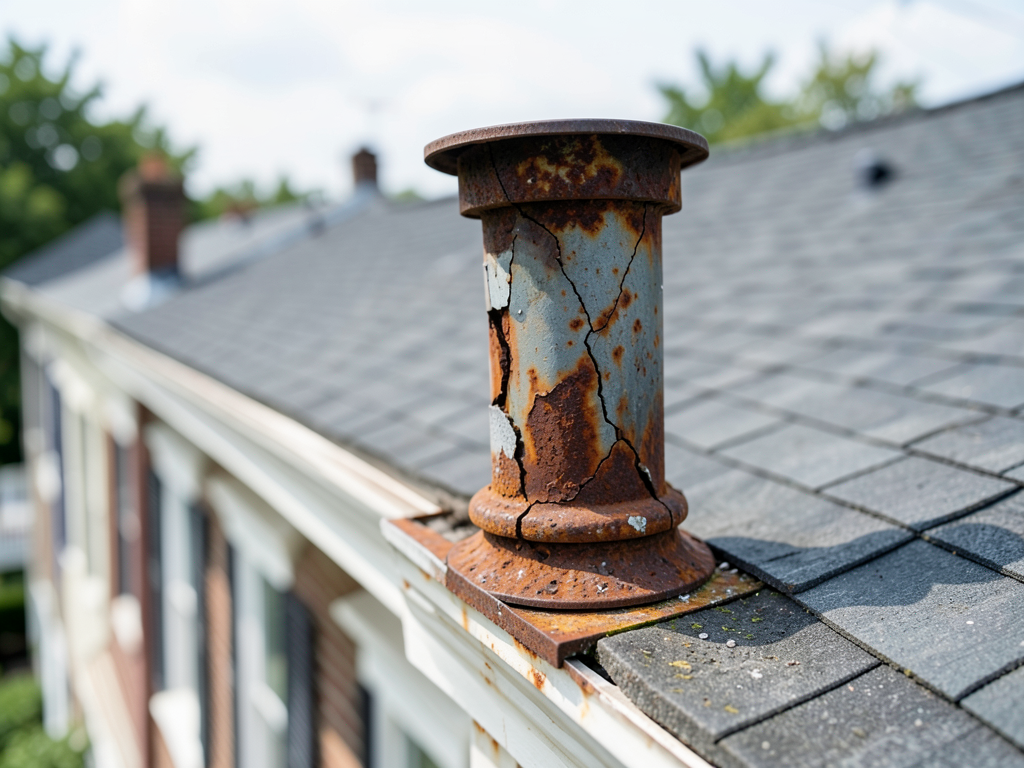
Vent pipes run from your plumbing system through the roof, allowing sewer gases to escape safely outside. In older Baltimore homes, these vents can crack due to age, weather, or even animal damage. A broken vent pipe can pull sewer odors back into your living space. Plumbing Westminster.
During a visual inspection, you might notice rust stains or missing sections on exposed vent pipes in basements or attics. A plumber can use a smoke test to confirm if gases are escaping where they shouldn’t be.. Read more about Keeping Your Basement Floor Drain Clear and Functional in Brooklyn.
Failed Wax Rings Under Toilets
The wax ring creates a watertight seal between your toilet and the floor flange. Over time, especially in homes with shifting foundations common in Baltimore’s clay soil, these seals can fail. A broken wax ring allows sewer gas to seep out from under the toilet base.
You might also notice water damage or discoloration around the toilet base if the seal has been compromised for a while. Replacing the wax ring is a straightforward repair, but it’s important to check for underlying floor damage as well. EPA information on sewer systems.
Tree Root Intrusion in Sewer Lines
Baltimore’s mature tree canopy is beautiful but problematic for old clay or cast iron sewer lines. Tree roots naturally seek out moisture and can penetrate small cracks in underground pipes. Once inside, roots grow and block the line, causing backups and allowing sewer gas to escape through cracks.
Signs of root intrusion include slow drains throughout the house, gurgling sounds from toilets, and recurring clogs. A professional plumber can use a video camera to inspect the line and recommend solutions like hydro-jetting or trenchless repair.
Main Sewer Line Issues
In some cases, the problem isn’t inside your home at all. Baltimore’s combined sewer system, where stormwater and wastewater share the same pipes, can experience overflows or blockages that affect multiple homes. If your neighbors also notice odors, the issue may be in the city’s main line.
Baltimore City’s Department of Public Works handles problems in the public sewer system. If you suspect a city-side issue, you can report it to DPW, but a plumber can help determine if the problem is on your property or beyond.
Is Sewer Gas Dangerous? Health and Safety Risks
Sewer gas isn’t just a nuisance—it can pose real health risks. The primary components are hydrogen sulfide and methane. Hydrogen sulfide smells like rotten eggs and can cause eye irritation, headaches, dizziness, and nausea even at low concentrations. Methane is odorless but flammable, and in confined spaces it can create an explosion risk.
The Occupational Safety and Health Administration (OSHA) sets exposure limits for hydrogen sulfide at 10 parts per million for an 8-hour workday. In a home, even lower levels can cause discomfort and health issues, especially for children, the elderly, or those with respiratory conditions. OSHA hydrogen sulfide safety guidelines.
If you experience sudden, strong sewer odors accompanied by symptoms like burning eyes, difficulty breathing, or dizziness, leave the area immediately and ventilate the space. In these cases, call a plumber right away to assess the situation.
DIY Fixes vs. When to Call a Professional
Not every sewer smell requires a plumber, but knowing the difference can save you time and money. Here are some simple steps you can take before calling for help:
- Run water in all sinks, tubs, and floor drains to refill P-traps.
- Check for visible leaks or moisture around toilets and under sinks.
- Ensure all plumbing vents on the roof are clear of debris or bird nests.
- Clean drain covers and traps to remove buildup that can cause odors.
If these steps don’t resolve the smell, or if you notice signs like slow drains, gurgling pipes, or water backing up, it’s time to call a professional. Persistent sewer odors often indicate deeper issues like broken pipes, collapsed lines, or improper venting that require specialized tools to diagnose.
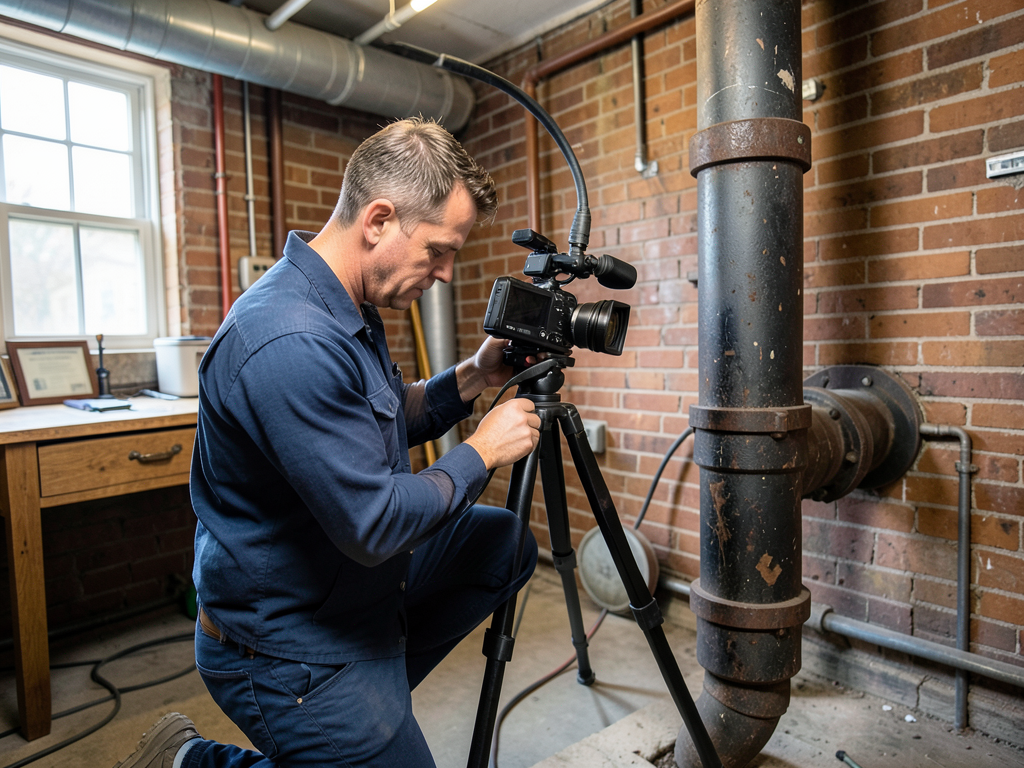
Professional plumbers use video camera inspections to see inside your pipes without digging. Smoke testing can reveal hidden cracks or gaps in the system. These methods save time and prevent unnecessary damage to your home.
Professional Diagnostic Services: Camera Inspections and Smoke Testing
When sewer smells persist, a thorough diagnostic is essential. Video pipe inspection involves inserting a small camera into your plumbing system to identify cracks, blockages, or root intrusion. This technology provides a clear view of the problem without invasive digging.
Smoke testing is another effective method. Plumbers pump non-toxic smoke into the plumbing system and watch where it escapes. This reveals leaks in pipes, vents, or even foundation cracks that might be letting sewer gas into your home.
These diagnostic tools are especially valuable in historic rowhomes where access to pipes is limited and the plumbing layout can be complex. A professional can pinpoint the exact location of the issue, saving you from costly exploratory work.
Serving All Baltimore Neighborhoods: From the Inner Harbor to Pikesville
At Keystone Plumbing Baltimore, we understand the unique plumbing challenges of every Baltimore neighborhood. From the historic rowhomes of Ridgely’s Delight and Federal Hill to the mid-century developments in Pikesville and Towson, our team is equipped to handle any sewer odor issue.
Baltimore’s aging infrastructure, combined with the region’s clay soil and seasonal weather changes, creates conditions where sewer problems can develop quickly. We use local expertise and modern diagnostic tools to provide fast, effective solutions that protect your home and health.
Don’t let a sewer smell linger. Call (443) 443-9099 today to schedule your inspection. We’re ready to help you breathe easy again.
Frequently Asked Questions
Why does my house smell like sewage only at night?
Sewer odors can be stronger at night due to changes in air pressure and temperature. When outdoor temperatures drop, air can be drawn into your home through plumbing vents or cracks, bringing sewer gas with it. This is more noticeable in older homes with aging seals and vents.
Can a dry P-trap cause a sewer smell?
Yes. A dry P-trap allows sewer gases to rise directly into your home. This often happens in unused drains, like those in basements or guest bathrooms. Simply running water down the drain can refill the trap and block the odor.. Read more about Why Your Basement Ejector Pump in Mayfield Needs a Professional Backup.
How do I know if the sewer smell is from my plumbing or the city’s system?
If the smell is isolated to your home and worsens when using water or flushing toilets, the issue is likely in your plumbing. If multiple neighbors report similar odors, it could be a city-wide problem. A plumber can help determine the source with diagnostic testing.
Is it safe to stay in a house that smells like sewer gas?
While brief exposure to low levels of sewer gas is not usually dangerous, strong or persistent odors should not be ignored. Sewer gas can cause health issues and, in rare cases, create a fire hazard. It’s best to ventilate the space and call a professional for an inspection.
How much does it cost to fix a sewer smell in a rowhome?
The cost depends on the cause. Simple fixes like refilling a dry P-trap are inexpensive, while repairs to broken pipes or vent stacks can cost several hundred dollars. A professional inspection will provide a clear diagnosis and accurate estimate.
- Check for Dry P-Traps
Pour water down all drains, especially in unused areas like basements or guest bathrooms. If the smell goes away, the issue may be resolved.
- Inspect Toilets and Seals
Look for moisture or discoloration around toilet bases, which can indicate a failed wax ring. Replace if necessary.
- Examine Vent Pipes
Check exposed vents in basements or attics for rust, cracks, or missing sections. A plumber can repair or replace damaged vents.
- Monitor Drain Performance
Slow drains or gurgling sounds can signal a blockage or root intrusion. Professional camera inspection can confirm the issue.
- Call a Professional
If DIY steps don’t work, a licensed plumber can use smoke testing or video inspection to find hidden leaks or breaks in your system.
Comparing Common Sewer Smell Causes and Solutions
| Cause | Symptoms | DIY Fix? | Professional Repair Needed? |
|---|---|---|---|
| Dry P-Trap | Odor from unused drains | Yes – pour water down drain | No, unless trap is damaged |
| Failed Wax Ring | Odor near toilet base, possible moisture | No | Yes – replace wax ring and check floor |
| Damaged Vent Pipe | Odor throughout house, especially when windy | No | Yes – repair or replace vent |
| Tree Root Intrusion | Slow drains, gurgling, recurring clogs | No | Yes – hydro-jetting or trenchless repair |
| Main Line Blockage | Multiple drains affected, possible backup | No | Yes – camera inspection and clearing |
Still smelling sewer gas in your Ridgely’s Delight rowhome? Don’t wait for the problem to get worse. Call (443) 443-9099 today to schedule your inspection. Our Baltimore plumbing experts are ready to find the source and fix it fast, so you can enjoy your home without unpleasant odors.
For more information on emergency plumbing services, visit our Emergency Pipe Burst Guide or learn about Professional Drain Cleaning in nearby neighborhoods.
{
“@context”: “https://schema.org”,
“@type”: “BlogPosting”,
“headline”: “Why Your Ridgely’s Delight Rowhome Smells Like Sewage”,
“description”: “Sewer gas in your Ridgely’s Delight rowhome? Learn the common causes, health risks, and when to call a Baltimore plumber for fast, professional repairs.”,
“wordCount”: 1960,
“datePublished”: “2026-03-25T14:12:00.000Z”,
“dateModified”: “2026-03-25T14:12:00.000Z”,
“inLanguage”: “en-US”,
“mainEntityOfPage”: {
“@type”: “WebPage”,
“@id”: “https://keystoneplumbingbaltimore.com”
},
“publisher”: {
“@type”: “LocalBusiness”,
“name”: “Keystone Plumbing Baltimore”,
“url”: “https://keystoneplumbingbaltimore.com”
},
“author”: {
“@type”: “Organization”,
“name”: “Keystone Plumbing Baltimore”,
“url”: “https://keystoneplumbingbaltimore.com”
},
“image”: {
“@type”: “ImageObject”,
“url”: “https://keystoneplumbingbaltimore.com/wp-content/uploads/2026/03/why-your-ridgely-s-delight-rowhome-smells-like-sew-1.png”
}
}
{
“@context”: “https://schema.org”,
“@type”: “Plumber”,
“name”: “Keystone Plumbing Baltimore”,
“url”: “https://keystoneplumbingbaltimore.com”,
“address”: {
“@type”: “PostalAddress”,
“addressLocality”: “Baltimore”
},
“areaServed”: {
“@type”: “City”,
“name”: “Baltimore”
}
}
{
“@context”: “https://schema.org”,
“@type”: “FAQPage”,
“mainEntity”: [
{
“@type”: “Question”,
“name”: “Why does my house smell like sewage only at night?”,
“acceptedAnswer”: {
“@type”: “Answer”,
“text”: “Sewer odors can be stronger at night due to changes in air pressure and temperature. When outdoor temperatures drop, air can be drawn into your home through plumbing vents or cracks, bringing sewer gas with it. This is more noticeable in older homes with aging seals and vents.”
}
},
{
“@type”: “Question”,
“name”: “Can a dry P-trap cause a sewer smell?”,
“acceptedAnswer”: {
“@type”: “Answer”,
“text”: “Yes. A dry P-trap allows sewer gases to rise directly into your home. This often happens in unused drains, like those in basements or guest bathrooms. Simply running water down the drain can refill the trap and block the odor.”
}
},
{
“@type”: “Question”,
“name”: “How do I know if the sewer smell is from my plumbing or the city’s system?”,
“acceptedAnswer”: {
“@type”: “Answer”,
“text”: “If the smell is isolated to your home and worsens when using water or flushing toilets, the issue is likely in your plumbing. If multiple neighbors report similar odors, it could be a city-wide problem. A plumber can help determine the source with diagnostic testing.”
}
},
{
“@type”: “Question”,
“name”: “Is it safe to stay in a house that smells like sewer gas?”,
“acceptedAnswer”: {
“@type”: “Answer”,
“text”: “While brief exposure to low levels of sewer gas is not usually dangerous, strong or persistent odors should not be ignored. Sewer gas can cause health issues and, in rare cases, create a fire hazard. It’s best to ventilate the space and call a professional for an inspection.”
}
},
{
“@type”: “Question”,
“name”: “How much does it cost to fix a sewer smell in a rowhome?”,
“acceptedAnswer”: {
“@type”: “Answer”,
“text”: “The cost depends on the cause. Simple fixes like refilling a dry P-trap are inexpensive, while repairs to broken pipes or vent stacks can cost several hundred dollars. A professional inspection will provide a clear diagnosis and accurate estimate.”
}
}
]
}
{
“@context”: “https://schema.org”,
“@type”: “HowTo”,
“name”: “How to Identify and Fix Sewer Smells”,
“step”: [
{
“@type”: “HowToStep”,
“position”: 1,
“name”: “Check for Dry P-Traps”,
“text”: “Pour water down all drains, especially in unused areas like basements or guest bathrooms. If the smell goes away, the issue may be resolved.”
},
{
“@type”: “HowToStep”,
“position”: 2,
“name”: “Inspect Toilets and Seals”,
“text”: “Look for moisture or discoloration around toilet bases, which can indicate a failed wax ring. Replace if necessary.”
},
{
“@type”: “HowToStep”,
“position”: 3,
“name”: “Examine Vent Pipes”,
“text”: “Check exposed vents in basements or attics for rust, cracks, or missing sections. A plumber can repair or replace damaged vents.”
},
{
“@type”: “HowToStep”,
“position”: 4,
“name”: “Monitor Drain Performance”,
“text”: “Slow drains or gurgling sounds can signal a blockage or root intrusion. Professional camera inspection can confirm the issue.”
},
{
“@type”: “HowToStep”,
“position”: 5,
“name”: “Call a Professional”,
“text”: “If DIY steps don’t work, a licensed plumber can use smoke testing or video inspection to find hidden leaks or breaks in your system.”
}
],
“image”: “https://keystoneplumbingbaltimore.com/wp-content/uploads/2026/03/why-your-ridgely-s-delight-rowhome-smells-like-sew-1.png”
}
{
“@context”: “https://schema.org”,
“@type”: “BreadcrumbList”,
“itemListElement”: [
{
“@type”: “ListItem”,
“position”: 1,
“name”: “Home”,
“item”: “https://keystoneplumbingbaltimore.com”
},
{
“@type”: “ListItem”,
“position”: 2,
“name”: “Blog”,
“item”: “https://keystoneplumbingbaltimore.com/blog”
},
{
“@type”: “ListItem”,
“position”: 3,
“name”: “Why Your Ridgely’s Delight Rowhome Smells Like Sewage”
}
]
}
{
“@context”: “https://schema.org”,
“@type”: “Service”,
“serviceType”: “Plumbing”,
“provider”: {
“@type”: “LocalBusiness”,
“name”: “Keystone Plumbing Baltimore”,
“url”: “https://keystoneplumbingbaltimore.com”
},
“areaServed”: {
“@type”: “City”,
“name”: “Baltimore”
},
“description”: “Sewer gas in your Ridgely’s Delight rowhome? Learn the common causes, health risks, and when to call a Baltimore plumber for fast, professional repairs.”
}