
Why Your Ellwood Park Rowhome Needs a Dual Flush Toilet
If you live in an Ellwood Park rowhome built before 1980, your bathroom is likely wasting hundreds of gallons of water each month. Baltimore’s aging infrastructure and rising water rates make this an urgent issue for local homeowners. A dual flush toilet cuts water consumption by up to 50% while meeting modern EPA WaterSense standards, saving you money and reducing strain on the city’s combined sewer system. EPA WaterSense program.
How Dual Flush Technology Works
Dual flush toilets use a two-button system that delivers different water volumes based on waste type. The smaller button releases 0.8 to 1.1 gallons for liquid waste, while the larger button uses 1.28 to 1.6 gallons for solid waste. This contrasts with older Baltimore rowhomes that typically have 3.5 to 5.0 gallon toilets installed decades ago. Fast Water Heater Replacement for Homeowners in Towson and Lutherville.
The mechanism uses gravity-fed siphonic action or pressure-assisted technology. Gravity-fed models rely on the weight of water in the tank to create a powerful flush, while pressure-assisted units use compressed air to boost performance. Both types work effectively in Ellwood Park’s typical 1920s plumbing configurations. Fixing Low Water Pressure in Your Locust Point Rowhome.
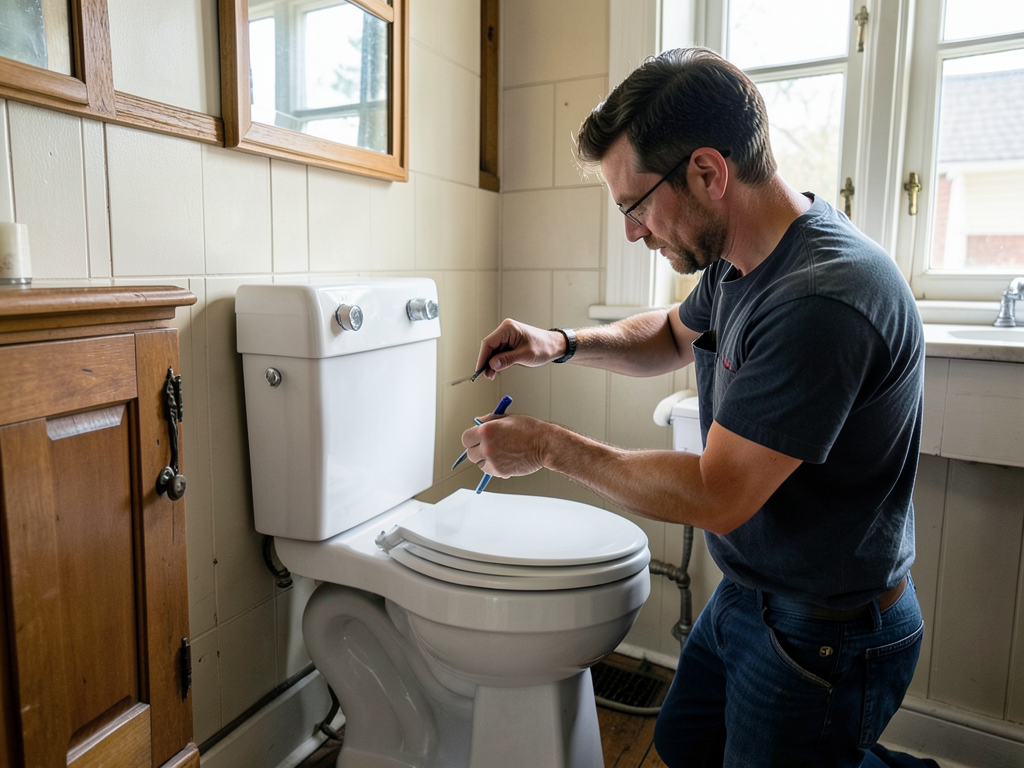
Image: Cross-section diagram showing dual flush valve mechanism with 0.8 GPF and 1.6 GPF chambers, illustrating how water volume adjusts based on button selection.
Top 5 Benefits of Upgrading Your Ellwood Park Home
- Significant Water Conservation – Dual flush toilets use 20% to 50% less water than standard 1.6 GPF models. For a family of four, this translates to 7,000 to 13,000 gallons saved annually.
- Reduced Utility Bills – Baltimore’s Department of Public Works charges $3.70 per 1,000 gallons. Water savings directly reduce your monthly bill by $15 to $25.
- Modern Aesthetic – Contemporary dual flush designs complement Ellwood Park’s historic character while providing modern functionality.
- Clog Resistance – Larger trapways and optimized bowl design prevent the clogs common in older Baltimore toilets.
- Eco-Friendly Footprint – Reduced water usage helps protect the Chesapeake Bay by decreasing wastewater treatment demand.
Local Impact: Water Savings and the Chesapeake Bay
Ellwood Park’s rowhomes connect to Baltimore’s combined sewer system, which overflows into the harbor during heavy rains. Every gallon saved in your home reduces the volume entering treatment plants and potentially overflowing into local waterways. Trenchless Sewer Line Repair for Historic Homes in Roland Park.
Maryland’s Bay Restoration Fund, established under Maryland Code Environment Article §9-2004, requires water conservation measures in older properties. Dual flush toilets help meet these requirements while qualifying for local rebates through the Baltimore City Department of Public Works. Maryland Bay Restoration Fund.
The Chesapeake Bay watershed benefits when thousands of homes reduce water consumption. Less wastewater means reduced nitrogen and phosphorus loads entering the bay, helping restore underwater grasses and improving water quality for blue crabs and rockfish.
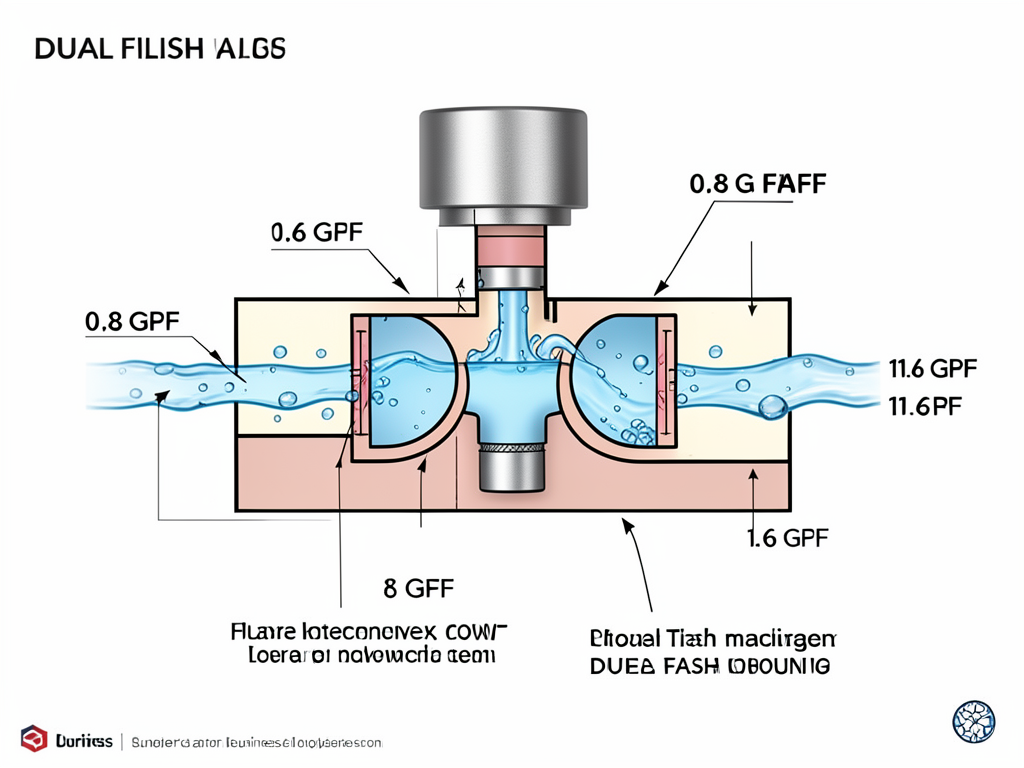
Image: Before and after installation photos showing a 1950s toilet being replaced with a modern dual flush model in an Ellwood Park rowhome bathroom.
Cost-Benefit Analysis: Is the Investment Worth It?
| Feature | Standard 1.6 GPF Toilet | Dual Flush Toilet |
|---|---|---|
| Initial Cost | $150 – $250 | $250 – $400 |
| Annual Water Use (family of 4) | 26,000 gallons | 13,000 gallons |
| Annual Water Cost | $96 | $48 |
| 5-Year Savings | $0 | $240 |
| Payback Period | N/A | 2-3 years |
The investment pays for itself through reduced water bills. Baltimore’s water rates increased 4.5% in 2026, making conservation even more valuable. Some homeowners qualify for rebates through the EPA WaterSense program, further reducing costs.
Common Installation Challenges in Older Baltimore Homes
Ellwood Park rowhomes present unique plumbing challenges. Many have 3-inch cast iron drain lines that require specific flange adapters. The 12-inch rough-in distance from wall to waste pipe is standard, but some homes have 10-inch or 14-inch configurations. Professional Drain Cleaning Services to Clear Stubborn Clogs in Federal Hill.
Galvanized steel supply lines in homes built before 1970 may need replacement to prevent corrosion and ensure proper water pressure. The Baltimore City Plumbing Code requires pressure-balanced valves in all new installations to prevent scalding. Plumbing College Park.
Older homes often lack shut-off valves near the toilet. Installing new angle stops and supply lines ensures you can isolate the fixture for maintenance without affecting the entire house.
The floor may not be perfectly level, requiring shims or adjustable flanges. Baltimore’s clay soil causes foundation settling over decades, creating uneven surfaces that affect toilet stability.
Image: Technician using a torque wrench to properly secure a dual flush toilet flange on a 1930s rowhome bathroom floor, demonstrating proper installation technique.
Diagnostic Testing for Proper Installation
Before installation, technicians perform a dye test to check for existing leaks in the waste line. They also measure water pressure using a gauge to ensure it falls within the 40-80 PSI range required by the Maryland State Plumbing Code.
The bowl-to-floor seal is critical. Technicians apply even pressure when tightening bolts to compress the wax ring without cracking the porcelain. They check for wobble by rocking the toilet slightly – any movement indicates improper installation.
Flushing performance is tested with both buttons. Technicians measure flush volume using a graduated container to verify compliance with EPA WaterSense specifications of 1.28 GPF maximum for full flush.
Maintenance and Troubleshooting
Dual flush toilets require minimal maintenance. The fill valve and flush valve should be inspected annually for wear. Baltimore’s hard water can cause mineral buildup, requiring occasional cleaning of the rim holes and siphon jet.
If the toilet runs continuously, the flapper or seal likely needs replacement. This is a common issue in Baltimore homes due to chlorine in the water supply degrading rubber components over time.
Strange noises during refill often indicate a failing fill valve. The sound of water hammer suggests high pressure that may require a pressure-reducing valve installation.
Environmental and Economic Benefits
Beyond water savings, dual flush toilets reduce energy consumption at water treatment plants. Baltimore’s Back River and Patapsco facilities use significant electricity to pump and treat wastewater. Every gallon saved reduces this energy demand.
Property values increase with water-efficient upgrades. Energy Star and WaterSense certifications appeal to environmentally conscious buyers in Baltimore’s competitive housing market.
Insurance companies may offer discounts for water conservation measures that reduce the risk of water damage claims. Check with your provider about potential savings.
Choosing the Right Model for Your Home
Consider bowl shape when selecting a dual flush toilet. Elongated bowls offer more comfort but require more space. Round bowls work better in Ellwood Park’s typically compact bathrooms.
Height matters for accessibility. Standard height toilets sit 15 inches from floor to seat, while comfort height models reach 17-19 inches, meeting ADA guidelines for easier sitting and standing.
Brand reliability varies significantly. Toto, Kohler, and American Standard lead in dual flush technology with proven track records in Baltimore’s climate and water conditions.
Professional Installation vs. DIY
Professional installation ensures compliance with Baltimore City plumbing codes and manufacturer warranties. Licensed plumbers understand local water pressure variations and can address unexpected issues like corroded supply lines or uneven floors.
DIY installation risks voiding warranties and creating code violations. Improper sealing leads to leaks that damage floors and ceilings in adjacent units – a serious concern in rowhome construction.
Professional installers carry insurance covering accidental damage. They also provide warranties on workmanship, giving you peace of mind with this essential home upgrade.
Ready to Upgrade Your Ellwood Park Bathroom?
Call (443) 443-9099 today to schedule your dual flush toilet installation. Our Baltimore-based technicians understand the unique challenges of Ellwood Park rowhomes and can complete most installations in under two hours. Don’t wait until your old toilet fails – upgrade now and start saving water and money immediately.
Pick up the phone and call (443) 443-9099 before the next storm hits. Every gallon saved helps protect Baltimore’s combined sewer system and the Chesapeake Bay we all share.
Frequently Asked Questions
How much water does a dual flush toilet save?
A dual flush toilet saves 7,000 to 13,000 gallons annually compared to a standard 1.6 GPF model, reducing water usage by 20% to 50% depending on household size and flushing habits.
Will a dual flush toilet work in my old Baltimore rowhome?
Yes. Dual flush toilets install in standard 12-inch rough-in configurations common in Ellwood Park homes. Professional plumbers can adapt installations for older 10-inch or 14-inch setups and address galvanized pipe issues.
Are there rebates available for dual flush toilets in Baltimore?
Baltimore City DPW offers rebates through the EPA WaterSense program. Some homeowners qualify for additional incentives through the Maryland Bay Restoration Fund for water conservation upgrades.
How long does installation take?
Most professional installations complete in 1-2 hours. This includes removing the old toilet, preparing the flange, installing the new unit, and testing for proper operation and leak-free performance.
What’s the difference between siphonic and pressure-assisted dual flush toilets?
Siphonic models use gravity and water weight for flushing, while pressure-assisted units use compressed air for stronger performance. Both meet WaterSense standards, but siphonic models are quieter and more common in residential settings.
{
“@context”: “https://schema.org”,
“@type”: “BlogPosting”,
“headline”: “Why Your Ellwood Park Rowhome Needs a Dual Flush Toilet”,
“description”: “Discover how dual flush toilets cut water use by 50% in Ellwood Park rowhomes. Save money and help Baltimore’s Chesapeake Bay. Call (443) 443-9099 for expert installation.”,
“wordCount”: 1505,
“datePublished”: “2026-05-01T14:00:00.000Z”,
“dateModified”: “2026-05-01T14:00:00.000Z”,
“inLanguage”: “en-US”,
“mainEntityOfPage”: {
“@type”: “WebPage”,
“@id”: “https://keystoneplumbingbaltimore.com”
},
“publisher”: {
“@type”: “LocalBusiness”,
“name”: “Keystone Plumbing Baltimore”,
“url”: “https://keystoneplumbingbaltimore.com”
},
“author”: {
“@type”: “Organization”,
“name”: “Keystone Plumbing Baltimore”,
“url”: “https://keystoneplumbingbaltimore.com”
},
“image”: {
“@type”: “ImageObject”,
“url”: “https://keystoneplumbingbaltimore.com/wp-content/uploads/2026/03/why-your-ellwood-park-rowhome-needs-a-dual-flush-t-1.png”
}
}
{
“@context”: “https://schema.org”,
“@type”: “Plumber”,
“name”: “Keystone Plumbing Baltimore”,
“url”: “https://keystoneplumbingbaltimore.com”,
“address”: {
“@type”: “PostalAddress”,
“addressLocality”: “Baltimore”
},
“areaServed”: {
“@type”: “City”,
“name”: “Baltimore”
}
}
{
“@context”: “https://schema.org”,
“@type”: “FAQPage”,
“mainEntity”: [
{
“@type”: “Question”,
“name”: “Ready to Upgrade Your Ellwood Park Bathroom?”,
“acceptedAnswer”: {
“@type”: “Answer”,
“text”: “Call (443) 443-9099 today to schedule your dual flush toilet installation. Our Baltimore-based technicians understand the unique challenges of Ellwood Park rowhomes and can complete most installations in under two hours. Don’t wait until your old toilet fails – upgrade now and start saving water and money immediately.”
}
},
{
“@type”: “Question”,
“name”: “How much water does a dual flush toilet save?”,
“acceptedAnswer”: {
“@type”: “Answer”,
“text”: “A dual flush toilet saves 7,000 to 13,000 gallons annually compared to a standard 1.6 GPF model, reducing water usage by 20% to 50% depending on household size and flushing habits.”
}
},
{
“@type”: “Question”,
“name”: “Will a dual flush toilet work in my old Baltimore rowhome?”,
“acceptedAnswer”: {
“@type”: “Answer”,
“text”: “Yes. Dual flush toilets install in standard 12-inch rough-in configurations common in Ellwood Park homes. Professional plumbers can adapt installations for older 10-inch or 14-inch setups and address galvanized pipe issues.”
}
},
{
“@type”: “Question”,
“name”: “Are there rebates available for dual flush toilets in Baltimore?”,
“acceptedAnswer”: {
“@type”: “Answer”,
“text”: “Baltimore City DPW offers rebates through the EPA WaterSense program. Some homeowners qualify for additional incentives through the Maryland Bay Restoration Fund for water conservation upgrades.”
}
},
{
“@type”: “Question”,
“name”: “How long does installation take?”,
“acceptedAnswer”: {
“@type”: “Answer”,
“text”: “Most professional installations complete in 1-2 hours. This includes removing the old toilet, preparing the flange, installing the new unit, and testing for proper operation and leak-free performance.”
}
},
{
“@type”: “Question”,
“name”: “What’s the difference between siphonic and pressure-assisted dual flush toilets?”,
“acceptedAnswer”: {
“@type”: “Answer”,
“text”: “Siphonic models use gravity and water weight for flushing, while pressure-assisted units use compressed air for stronger performance. Both meet WaterSense standards, but siphonic models are quieter and more common in residential settings.”
}
}
]
}
{
“@context”: “https://schema.org”,
“@type”: “BreadcrumbList”,
“itemListElement”: [
{
“@type”: “ListItem”,
“position”: 1,
“name”: “Home”,
“item”: “https://keystoneplumbingbaltimore.com”
},
{
“@type”: “ListItem”,
“position”: 2,
“name”: “Blog”,
“item”: “https://keystoneplumbingbaltimore.com/blog”
},
{
“@type”: “ListItem”,
“position”: 3,
“name”: “Why Your Ellwood Park Rowhome Needs a Dual Flush Toilet”
}
]
}
{
“@context”: “https://schema.org”,
“@type”: “Service”,
“serviceType”: “Plumbing”,
“provider”: {
“@type”: “LocalBusiness”,
“name”: “Keystone Plumbing Baltimore”,
“url”: “https://keystoneplumbingbaltimore.com”
},
“areaServed”: {
“@type”: “City”,
“name”: “Baltimore”
},
“description”: “Discover how dual flush toilets cut water use by 50% in Ellwood Park rowhomes. Save money and help Baltimore’s Chesapeake Bay. Call (443) 443-9099 for expert installation.”
}