
When to Choose Spot Repair Over a Full Sewer Relining for Your Ten Hills Home
Living in Ten Hills means dealing with Baltimore’s aging infrastructure. When your sewer line fails, you face a critical decision: repair just the damaged section or reline the entire pipe. The right choice depends on your specific situation. A quick camera inspection can reveal whether you have an isolated crack or widespread deterioration. This guide breaks down when spot repair makes sense and when you should invest in full relining. EPA WaterSense Program.
Spot repair works best for localized damage like tree root intrusion or a single broken section. Full relining becomes necessary when your pipe shows multiple weak points or widespread corrosion. Understanding these differences helps you avoid paying for unnecessary work or facing repeated failures.
Spot Repair vs. Relining: Key Differences at a Glance
| Factor | Spot Repair | Full Relining |
|---|---|---|
| Cost Range | $2,000 – $5,000 per section | $150 – $250 per foot |
| Time to Complete | 1-2 days | 1-3 days |
| Excavation Required | Yes, at repair point | Minimal to none |
| Best For | Isolated damage | Multiple weak points |
| Lifespan | 10-15 years per repair | 50+ years for full line |
When Spot Repair Makes Sense for Ten Hills Homes
Spot repair works perfectly when you have a single problem area. Common scenarios include tree roots breaking through at one joint or a section of pipe that collapsed due to soil settling. The process involves digging down to the damaged pipe, removing the bad section, and replacing it with new PVC.
Ten Hills homes built before 1970 often have cast iron sewer lines that corrode from the inside out. If your camera inspection shows solid pipe with one isolated failure point, spot repair offers the most cost-effective solution. The new PVC section will last decades without the problems that plagued your original cast iron. Trenchless Sewer Line Repair for Historic Homes in Roland Park.
Local soil conditions matter too. Ten Hills sits on Baltimore’s characteristic clay-heavy soil that expands and contracts with moisture changes. This movement can crack pipes over time, but often affects only specific sections. A targeted repair addresses the immediate problem while leaving intact pipe undisturbed.
Diagnostic Signs You Need Spot Repair
- Single location of sewage backup
- Tree roots visible in camera inspection at one spot
- Cast iron pipe with localized corrosion
- Recent soil settling near the pipe
Understanding Full Sewer Relining Technology
Full relining uses Cured-In-Place Pipe (CIPP) technology to create a new pipe inside your existing one. The process starts with cleaning the pipe using hydro-jetting to remove debris and roots. Then a flexible liner saturated with epoxy resin gets inserted and inflated. The resin cures to form a jointless, corrosion-resistant pipe within your old one.
This trenchless method works well for Ten Hills homes with multiple problem areas. If your camera shows corrosion throughout the line or several cracks in different sections, relining provides a comprehensive solution. The epoxy liner resists tree roots and corrosion better than any traditional material.
Relining also preserves your landscaping. Since no excavation is needed, you avoid damaging mature trees, shrubs, or hardscaping common in Ten Hills properties. The process typically takes less time than multiple spot repairs and provides a uniform solution throughout the entire line.
Technical Advantages of CIPP Lining
The epoxy resin used in CIPP creates a pipe within a pipe that’s actually stronger than new PVC. It has a smooth interior surface that improves flow and resists future root intrusion. The material handles Baltimore’s freeze-thaw cycles better than traditional materials, reducing the risk of cracks from ground movement.
According to Baltimore City Department of Public Works standards, CIPP installations must meet specific pressure and flow requirements. The cured liner typically achieves a structural rating of 4,000+ PSI, exceeding most municipal requirements for residential sewer lines.. Read more about Clearing a Clogged Sewer Vent Stack to Stop That Gurgling Sound in Rosemont.
Baltimore-Specific Factors That Influence Your Decision
Ten Hills experiences unique challenges due to its location and history. The neighborhood’s mix of mid-century and older homes means you could have any combination of pipe materials. Understanding what’s under your yard helps determine the best repair approach.
Tree species common in Ten Hills, particularly silver maples and oaks, have aggressive root systems that seek water through pipe joints. If roots have penetrated one section, they may already be working on adjacent areas. This pattern often makes relining the more economical long-term choice. Fast Water Heater Replacement for Homeowners in Towson and Lutherville.
Baltimore’s combined sewer system in some areas adds another layer of complexity. While Ten Hills primarily uses separate sanitary sewers, understanding your connection to the city system helps predict future issues. The city’s aging infrastructure can create pressure fluctuations that stress older pipes.
Local Permit Requirements
Baltimore City requires permits for both spot repairs and relining, but the process differs. Spot repairs need excavation permits and may require sidewalk or street closure permits if the work extends beyond your property line. Relining typically needs only a plumbing permit since no excavation occurs.
The city’s DPW inspects all sewer work to ensure compliance with local codes. For homes near Sligo Creek or other waterways, additional environmental permits might be required to prevent contamination during repair work. Fixing Low Water Pressure in Your Locust Point Rowhome.
Cost Analysis for Ten Hills Homeowners
Understanding the true cost of each option helps you make an informed decision. Spot repairs have lower upfront costs but may need repeating if other sections fail. Relining costs more initially but provides decades of trouble-free service.
For a typical Ten Hills home with a 50-foot sewer line, here’s what you might expect:
| Repair Type | Initial Cost | Potential Future Costs | 5-Year Total |
|---|---|---|---|
| Spot Repair | $3,500 | $3,500 (if another section fails) | $7,000 |
| Full Relining | $8,500 | Minimal maintenance | $8,500 |
Remember that these are estimates. Your actual costs depend on pipe depth, accessibility, and the extent of damage. A professional inspection provides accurate pricing for your specific situation. Professional Drain Cleaning Services to Clear Stubborn Clogs in Federal Hill.
The Critical Role of Camera Inspection
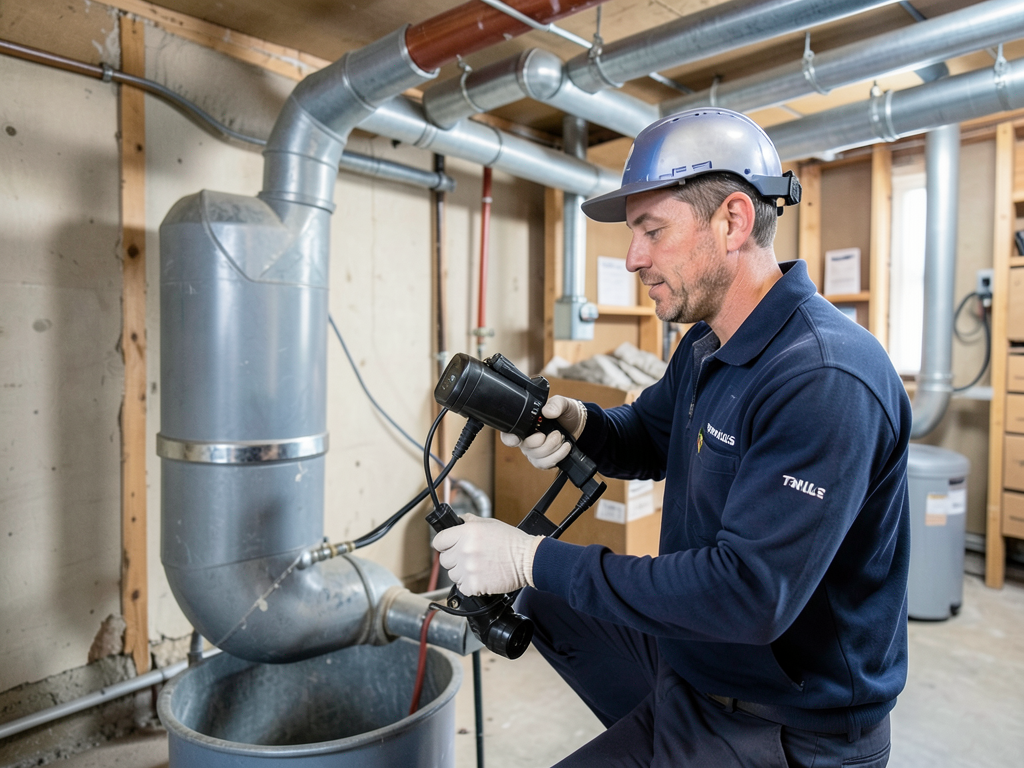
You cannot make the right repair decision without seeing inside your pipes. Professional sewer camera inspection uses a waterproof camera on a flexible cable to navigate your sewer line. The technician watches a monitor in real-time, identifying cracks, corrosion, root intrusion, and pipe separation.
During inspection, we measure pipe diameter, note material type, and locate cleanouts and connections. The camera reveals whether you have localized damage or system-wide deterioration. This information forms the basis for your repair recommendation.
The inspection process typically takes 1-2 hours and costs $200-$400. This investment prevents you from choosing the wrong repair method and wasting thousands of dollars on ineffective solutions.
What We Look For During Inspection
- Visible cracks or breaks in the pipe
- Corrosion scale buildup on cast iron
- Tree root intrusion at joints
- Low spots where waste collects
- Separation between pipe sections
Making Your Final Decision
After inspection, you’ll face a clear choice based on your pipe’s condition. If the camera shows isolated damage with solid pipe elsewhere, spot repair offers the best value. You fix the immediate problem without paying for unnecessary work on undamaged sections.
However, if inspection reveals multiple weak points, widespread corrosion, or repeated root intrusion patterns, relining becomes the smarter investment. The higher upfront cost prevents future emergencies and provides peace of mind for decades.
Consider your plans for the property too. If you’ll sell within a few years, spot repair might suffice. For long-term ownership, relining eliminates future sewer emergencies and improves your home’s value.
Decision Guide for Ten Hills Homeowners
Ask yourself these questions:
- How old is your home and its sewer line?
- Have you had previous sewer problems?
- Do you have large trees near your sewer line?
- What’s your budget for this repair?
- How long do you plan to stay in your home?
Your answers help determine whether spot repair or relining serves you best. When in doubt, choose the option that prevents future emergencies rather than just fixing today’s problem.
Why Professional Assessment Matters
Sewer repair mistakes cost thousands in water damage, excavation redo, and emergency service calls. Professional plumbers bring diagnostic equipment, local code knowledge, and experience with Baltimore’s specific challenges. They know how to navigate city permits and work with utility companies. Who to Call for an Emergency Pipe Burst in Canton Right Now.
DIY sewer repair or hiring unlicensed contractors often leads to bigger problems. Improper pipe joining, incorrect slope, or code violations can cause immediate failures or create issues that surface months later when you’ve already paid and moved on.
Professional assessment includes understanding your home’s specific needs. A 1950s brick colonial in Ten Hills has different requirements than a 1920s bungalow. The right plumber considers your home’s age, construction type, and local conditions when recommending solutions.
Next Steps for Your Sewer Repair
Don’t wait for sewage backup to make this decision. If you notice slow drains, gurgling sounds, or sewage odors, schedule a camera inspection immediately. Early detection often means simpler, less expensive repairs.
Ready to solve your sewer problems? Call (443) 443-9099 today to schedule your professional camera inspection. We’ll show you exactly what’s happening in your pipes and recommend the most cost-effective solution for your Ten Hills home.
Don’t let sewer problems disrupt your life. Pick up the phone and call (443) 443-9099 before the next storm hits. Our team serves Ten Hills and all of Baltimore with emergency and scheduled sewer repair services.
Frequently Asked Questions
How long does a sewer camera inspection take?
A thorough sewer camera inspection typically takes 60-90 minutes. The plumber feeds a waterproof camera through your sewer line while watching a monitor, documenting any damage, and measuring pipe conditions throughout the entire line.
Can I stay in my home during sewer repair?
Yes, you can usually remain in your home during both spot repair and relining. The work is confined to the sewer line, and water service continues through other fixtures. Only if the main sewer connection needs repair might you face temporary service interruption.
What’s the warranty on sewer repairs in Baltimore?
Warranty terms vary by contractor and repair type. Spot repairs typically carry 5-10 year warranties on workmanship. CIPP relining often includes 10-25 year warranties covering material defects and installation quality. Always get warranty terms in writing before work begins.
How do I know if my Ten Hills home has cast iron pipes?
Homes built before 1970 in Ten Hills likely have cast iron sewer lines. You can verify by checking building permits or having a plumber inspect a cleanout. Cast iron appears dark, heavy, and often shows corrosion scaling inside when viewed with a camera.
Does homeowners insurance cover sewer line repair?
Standard homeowners insurance typically excludes sewer line repair unless damage results from a covered peril like a tree falling on an above-ground line. However, many insurers offer optional sewer line coverage riders. Check your policy or call your agent to understand your coverage.
What causes sewer lines to fail in Baltimore?
Common causes include tree root intrusion, soil movement from freeze-thaw cycles, corrosion in older pipes, and ground settling. Baltimore’s clay soil expands when wet and contracts when dry, creating pressure that cracks pipes over time. Combined with our freeze-thaw winters, this creates perfect conditions for pipe failure.
How deep are sewer lines buried in Ten Hills?
Most residential sewer lines in Ten Hills sit 3-6 feet below grade. Depth varies based on local topography and building codes in effect when your home was built. Deeper lines protect against freeze damage but increase excavation costs for spot repairs.
Should I repair or replace my entire sewer line?
Replace only if inspection shows widespread damage or multiple failure points. If you have isolated problems with otherwise solid pipe, targeted repairs make more financial sense. The camera inspection reveals exactly what you’re dealing with, allowing informed decisions about repair scope.
How long does sewer relining last?
Quality CIPP relining typically lasts 50+ years. The epoxy resin creates a jointless pipe within your existing line that resists corrosion, roots, and ground movement better than new PVC. Many manufacturers warranty their lining systems for 25 years or more.
What’s the difference between spot repair and sectional point repair?
These terms describe the same process. Both involve excavating at a specific location to remove damaged pipe section and replace it with new material. The terminology varies by contractor, but the approach remains identical: targeted repair of isolated damage without disturbing intact pipe sections.
Can tree roots really damage sewer pipes?
Yes, tree roots commonly damage sewer pipes. Roots seek moisture through pipe joints and tiny cracks. Once inside, they grow and expand, breaking apart the pipe from within. Silver maples, oaks, and other large trees near sewer lines frequently cause this type of damage in Baltimore neighborhoods.
How much does it cost to repair a broken sewer line?
Costs range from $2,000-$5,000 for spot repairs to $150-$250 per foot for full relining. A typical 50-foot line might cost $8,000-$12,000 for complete relining versus $3,000-$5,000 for a single spot repair. Your specific situation determines the actual cost.
What permits do I need for sewer repair in Baltimore?
Baltimore City requires plumbing permits for all sewer work. Spot repairs may need additional excavation permits if work extends beyond your property line. The city’s Department of Public Works inspects all sewer repairs to ensure code compliance and proper connection to the municipal system.
How can I prevent future sewer problems?
Prevent problems by avoiding planting trees near sewer lines, scheduling regular camera inspections every 3-5 years, and addressing slow drains promptly. For homes with known issues, consider root treatment or lining problem areas before complete failure occurs.
What are signs my sewer line needs repair?
Signs include multiple slow drains, sewage odors, gurgling sounds from toilets, sewage backups in lowest fixtures, lush patches in your yard above the sewer line, and foundation cracks near the line. Any of these symptoms warrant immediate professional inspection. For more information, visit NASSCO Trenchless Technology Standards.
{
“@context”: “https://schema.org”,
“@type”: “BlogPosting”,
“headline”: “When to Choose Spot Repair Over a Full Sewer Relining for Your Ten Hills Home”,
“description”: “Learn when spot repair is better than full sewer relining for Ten Hills homes. Compare costs, timelines, and Baltimore-specific factors like soil and pipe age.”,
“wordCount”: 2327,
“datePublished”: “2026-04-25T10:06:00.000Z”,
“dateModified”: “2026-04-25T10:06:00.000Z”,
“inLanguage”: “en-US”,
“mainEntityOfPage”: {
“@type”: “WebPage”,
“@id”: “https://keystoneplumbingbaltimore.com”
},
“publisher”: {
“@type”: “LocalBusiness”,
“name”: “Keystone Plumbing Baltimore”,
“url”: “https://keystoneplumbingbaltimore.com”
},
“author”: {
“@type”: “Organization”,
“name”: “Keystone Plumbing Baltimore”,
“url”: “https://keystoneplumbingbaltimore.com”
},
“image”: {
“@type”: “ImageObject”,
“url”: “https://keystoneplumbingbaltimore.com/wp-content/uploads/2026/03/when-to-choose-spot-repair-over-a-full-sewer-relin-1.png”
}
}
{
“@context”: “https://schema.org”,
“@type”: “Plumber”,
“name”: “Keystone Plumbing Baltimore”,
“url”: “https://keystoneplumbingbaltimore.com”,
“address”: {
“@type”: “PostalAddress”,
“addressLocality”: “Baltimore”
},
“areaServed”: {
“@type”: “City”,
“name”: “Baltimore”
}
}
{
“@context”: “https://schema.org”,
“@type”: “FAQPage”,
“mainEntity”: [
{
“@type”: “Question”,
“name”: “How long does a sewer camera inspection take?”,
“acceptedAnswer”: {
“@type”: “Answer”,
“text”: “A thorough sewer camera inspection typically takes 60-90 minutes. The plumber feeds a waterproof camera through your sewer line while watching a monitor, documenting any damage, and measuring pipe conditions throughout the entire line.”
}
},
{
“@type”: “Question”,
“name”: “Can I stay in my home during sewer repair?”,
“acceptedAnswer”: {
“@type”: “Answer”,
“text”: “Yes, you can usually remain in your home during both spot repair and relining. The work is confined to the sewer line, and water service continues through other fixtures. Only if the main sewer connection needs repair might you face temporary service interruption.”
}
},
{
“@type”: “Question”,
“name”: “What’s the warranty on sewer repairs in Baltimore?”,
“acceptedAnswer”: {
“@type”: “Answer”,
“text”: “Warranty terms vary by contractor and repair type. Spot repairs typically carry 5-10 year warranties on workmanship. CIPP relining often includes 10-25 year warranties covering material defects and installation quality. Always get warranty terms in writing before work begins.”
}
},
{
“@type”: “Question”,
“name”: “Does homeowners insurance cover sewer line repair?”,
“acceptedAnswer”: {
“@type”: “Answer”,
“text”: “Standard homeowners insurance typically excludes sewer line repair unless damage results from a covered peril like a tree falling on an above-ground line. However, many insurers offer optional sewer line coverage riders. Check your policy or call your agent to understand your coverage.”
}
},
{
“@type”: “Question”,
“name”: “What causes sewer lines to fail in Baltimore?”,
“acceptedAnswer”: {
“@type”: “Answer”,
“text”: “Common causes include tree root intrusion, soil movement from freeze-thaw cycles, corrosion in older pipes, and ground settling. Baltimore’s clay soil expands when wet and contracts when dry, creating pressure that cracks pipes over time. Combined with our freeze-thaw winters, this creates perfect conditions for pipe failure.”
}
},
{
“@type”: “Question”,
“name”: “How deep are sewer lines buried in Ten Hills?”,
“acceptedAnswer”: {
“@type”: “Answer”,
“text”: “Most residential sewer lines in Ten Hills sit 3-6 feet below grade. Depth varies based on local topography and building codes in effect when your home was built. Deeper lines protect against freeze damage but increase excavation costs for spot repairs.”
}
},
{
“@type”: “Question”,
“name”: “Should I repair or replace my entire sewer line?”,
“acceptedAnswer”: {
“@type”: “Answer”,
“text”: “Replace only if inspection shows widespread damage or multiple failure points. If you have isolated problems with otherwise solid pipe, targeted repairs make more financial sense. The camera inspection reveals exactly what you’re dealing with, allowing informed decisions about repair scope.”
}
},
{
“@type”: “Question”,
“name”: “How long does sewer relining last?”,
“acceptedAnswer”: {
“@type”: “Answer”,
“text”: “Quality CIPP relining typically lasts 50+ years. The epoxy resin creates a jointless pipe within your existing line that resists corrosion, roots, and ground movement better than new PVC. Many manufacturers warranty their lining systems for 25 years or more.”
}
},
{
“@type”: “Question”,
“name”: “What’s the difference between spot repair and sectional point repair?”,
“acceptedAnswer”: {
“@type”: “Answer”,
“text”: “These terms describe the same process. Both involve excavating at a specific location to remove damaged pipe section and replace it with new material. The terminology varies by contractor, but the approach remains identical: targeted repair of isolated damage without disturbing intact pipe sections.”
}
},
{
“@type”: “Question”,
“name”: “Can tree roots really damage sewer pipes?”,
“acceptedAnswer”: {
“@type”: “Answer”,
“text”: “Yes, tree roots commonly damage sewer pipes. Roots seek moisture through pipe joints and tiny cracks. Once inside, they grow and expand, breaking apart the pipe from within. Silver maples, oaks, and other large trees near sewer lines frequently cause this type of damage in Baltimore neighborhoods.”
}
},
{
“@type”: “Question”,
“name”: “How much does it cost to repair a broken sewer line?”,
“acceptedAnswer”: {
“@type”: “Answer”,
“text”: “Costs range from $2,000-$5,000 for spot repairs to $150-$250 per foot for full relining. A typical 50-foot line might cost $8,000-$12,000 for complete relining versus $3,000-$5,000 for a single spot repair. Your specific situation determines the actual cost.”
}
},
{
“@type”: “Question”,
“name”: “What permits do I need for sewer repair in Baltimore?”,
“acceptedAnswer”: {
“@type”: “Answer”,
“text”: “Baltimore City requires plumbing permits for all sewer work. Spot repairs may need additional excavation permits if work extends beyond your property line. The city’s Department of Public Works inspects all sewer repairs to ensure code compliance and proper connection to the municipal system.”
}
},
{
“@type”: “Question”,
“name”: “How can I prevent future sewer problems?”,
“acceptedAnswer”: {
“@type”: “Answer”,
“text”: “Prevent problems by avoiding planting trees near sewer lines, scheduling regular camera inspections every 3-5 years, and addressing slow drains promptly. For homes with known issues, consider root treatment or lining problem areas before complete failure occurs.”
}
},
{
“@type”: “Question”,
“name”: “What are signs my sewer line needs repair?”,
“acceptedAnswer”: {
“@type”: “Answer”,
“text”: “Signs include multiple slow drains, sewage odors, gurgling sounds from toilets, sewage backups in lowest fixtures, lush patches in your yard above the sewer line, and foundation cracks near the line. Any of these symptoms warrant immediate professional inspection. For more information, visit NASSCO Trenchless Technology Standards.”
}
}
]
}
{
“@context”: “https://schema.org”,
“@type”: “BreadcrumbList”,
“itemListElement”: [
{
“@type”: “ListItem”,
“position”: 1,
“name”: “Home”,
“item”: “https://keystoneplumbingbaltimore.com”
},
{
“@type”: “ListItem”,
“position”: 2,
“name”: “Blog”,
“item”: “https://keystoneplumbingbaltimore.com/blog”
},
{
“@type”: “ListItem”,
“position”: 3,
“name”: “When to Choose Spot Repair Over a Full Sewer Relining for Your Ten Hills Home”
}
]
}
{
“@context”: “https://schema.org”,
“@type”: “Service”,
“serviceType”: “Plumbing”,
“provider”: {
“@type”: “LocalBusiness”,
“name”: “Keystone Plumbing Baltimore”,
“url”: “https://keystoneplumbingbaltimore.com”
},
“areaServed”: {
“@type”: “City”,
“name”: “Baltimore”
},
“description”: “Learn when spot repair is better than full sewer relining for Ten Hills homes. Compare costs, timelines, and Baltimore-specific factors like soil and pipe age.”
}