
Gray Water Recycling for Baltimore Gardens: A Sustainable Plumbing Guide
Harwood homeowners can reduce water bills and support sustainable gardening by installing gray water recycling systems that capture water from showers, bathroom sinks, and washing machines for landscape irrigation. These systems provide a reliable water source for your garden while complying with Maryland Department of the Environment regulations. The process involves collecting lightly used water, filtering it through approved systems, and distributing it via subsurface irrigation to nourish plants without risking contamination. Maryland Department of the Environment gray water guidelines.
Gray water systems work particularly well in Baltimore’s Zone 7b climate, where seasonal rainfall patterns create both water abundance and scarcity throughout the year. By capturing and reusing water that would otherwise flow to the sewer, homeowners can maintain healthy gardens during dry spells while reducing municipal water consumption by up to 40 percent annually. Fast Water Heater Replacement for Homeowners in Towson and Lutherville.
Is Gray Water Legal in Baltimore? Maryland Regulations Explained
Gray water recycling is legal in Baltimore County and Baltimore City when installed according to Maryland Department of the Environment guidelines. The state classifies gray water as wastewater from bathroom sinks, showers, and washing machines that contains minimal contaminants. Blackwater from toilets and kitchen sinks remains prohibited for reuse due to higher contamination risks. EPA water conservation resources.
Baltimore City requires permits for all gray water systems through the Department of Public Works. The permitting process ensures systems include proper backflow prevention, three-way diverter valves, and subsurface distribution methods. Local plumbers must install these systems to meet Maryland State Plumbing Code requirements, which mandate specific pipe materials and filtration standards to prevent cross-contamination with potable water supplies. Fixing Low Water Pressure in Your Locust Point Rowhome.
Property owners in Harwood must also comply with Baltimore County soil drainage requirements, as the area’s clay-heavy soil affects how gray water percolates through the ground. Systems must account for seasonal freeze-thaw cycles that can damage pipes if not properly installed with appropriate insulation and depth specifications. Professional Drain Cleaning Services to Clear Stubborn Clogs in Federal Hill.
How Gray Water Systems Work: From Laundry to Landscape
Gray water systems capture water from designated sources and redirect it through a series of filters and distribution networks. The most common setup is the Laundry-to-Landscape system, which diverts washing machine discharge through a three-way valve that allows users to switch between garden irrigation and sewer disposal. Trenchless Sewer Line Repair for Historic Homes in Roland Park.
The system begins with a diverter valve installed on the washing machine’s discharge hose. When activated, water flows through a mesh filter that removes lint and large particles before entering the distribution pipes. These pipes, typically made of Schedule 40 PVC, carry water to multiple irrigation zones using gravity or small pumps.
Subsurface irrigation delivers water directly to plant root zones through perforated pipes buried 6-9 inches below the soil surface. This method prevents human contact with the water while reducing evaporation losses. Some systems include surge tanks that temporarily store water between wash cycles, allowing for more controlled distribution across your garden.
Professional installation ensures proper system sizing based on household water usage patterns and garden needs. A typical Harwood home with four residents and a medium-sized garden requires approximately 150-200 gallons of storage capacity and distribution piping covering 500-800 square feet of planting area.
Best Plants for Gray Water Irrigation in Maryland
Certain plants thrive when irrigated with gray water due to their tolerance for the nutrients and slight alkalinity often present in recycled household water. Maryland native perennials and salt-tolerant species perform exceptionally well in Baltimore’s climate while benefiting from the consistent moisture gray water systems provide.
Black-eyed Susans, Maryland’s state flower, handle gray water irrigation well and attract pollinators to your garden. Purple coneflower, butterfly weed, and Joe-Pye weed are other native perennials that tolerate the slight variations in water quality while providing seasonal color and wildlife habitat.
For shrubs and small trees, consider bayberry, sweet pepperbush, and red chokeberry, which all tolerate the nutrients found in gray water. Fruit trees like apple and pear varieties can also benefit from gray water irrigation, though they require monitoring for salt buildup over time.
Avoid irrigating acid-loving plants like blueberries, rhododendrons, and azaleas with gray water, as the slight alkalinity can harm these species. Similarly, root vegetables and leafy greens intended for raw consumption should not receive gray water irrigation due to potential contamination risks.
The key to successful gray water gardening lies in matching plant selection to both your local climate and the specific characteristics of your recycled water supply. Working with a local horticulturist can help identify the best plant combinations for your Harwood garden’s unique conditions.
Professional Installation vs. DIY: Safety and Compliance
Professional installation ensures your gray water system meets all Baltimore County and Maryland State Plumbing Code requirements while protecting your family’s health and property value. Licensed plumbers understand the complex regulations surrounding cross-connection prevention and can design systems that prevent backflow into your home’s potable water supply. Plumbing College Park.
DIY installations risk several serious problems including cross-contamination of drinking water, improper filtration leading to system clogs, and violations of local building codes that can result in fines or mandatory system removal. The Maryland State Plumbing Code specifically requires licensed professionals to handle diverter valve installations and any modifications to existing plumbing infrastructure.
Professional plumbers also provide warranties on their work and can help navigate the Baltimore City permit process, which includes submitting detailed system plans and scheduling inspections. They understand how to size pumps correctly, select appropriate pipe materials for Baltimore’s freeze-thaw cycles, and install proper backflow prevention devices that meet EPA standards.
The cost difference between DIY and professional installation often proves minimal when considering the potential expenses of fixing code violations or addressing health hazards. A professionally installed system typically costs $2,500-4,500 for a basic Laundry-to-Landscape setup, while DIY attempts can lead to thousands in repair costs if problems arise.
Professional installation also includes training on system operation, maintenance schedules, and troubleshooting common issues. This education helps homeowners maximize their system’s efficiency while ensuring long-term reliability and compliance with all local regulations.
Estimated Cost and ROI for Baltimore Homeowners
Gray water systems represent a significant investment but offer substantial returns through reduced water bills and increased property value. Baltimore Department of Public Works water rates average $4.50 per 1,000 gallons, making conservation efforts financially attractive for homeowners with substantial landscape irrigation needs.
A typical Harwood household using a properly sized gray water system can save $300-500 annually on water bills, depending on garden size and local rainfall patterns. The systems typically pay for themselves within 5-7 years through direct water savings alone, with additional value from drought-resistant landscaping that maintains property aesthetics during water restrictions.. Read more about Protecting Your Backyard Landscaping from Sump Pump Discharge in Roland Park.
System costs vary based on complexity and property characteristics. Basic Laundry-to-Landscape systems range from $2,500-3,500, while more comprehensive systems that include bathroom sink and shower water can cost $4,000-6,000. Factors affecting price include the distance from water sources to garden areas, the need for pumps to overcome elevation changes, and the complexity of permit requirements in your specific Baltimore neighborhood.
Maintenance costs average $100-200 annually for filter replacements and system inspections. Professional plumbers recommend annual check-ups to ensure diverter valves function correctly and that no cross-contamination risks have developed over time.
Beyond direct financial returns, gray water systems increase property marketability by demonstrating environmental responsibility and providing insurance against future water restrictions. Many Baltimore-area homebuyers now view sustainable water systems as valuable upgrades comparable to energy-efficient appliances.

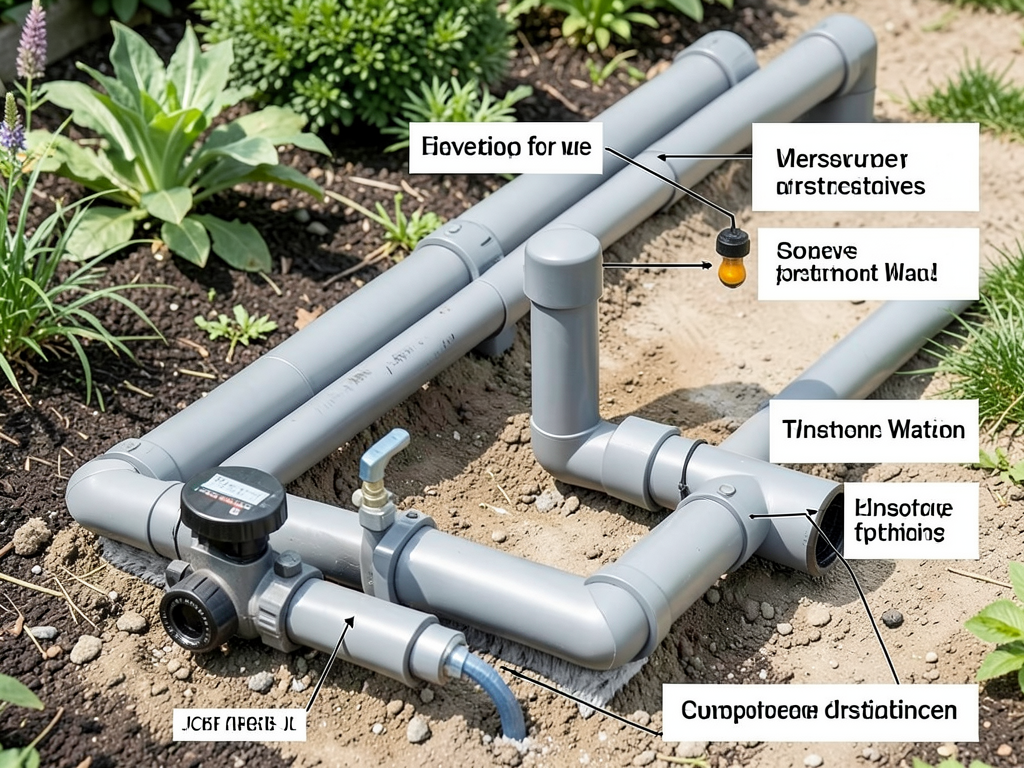
Diagram showing typical gray water system components including diverter valve, filtration unit, distribution piping, and subsurface irrigation network
Professional plumber installing three-way diverter valve on washing machine discharge line with proper backflow prevention devices
Completed gray water irrigation system with subsurface distribution pipes and labeled control valves in Harwood garden
Frequently Asked Questions
Is gray water safe for vegetable gardens?
Gray water is not recommended for vegetables or herbs that will be consumed raw due to potential contamination from soaps and detergents. It works well for ornamental plants, fruit trees, and other landscape vegetation where the edible portions do not contact the irrigation water.
How much maintenance do gray water systems require?
Gray water systems need quarterly filter cleaning, annual professional inspections, and occasional pipe flushing to prevent clogs. The frequency depends on your household’s water usage and the types of soaps used. Systems with surge tanks may require more frequent maintenance to prevent anaerobic conditions.
Can I install a gray water system myself?
DIY installation is not recommended due to complex plumbing code requirements and health safety concerns. Maryland law requires licensed plumbers to handle diverter valve installations and any modifications to potable water systems. Professional installation ensures compliance and protects your family’s health.
What types of soaps can I use with gray water?
Use biodegradable, low-sodium, boron-free soaps and detergents specifically labeled for gray water systems. Avoid products containing bleach, softeners, or high salt content, as these can harm plants and accumulate in soil over time. Many eco-friendly brands now offer gray water-compatible products.
How do I get a permit for a gray water system in Baltimore?
Contact the Baltimore City Department of Public Works or Baltimore County Department of Permits and Development Management to obtain application forms. You’ll need detailed system plans prepared by a licensed plumber, including pipe layouts, backflow prevention specifications, and soil percolation test results for your property.
- Monthly Visual Inspection
Check for leaks, unusual odors, or system malfunctions. Look for wet spots in your garden that might indicate pipe breaks or clogs.
- Quarterly Filter Cleaning
Remove and clean all filters according to manufacturer specifications. Replace any damaged or worn components to maintain proper water flow.
- Bi-Annual System Flush
Run clean water through the entire system to clear any accumulated debris or mineral deposits that could restrict flow.
- Annual Professional Inspection
Have a licensed plumber inspect all components, test backflow prevention devices, and verify compliance with local codes.
- Seasonal Adjustments
Modify irrigation schedules based on seasonal rainfall patterns and plant water requirements. Reduce usage during wet seasons and increase during dry periods.
Gray water recycling offers Harwood homeowners a practical way to reduce water consumption while maintaining beautiful gardens throughout Baltimore’s variable climate. By working with licensed plumbing professionals who understand Maryland’s specific regulations and local soil conditions, you can create a sustainable irrigation system that benefits both your property and the environment.
The investment in professional installation pays dividends through lower water bills, increased property value, and the satisfaction of contributing to Baltimore’s water conservation efforts. As climate patterns continue to shift and water resources face increasing pressure, gray water systems represent a smart adaptation that prepares your home for future sustainability challenges.
Ready to transform your garden with a legal, professional gray water recycling system? Call (443) 443-9099 today to schedule your consultation with a licensed Baltimore plumber who understands local regulations and can design the perfect system for your Harwood home.
Don’t wait until the next drought or water restriction hits Baltimore. Pick up the phone and call (443) 443-9099 before the next storm hits. Our team will assess your property, explain all permit requirements, and provide a detailed quote for a system that meets Maryland Department of the Environment standards while maximizing your water savings potential.
{
“@context”: “https://schema.org”,
“@type”: “BlogPosting”,
“headline”: “Using a Gray Water Recycling System to Water Your Harwood Garden”,
“description”: “Learn how to legally install gray water recycling systems in Harwood Baltimore. Discover Maryland regulations, plant compatibility, and professional installation for sustainable gardening.”,
“wordCount”: 1890,
“datePublished”: “2026-05-13T09:16:00.000Z”,
“dateModified”: “2026-05-13T09:16:00.000Z”,
“inLanguage”: “en-US”,
“mainEntityOfPage”: {
“@type”: “WebPage”,
“@id”: “https://keystoneplumbingbaltimore.com”
},
“publisher”: {
“@type”: “LocalBusiness”,
“name”: “Keystone Plumbing Baltimore”,
“url”: “https://keystoneplumbingbaltimore.com”
},
“author”: {
“@type”: “Organization”,
“name”: “Keystone Plumbing Baltimore”,
“url”: “https://keystoneplumbingbaltimore.com”
},
“image”: {
“@type”: “ImageObject”,
“url”: “https://keystoneplumbingbaltimore.com/wp-content/uploads/2026/03/using-a-gray-water-recycling-system-to-water-your-1.png”
}
}
{
“@context”: “https://schema.org”,
“@type”: “Plumber”,
“name”: “Keystone Plumbing Baltimore”,
“url”: “https://keystoneplumbingbaltimore.com”,
“address”: {
“@type”: “PostalAddress”,
“addressLocality”: “Baltimore”
},
“areaServed”: {
“@type”: “City”,
“name”: “Baltimore”
}
}
{
“@context”: “https://schema.org”,
“@type”: “FAQPage”,
“mainEntity”: [
{
“@type”: “Question”,
“name”: “Is gray water safe for vegetable gardens?”,
“acceptedAnswer”: {
“@type”: “Answer”,
“text”: “Gray water is not recommended for vegetables or herbs that will be consumed raw due to potential contamination from soaps and detergents. It works well for ornamental plants, fruit trees, and other landscape vegetation where the edible portions do not contact the irrigation water.”
}
},
{
“@type”: “Question”,
“name”: “How much maintenance do gray water systems require?”,
“acceptedAnswer”: {
“@type”: “Answer”,
“text”: “Gray water systems need quarterly filter cleaning, annual professional inspections, and occasional pipe flushing to prevent clogs. The frequency depends on your household’s water usage and the types of soaps used. Systems with surge tanks may require more frequent maintenance to prevent anaerobic conditions.”
}
},
{
“@type”: “Question”,
“name”: “Can I install a gray water system myself?”,
“acceptedAnswer”: {
“@type”: “Answer”,
“text”: “DIY installation is not recommended due to complex plumbing code requirements and health safety concerns. Maryland law requires licensed plumbers to handle diverter valve installations and any modifications to potable water systems. Professional installation ensures compliance and protects your family’s health.”
}
},
{
“@type”: “Question”,
“name”: “What types of soaps can I use with gray water?”,
“acceptedAnswer”: {
“@type”: “Answer”,
“text”: “Use biodegradable, low-sodium, boron-free soaps and detergents specifically labeled for gray water systems. Avoid products containing bleach, softeners, or high salt content, as these can harm plants and accumulate in soil over time. Many eco-friendly brands now offer gray water-compatible products.”
}
},
{
“@type”: “Question”,
“name”: “How do I get a permit for a gray water system in Baltimore?”,
“acceptedAnswer”: {
“@type”: “Answer”,
“text”: “Contact the Baltimore City Department of Public Works or Baltimore County Department of Permits and Development Management to obtain application forms. You’ll need detailed system plans prepared by a licensed plumber, including pipe layouts, backflow prevention specifications, and soil percolation test results for your property.”
}
}
]
}
{
“@context”: “https://schema.org”,
“@type”: “HowTo”,
“name”: “How to Maintain Your Gray Water System”,
“step”: [
{
“@type”: “HowToStep”,
“position”: 1,
“name”: “Monthly Visual Inspection”,
“text”: “Check for leaks, unusual odors, or system malfunctions. Look for wet spots in your garden that might indicate pipe breaks or clogs.”
},
{
“@type”: “HowToStep”,
“position”: 2,
“name”: “Quarterly Filter Cleaning”,
“text”: “Remove and clean all filters according to manufacturer specifications. Replace any damaged or worn components to maintain proper water flow.”
},
{
“@type”: “HowToStep”,
“position”: 3,
“name”: “Bi-Annual System Flush”,
“text”: “Run clean water through the entire system to clear any accumulated debris or mineral deposits that could restrict flow.”
},
{
“@type”: “HowToStep”,
“position”: 4,
“name”: “Annual Professional Inspection”,
“text”: “Have a licensed plumber inspect all components, test backflow prevention devices, and verify compliance with local codes.”
},
{
“@type”: “HowToStep”,
“position”: 5,
“name”: “Seasonal Adjustments”,
“text”: “Modify irrigation schedules based on seasonal rainfall patterns and plant water requirements. Reduce usage during wet seasons and increase during dry periods.”
}
],
“image”: “https://keystoneplumbingbaltimore.com/wp-content/uploads/2026/03/using-a-gray-water-recycling-system-to-water-your-1.png”
}
{
“@context”: “https://schema.org”,
“@type”: “BreadcrumbList”,
“itemListElement”: [
{
“@type”: “ListItem”,
“position”: 1,
“name”: “Home”,
“item”: “https://keystoneplumbingbaltimore.com”
},
{
“@type”: “ListItem”,
“position”: 2,
“name”: “Blog”,
“item”: “https://keystoneplumbingbaltimore.com/blog”
},
{
“@type”: “ListItem”,
“position”: 3,
“name”: “Using a Gray Water Recycling System to Water Your Harwood Garden”
}
]
}
{
“@context”: “https://schema.org”,
“@type”: “Service”,
“serviceType”: “Plumbing”,
“provider”: {
“@type”: “LocalBusiness”,
“name”: “Keystone Plumbing Baltimore”,
“url”: “https://keystoneplumbingbaltimore.com”
},
“areaServed”: {
“@type”: “City”,
“name”: “Baltimore”
},
“description”: “Learn how to legally install gray water recycling systems in Harwood Baltimore. Discover Maryland regulations, plant compatibility, and professional installation for sustainable gardening.”
}