
The Essential Plumbing Maintenance Checklist for Landlords in Charles Village
Charles Village landlords face unique plumbing challenges in Baltimore’s historic row home district. From aging galvanized pipes to clay sewer laterals, your rental property needs proactive maintenance to prevent tenant complaints and costly emergency repairs. This comprehensive checklist covers everything you need to know about Baltimore-specific plumbing requirements, seasonal maintenance tasks, and legal responsibilities to protect your investment. Baltimore City Department of Public Works.
Why Baltimore Landlords Can’t Ignore Plumbing Maintenance
Charles Village’s historic housing stock creates specific vulnerabilities that modern plumbing systems don’t face. Many properties built before 1950 contain galvanized steel pipes that corrode from the inside out, reducing water pressure and creating rust-colored water. The neighborhood’s clay soil expands and contracts with moisture changes, stressing underground connections and causing slab leaks in basement apartments. Fast Water Heater Replacement for Homeowners in Towson and Lutherville.
Baltimore City’s combined sewer system adds another layer of complexity. During heavy rainfall, the system can back up into older homes without proper backflow preventers. Properties near Wyman Park and the Johns Hopkins campus often experience this issue first due to their proximity to main sewer lines. Trenchless Sewer Line Repair for Historic Homes in Roland Park.
According to the Baltimore City Department of Public Works, landlords must maintain all plumbing systems in rental properties to ensure tenant safety and prevent water damage to neighboring units. The city’s rental license inspection program specifically checks for functional water heaters, proper drainage, and leak-free fixtures. Fixing Low Water Pressure in Your Locust Point Rowhome.
Seasonal Plumbing Checklist for Baltimore Rentals
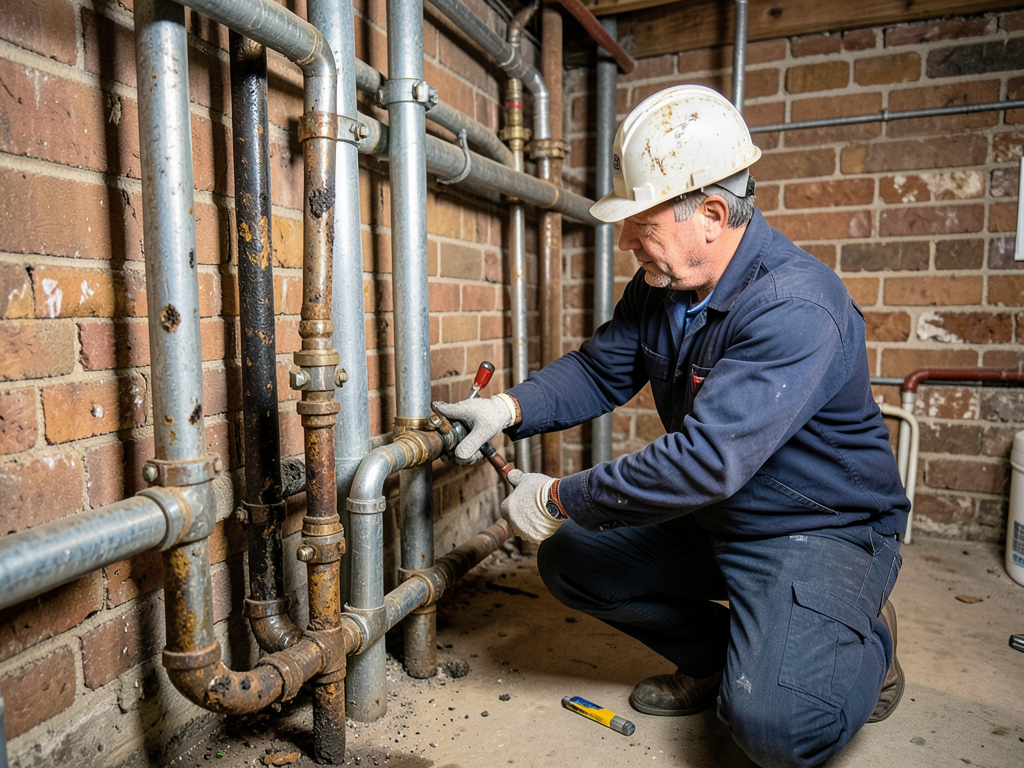
Baltimore’s climate demands different maintenance tasks throughout the year. The freeze-thaw cycles common in Maryland winters can burst pipes in uninsulated crawl spaces, while summer humidity creates perfect conditions for mold growth in dark cabinet spaces. Maryland Department of Housing and Community Development.
Fall/Winter Maintenance Tasks
- Inspect and insulate all exposed pipes in basements, crawl spaces, and attics
- Test outdoor hose bib shut-off valves and drain remaining water
- Check water heater temperature and pressure relief valve operation
- Clear gutters and downspouts to prevent ice dams on roof drainage
- Schedule professional drain cleaning to prevent holiday season backups
Spring/Summer Maintenance Tasks
- Test sump pump operation and battery backup system
- Inspect AC condensate lines for algae buildup and clear if necessary
- Check for toilet leaks using food coloring test in tank
- Examine washing machine hoses for bulges or cracks
- Clean faucet aerators to remove mineral deposits from Baltimore’s hard water
Baltimore’s water hardness averages 7-9 grains per gallon, causing mineral buildup that reduces water heater efficiency by up to 30% over five years. Flushing your water heater annually removes sediment and extends its lifespan beyond the typical 8-12 years for rental properties.. Read more about How to Read Your Baltimore City Water Meter to Find Hidden Leaks.
Tenant vs. Landlord Responsibilities
Maryland landlord-tenant law requires landlords to provide and maintain plumbing systems in good working order. However, tenants must report problems promptly and avoid causing damage through misuse. Understanding these boundaries prevents disputes and ensures proper maintenance.. Read more about Understanding Shared Plumbing Responsibilities for Condo Owners in Harbor East.
Landlord responsibilities include:
- Main sewer line maintenance and repairs
- Water heater replacement and repair
- Fixing leaks in supply lines and drain pipes
- Maintaining functional toilets, sinks, and showers
- Ensuring proper water pressure and temperature
Tenant responsibilities include:
- Reporting leaks, clogs, and malfunctions immediately
- Avoiding flushing inappropriate items down toilets
- Using garbage disposals properly and avoiding grease disposal
- Preventing damage from freezing by keeping heat on during winter absences
- Replacing minor components like toilet flappers if they break
The Maryland Department of Housing and Community Development enforces habitability standards that require functional plumbing as a basic necessity. Failure to maintain these systems can result in rent withholding by tenants and potential legal action.
Common Issues in Historic Baltimore Properties
Charles Village’s architectural heritage creates specific plumbing challenges. Many row homes feature original lead service lines that violate current EPA standards and require replacement. The neighborhood’s mature tree canopy causes frequent sewer line intrusions from root systems seeking moisture in aging clay pipes.. Read more about The Health Risks of Sewer Gas Leaks in Older Properties Near Druid Hill Park.
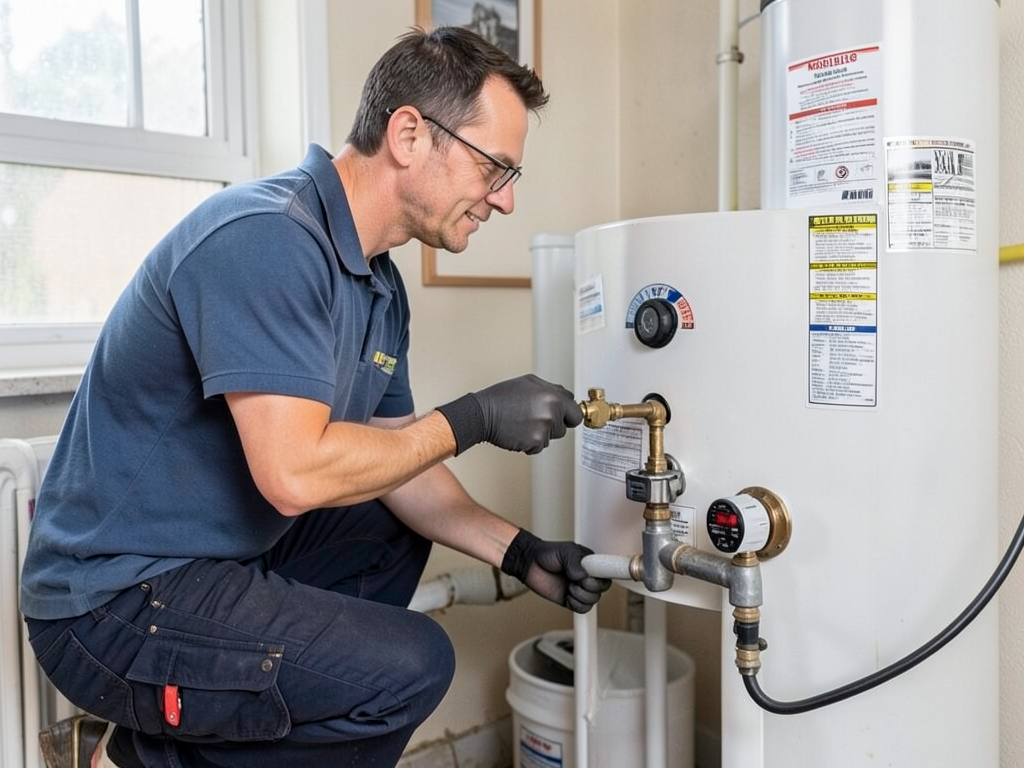
Galvanized steel pipes, common in homes built before 1960, corrode internally over decades. This creates reduced water pressure, rust-colored water, and eventual pipe failure. These pipes typically last 40-50 years, meaning many Charles Village properties are due for complete replacement.. Read more about Why Your Water Heater in Dundalk Makes Popping Sounds (and How to Fix It).
Clay sewer laterals, another common feature, crack and separate at the joints over time. Tree roots infiltrate these cracks, creating recurring clogs that require professional hydro-jetting or complete line replacement. A camera inspection can identify these issues before they cause sewage backups. Professional Drain Cleaning Services to Clear Stubborn Clogs in Federal Hill.
Polybutylene piping, found in some mid-century renovations, is particularly problematic. This gray plastic piping becomes brittle and fails without warning, causing extensive water damage. The material was discontinued in the mid-1990s due to widespread failures.
Professional Preventative Maintenance Plans
Annual professional inspections catch problems before they become emergencies. A comprehensive maintenance plan for Charles Village rentals should include water heater flushing, drain cleaning, and system pressure testing to identify weak points.
Water heater maintenance involves draining the tank to remove sediment, testing the pressure relief valve, and inspecting the anode rod. This simple service extends water heater life by 3-5 years and prevents the 40-gallon floods common when aging units fail.
Drain cleaning using hydro-jetting removes buildup that causes slow drains and eventual complete blockages. This service is particularly important for properties with multiple tenants who may flush inappropriate items.
System pressure testing identifies leaks in supply lines before they cause visible damage. Even small leaks waste water and create conditions for mold growth behind walls.
Backflow preventer testing ensures your property’s plumbing system doesn’t contaminate the municipal water supply during pressure fluctuations. Baltimore City requires annual testing for properties with these devices.
Emergency Response Planning
Every rental property needs clear emergency procedures for plumbing failures. Create a one-page emergency guide for tenants showing the location of main water shut-off valves and basic troubleshooting steps. Who to Call for an Emergency Pipe Burst in Canton Right Now.
Main shut-off valve locations vary by property age and configuration. In many Charles Village row homes, the main valve is located in the basement near the front of the house. Some properties have individual unit shut-offs, while others require shutting off the entire building.
Emergency contact information should include your preferred plumber’s 24/7 number, instructions for shutting off water to individual fixtures, and steps to minimize water damage while waiting for professional help.
Consider installing water leak detection systems that automatically shut off supply lines when leaks are detected. These systems prevent extensive damage from failed washing machine hoses or corroded supply lines.
Cost-Benefit Analysis of Maintenance vs. Emergency Repairs
Preventative maintenance costs $200-500 annually per property, while emergency repairs average $1,500-5,000 plus water damage restoration. The math is clear: spending $300 on annual maintenance prevents $3,000 emergency calls.
Emergency repairs often occur during nights, weekends, or holidays when premium rates apply. A burst pipe at 2 AM on Christmas morning costs 2-3 times more than the same repair on a Tuesday afternoon.
Water damage restoration adds significant costs to plumbing emergencies. A single toilet supply line failure can damage flooring, drywall, and cabinetry, creating a $5,000-15,000 restoration project beyond the plumbing repair itself.
Tenant satisfaction and retention also factor into the equation. Properties with reliable plumbing systems maintain higher occupancy rates and command premium rents compared to buildings with frequent maintenance issues.
Local Code Compliance and Inspections
Baltimore City requires rental licenses for all rental properties, with plumbing inspections as a key component. The inspection checks for functional water heaters, proper drainage, leak-free fixtures, and adequate water pressure.
Maryland State Board of Plumbing licensing requires all plumbing work to be performed by licensed professionals. DIY repairs or unlicensed work can result in failed inspections, fines, and the need to redo work properly.
Lead and copper rule compliance affects properties with lead service lines or copper pipes installed before 1986. Testing may be required, and replacement might be necessary to meet EPA standards.
Backflow preventer installation and testing requirements apply to properties with specific plumbing configurations or fire sprinkler systems. Annual testing by certified professionals is mandatory.
Building code requirements for plumbing fixtures have evolved over decades. Older properties may need updates to meet current standards for things like anti-scald valves, proper venting, and adequate drainage.
Water Conservation and Efficiency
Installing low-flow fixtures reduces water consumption and utility costs while maintaining tenant satisfaction. Modern low-flow toilets use 1.28 gallons per flush compared to 3-5 gallons for older models, saving 20,000+ gallons annually per unit.
Low-flow showerheads maintain pressure while reducing water usage by 40%. These fixtures pay for themselves through utility savings within 6-12 months.
High-efficiency washing machines use 13 gallons per load versus 23 gallons for standard models. The water savings add up quickly in multi-tenant properties.
Smart water meters can detect unusual usage patterns that indicate leaks. These systems send alerts to property managers, allowing quick response to problems that might otherwise go unnoticed for weeks.
Rain barrels and other rainwater harvesting systems can reduce outdoor water usage for properties with landscaping. This is particularly relevant for properties near Wyman Park or other green spaces.
Tenant Education and Communication
Clear communication prevents many plumbing issues. Provide tenants with a welcome packet that includes basic plumbing maintenance tips, emergency contact information, and guidelines for proper fixture use.
Regular maintenance reminders help tenants understand their role in preventing problems. Seasonal emails about winter pipe protection or summer AC condensate line cleaning keep tenants engaged in property care.
Emergency procedures should be simple and clear. Create a one-page guide showing how to shut off water to individual fixtures and what steps to take when problems occur.
Maintenance request procedures should be straightforward. Online portals or simple phone numbers make it easy for tenants to report problems before they become emergencies.
Regular property inspections, conducted with proper notice, allow you to identify developing problems before tenants notice them. These inspections also provide opportunities to check for proper fixture use and maintenance.
Technology Integration for Modern Property Management
Smart home technology offers new tools for plumbing maintenance. Water leak sensors placed under sinks, near water heaters, and in basements can detect problems within minutes rather than days.
Remote monitoring systems track water usage patterns and can identify anomalies that suggest leaks. These systems send alerts to property managers’ phones, enabling quick response.
Digital maintenance logs track when services were performed and what issues were found. This documentation helps with planning future maintenance and provides records for code inspections.
Tenant communication apps streamline maintenance requests and keep all parties informed about repair status. These tools reduce miscommunication and ensure problems are addressed promptly.
Property management software can schedule recurring maintenance tasks and send reminders when services are due. This automation ensures important maintenance isn’t overlooked.
Building Long-Term Value Through Plumbing Maintenance
Well-maintained plumbing systems increase property values and reduce vacancy rates. Prospective tenants notice the difference between properties with reliable plumbing and those with frequent issues.
Insurance companies often offer premium discounts for properties with documented maintenance programs and modern plumbing systems. These savings can offset maintenance costs.
Energy-efficient plumbing fixtures reduce utility costs, improving the property’s overall operating efficiency. These savings directly impact your bottom line.
Properties with modern, reliable plumbing systems command higher rents and experience lower turnover. The investment in maintenance pays dividends through increased revenue and reduced costs.
Future buyers value properties with well-documented maintenance histories and modern plumbing systems. This documentation can increase resale value and reduce due diligence concerns.
Frequently Asked Questions
How often should I have my rental property’s plumbing inspected?
Professional plumbing inspections should be conducted annually, with seasonal maintenance checks every 3-4 months. Properties with multiple tenants or older systems may benefit from more frequent inspections.
What are the most common plumbing emergencies in Baltimore rentals?
Burst pipes during winter freezes, sewage backups during heavy rainfall, water heater failures, and washing machine hose bursts are the most frequent emergencies. Many of these can be prevented with proper maintenance.
Can I require tenants to pay for plumbing repairs caused by misuse?
Yes, Maryland law allows landlords to charge tenants for damage caused by negligence or misuse. However, normal wear and tear remains the landlord’s responsibility. Clear lease agreements and documentation help prevent disputes.
How do I know if my property has lead service lines?
Properties built before 1950 often have lead service lines. You can check by locating the water meter and examining the pipe entering your building. If it’s gray, doesn’t attract a magnet, and is easily scratched, it may be lead. Professional testing can confirm this.
What should I do if a tenant reports a plumbing problem after hours?
Have an emergency contact procedure in place. For true emergencies like burst pipes or sewage backups, tenants should have 24/7 access to emergency plumbing services. For non-emergencies, establish clear procedures for after-hours reporting and next-business-day response.
How much does preventative plumbing maintenance typically cost?
Annual preventative maintenance for a typical rental property ranges from $200-500, depending on property size and system complexity. This includes water heater flushing, drain cleaning, and basic system inspection. Emergency repairs without maintenance average $1,500-5,000.
Conclusion
Charles Village landlords who invest in preventative plumbing maintenance protect their properties, satisfy tenants, and avoid costly emergencies. The neighborhood’s historic housing stock demands proactive care, from addressing aging galvanized pipes to preventing sewer backups during heavy rainfall.
Following this comprehensive checklist ensures you meet Baltimore City rental license requirements while protecting your investment from the most common plumbing failures. Remember that $300 in annual maintenance prevents $3,000 emergency repairs and keeps your tenants happy.
Don’t wait for a midnight emergency to realize your plumbing system needs attention. Call (443) 443-9099 today to schedule your comprehensive plumbing inspection and maintenance service. Our licensed Baltimore plumbers understand the unique challenges of Charles Village properties and can help you create a maintenance plan that protects your investment for years to come.
Pick up the phone and call (443) 443-9099 before the next freeze hits. Your tenants and your wallet will thank you.
{
“@context”: “https://schema.org”,
“@type”: “BlogPosting”,
“headline”: “The Essential Plumbing Maintenance Checklist for Landlords in Charles Village”,
“description”: “Protect your rental investment in Charles Village with this essential plumbing maintenance checklist. Learn local codes, tenant responsibilities, and preventative care to avoid costly emergencies.”,
“wordCount”: 2338,
“datePublished”: “2026-05-29T08:47:00.000Z”,
“dateModified”: “2026-05-29T08:47:00.000Z”,
“inLanguage”: “en-US”,
“mainEntityOfPage”: {
“@type”: “WebPage”,
“@id”: “https://keystoneplumbingbaltimore.com”
},
“publisher”: {
“@type”: “LocalBusiness”,
“name”: “Keystone Plumbing Baltimore”,
“url”: “https://keystoneplumbingbaltimore.com”
},
“author”: {
“@type”: “Organization”,
“name”: “Keystone Plumbing Baltimore”,
“url”: “https://keystoneplumbingbaltimore.com”
},
“image”: {
“@type”: “ImageObject”,
“url”: “https://keystoneplumbingbaltimore.com/wp-content/uploads/2026/03/the-essential-plumbing-maintenance-checklist-for-l-1.png”
}
}
{
“@context”: “https://schema.org”,
“@type”: “Plumber”,
“name”: “Keystone Plumbing Baltimore”,
“url”: “https://keystoneplumbingbaltimore.com”,
“address”: {
“@type”: “PostalAddress”,
“addressLocality”: “Baltimore”
},
“areaServed”: {
“@type”: “City”,
“name”: “Baltimore”
}
}
{
“@context”: “https://schema.org”,
“@type”: “FAQPage”,
“mainEntity”: [
{
“@type”: “Question”,
“name”: “How often should I have my rental property’s plumbing inspected?”,
“acceptedAnswer”: {
“@type”: “Answer”,
“text”: “Professional plumbing inspections should be conducted annually, with seasonal maintenance checks every 3-4 months. Properties with multiple tenants or older systems may benefit from more frequent inspections.”
}
},
{
“@type”: “Question”,
“name”: “What are the most common plumbing emergencies in Baltimore rentals?”,
“acceptedAnswer”: {
“@type”: “Answer”,
“text”: “Burst pipes during winter freezes, sewage backups during heavy rainfall, water heater failures, and washing machine hose bursts are the most frequent emergencies. Many of these can be prevented with proper maintenance.”
}
},
{
“@type”: “Question”,
“name”: “Can I require tenants to pay for plumbing repairs caused by misuse?”,
“acceptedAnswer”: {
“@type”: “Answer”,
“text”: “Yes, Maryland law allows landlords to charge tenants for damage caused by negligence or misuse. However, normal wear and tear remains the landlord’s responsibility. Clear lease agreements and documentation help prevent disputes.”
}
},
{
“@type”: “Question”,
“name”: “How do I know if my property has lead service lines?”,
“acceptedAnswer”: {
“@type”: “Answer”,
“text”: “Properties built before 1950 often have lead service lines. You can check by locating the water meter and examining the pipe entering your building. If it’s gray, doesn’t attract a magnet, and is easily scratched, it may be lead. Professional testing can confirm this.”
}
},
{
“@type”: “Question”,
“name”: “What should I do if a tenant reports a plumbing problem after hours?”,
“acceptedAnswer”: {
“@type”: “Answer”,
“text”: “Have an emergency contact procedure in place. For true emergencies like burst pipes or sewage backups, tenants should have 24/7 access to emergency plumbing services. For non-emergencies, establish clear procedures for after-hours reporting and next-business-day response.”
}
},
{
“@type”: “Question”,
“name”: “How much does preventative plumbing maintenance typically cost?”,
“acceptedAnswer”: {
“@type”: “Answer”,
“text”: “Annual preventative maintenance for a typical rental property ranges from $200-500, depending on property size and system complexity. This includes water heater flushing, drain cleaning, and basic system inspection. Emergency repairs without maintenance average $1,500-5,000.”
}
}
]
}
{
“@context”: “https://schema.org”,
“@type”: “BreadcrumbList”,
“itemListElement”: [
{
“@type”: “ListItem”,
“position”: 1,
“name”: “Home”,
“item”: “https://keystoneplumbingbaltimore.com”
},
{
“@type”: “ListItem”,
“position”: 2,
“name”: “Blog”,
“item”: “https://keystoneplumbingbaltimore.com/blog”
},
{
“@type”: “ListItem”,
“position”: 3,
“name”: “The Essential Plumbing Maintenance Checklist for Landlords in Charles Village”
}
]
}
{
“@context”: “https://schema.org”,
“@type”: “Service”,
“serviceType”: “Plumbing”,
“provider”: {
“@type”: “LocalBusiness”,
“name”: “Keystone Plumbing Baltimore”,
“url”: “https://keystoneplumbingbaltimore.com”
},
“areaServed”: {
“@type”: “City”,
“name”: “Baltimore”
},
“description”: “Protect your rental investment in Charles Village with this essential plumbing maintenance checklist. Learn local codes, tenant responsibilities, and preventative care to avoid costly emergencies.”
}