
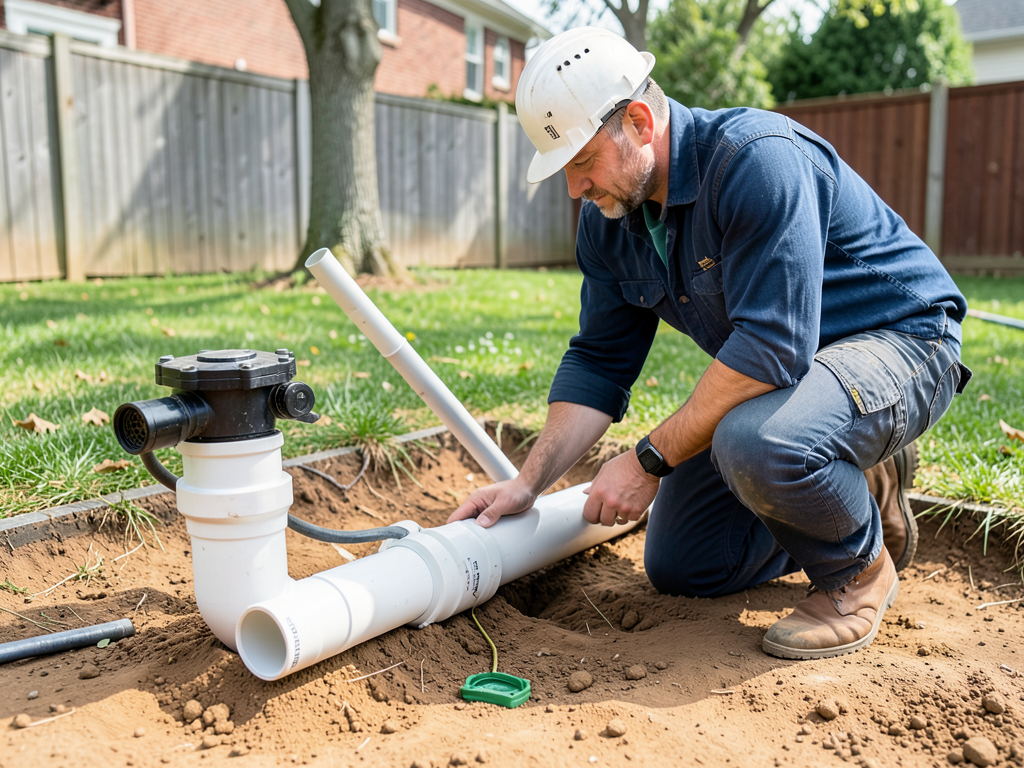
Protecting Your Backyard Landscaping from Sump Pump Discharge in Roland Park
Roland Park homeowners know the frustration of watching a manicured lawn turn into a swampy mess every time the sump pump kicks on. Heavy clay soil combined with Maryland’s wet seasons creates a perfect storm for basement flooding and yard drainage disasters. The good news is that with the right discharge solutions, you can protect both your basement and your backyard landscaping from water damage. Fast Water Heater Replacement for Homeowners in Towson and Lutherville.
Professional sump pump discharge installation prevents water from flowing back toward your foundation while keeping your Roland Park lawn dry and usable. Whether you’re dealing with frozen discharge lines in winter or constant pooling in spring, understanding local soil conditions and Baltimore County regulations is essential for a lasting solution. Baltimore County Plumbing Code.
Common Sump Pump Discharge Problems for Baltimore Homeowners
Many Roland Park properties face unique drainage challenges due to the area’s heavy clay soil composition. This soil type drains slowly, causing water to pool on the surface rather than soaking in. When your sump pump discharges just a few feet from your foundation, that water often seeps right back down and triggers another pump cycle. Fixing Low Water Pressure in Your Locust Point Rowhome.
Winter brings another set of problems. Maryland’s freeze-thaw cycles can cause discharge pipes to freeze solid, backing up water into your basement. The Baltimore clay retains moisture longer than sandy soils, making frozen pipes more likely to burst when ice expands inside them. Who to Call for an Emergency Pipe Burst in Canton Right Now.
Neighbor disputes over runoff are surprisingly common in Roland Park’s older neighborhoods. Water flowing onto adjacent properties can create liability issues and strain relationships. Proper discharge routing keeps water on your property while preventing erosion and foundation damage.
Effective Discharge Methods We Install
Pop-up Emitters: Benefits and Maryland Frost Line Considerations
Pop-up emitters provide a simple yet effective way to disperse sump pump discharge across your lawn. These devices remain flush with the ground when inactive and pop up under pressure to release water away from your foundation. For Roland Park’s clay soil, we install emitters at least 24 inches deep to account for Maryland’s frost line requirements.
The key advantage of pop-up systems is their ability to spread water over a larger area, reducing the risk of pooling. We use Schedule 40 PVC piping for durability and connect it to commercial-grade emitters that won’t crack in freezing temperatures. The pop-up mechanism prevents debris from entering the pipe while allowing water to escape freely.
Dry Wells: Managing Runoff Within Property Lines
Dry wells offer an excellent solution for Roland Park properties where surface discharge isn’t practical. These underground chambers collect sump pump water and slowly disperse it into the surrounding soil. For Baltimore’s clay conditions, we install larger dry wells with perforated sides to maximize absorption capacity.
A properly sized dry well prevents water from backing up into your basement while keeping your lawn dry. We calculate the required volume based on your pump’s output rate and local soil absorption rates. Most Roland Park installations include a gravel backfill layer to improve drainage around the dry well structure. Professional Drain Cleaning Services to Clear Stubborn Clogs in Federal Hill.
French Drain Integration: Total Basement Waterproofing
French drains work exceptionally well in Roland Park’s older homes where basement water intrusion is a persistent problem. These systems collect water from both your sump pump and surrounding soil, directing it away from your foundation through a network of perforated pipes surrounded by gravel.
We integrate French drains with your existing sump pump discharge to create a comprehensive waterproofing system. The pipes are installed below the frost line to prevent freezing, and the gravel bed provides additional filtration to keep the system clear of sediment. This approach is particularly effective for properties near the Stony Run stream where groundwater levels fluctuate seasonally.
Municipal Connections: Baltimore County Regulations and Permits
Connecting your sump pump to the municipal storm sewer system requires compliance with Baltimore County Plumbing Code Article 21. This code mandates specific pipe sizing, backflow prevention, and permit requirements for any connection to public utilities. We handle all permitting and ensure your installation meets local standards. Trenchless Sewer Line Repair for Historic Homes in Roland Park.
Direct connections to sanitary sewers are prohibited under Maryland law due to environmental regulations. Instead, we route water to storm drains or create approved on-site disposal systems. Our team understands the permitting process for Roland Park properties, which often require additional documentation due to the area’s historic designation.
Why Soil Composition Matters: The Baltimore Clay Factor
Roland Park sits on dense clay soil that significantly impacts drainage system performance. Unlike sandy soils that drain quickly, clay retains water and expands when saturated. This expansion puts pressure on foundation walls and creates hydrostatic pressure that forces water through basement walls.
The clay’s low permeability means that standard discharge pipes must be sized larger and installed deeper than in other regions. We typically use 4-inch Schedule 40 PVC pipes instead of the minimum 3-inch size, providing extra capacity for heavy rainfall events common in Baltimore.
Soil testing reveals that Roland Park’s clay contains high levels of montmorillonite, a mineral that expands up to 15 times its dry volume when wet. This expansion-contraction cycle causes foundation movement and creates cracks that allow water intrusion. Our discharge solutions account for these soil characteristics by providing redundant drainage paths and freeze protection.
Maintenance Tips to Prevent Basement Flooding
Regular maintenance prevents most sump pump failures and ensures your discharge system works when you need it most. Test your system monthly by pouring water into the sump pit until the pump activates. Listen for unusual noises that might indicate bearing wear or impeller damage.
Clean the sump pit annually to remove sediment and debris that can clog the pump or discharge pipes. Check the check valve for proper operation by observing whether water flows back into the pit when the pump shuts off. A failing check valve allows water to recycle, causing unnecessary pump wear.
Inspect discharge pipes seasonally for cracks, sagging sections, or blockages. In Roland Park’s mature neighborhoods, tree roots often infiltrate underground pipes, causing slow drainage or complete blockages. We recommend installing cleanout access points every 50 feet for easy maintenance and emergency clearing.
During fall, clear leaves and debris from discharge areas to prevent freezing and clogging. In winter, monitor discharge outlets for ice buildup and consider installing heat tape on exposed pipes in particularly vulnerable locations.
Schedule a Professional Inspection
Don’t wait for the next heavy rain to discover problems with your sump pump system. A professional inspection identifies potential failures before they cause basement flooding or landscape damage. Our technicians evaluate your entire discharge system, from the pump itself to the final outlet point.
We serve Roland Park and surrounding Baltimore neighborhoods including Guilford, Homeland, and Wyndhurst. Our team understands the specific challenges these areas face, from historic home foundations to modern drainage requirements. We provide detailed reports with recommendations for improvements or repairs. EPA Septic System Maintenance.
Call (443) 443-9099 today to schedule your sump pump inspection. Our emergency response team is available 24/7 for urgent situations, and we offer same-day service for most Roland Park appointments. Protect your home’s foundation and keep your lawn looking its best year-round.
Frequently Asked Questions
How deep should sump pump discharge pipes be buried in Roland Park?
Discharge pipes should be buried at least 24 inches deep to account for Maryland’s frost line requirements. In Roland Park’s clay soil, we often install pipes 30 inches deep for added protection against freezing and to accommodate soil expansion.
Can I connect my sump pump directly to the storm drain?
Direct connections to storm drains are allowed in Baltimore County but require proper permits and backflow prevention devices. We handle all permitting and ensure your installation meets Baltimore County Plumbing Code Article 21 requirements.
How often should I test my sump pump system?
Test your system monthly by pouring water into the sump pit until the pump activates. Perform a comprehensive inspection annually, including checking discharge pipes, cleaning the sump pit, and testing the check valve operation.
What size discharge pipe do I need for my sump pump?
For most residential applications in Roland Park, we recommend 4-inch Schedule 40 PVC pipes. The heavy clay soil requires larger pipes to handle peak flow rates during heavy rainfall events common in the Baltimore area.
How can I prevent my discharge pipes from freezing in winter?
Install pipes below the frost line (24-30 inches deep), use insulated pipes in exposed areas, and consider heat tape for vulnerable sections. Pop-up emitters with built-in freeze protection and proper slope to prevent standing water also help prevent freezing.
Is it normal for my sump pump to run frequently during rainy seasons?
Frequent operation during wet weather is normal, but constant cycling even in dry conditions indicates problems. Check for proper check valve operation, ensure discharge pipes are clear, and verify that water isn’t flowing back toward your foundation.
How long do sump pump discharge systems typically last?
With proper maintenance, discharge pipes and components typically last 15-20 years. Pumps themselves usually need replacement every 7-10 years. Regular inspections help identify wear before system failure occurs.
What’s the difference between a pop-up emitter and a dry well?
Pop-up emitters disperse water across the lawn’s surface when activated, while dry wells collect and slowly disperse water underground. Pop-up systems work best for properties with good surface drainage, while dry wells are ideal for Roland Park’s clay soil conditions where surface absorption is limited.
{
“@context”: “https://schema.org”,
“@type”: “BlogPosting”,
“headline”: “Protecting Your Backyard Landscaping from Sump Pump Discharge in Roland Park”,
“description”: “Stop sump pump runoff from ruining your Roland Park lawn. Learn Baltimore-specific discharge solutions that protect your landscaping and comply with local codes.”,
“wordCount”: 1618,
“datePublished”: “2026-06-03T11:52:00.000Z”,
“dateModified”: “2026-06-03T11:52:00.000Z”,
“inLanguage”: “en-US”,
“mainEntityOfPage”: {
“@type”: “WebPage”,
“@id”: “https://keystoneplumbingbaltimore.com”
},
“publisher”: {
“@type”: “LocalBusiness”,
“name”: “Keystone Plumbing Baltimore”,
“url”: “https://keystoneplumbingbaltimore.com”
},
“author”: {
“@type”: “Organization”,
“name”: “Keystone Plumbing Baltimore”,
“url”: “https://keystoneplumbingbaltimore.com”
},
“image”: {
“@type”: “ImageObject”,
“url”: “https://keystoneplumbingbaltimore.com/wp-content/uploads/2026/03/protecting-your-backyard-landscaping-from-sump-pum-1.png”
}
}
{
“@context”: “https://schema.org”,
“@type”: “Plumber”,
“name”: “Keystone Plumbing Baltimore”,
“url”: “https://keystoneplumbingbaltimore.com”,
“address”: {
“@type”: “PostalAddress”,
“addressLocality”: “Baltimore”
},
“areaServed”: {
“@type”: “City”,
“name”: “Baltimore”
}
}
{
“@context”: “https://schema.org”,
“@type”: “FAQPage”,
“mainEntity”: [
{
“@type”: “Question”,
“name”: “How deep should sump pump discharge pipes be buried in Roland Park?”,
“acceptedAnswer”: {
“@type”: “Answer”,
“text”: “Discharge pipes should be buried at least 24 inches deep to account for Maryland’s frost line requirements. In Roland Park’s clay soil, we often install pipes 30 inches deep for added protection against freezing and to accommodate soil expansion.”
}
},
{
“@type”: “Question”,
“name”: “Can I connect my sump pump directly to the storm drain?”,
“acceptedAnswer”: {
“@type”: “Answer”,
“text”: “Direct connections to storm drains are allowed in Baltimore County but require proper permits and backflow prevention devices. We handle all permitting and ensure your installation meets Baltimore County Plumbing Code Article 21 requirements.”
}
},
{
“@type”: “Question”,
“name”: “How often should I test my sump pump system?”,
“acceptedAnswer”: {
“@type”: “Answer”,
“text”: “Test your system monthly by pouring water into the sump pit until the pump activates. Perform a comprehensive inspection annually, including checking discharge pipes, cleaning the sump pit, and testing the check valve operation.”
}
},
{
“@type”: “Question”,
“name”: “What size discharge pipe do I need for my sump pump?”,
“acceptedAnswer”: {
“@type”: “Answer”,
“text”: “For most residential applications in Roland Park, we recommend 4-inch Schedule 40 PVC pipes. The heavy clay soil requires larger pipes to handle peak flow rates during heavy rainfall events common in the Baltimore area.”
}
},
{
“@type”: “Question”,
“name”: “How can I prevent my discharge pipes from freezing in winter?”,
“acceptedAnswer”: {
“@type”: “Answer”,
“text”: “Install pipes below the frost line (24-30 inches deep), use insulated pipes in exposed areas, and consider heat tape for vulnerable sections. Pop-up emitters with built-in freeze protection and proper slope to prevent standing water also help prevent freezing.”
}
},
{
“@type”: “Question”,
“name”: “Is it normal for my sump pump to run frequently during rainy seasons?”,
“acceptedAnswer”: {
“@type”: “Answer”,
“text”: “Frequent operation during wet weather is normal, but constant cycling even in dry conditions indicates problems. Check for proper check valve operation, ensure discharge pipes are clear, and verify that water isn’t flowing back toward your foundation.”
}
},
{
“@type”: “Question”,
“name”: “How long do sump pump discharge systems typically last?”,
“acceptedAnswer”: {
“@type”: “Answer”,
“text”: “With proper maintenance, discharge pipes and components typically last 15-20 years. Pumps themselves usually need replacement every 7-10 years. Regular inspections help identify wear before system failure occurs.”
}
},
{
“@type”: “Question”,
“name”: “What’s the difference between a pop-up emitter and a dry well?”,
“acceptedAnswer”: {
“@type”: “Answer”,
“text”: “Pop-up emitters disperse water across the lawn’s surface when activated, while dry wells collect and slowly disperse water underground. Pop-up systems work best for properties with good surface drainage, while dry wells are ideal for Roland Park’s clay soil conditions where surface absorption is limited.”
}
}
]
}
{
“@context”: “https://schema.org”,
“@type”: “BreadcrumbList”,
“itemListElement”: [
{
“@type”: “ListItem”,
“position”: 1,
“name”: “Home”,
“item”: “https://keystoneplumbingbaltimore.com”
},
{
“@type”: “ListItem”,
“position”: 2,
“name”: “Blog”,
“item”: “https://keystoneplumbingbaltimore.com/blog”
},
{
“@type”: “ListItem”,
“position”: 3,
“name”: “Protecting Your Backyard Landscaping from Sump Pump Discharge in Roland Park”
}
]
}
{
“@context”: “https://schema.org”,
“@type”: “Service”,
“serviceType”: “Plumbing”,
“provider”: {
“@type”: “LocalBusiness”,
“name”: “Keystone Plumbing Baltimore”,
“url”: “https://keystoneplumbingbaltimore.com”
},
“areaServed”: {
“@type”: “City”,
“name”: “Baltimore”
},
“description”: “Stop sump pump runoff from ruining your Roland Park lawn. Learn Baltimore-specific discharge solutions that protect your landscaping and comply with local codes.”
}