
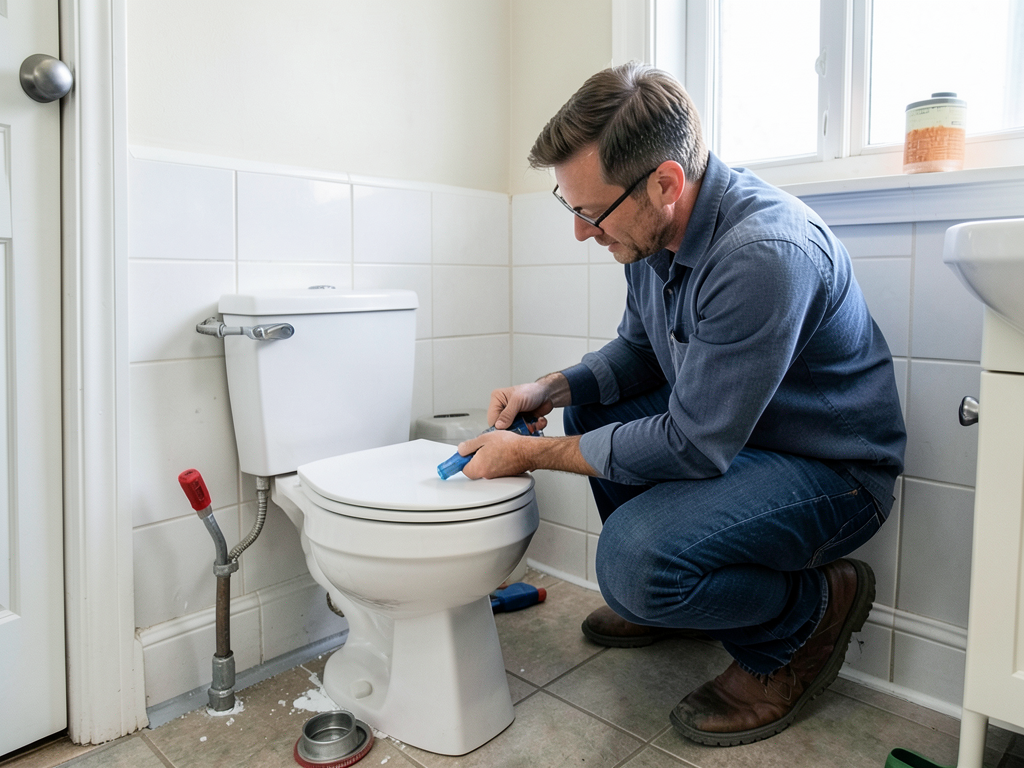
Choosing a high-efficiency toilet that actually flushes well can feel like a gamble. Many homeowners worry about clogs and weak flushes, especially in older Baltimore homes with aging plumbing. This guide cuts through the marketing hype to show you which models plumbers trust, how to decode MaP scores, and what WaterSense rebates you can get through Baltimore City. Baltimore City Department of Public Works.
We will explain the key differences between gravity-fed and pressure-assisted systems, how Baltimore’s hard water affects toilet performance, and which features help prevent mineral buildup. You will also learn about the 1.28 GPF standard, why it matters for your water bill, and how to qualify for local conservation incentives. By the end, you will know exactly what to look for before making a purchase or calling for installation. Fast Water Heater Replacement for Homeowners in Towson and Lutherville.
Understanding High-Efficiency Toilets and Baltimore’s Water System
High-efficiency toilets use 1.28 gallons per flush or less compared to older models that use 3.5 gallons or more. In Baltimore, this can translate to significant savings on your water bill since the city charges based on usage through the Department of Public Works. A family of four can save up to 13,000 gallons per year by switching to a WaterSense-labeled model. EPA WaterSense program.
Baltimore’s water contains moderate hardness, which can cause mineral buildup inside toilet valves and jets. This is why some low-flow models fail over time. Look for toilets with ceramic disc valves or silicone seals that resist scaling. The EPA WaterSense program certifies toilets that meet strict flush performance standards, so always check for that label. Fixing Low Water Pressure in Your Locust Point Rowhome.
MaP testing measures how many grams of waste a toilet can clear in a single flush. A score of 600 grams is the minimum for certification, but plumbers recommend models with scores above 800 grams for older homes with cast iron or galvanized pipes. These pipes have rougher interiors that can snag waste.
Gravity-Fed vs. Pressure-Assisted Toilets: What Works Best in Lauraville
Gravity-fed toilets rely on tank height and bowl design to create flushing force. They are quieter and easier to repair but can struggle with large loads. Pressure-assisted models use compressed air to boost flush power, making them ideal for homes with low water pressure or problematic plumbing. Plumbing College Park.
In Lauraville, most homes have moderate water pressure between 40-60 psi, which is adequate for gravity-fed models with good bowl design. However, if your home has older supply lines or frequent pressure drops, a pressure-assisted toilet may prevent future clogs. These models are slightly louder but more reliable in challenging conditions.
Consider the noise factor if your bathroom is near bedrooms. Gravity-fed toilets operate at around 70 decibels while pressure-assisted models can reach 80 decibels. For light sleepers, this difference matters. Also, pressure-assisted units have more complex internal components that may require specialized repair if they fail.
Top High-Efficiency Toilets Recommended by Baltimore Plumbers
Based on field experience in Baltimore’s housing stock, these models consistently perform well and resist common failure patterns. Each has been tested in homes with similar plumbing conditions to those found in Lauraville.
Toto Drake II 1.28 GPF
The Drake II uses Toto’s Tornado Flush system with a 1.28 GPF rating and MaP score of 1,000 grams. It features a wide 2-1/8 inch trapway that reduces clog risk. The SanaGloss ceramic glaze prevents waste and bacteria from sticking to surfaces, which helps in Baltimore’s hard water conditions.
This model installs easily in standard 12-inch rough-ins and works well with both floor-mounted and wall-mounted tanks. The fill valve is designed to resist mineral buildup, extending the toilet’s service life. Many Baltimore plumbers recommend it for rowhomes because replacement parts are widely available locally.
Kohler Cimarron 1.28 GPF
The Cimarron offers a classic design with Class Five flushing technology. It achieves a MaP score of 1,000 grams using a 3-inch flush valve that moves water quickly through the bowl. The model comes in both standard and comfort height options, making it versatile for different household needs.
Kohler’s DryLock installation system prevents water from getting under the tank, reducing the risk of corrosion in humid Baltimore bathrooms. The toilet’s large water surface area helps keep the bowl cleaner between flushes. It’s available at most Baltimore-area plumbing supply houses with same-day delivery options.
American Standard Champion 4 1.28 GPF
The Champion 4 features a 4-inch piston action flush valve and a 2-3/8 inch trapway, the largest in its class. It achieves a MaP score of 1,000 grams and can flush a bucket of golf balls in a single flush. This makes it ideal for homes with cast iron pipes that tend to catch debris.
The EverClean surface inhibits mold and mildew growth, which is beneficial in Baltimore’s humid summers. The toilet’s direct-fed jet technology ensures complete bowl evacuation every time. It’s particularly recommended for families with young children or anyone who has experienced frequent clogs.
Baltimore City Water Rebates and Conservation Programs
Baltimore City Department of Public Works offers rebates for replacing older toilets with WaterSense-certified models. The current rebate is $50 per toilet, with a maximum of two rebates per household per year. To qualify, the new toilet must be purchased from a licensed retailer in Maryland and installed by a certified plumber.
The rebate program requires submitting proof of purchase, installation date, and the old toilet’s make and model. Some local plumbers handle the paperwork for you, making the process seamless. Check the Baltimore DPW website for current program details and income-eligible rebates that can cover up to 100% of replacement costs.
Beyond city rebates, the Maryland Department of the Environment occasionally offers additional incentives for water conservation upgrades. These programs change annually, so ask your plumber about current opportunities when scheduling your installation. Some utility companies also provide free low-flow fixture kits when you replace old toilets.
Installation Considerations for Older Baltimore Homes
Many Lauraville homes were built before 1950 and may have unique plumbing challenges. The rough-in distance from the wall to the center of the drain can vary from the standard 12 inches. Some homes have 10-inch or even 14-inch rough-ins that require special adapters or toilets. Professional Drain Cleaning Services to Clear Stubborn Clogs in Federal Hill.
Check your current toilet’s rough-in by measuring from the finished wall to the center of the bolt caps on the floor. If you’re unsure, a plumber can verify this before you purchase. Installing a toilet with the wrong rough-in can lead to poor sealing and leaks.
Older homes may also have corroded closet flanges or uneven floors that affect toilet stability. A professional installation includes checking and replacing the flange if needed, ensuring a proper wax ring seal, and leveling the toilet. These steps prevent future leaks that could damage your subfloor.
Maintenance Tips to Keep Your High-Efficiency Toilet Working Well
Even the best toilet needs proper care to maintain performance. In Baltimore’s hard water conditions, mineral deposits can accumulate in the rim holes and trapway over time. Monthly cleaning with a toilet-specific cleaner helps prevent buildup that reduces flush power.. Read more about Simple Ways to Lower Your Monthly Water Usage in the Abell Community.
Avoid using in-tank cleaners with bleach or harsh chemicals, as these can damage the internal rubber components. Instead, use a mild cleaner and a toilet brush regularly. If you notice reduced flush performance, check the fill valve and flapper for wear or mineral deposits.
Listen for unusual sounds like hissing or constant running, which indicate a failing fill valve or flapper. These small issues waste water and can increase your bill significantly. Most replacement parts cost under $20 and take minutes to install, but if you’re not comfortable with DIY, call a plumber.
Common Problems and How to Avoid Them
Double flushing is a common complaint with early low-flow toilets. This happens when the bowl doesn’t clear completely on the first flush, requiring a second flush and defeating water savings. Modern high-efficiency toilets with MaP scores above 800 grams rarely have this issue.
Clogs often occur when non-flushable items like wipes or feminine products are flushed. Even toilets with powerful flush technology can’t handle these materials. Place a wastebasket in the bathroom and educate family members about what should never go down the toilet.
Phantom flushing occurs when the toilet refills periodically without being used. This usually means the flapper isn’t sealing properly, allowing water to leak from the tank to the bowl. Replace the flapper assembly to stop this waste. A leaking toilet can waste up to 200 gallons per day.
Cost Considerations and Value Analysis
High-quality high-efficiency toilets range from $200 to $600 for the unit alone, with installation adding $150 to $300 depending on complexity. While this seems expensive compared to basic models, the water savings typically pay for the upgrade within 3-5 years.
Consider the long-term value beyond water savings. Reliable toilets reduce the need for emergency plumbing calls, prevent water damage from leaks, and increase your home’s appeal to buyers. Many Baltimore real estate agents report that updated bathrooms, including efficient fixtures, help homes sell faster. Who to Call for an Emergency Pipe Burst in Canton Right Now.
If budget is a concern, look for manufacturer rebates or seasonal sales at local plumbing supply stores. Some retailers offer package deals that include the toilet, seat, and installation at a discounted rate. Always verify that any discounted model still meets WaterSense standards and has good MaP scores.
Professional Installation vs. DIY: What You Need to Know
Installing a toilet seems straightforward, but mistakes can lead to costly problems. A proper installation requires checking the flange condition, ensuring the floor is level, and creating a perfect wax ring seal. Professionals also verify that supply lines are in good condition and properly sized.
DIY installation might save $100-150 upfront, but if you damage the toilet during installation or create a leak, repair costs can quickly exceed the labor savings. Additionally, professional installation often comes with a warranty on both labor and parts.
If you’re replacing a toilet in an older home, the value of professional expertise increases. Plumbers can identify potential issues like corroded pipes, inadequate venting, or structural problems that a DIYer might miss. They also handle the removal and disposal of your old toilet, which can be challenging in rowhomes with narrow staircases.
Environmental Impact and Water Conservation
Beyond personal savings, high-efficiency toilets contribute to regional water conservation efforts. Baltimore draws water from surface sources like the Gunpowder and Patapsco rivers, and reducing household demand helps maintain healthy ecosystems and water quality.
The EPA estimates that if every older toilet in the country were replaced with WaterSense models, we would save 520 billion gallons of water annually. That’s equivalent to the amount of water that flows over Niagara Falls in about four days.
High-efficiency toilets also reduce the energy needed to treat and pump water. Since water treatment plants consume significant electricity, using less water indirectly reduces carbon emissions. This makes toilet replacement one of the most impactful water conservation steps a homeowner can take.
Making Your Final Decision
When choosing a high-efficiency toilet for your Lauraville home, prioritize proven performance over trendy features. Look for models with MaP scores above 800 grams, WaterSense certification, and good availability of replacement parts in Baltimore. Consider your home’s specific plumbing conditions and your household’s needs.
Visit local plumbing supply stores to see models in person and ask about their experience with different brands in Baltimore homes. Many stores allow you to handle display models to check height, bowl shape, and seat comfort before buying.
Remember that the cheapest option isn’t always the best value. A toilet that flushes reliably every time and lasts 15-20 years provides better long-term value than a bargain model that needs frequent repairs or replacement.
Frequently Asked Questions
Do high-efficiency toilets really save money on water bills?
Yes, high-efficiency toilets can save a family of four up to $100 per year on water bills in Baltimore, with the investment typically paying for itself within 3-5 years through reduced water usage.
Will a high-efficiency toilet clog more often than my old toilet?
Modern high-efficiency toilets with MaP scores above 800 grams actually clog less often than older models. The key is choosing a model designed for your specific plumbing conditions rather than the cheapest option.
How do I know if my toilet qualifies for Baltimore’s rebate program?
Check the EPA WaterSense product search database or ask your plumber. Any toilet with the WaterSense label and meeting the city’s GPF requirements qualifies, but you must use a certified plumber for installation to receive the rebate.
Can I install a high-efficiency toilet myself to save money?
While DIY installation is possible, professional installation ensures proper sealing, flange condition, and compliance with Baltimore plumbing codes. Mistakes can lead to leaks that cost far more than the installation fee.
What’s the difference between comfort height and standard height toilets?
Comfort height toilets are about 2 inches taller than standard models, making them easier to use for seniors and people with mobility issues. They’re becoming the standard in new construction but may feel too tall for children or shorter adults.
{
“@context”: “https://schema.org”,
“@type”: “BlogPosting”,
“headline”: “Picking a High-Efficiency Toilet That Actually Flushes Well for Your Lauraville Home”,
“description”: “Find the best high-efficiency toilets that really work for Baltimore’s older homes. Learn MaP scores, WaterSense rebates, and local plumber recommendations.”,
“wordCount”: 2191,
“datePublished”: “2026-03-18T16:33:00.000Z”,
“dateModified”: “2026-03-18T16:33:00.000Z”,
“inLanguage”: “en-US”,
“mainEntityOfPage”: {
“@type”: “WebPage”,
“@id”: “https://keystoneplumbingbaltimore.com”
},
“publisher”: {
“@type”: “LocalBusiness”,
“name”: “Keystone Plumbing Baltimore”,
“url”: “https://keystoneplumbingbaltimore.com”
},
“author”: {
“@type”: “Organization”,
“name”: “Keystone Plumbing Baltimore”,
“url”: “https://keystoneplumbingbaltimore.com”
},
“image”: {
“@type”: “ImageObject”,
“url”: “https://keystoneplumbingbaltimore.com/wp-content/uploads/2026/03/picking-a-high-efficiency-toilet-that-actually-flu-1.png”
}
}
{
“@context”: “https://schema.org”,
“@type”: “Plumber”,
“name”: “Keystone Plumbing Baltimore”,
“url”: “https://keystoneplumbingbaltimore.com”,
“address”: {
“@type”: “PostalAddress”,
“addressLocality”: “Baltimore”
},
“areaServed”: {
“@type”: “City”,
“name”: “Baltimore”
}
}
{
“@context”: “https://schema.org”,
“@type”: “FAQPage”,
“mainEntity”: [
{
“@type”: “Question”,
“name”: “Do high-efficiency toilets really save money on water bills?”,
“acceptedAnswer”: {
“@type”: “Answer”,
“text”: “Yes, high-efficiency toilets can save a family of four up to $100 per year on water bills in Baltimore, with the investment typically paying for itself within 3-5 years through reduced water usage.”
}
},
{
“@type”: “Question”,
“name”: “Will a high-efficiency toilet clog more often than my old toilet?”,
“acceptedAnswer”: {
“@type”: “Answer”,
“text”: “Modern high-efficiency toilets with MaP scores above 800 grams actually clog less often than older models. The key is choosing a model designed for your specific plumbing conditions rather than the cheapest option.”
}
},
{
“@type”: “Question”,
“name”: “How do I know if my toilet qualifies for Baltimore’s rebate program?”,
“acceptedAnswer”: {
“@type”: “Answer”,
“text”: “Check the EPA WaterSense product search database or ask your plumber. Any toilet with the WaterSense label and meeting the city’s GPF requirements qualifies, but you must use a certified plumber for installation to receive the rebate.”
}
},
{
“@type”: “Question”,
“name”: “Can I install a high-efficiency toilet myself to save money?”,
“acceptedAnswer”: {
“@type”: “Answer”,
“text”: “While DIY installation is possible, professional installation ensures proper sealing, flange condition, and compliance with Baltimore plumbing codes. Mistakes can lead to leaks that cost far more than the installation fee.”
}
},
{
“@type”: “Question”,
“name”: “What’s the difference between comfort height and standard height toilets?”,
“acceptedAnswer”: {
“@type”: “Answer”,
“text”: “Comfort height toilets are about 2 inches taller than standard models, making them easier to use for seniors and people with mobility issues. They’re becoming the standard in new construction but may feel too tall for children or shorter adults.”
}
}
]
}
{
“@context”: “https://schema.org”,
“@type”: “BreadcrumbList”,
“itemListElement”: [
{
“@type”: “ListItem”,
“position”: 1,
“name”: “Home”,
“item”: “https://keystoneplumbingbaltimore.com”
},
{
“@type”: “ListItem”,
“position”: 2,
“name”: “Blog”,
“item”: “https://keystoneplumbingbaltimore.com/blog”
},
{
“@type”: “ListItem”,
“position”: 3,
“name”: “Picking a High-Efficiency Toilet That Actually Flushes Well for Your Lauraville Home”
}
]
}
{
“@context”: “https://schema.org”,
“@type”: “Service”,
“serviceType”: “Plumbing”,
“provider”: {
“@type”: “LocalBusiness”,
“name”: “Keystone Plumbing Baltimore”,
“url”: “https://keystoneplumbingbaltimore.com”
},
“areaServed”: {
“@type”: “City”,
“name”: “Baltimore”
},
“description”: “Find the best high-efficiency toilets that really work for Baltimore’s older homes. Learn MaP scores, WaterSense rebates, and local plumber recommendations.”
}