
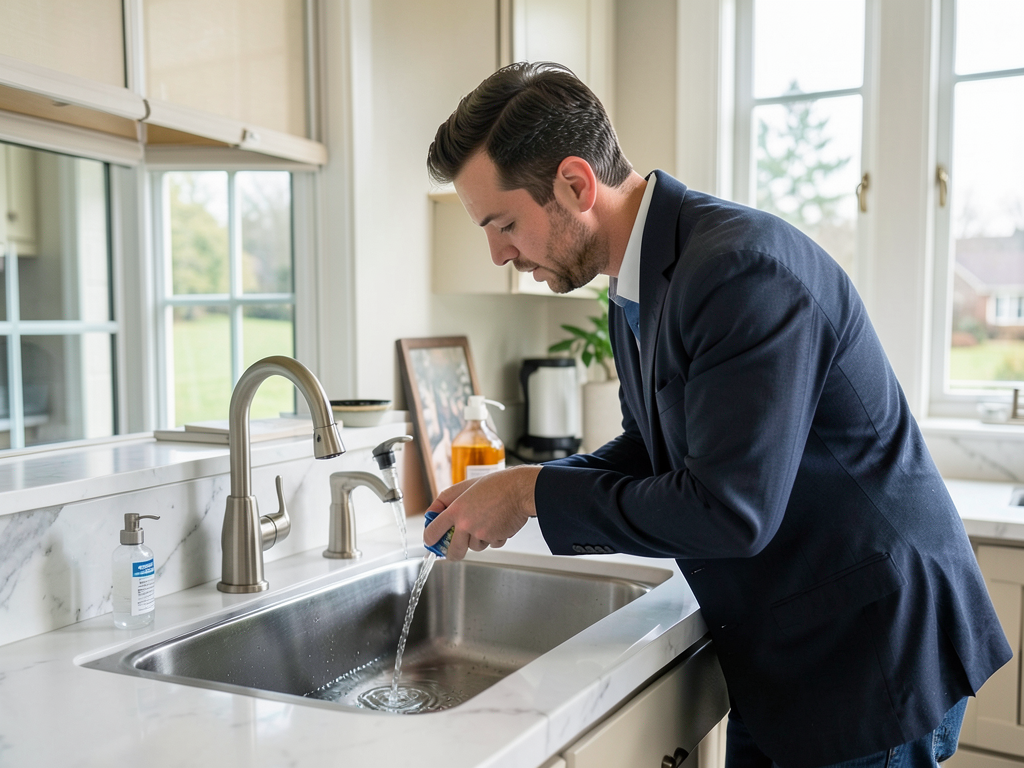
Improving the Well Water Quality in Your Greenspring Valley Estate
Greenspring Valley residents face unique water quality challenges that require specialized treatment solutions. The Piedmont Plateau’s iron-rich soil and limestone bedrock create conditions that affect thousands of Baltimore County homeowners relying on private wells for their daily water supply. Fast Water Heater Replacement for Homeowners in Towson and Lutherville.
Your estate deserves water that’s crystal clear, odor-free, and safe for your family. This comprehensive guide covers everything you need to know about diagnosing common well water issues in Greenspring Valley and implementing effective treatment systems that meet Maryland Department of the Environment standards. Maryland Department of the Environment well regulations.
Common Well Water Issues in Baltimore County
Well water in the Greenspring Valley area typically contains high levels of dissolved minerals and organic compounds that create specific problems. Understanding these issues helps you identify what’s affecting your water quality. Fixing Low Water Pressure in Your Locust Point Rowhome.
Iron contamination is the most prevalent problem in this region. When groundwater passes through iron-rich soil layers, it dissolves ferrous iron that appears clear when first drawn but turns rusty orange when exposed to air. You’ll notice reddish-brown stains on sinks, toilets, and laundry that become increasingly difficult to remove over time.
Sulfur compounds create the distinctive rotten egg smell many Greenspring Valley homeowners experience. Hydrogen sulfide gas forms when bacteria break down organic matter in oxygen-poor groundwater. This odor becomes particularly noticeable in hot water and can permeate your entire home.
Acidic water presents another common challenge. The limestone bedrock in Baltimore County creates water with pH levels often below 6.5, making it corrosive to copper pipes and fixtures. You might see blue-green staining on porcelain surfaces or notice pinhole leaks developing in your plumbing system. Plumbing College Park.
Hard water affects nearly every well in the area. High calcium and magnesium content creates limescale buildup that reduces water flow, decreases appliance efficiency, and leaves soap scum on fixtures. Your water heater works harder, shortening its lifespan by up to 30 percent.
Our Specialized Treatment Solutions
Effective well water treatment requires a systematic approach targeting specific contaminants. We design custom systems based on comprehensive water testing results and your household’s unique needs.
Iron filtration systems remove both dissolved and particulate iron from your water supply. Multi-stage filters combine oxidation with mechanical filtration to capture iron particles as small as 5 microns. These systems prevent staining while maintaining proper water pressure throughout your home.
Water softeners address hardness by exchanging calcium and magnesium ions with sodium or potassium. Modern high-efficiency softeners use up to 75 percent less salt than older models while providing consistent soft water for all household uses. Your skin feels smoother, hair becomes more manageable, and cleaning becomes significantly easier.
pH neutralizers raise acidic water to safe levels between 7.0 and 7.5. Calcite-based systems dissolve slowly to maintain proper pH without overcorrection. This prevents pipe corrosion while protecting your plumbing investment and extending the life of water-using appliances.
UV sterilization systems eliminate harmful bacteria and viruses without chemicals. These units expose water to ultraviolet light that destroys microorganisms’ DNA, providing 99.99 percent pathogen reduction. This technology is essential for wells near agricultural areas or older septic systems.
Reverse osmosis systems deliver purified drinking water at specific taps. These units remove up to 99 percent of dissolved solids, including lead, arsenic, and nitrates. The multi-stage filtration process includes sediment pre-filters, carbon blocks, and semi-permeable membranes for comprehensive purification.
The Baltimore Water Testing Process
Accurate diagnosis starts with comprehensive water testing that identifies specific contaminants and their concentrations. Our testing process follows Maryland Department of the Environment protocols to ensure reliable results. EPA drinking water standards.
We collect samples from multiple points in your plumbing system to establish a complete water quality profile. Testing covers basic parameters like pH, hardness, and iron levels, plus specific contaminants relevant to Baltimore County wells including arsenic, nitrates, and coliform bacteria.
Professional laboratory analysis provides detailed reports showing contaminant levels compared to EPA and Maryland drinking water standards. We interpret these results to recommend targeted treatment solutions rather than one-size-fits-all approaches that waste money and resources. Professional Drain Cleaning Services to Clear Stubborn Clogs in Federal Hill.
Testing frequency recommendations depend on your specific situation. New wells require comprehensive baseline testing, while established systems benefit from annual checks for changing conditions. Heavy rainfall or nearby construction may warrant additional testing to detect contamination events.
Real-time monitoring systems provide continuous water quality data for homeowners who want immediate alerts about changing conditions. These devices measure parameters like turbidity, pH, and chlorine levels, sending notifications when values exceed preset thresholds.
Why Local Expertise Matters
Well water treatment in Greenspring Valley requires knowledge of local geology, hydrology, and regulations. The Piedmont Plateau’s unique characteristics affect water quality in ways that generic treatment approaches cannot address effectively.
Maryland Department of the Environment regulations govern well construction, modification, and abandonment in Baltimore County. These rules ensure proper wellhead protection and prevent contamination of groundwater resources that serve multiple properties.
The region’s limestone bedrock creates specific challenges for water treatment. Acidic water dissolves limestone, releasing calcium that contributes to hardness while also buffering pH changes. Understanding these interactions helps us design systems that work with natural conditions rather than fighting them.
Seasonal variations significantly impact well water quality in Baltimore County. Spring rains increase turbidity and can introduce surface contaminants, while summer drought conditions concentrate dissolved minerals. Treatment systems must handle these fluctuations while maintaining consistent water quality.
Local building codes require specific installation practices for water treatment equipment. Proper ventilation for acid neutralizers, adequate drainage for backwashing filters, and appropriate electrical connections ensure safe, code-compliant operation of your treatment system.
Frequently Asked Questions
How much does well water treatment cost in Greenspring Valley?
Treatment system costs vary based on specific contaminants and household needs. Basic iron filters start around $1,800, while comprehensive whole-house systems with multiple treatment stages typically range from $3,500 to $8,000. We provide detailed quotes after water testing reveals your exact requirements.
How often should well water be tested?
New wells require comprehensive testing before use. Established wells benefit from annual testing for basic parameters plus testing after any changes in water quality, nearby construction, or flooding events. More frequent testing may be needed if you notice changes in taste, odor, or appearance.
Can I install water treatment myself?
While some basic filtration systems are available for DIY installation, proper well water treatment requires professional expertise. Incorrect installation can create cross-connection hazards, void warranties, and fail to address your specific water quality issues effectively. Professional installation ensures code compliance and optimal system performance.
How long do water treatment systems last?
Quality treatment systems typically last 10-15 years with proper maintenance. Filters and media require replacement every 1-5 years depending on usage and contaminant levels. Regular maintenance by qualified technicians extends system life and maintains water quality.
Will treatment systems affect my water pressure?
Properly designed systems maintain or improve water pressure. Modern high-flow filters and softeners minimize pressure drop while providing effective treatment. We size equipment based on your household’s peak demand to ensure adequate flow for simultaneous fixture use.
Choosing the Right Treatment System
Selecting appropriate treatment requires understanding your water quality issues and household needs. We evaluate factors like contaminant levels, water usage patterns, and budget constraints to recommend optimal solutions.
Point-of-use systems treat water at specific taps for drinking and cooking. These compact units work well for targeted concerns like lead removal or taste improvement. Under-sink reverse osmosis systems provide high-quality drinking water without treating water for all household uses.
Point-of-entry systems treat all water entering your home. These comprehensive solutions address multiple contaminants simultaneously, protecting plumbing, appliances, and providing consistent water quality throughout your property. Whole-house systems offer the most complete protection for Greenspring Valley estates.
Combination systems integrate multiple treatment technologies in a single unit. These space-efficient solutions combine functions like iron filtration and water softening, reducing installation costs while providing comprehensive water treatment. Custom configurations match your specific water quality challenges.
Maintenance requirements vary by system type and contaminant levels. Simple sediment filters need monthly inspection, while advanced systems may require annual professional service. We provide maintenance schedules and training to help you keep your system operating effectively.
Maintenance and Long-Term Care
Regular maintenance ensures your treatment system continues providing high-quality water while protecting your investment. Scheduled service prevents system failures and maintains optimal performance throughout the equipment’s lifespan.
Filter replacement schedules depend on contaminant levels and water usage. High-iron water may require more frequent filter changes than typical municipal water conditions. We track your system’s performance to recommend timely replacements that prevent breakthrough contamination.
Media bed inspection and replacement maintain system effectiveness. Water softener resin loses capacity over time, while iron filter media becomes exhausted. Professional inspection identifies these issues before they affect water quality, allowing planned replacements that minimize disruption.
System sanitization prevents bacterial growth in treatment equipment. UV sterilizer lamps require annual replacement to maintain disinfection effectiveness. Storage tanks and distribution lines need periodic cleaning to prevent biofilm formation that can compromise water quality.
Performance monitoring tracks system operation and water quality trends. Modern systems include digital controls that log operating data, making it easy to identify developing issues before they become problems. This proactive approach maximizes system life and reliability.
Emergency Troubleshooting Guide
Well water systems occasionally experience issues that require quick diagnosis and response. Understanding common problems helps you identify when professional service is needed versus when simple solutions suffice.
Sputtering faucets often indicate air in the system, typically caused by a failing well pump or pressure tank. This condition reduces water flow and can damage treatment equipment. Check pressure tank air charge and listen for pump cycling that suggests mechanical problems.
Sediment after heavy rain may indicate surface water entering your well. This contamination poses health risks and requires immediate attention. Check well cap integrity and consider shock chlorination if bacterial contamination is suspected.
Reduced water pressure throughout your home could signal clogged filters, failing treatment media, or pump problems. Clean or replace pre-filters first, then check pressure gauges to isolate the issue location. Persistent problems require professional diagnosis.
Unusual tastes or odors that develop suddenly may indicate contamination events. Stop using the water for consumption and contact our emergency service line immediately. We provide 24/7 response for urgent water quality issues affecting your family’s health. Who to Call for an Emergency Pipe Burst in Canton Right Now.
System alarms on modern treatment units indicate specific problems requiring attention. Low salt warnings, high-pressure faults, or UV lamp failures each have distinct meanings. Consult your system manual or contact our service department for proper response procedures.
Protecting Your Investment
Your well water treatment system represents a significant investment in your property and family’s health. Proper protection ensures long-term performance while maintaining your home’s value and appeal.
Professional installation by licensed plumbers ensures code compliance and optimal system performance. We follow all Baltimore County regulations while implementing best practices that maximize treatment effectiveness and equipment longevity.
Quality equipment from reputable manufacturers provides reliable operation and warranty protection. We select systems with proven track records in Maryland’s specific water conditions, avoiding generic solutions that fail to address local challenges effectively.
Comprehensive warranties cover both equipment and labor, protecting your investment against manufacturing defects and installation issues. Extended warranty options provide additional peace of mind for major system components.
Property value enhancement comes from reliable water treatment that ensures consistent quality and protects plumbing infrastructure. Well-maintained systems appeal to potential buyers and can increase your estate’s market value while reducing future maintenance concerns.
Energy efficiency considerations affect both operating costs and environmental impact. Modern treatment systems use less electricity and water than older technologies while providing superior performance. We recommend Energy Star certified equipment when available to minimize utility expenses.
Get Your Water Tested Today
Don’t wait for water quality issues to damage your plumbing or affect your family’s health. Professional water testing reveals exactly what’s in your well water and what treatment solutions will work best for your Greenspring Valley estate.
Our certified technicians use Maryland Department of the Environment approved testing methods to provide accurate, reliable results. We explain every finding in plain language and recommend treatment options that fit your specific needs and budget.
Call (443) 443-9099 today to schedule your comprehensive water quality analysis. We’ll test your water, explain the results, and design a custom treatment system that ensures crystal clear, safe water throughout your home.
Protect your plumbing investment, improve your water quality, and enjoy peace of mind knowing your family has access to clean, safe water every day. Your Greenspring Valley estate deserves nothing less than professional water treatment expertise.
Pick up the phone and call (443) 443-9099 now. Your water quality solution is just one call away.
{
“@context”: “https://schema.org”,
“@type”: “BlogPosting”,
“headline”: “Improving the Well Water Quality in Your Greenspring Valley Estate”,
“description”: “Expert well water treatment solutions for Greenspring Valley estates. Remove iron, sulfur, and hardness with systems designed for Baltimore County’s unique water conditions.”,
“wordCount”: 2142,
“datePublished”: “2026-03-05T10:31:00.000Z”,
“dateModified”: “2026-03-05T10:31:00.000Z”,
“inLanguage”: “en-US”,
“mainEntityOfPage”: {
“@type”: “WebPage”,
“@id”: “https://keystoneplumbingbaltimore.com”
},
“publisher”: {
“@type”: “LocalBusiness”,
“name”: “Keystone Plumbing Baltimore”,
“url”: “https://keystoneplumbingbaltimore.com”
},
“author”: {
“@type”: “Organization”,
“name”: “Keystone Plumbing Baltimore”,
“url”: “https://keystoneplumbingbaltimore.com”
},
“image”: {
“@type”: “ImageObject”,
“url”: “https://keystoneplumbingbaltimore.com/wp-content/uploads/2026/03/improving-the-well-water-quality-in-your-greenspri-1.png”
}
}
{
“@context”: “https://schema.org”,
“@type”: “Plumber”,
“name”: “Keystone Plumbing Baltimore”,
“url”: “https://keystoneplumbingbaltimore.com”,
“address”: {
“@type”: “PostalAddress”,
“addressLocality”: “Baltimore”
},
“areaServed”: {
“@type”: “City”,
“name”: “Baltimore”
}
}
{
“@context”: “https://schema.org”,
“@type”: “FAQPage”,
“mainEntity”: [
{
“@type”: “Question”,
“name”: “How much does well water treatment cost in Greenspring Valley?”,
“acceptedAnswer”: {
“@type”: “Answer”,
“text”: “Treatment system costs vary based on specific contaminants and household needs. Basic iron filters start around $1,800, while comprehensive whole-house systems with multiple treatment stages typically range from $3,500 to $8,000. We provide detailed quotes after water testing reveals your exact requirements.”
}
},
{
“@type”: “Question”,
“name”: “How often should well water be tested?”,
“acceptedAnswer”: {
“@type”: “Answer”,
“text”: “New wells require comprehensive testing before use. Established wells benefit from annual testing for basic parameters plus testing after any changes in water quality, nearby construction, or flooding events. More frequent testing may be needed if you notice changes in taste, odor, or appearance.”
}
},
{
“@type”: “Question”,
“name”: “Can I install water treatment myself?”,
“acceptedAnswer”: {
“@type”: “Answer”,
“text”: “While some basic filtration systems are available for DIY installation, proper well water treatment requires professional expertise. Incorrect installation can create cross-connection hazards, void warranties, and fail to address your specific water quality issues effectively. Professional installation ensures code compliance and optimal system performance.”
}
},
{
“@type”: “Question”,
“name”: “How long do water treatment systems last?”,
“acceptedAnswer”: {
“@type”: “Answer”,
“text”: “Quality treatment systems typically last 10-15 years with proper maintenance. Filters and media require replacement every 1-5 years depending on usage and contaminant levels. Regular maintenance by qualified technicians extends system life and maintains water quality.”
}
},
{
“@type”: “Question”,
“name”: “Will treatment systems affect my water pressure?”,
“acceptedAnswer”: {
“@type”: “Answer”,
“text”: “Properly designed systems maintain or improve water pressure. Modern high-flow filters and softeners minimize pressure drop while providing effective treatment. We size equipment based on your household’s peak demand to ensure adequate flow for simultaneous fixture use.”
}
}
]
}
{
“@context”: “https://schema.org”,
“@type”: “BreadcrumbList”,
“itemListElement”: [
{
“@type”: “ListItem”,
“position”: 1,
“name”: “Home”,
“item”: “https://keystoneplumbingbaltimore.com”
},
{
“@type”: “ListItem”,
“position”: 2,
“name”: “Blog”,
“item”: “https://keystoneplumbingbaltimore.com/blog”
},
{
“@type”: “ListItem”,
“position”: 3,
“name”: “Improving the Well Water Quality in Your Greenspring Valley Estate”
}
]
}
{
“@context”: “https://schema.org”,
“@type”: “Service”,
“serviceType”: “Plumbing”,
“provider”: {
“@type”: “LocalBusiness”,
“name”: “Keystone Plumbing Baltimore”,
“url”: “https://keystoneplumbingbaltimore.com”
},
“areaServed”: {
“@type”: “City”,
“name”: “Baltimore”
},
“description”: “Expert well water treatment solutions for Greenspring Valley estates. Remove iron, sulfur, and hardness with systems designed for Baltimore County’s unique water conditions.”
}