
How to Read Your Baltimore City Water Meter to Find Hidden Leaks
Finding a hidden water leak early can save you hundreds of dollars on your Baltimore City water bill and prevent costly property damage. Your water meter is the first line of defense in detecting these silent problems. This guide walks you through the exact process of reading your meter, identifying leak indicators, and understanding what the numbers mean for your home. Baltimore City Water Bill Adjustment.
Locating Your Water Meter in Baltimore Homes
Where your water meter is located depends on your home’s age and location in Baltimore. In older rowhomes in neighborhoods like Fells Point or Federal Hill, meters are typically found in the basement near the front wall, close to where the water main enters the house. In newer construction or homes in areas like Roland Park or Towson, the meter might be in a meter pit outside near the curb. Fast Water Heater Replacement for Homeowners in Towson and Lutherville.
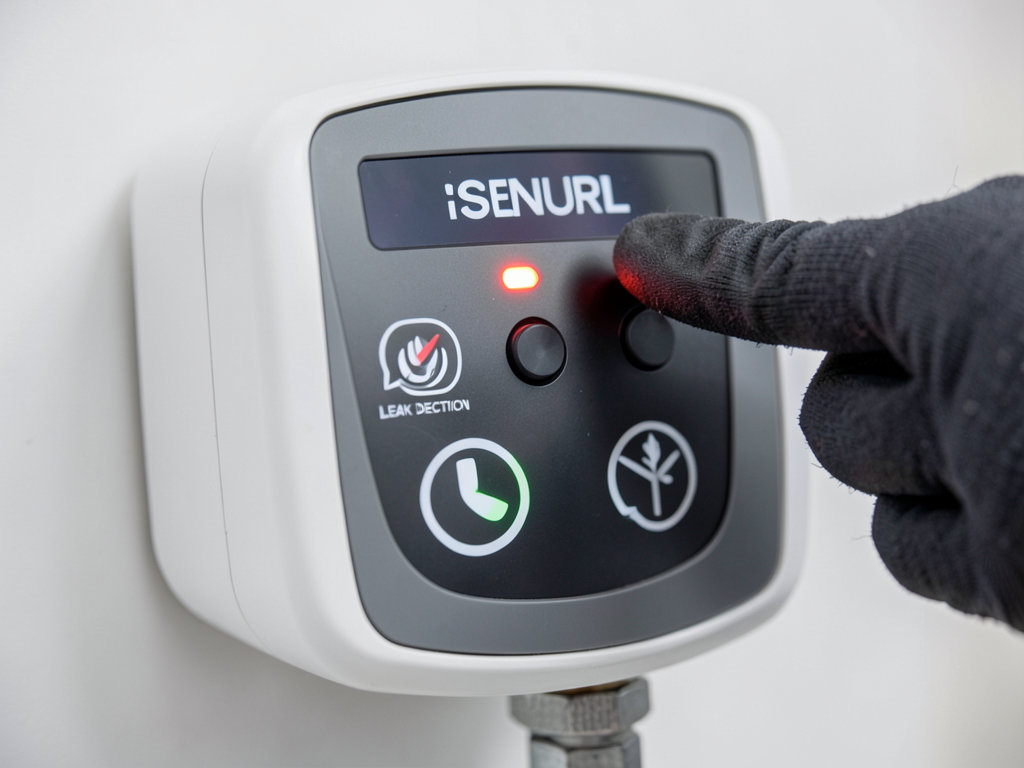
Baltimore City Department of Public Works uses several meter types. The most common in rowhomes is the traditional analog dial meter with a glass face showing a series of dials and a leak indicator triangle. Many newer installations feature digital LCD meters from brands like Sensus or Neptune, which display readings as numbers on a screen and often include a flashing snowflake or faucet icon for low flow detection. EPA Lead and Copper Rule.
Identifying Your Meter Type
Analog meters have a large sweep hand that moves like a clock and several smaller dials numbered 0-9. The leak indicator is usually a small red triangle or diamond that spins when water flows through the meter. Digital meters show a numeric reading on an LCD screen with icons indicating flow status. Fixing Low Water Pressure in Your Locust Point Rowhome.
For Baltimore City customers, the Sensus iPERL digital meter is increasingly common. This smart meter transmits readings wirelessly to DPW but still shows a local display. Look for a low flow indicator that flashes when detecting minimal water movement. The Neptune T-10 analog meter, still prevalent in many older city homes, uses a similar dial system but with different numbering conventions.
The Step-by-Step Leak Test
- Turn Off All Water
Before checking your meter, ensure no water is being used anywhere in your home. Turn off all faucets, stop the dishwasher and washing machine, and make sure no toilets are running. Also check outside for sprinklers or hose bibs.
- Locate the Leak Indicator
Find the small triangle, snowflake, or faucet icon on your meter. On analog meters this is typically a red triangle in the center. On digital meters it may flash or display an icon.
- Check for Movement
If the leak indicator is moving when all water is off, you have a leak somewhere in your plumbing system. Even a slow drip will cause this indicator to move.
- The 20-Minute Static Test
For a more thorough check, record the numbers on your meter’s odometer display. Wait 20 minutes without using any water, then check the reading again. If the numbers changed, water is flowing somewhere it shouldn’t be.
Understanding Meter Readings and Leak Severity
Baltimore City water meters measure in cubic feet. One cubic foot equals 7.48 gallons. The meter has an odometer-style display showing cumulative usage. To calculate your daily usage, write down the reading at the same time two days in a row and subtract.
A moving leak indicator suggests water flow between 0.01 and 0.10 gallons per minute. This could indicate a running toilet flapper, a dripping faucet, or a small supply line leak. If the 20-minute test shows 1-2 cubic feet of usage, you’re losing 50-100 gallons per day.
Major leaks show as rapid movement of the sweep hand or continuous flashing on digital displays. These can waste thousands of gallons monthly and often indicate broken supply lines, slab leaks, or failed water heater connections.
What to Do If You Find a Leak
If your meter test confirms a leak, contact Baltimore City DPW at (410) 545-0123 to report the issue and inquire about potential water bill adjustments. The city offers leak adjustment credits for documented repairs, but you must apply within 90 days of the repair.
For repairs, determine if the leak is on the city side or your property side of the meter. The water main from the street to your meter is city property. Everything after the meter is your responsibility. A licensed Baltimore plumber can help locate the exact source using acoustic leak detection equipment.
Common leak locations in Baltimore homes include toilet flappers, supply line connections under sinks, washing machine hoses, and the water heater’s pressure relief valve. In older homes with galvanized pipes, corrosion can cause pinhole leaks in walls or ceilings.
Preventing Future Leaks
Regular maintenance can prevent many common leaks. Check toilet flappers annually by adding food coloring to the tank and watching if it appears in the bowl without flushing. Inspect washing machine hoses for bulges or cracks every six months. Replace supply lines to sinks and toilets every 5-7 years.
In Baltimore’s freeze-thaw climate, outdoor spigots are particularly vulnerable. Disconnect hoses before winter and install frost-free sillcocks where possible. Insulate exposed pipes in unheated basements or crawl spaces to prevent freezing damage.
Consider installing a whole-house leak detection system that monitors flow patterns and can automatically shut off water if unusual usage is detected. These systems can prevent catastrophic damage from burst pipes or failed water heaters. Who to Call for an Emergency Pipe Burst in Canton Right Now.
Special Considerations for Baltimore’s Housing Stock
Baltimore’s diverse architecture creates unique plumbing challenges. Historic rowhomes often have original lead or galvanized pipes that corrode internally, creating weak spots prone to sudden failure. The city’s 2026 Lead and Copper Rule compliance requires testing in homes built before 1986.
Many Baltimore homes sit on clay soil that expands and contracts with moisture changes, stressing underground pipes. Homes near the harbor in Fells Point or Canton may have higher water tables, increasing hydrostatic pressure on basement plumbing.
The city’s combined sewer system in older neighborhoods can cause backups that stress plumbing connections. During heavy rain events, pressure fluctuations in the municipal system can cause supply line failures in vulnerable connections. Trenchless Sewer Line Repair for Historic Homes in Roland Park.
Understanding Your Water Bill
Baltimore City bills in units of 100 cubic feet (748 gallons). The average household uses 6-10 units monthly. A hidden leak of just 0.1 gallons per minute wastes about 4,500 gallons monthly, or 6 units on your bill.
The city’s tiered rate structure means excessive usage costs more per unit. Residential rates start at $3.76 per unit for the first 6 units, then increase to $4.50 for additional usage. A significant leak can push you into the higher tier, multiplying your costs.
Review your bill’s usage history. A sudden spike without a corresponding increase in occupancy or usage patterns strongly suggests a leak. The city’s online portal lets you track hourly usage, making leak detection even easier.
Tools for Advanced Leak Detection
Professional plumbers use acoustic listening devices to hear water movement in walls and underground. These tools can pinpoint leaks without destructive testing. Thermal imaging cameras detect temperature differences caused by water flow, revealing hidden leaks behind walls. Professional Drain Cleaning Services to Clear Stubborn Clogs in Federal Hill.
Moisture meters measure the moisture content in building materials. Readings above 15-20% in dry areas suggest active leaks. These tools help distinguish between old water damage and active leaks requiring immediate repair.
For suspected slab leaks in Baltimore’s many concrete slab homes, plumbers use electronic amplification equipment to listen for water movement through concrete. This non-invasive testing prevents unnecessary demolition.
Legal Requirements and Building Codes
Baltimore City plumbing code requires all new installations to use type K copper or approved PEX tubing for supply lines. Galvanized steel is prohibited for new work under Baltimore City Code Article 11, Section 15-1.4.
The EPA’s Lead and Copper Rule, adopted by Maryland, requires lead-free materials in all potable water systems. Homes with lead service lines may qualify for replacement assistance through the city’s Lead Service Line Replacement Program.
According to the International Plumbing Code adopted by Baltimore County, all water heater installations must include a thermal expansion tank when a backflow preventer is present. This prevents excessive pressure that can cause supply line failures.
When to Call a Professional
Call a professional plumber if your meter test shows a leak but you cannot locate the source, if you notice water damage on walls or ceilings, or if your water heater shows signs of leakage. Also call if you have low water pressure throughout the house, which can indicate a supply line leak.
Emergency situations requiring immediate service include burst pipes, water heater leaks, sewage backups, or any leak causing structural damage. Keystone Plumbing Baltimore offers 24/7 emergency service for these situations.
For suspected slab leaks, professional electronic leak detection is essential. These leaks can waste hundreds of gallons daily and cause foundation damage if left unrepaired.
Cost Considerations
Simple leak repairs like replacing a toilet flapper cost $75-150. Supply line replacements range from $200-500 depending on accessibility. More complex repairs like slab leak location and repair can cost $1,000-3,000.
The cost of ignoring a leak far exceeds repair costs. A moderate leak can increase your water bill by $50-200 monthly. Major leaks can cause thousands in water damage and mold remediation costs.
Many homeowners’ insurance policies cover sudden water damage but not gradual leaks discovered through meter testing. Document everything and contact your insurance agent if you discover significant damage.
Frequently Asked Questions
How often should I check my water meter for leaks?
Check your meter quarterly as part of regular home maintenance. Test monthly if you notice unusual water bills or hear water running when all fixtures are off. Homes with older plumbing benefit from more frequent testing.
Can a leaking water meter cause high bills?
Yes, but it’s rare. The meter itself has few moving parts and rarely fails. More commonly, the meter’s leak indicator simply reveals an existing leak in your plumbing. If you suspect the meter itself is faulty, contact Baltimore City DPW for testing.
What’s the difference between a service line leak and an interior leak?
A service line leak occurs between the water main and your meter, usually underground. These are city responsibility if on the city side of the meter, but homeowner responsibility from the meter to the house. Interior leaks occur after the meter inside your home’s plumbing system.
Protecting Your Baltimore Home
Understanding your water meter and performing regular leak tests is one of the most cost-effective home maintenance tasks you can do. Baltimore’s aging housing stock and variable soil conditions make leak prevention particularly important in our area.
Take 10 minutes today to locate your meter and perform the basic leak test. You might discover a problem early enough to save hundreds in water bills and prevent costly water damage repairs.
Remember, if you find evidence of a leak or need professional help with detection and repair, call Keystone Plumbing Baltimore at (443) 443-9099. Our licensed plumbers have extensive experience with Baltimore’s unique housing stock and can quickly locate and repair any plumbing issues you discover.
Don’t wait until a small leak becomes a major problem. Pick up the phone and call (443) 443-9099 today to schedule your professional leak inspection before the next water bill arrives.
{
“@context”: “https://schema.org”,
“@type”: “BlogPosting”,
“headline”: “How to Read Your Baltimore City Water Meter to Find Hidden Leaks”,
“description”: “Learn how to read your Baltimore City water meter to detect hidden leaks. Step-by-step guide for analog and digital meters, plus tips to save on your water bill.”,
“wordCount”: 1919,
“datePublished”: “2026-06-05T12:51:00.000Z”,
“dateModified”: “2026-06-05T12:51:00.000Z”,
“inLanguage”: “en-US”,
“mainEntityOfPage”: {
“@type”: “WebPage”,
“@id”: “https://keystoneplumbingbaltimore.com”
},
“publisher”: {
“@type”: “LocalBusiness”,
“name”: “Keystone Plumbing Baltimore”,
“url”: “https://keystoneplumbingbaltimore.com”
},
“author”: {
“@type”: “Organization”,
“name”: “Keystone Plumbing Baltimore”,
“url”: “https://keystoneplumbingbaltimore.com”
},
“image”: {
“@type”: “ImageObject”,
“url”: “https://keystoneplumbingbaltimore.com/wp-content/uploads/2026/03/how-to-read-your-baltimore-city-water-meter-to-fin-1.png”
}
}
{
“@context”: “https://schema.org”,
“@type”: “Plumber”,
“name”: “Keystone Plumbing Baltimore”,
“url”: “https://keystoneplumbingbaltimore.com”,
“address”: {
“@type”: “PostalAddress”,
“addressLocality”: “Baltimore”
},
“areaServed”: {
“@type”: “City”,
“name”: “Baltimore”
}
}
{
“@context”: “https://schema.org”,
“@type”: “FAQPage”,
“mainEntity”: [
{
“@type”: “Question”,
“name”: “How often should I check my water meter for leaks?”,
“acceptedAnswer”: {
“@type”: “Answer”,
“text”: “Check your meter quarterly as part of regular home maintenance. Test monthly if you notice unusual water bills or hear water running when all fixtures are off. Homes with older plumbing benefit from more frequent testing.”
}
},
{
“@type”: “Question”,
“name”: “Can a leaking water meter cause high bills?”,
“acceptedAnswer”: {
“@type”: “Answer”,
“text”: “Yes, but it’s rare. The meter itself has few moving parts and rarely fails. More commonly, the meter’s leak indicator simply reveals an existing leak in your plumbing. If you suspect the meter itself is faulty, contact Baltimore City DPW for testing.”
}
},
{
“@type”: “Question”,
“name”: “What’s the difference between a service line leak and an interior leak?”,
“acceptedAnswer”: {
“@type”: “Answer”,
“text”: “A service line leak occurs between the water main and your meter, usually underground. These are city responsibility if on the city side of the meter, but homeowner responsibility from the meter to the house. Interior leaks occur after the meter inside your home’s plumbing system.”
}
}
]
}
{
“@context”: “https://schema.org”,
“@type”: “HowTo”,
“name”: “How to Perform a Water Meter Leak Test”,
“step”: [
{
“@type”: “HowToStep”,
“position”: 1,
“name”: “Turn Off All Water”,
“text”: “Before checking your meter, ensure no water is being used anywhere in your home. Turn off all faucets, stop the dishwasher and washing machine, and make sure no toilets are running. Also check outside for sprinklers or hose bibs.”
},
{
“@type”: “HowToStep”,
“position”: 2,
“name”: “Locate the Leak Indicator”,
“text”: “Find the small triangle, snowflake, or faucet icon on your meter. On analog meters this is typically a red triangle in the center. On digital meters it may flash or display an icon.”
},
{
“@type”: “HowToStep”,
“position”: 3,
“name”: “Check for Movement”,
“text”: “If the leak indicator is moving when all water is off, you have a leak somewhere in your plumbing system. Even a slow drip will cause this indicator to move.”
},
{
“@type”: “HowToStep”,
“position”: 4,
“name”: “The 20-Minute Static Test”,
“text”: “For a more thorough check, record the numbers on your meter’s odometer display. Wait 20 minutes without using any water, then check the reading again. If the numbers changed, water is flowing somewhere it shouldn’t be.”
}
],
“image”: “https://keystoneplumbingbaltimore.com/wp-content/uploads/2026/03/how-to-read-your-baltimore-city-water-meter-to-fin-1.png”
}
{
“@context”: “https://schema.org”,
“@type”: “BreadcrumbList”,
“itemListElement”: [
{
“@type”: “ListItem”,
“position”: 1,
“name”: “Home”,
“item”: “https://keystoneplumbingbaltimore.com”
},
{
“@type”: “ListItem”,
“position”: 2,
“name”: “Blog”,
“item”: “https://keystoneplumbingbaltimore.com/blog”
},
{
“@type”: “ListItem”,
“position”: 3,
“name”: “How to Read Your Baltimore City Water Meter to Find Hidden Leaks”
}
]
}
{
“@context”: “https://schema.org”,
“@type”: “Service”,
“serviceType”: “Plumbing”,
“provider”: {
“@type”: “LocalBusiness”,
“name”: “Keystone Plumbing Baltimore”,
“url”: “https://keystoneplumbingbaltimore.com”
},
“areaServed”: {
“@type”: “City”,
“name”: “Baltimore”
},
“description”: “Learn how to read your Baltimore City water meter to detect hidden leaks. Step-by-step guide for analog and digital meters, plus tips to save on your water bill.”
}