
Getting a New Sump Pump Installed Before the Next Baltimore Storm
Your basement sits at the mercy of Baltimore’s weather patterns. Heavy spring rains and sudden summer downpours push groundwater toward your foundation walls. The clay-rich soil common throughout Baltimore County holds water like a sponge creating hydrostatic pressure that forces moisture through even the smallest foundation cracks. A properly sized and installed sump pump system becomes your first line of defense against this relentless water pressure. Baltimore City Plumbing Code Section 405.2.
Most Baltimore-area homes face this exact scenario. The combination of older construction methods high water tables in low-lying areas and the region’s 42 inches of annual rainfall creates a perfect storm for basement flooding. When your current pump fails during a storm you are not just dealing with water damage you are facing mold growth foundation issues and thousands in repair costs. Emergency Water Heater Repair.
We install sump pump systems that match your home’s specific drainage needs. Our technicians test your existing pit depth measure water inflow rates and calculate the horsepower requirements for your property. This diagnostic approach ensures your new system can handle Baltimore’s worst weather without breaking down when you need it most.
Call (443) 443-9099 today to schedule your sump pump assessment before the next storm hits.
Why Baltimore Homes Need Specialized Sump Pump Systems
Baltimore’s geography creates unique drainage challenges that generic plumbing solutions cannot address. The city sits on a coastal plain where the water table fluctuates with tidal influences from the Chesapeake Bay. In neighborhoods like Canton and Fells Point basements often sit just feet above the natural water table making them vulnerable to groundwater intrusion even on dry days. Plumbing College Park.
The soil composition in Baltimore County adds another layer of complexity. Maryland clay soil expands when wet and contracts when dry creating movement that stresses foundation walls. This constant expansion and contraction opens new pathways for water to enter your basement. A standard pump system cannot handle the volume of water that accumulates in these conditions.
Historic Baltimore rowhomes present additional challenges. Many were built with minimal foundation waterproofing and their shared walls mean water problems can spread between properties. The narrow alleys and limited access in areas like Federal Hill make emergency repairs difficult which is why proactive installation matters so much. Who to Call for an Emergency Pipe Burst in Canton Right Now.
Modern building codes in Baltimore City require specific sump pump installations for new construction in flood-prone zones. The Baltimore City Plumbing Code Section 405.2 mandates that all below-grade spaces must have a working drainage system connected to an approved discharge point. This regulation exists because the city has seen the damage that inadequate systems cause during major weather events. Plumbing Westminster.
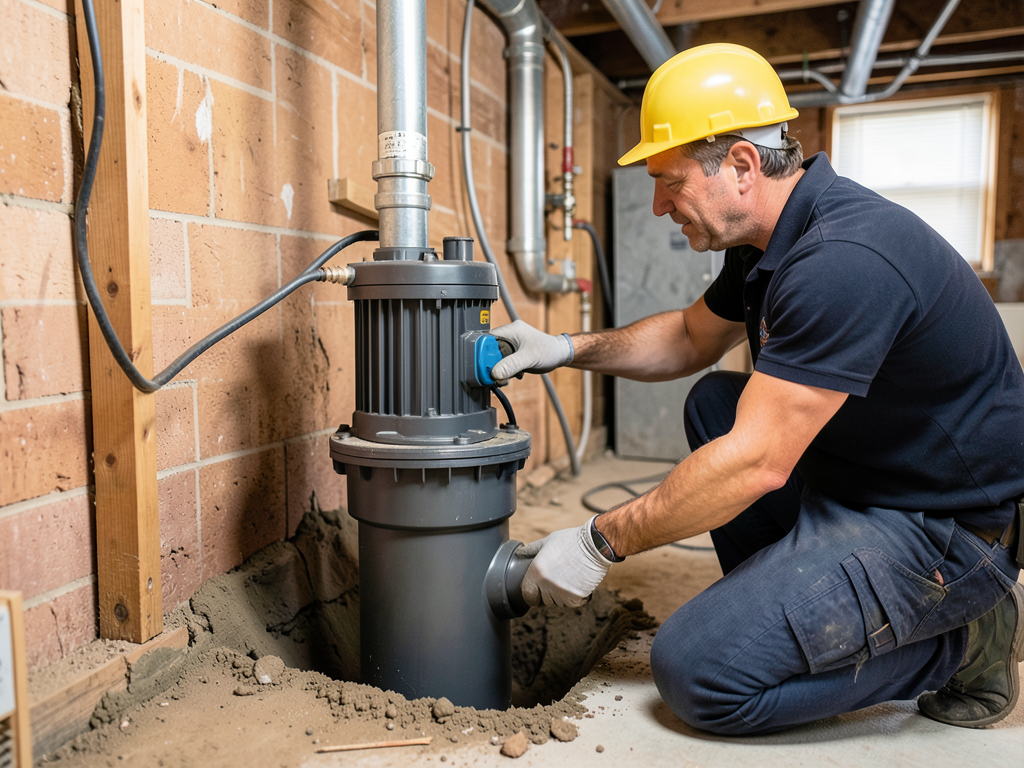
A technician measures water inflow rates using a calibrated flow meter to determine the exact horsepower needed for this Baltimore basement.
Signs Your Current Sump Pump Needs Replacement
Strange noises coming from your sump pit indicate mechanical wear. A healthy pump runs quietly with only the sound of water moving through the discharge pipe. Grinding rattling or high-pitched squealing suggests failing bearings or a damaged impeller. These sounds mean your pump is working harder than it should consuming more electricity while moving less water.
Constant cycling points to several potential problems. Your pump might be undersized for your home’s drainage needs or the float switch could be malfunctioning. Some homeowners notice their pump running every few minutes even during dry weather. This continuous operation shortens the pump’s lifespan and increases your utility bills.
Visible rust or corrosion on the pump housing indicates exposure to moisture beyond normal operation. Baltimore’s high humidity accelerates metal degradation especially in unheated basement spaces. A pump older than seven years faces a 50% chance of failure during the next major storm according to data from the Maryland Emergency Management Agency.
Standing water in your sump pit between rain events suggests your system cannot keep up with groundwater infiltration. The pit should remain mostly dry except during active pumping cycles. Persistent moisture creates the perfect environment for mold growth and can damage the pump’s electrical components.. Read more about Choosing Between a Battery or Water-Powered Sump Pump Backup in Lutherville.
Check your discharge pipe during the next rain. Water should shoot out forcefully and stop completely when the pump cycles off. Weak flow or continuous dripping indicates partial clogs or pump inefficiency. Baltimore’s freezing winters can cause discharge pipes to crack creating hidden leaks that reduce system performance.
Comparing Sump Pump Types for Baltimore Conditions
| Pump Type | Best For | Power Requirements | Lifespan in Baltimore |
|---|---|---|---|
| Submersible | High-volume applications | 1/3 to 1 HP | 5-7 years |
| Pedestal | Smaller pits budget installs | 1/4 to 1/3 HP | 7-10 years |
| Battery Backup | Power outage protection | 12V DC | 3-5 years (battery) |
Submersible pumps handle Baltimore’s heaviest rainfall better than pedestal models. Their sealed design prevents motor damage from moisture and they move more gallons per hour at lower energy costs. The trade-off is a shorter lifespan in our humid climate where constant moisture exposure accelerates wear on internal components.
Battery backup systems provide critical protection during Baltimore’s frequent summer thunderstorms. When power outages knock out your primary pump the backup automatically activates. Modern systems include alarms that notify you when the backup engages giving you time to address the situation before flooding occurs.
Combination units integrate a primary pump with a battery backup in a single package. These systems cost more upfront but eliminate the vulnerability of having separate components. For Baltimore homeowners in flood-prone areas the additional peace of mind justifies the investment.
Water-powered backup pumps offer an alternative for homes with municipal water service. These systems use water pressure to create suction that removes water from the pit. While they work during power outages they require a continuous water supply and may not function during municipal water disruptions common in severe storms.
Our Baltimore Sump Pump Installation Process
- Site Assessment
Our technician examines your current pit configuration measures water inflow rates using a calibrated flow meter and evaluates your home’s drainage patterns. We check for existing foundation cracks and measure the distance to your nearest discharge point.
- Pump Selection
Based on our measurements we recommend a pump size that can handle your specific water volume. Baltimore’s clay soil typically requires 1/3 HP pumps minimum with 1/2 HP recommended for homes in low-lying areas or near water bodies.
- Pit Preparation
We clean the existing pit remove debris that could clog the new pump and install a new liner if needed. The liner prevents soil from collapsing into the pit and provides a smooth surface for the pump to sit on.
- Electrical Installation
We install a dedicated GFCI-protected circuit for the pump ensuring compliance with NEC Article 680 for pool and fountain equipment. This protection prevents electrical shock hazards in wet environments.
- Discharge Line Routing
We route the discharge pipe at least 10 feet from your foundation using PVC pipe that can withstand Baltimore’s freeze-thaw cycles. We install a check valve to prevent backflow and a vent to release trapped air.
- Testing and Calibration
We fill the pit with water and monitor the pump’s performance adjusting the float switch height for optimal cycling. We verify that the discharge water flows freely and does not create erosion near your foundation.
The entire installation typically takes four to six hours depending on pit accessibility and existing conditions. We clean up all debris and test the system multiple times before considering the job complete. Our technicians explain the system operation and provide maintenance tips specific to Baltimore’s climate.
We handle all permit requirements for Baltimore City and County installations. The permitting process ensures your system meets local code requirements and will function properly during emergencies. Most permits are approved within 24 hours allowing us to complete your installation quickly.
Post-installation we offer a 30-day performance guarantee. If your system fails to keep your basement dry during normal rainfall we return to make necessary adjustments at no additional cost. This guarantee reflects our confidence in our installation methods and our understanding of Baltimore’s drainage challenges.
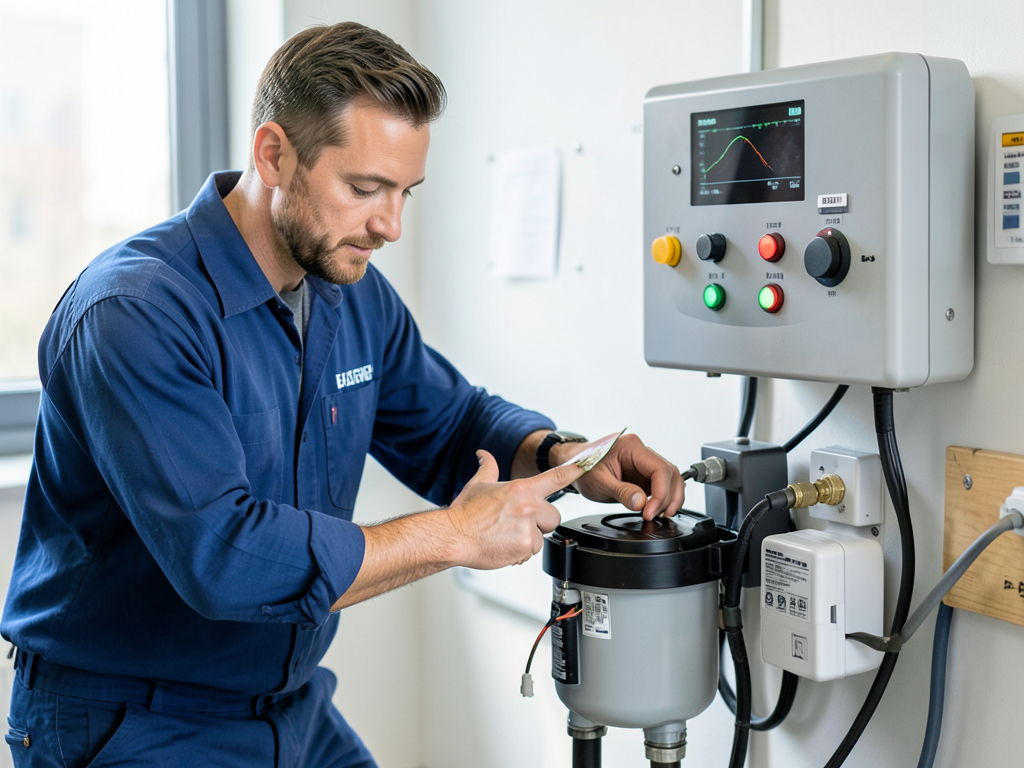
A completed sump pump installation showing the primary pump battery backup unit and properly routed discharge line extending away from the foundation.
Cost Factors for Baltimore Sump Pump Installation
Several variables affect your sump pump installation cost in Baltimore. Pit depth determines how much excavation work is needed. Standard pits are 18-24 inches deep but some Baltimore basements require pits up to 36 inches deep to reach stable soil layers. Deeper pits increase labor time and material costs.
Existing electrical infrastructure impacts installation complexity. Homes built before 1980 often lack proper GFCI protection near water sources. Adding this safety feature requires an electrician and increases project costs. However this upgrade is mandatory for code compliance and protects your family from electrical hazards.
Discharge line routing presents another cost variable. Homes with finished basements may require cutting through concrete floors to route pipes properly. This demolition and repair work adds $500-1000 to the project. We always discuss routing options that minimize damage to finished spaces.
Pump capacity directly correlates with price. A 1/3 HP pump handles most Baltimore homes adequately moving 2400-3000 gallons per hour. However homes in flood-prone areas like Ellicott City or near the Inner Harbor may need 1/2 HP or larger pumps capable of moving 4000+ gallons per hour.
Additional features increase costs but provide valuable protection. Battery backup systems add $500-800 to the project. Wi-Fi enabled pumps with smartphone monitoring cost $200-300 more than standard models. These features allow you to monitor your system remotely and receive alerts when problems occur.
Permitting fees vary by jurisdiction. Baltimore City charges $75-150 for plumbing permits while Baltimore County fees range from $50-100. These fees are required for all new installations and ensure your system meets local building standards. Plumbing Takoma Park.
We provide detailed written estimates that break down all costs before starting work. No hidden fees no surprise charges. Our estimates include all materials labor permits and cleanup. We also discuss financing options for larger projects making essential protection affordable for Baltimore homeowners.
Maintaining Your Sump Pump System
Regular maintenance prevents most sump pump failures. Test your system monthly by pouring a bucket of water into the pit. The pump should activate within seconds and shut off when the water level drops. If the pump doesn’t respond check the circuit breaker and GFCI outlet before calling for service.
Clean the inlet screen every three months. Debris accumulation reduces pump efficiency and can cause overheating. Baltimore’s spring pollen season often brings extra debris into basements making early summer an ideal time for cleaning. Use a soft brush and mild detergent to avoid damaging the screen.
Check the discharge line annually for blockages. Baltimore’s freeze-thaw cycles can cause pipes to separate at joints creating leaks that reduce system effectiveness. Look for wet spots in your yard during dry weather which indicate underground leaks. Clear any visible obstructions from the discharge opening.
Replace the battery in your backup system every three to five years even if it still holds a charge. Battery capacity decreases over time and you don’t want to discover this during a power outage. Many modern systems include battery health indicators that alert you when replacement is needed.
Listen for changes in pump operation. A pump that runs longer than usual or cycles more frequently may indicate failing components. The float switch is often the first part to wear out causing the pump to run continuously or not at all. Early detection prevents emergency service calls.
Consider professional maintenance annually. A technician can test pump performance under load check electrical connections and inspect the discharge line for hidden problems. This service typically costs $100-150 but can prevent thousands in water damage repairs.
We offer maintenance plans that include quarterly system checks and priority service during storm seasons. These plans provide peace of mind and ensure your system remains ready when Baltimore’s weather turns severe.
A technician performs annual maintenance on a sump pump system checking electrical connections and testing pump performance under simulated load conditions.
Why Choose Our Baltimore Sump Pump Services
We understand Baltimore’s unique drainage challenges because we’ve worked in these neighborhoods for years. Our technicians know which areas flood first during heavy rains and which soil types create the most problems. This local knowledge allows us to recommend solutions that actually work in Baltimore’s conditions.
Our installations comply with all Baltimore City and County plumbing codes. We pull all necessary permits and ensure your system meets current safety standards. This compliance protects you from potential fines and ensures your insurance will cover any claims related to the system.
We use commercial-grade equipment designed for continuous operation. The pumps we install can run for days without failure which is critical during Maryland’s hurricane season when storms can last for extended periods. Our battery backups include enough capacity to run for 24+ hours without recharging.
Emergency service is available 24/7. When your pump fails during a storm at 2 AM we answer the phone. Our technicians carry common replacement parts on their trucks allowing us to complete most emergency repairs in a single visit. We understand that every minute counts when water is entering your basement.
Transparent pricing means no surprises. We provide detailed written estimates before starting any work. If we discover additional problems during installation we discuss them with you before proceeding. Our goal is to be your trusted plumbing partner not just a one-time service provider.
Customer satisfaction drives everything we do. We follow up after installations to ensure your system is performing as expected. Our warranties cover both parts and labor giving you confidence in your investment. We’re not satisfied until you are.
Frequently Asked Questions
How long does sump pump installation take?
Most installations take 4-6 hours from start to finish. This includes removing the old pump preparing the pit installing the new system and testing everything. Complex installations with extensive electrical work or difficult access may take longer.
Do I need a permit for sump pump installation in Baltimore?
Yes Baltimore City and County require permits for new sump pump installations. The permit ensures your system meets local building codes and is properly connected to the drainage system. We handle all permitting requirements as part of our service.
What size pump do I need for my Baltimore home?
Most Baltimore homes need 1/3 HP pumps but homes in low-lying areas or near water bodies may need 1/2 HP or larger. We measure your specific water inflow rates to recommend the right size for your property.
How much does sump pump installation cost in Baltimore?
Installation costs typically range from $800-2500 depending on pump size pit depth electrical requirements and additional features like battery backup. We provide detailed written estimates before starting any work.
Should I get a battery backup system?
Yes especially in Baltimore where power outages often accompany heavy storms. A battery backup provides protection when you need it most. The cost is minimal compared to potential water damage from a failed primary pump during an outage.
How often should I replace my sump pump?
Most pumps last 5-7 years in Baltimore’s humid conditions. However regular maintenance can extend this lifespan. If your pump is over 7 years old or showing signs of wear replacement is often more cost-effective than risking failure during a storm.
What happens if my pump fails during a storm?
We offer 24/7 emergency service throughout Baltimore. If your pump fails during a storm call us immediately. We prioritize emergency calls and can often arrive within 2 hours to prevent flooding damage.
Don’t wait for the next Baltimore storm to discover your sump pump isn’t working. Water damage from a failed system can cost thousands in repairs and create health hazards from mold growth. Our expert technicians can assess your current system and recommend the right solution for your home’s specific needs.
Call (443) 443-9099 today to schedule your sump pump assessment. We’ll evaluate your current system measure your drainage needs and provide a detailed estimate for installation. Our team serves all of Baltimore City and County including Canton Federal Hill Roland Park and surrounding areas.
Protect your home before the next storm hits. Pick up the phone and call (443) 443-9099 now. Your basement will thank you. For more information, visit National Association of Certified Home Inspectors sump pump guidelines.
{
“@context”: “https://schema.org”,
“@type”: “BlogPosting”,
“headline”: “Getting a New Sump Pump Installed Before the Next Baltimore Storm”,
“description”: “Protect your Baltimore home from flooding with professional sump pump installation. Serving Canton, Fells Point, Federal Hill & all of Baltimore City & County.”,
“wordCount”: 2726,
“datePublished”: “2026-02-15T12:15:00.000Z”,
“dateModified”: “2026-02-15T12:15:00.000Z”,
“inLanguage”: “en-US”,
“mainEntityOfPage”: {
“@type”: “WebPage”,
“@id”: “https://keystoneplumbingbaltimore.com”
},
“publisher”: {
“@type”: “LocalBusiness”,
“name”: “Keystone Plumbing Baltimore”,
“url”: “https://keystoneplumbingbaltimore.com”
},
“author”: {
“@type”: “Organization”,
“name”: “Keystone Plumbing Baltimore”,
“url”: “https://keystoneplumbingbaltimore.com”
},
“image”: {
“@type”: “ImageObject”,
“url”: “https://keystoneplumbingbaltimore.com/wp-content/uploads/2026/03/getting-a-new-sump-pump-installed-before-the-next-1.png”
}
}
{
“@context”: “https://schema.org”,
“@type”: “Plumber”,
“name”: “Keystone Plumbing Baltimore”,
“url”: “https://keystoneplumbingbaltimore.com”,
“address”: {
“@type”: “PostalAddress”,
“addressLocality”: “Baltimore”
},
“areaServed”: {
“@type”: “City”,
“name”: “Baltimore”
}
}
{
“@context”: “https://schema.org”,
“@type”: “FAQPage”,
“mainEntity”: [
{
“@type”: “Question”,
“name”: “How long does sump pump installation take?”,
“acceptedAnswer”: {
“@type”: “Answer”,
“text”: “Most installations take 4-6 hours from start to finish. This includes removing the old pump preparing the pit installing the new system and testing everything. Complex installations with extensive electrical work or difficult access may take longer.”
}
},
{
“@type”: “Question”,
“name”: “Do I need a permit for sump pump installation in Baltimore?”,
“acceptedAnswer”: {
“@type”: “Answer”,
“text”: “Yes Baltimore City and County require permits for new sump pump installations. The permit ensures your system meets local building codes and is properly connected to the drainage system. We handle all permitting requirements as part of our service.”
}
},
{
“@type”: “Question”,
“name”: “What size pump do I need for my Baltimore home?”,
“acceptedAnswer”: {
“@type”: “Answer”,
“text”: “Most Baltimore homes need 1/3 HP pumps but homes in low-lying areas or near water bodies may need 1/2 HP or larger. We measure your specific water inflow rates to recommend the right size for your property.”
}
},
{
“@type”: “Question”,
“name”: “How much does sump pump installation cost in Baltimore?”,
“acceptedAnswer”: {
“@type”: “Answer”,
“text”: “Installation costs typically range from $800-2500 depending on pump size pit depth electrical requirements and additional features like battery backup. We provide detailed written estimates before starting any work.”
}
},
{
“@type”: “Question”,
“name”: “Should I get a battery backup system?”,
“acceptedAnswer”: {
“@type”: “Answer”,
“text”: “Yes especially in Baltimore where power outages often accompany heavy storms. A battery backup provides protection when you need it most. The cost is minimal compared to potential water damage from a failed primary pump during an outage.”
}
},
{
“@type”: “Question”,
“name”: “How often should I replace my sump pump?”,
“acceptedAnswer”: {
“@type”: “Answer”,
“text”: “Most pumps last 5-7 years in Baltimore’s humid conditions. However regular maintenance can extend this lifespan. If your pump is over 7 years old or showing signs of wear replacement is often more cost-effective than risking failure during a storm.”
}
},
{
“@type”: “Question”,
“name”: “What happens if my pump fails during a storm?”,
“acceptedAnswer”: {
“@type”: “Answer”,
“text”: “We offer 24/7 emergency service throughout Baltimore. If your pump fails during a storm call us immediately. We prioritize emergency calls and can often arrive within 2 hours to prevent flooding damage.”
}
}
]
}
{
“@context”: “https://schema.org”,
“@type”: “HowTo”,
“name”: “Sump Pump Installation Process”,
“step”: [
{
“@type”: “HowToStep”,
“position”: 1,
“name”: “Site Assessment”,
“text”: “Our technician examines your current pit configuration measures water inflow rates using a calibrated flow meter and evaluates your home’s drainage patterns. We check for existing foundation cracks and measure the distance to your nearest discharge point.”
},
{
“@type”: “HowToStep”,
“position”: 2,
“name”: “Pump Selection”,
“text”: “Based on our measurements we recommend a pump size that can handle your specific water volume. Baltimore’s clay soil typically requires 1/3 HP pumps minimum with 1/2 HP recommended for homes in low-lying areas or near water bodies.”
},
{
“@type”: “HowToStep”,
“position”: 3,
“name”: “Pit Preparation”,
“text”: “We clean the existing pit remove debris that could clog the new pump and install a new liner if needed. The liner prevents soil from collapsing into the pit and provides a smooth surface for the pump to sit on.”
},
{
“@type”: “HowToStep”,
“position”: 4,
“name”: “Electrical Installation”,
“text”: “We install a dedicated GFCI-protected circuit for the pump ensuring compliance with NEC Article 680 for pool and fountain equipment. This protection prevents electrical shock hazards in wet environments.”
},
{
“@type”: “HowToStep”,
“position”: 5,
“name”: “Discharge Line Routing”,
“text”: “We route the discharge pipe at least 10 feet from your foundation using PVC pipe that can withstand Baltimore’s freeze-thaw cycles. We install a check valve to prevent backflow and a vent to release trapped air.”
},
{
“@type”: “HowToStep”,
“position”: 6,
“name”: “Testing and Calibration”,
“text”: “We fill the pit with water and monitor the pump’s performance adjusting the float switch height for optimal cycling. We verify that the discharge water flows freely and does not create erosion near your foundation.”
}
],
“image”: “https://keystoneplumbingbaltimore.com/wp-content/uploads/2026/03/getting-a-new-sump-pump-installed-before-the-next-1.png”
}
{
“@context”: “https://schema.org”,
“@type”: “BreadcrumbList”,
“itemListElement”: [
{
“@type”: “ListItem”,
“position”: 1,
“name”: “Home”,
“item”: “https://keystoneplumbingbaltimore.com”
},
{
“@type”: “ListItem”,
“position”: 2,
“name”: “Blog”,
“item”: “https://keystoneplumbingbaltimore.com/blog”
},
{
“@type”: “ListItem”,
“position”: 3,
“name”: “Getting a New Sump Pump Installed Before the Next Baltimore Storm”
}
]
}
{
“@context”: “https://schema.org”,
“@type”: “Service”,
“serviceType”: “Plumbing”,
“provider”: {
“@type”: “LocalBusiness”,
“name”: “Keystone Plumbing Baltimore”,
“url”: “https://keystoneplumbingbaltimore.com”
},
“areaServed”: {
“@type”: “City”,
“name”: “Baltimore”
},
“description”: “Protect your Baltimore home from flooding with professional sump pump installation. Serving Canton, Fells Point, Federal Hill & all of Baltimore City & County.”
}