
Finding the Best Water Heater for a Narrow Canton Rowhouse
Canton rowhouses offer a unique lifestyle near the water and O’Donnell Square. These homes also feature some of the tightest utility spaces in Baltimore. When your current water heater starts leaking or fails to provide enough hot water for your morning shower, you face a difficult choice. Most standard water heaters do not fit through narrow basement doors or down steep stairs found in local historic homes. You need a solution that fits your floor plan while meeting the high demands of modern life in 2026.
Living in a rowhome means every square inch of floor space carries high value. Whether you live in a renovated property near Patterson Park or a classic brick home on a narrow alley, your plumbing system must be efficient. Traditional 50 gallon water tanks often consume an entire closet or a large corner of a small basement. Replacing these units requires careful planning to ensure the new appliance fits the physical space and the existing utility connections. This guide helps you weigh the options between tankless systems, low boy units, and point of use heaters specifically for the Baltimore housing market.
Baltimore Rowhomes Present Unique Space Challenges
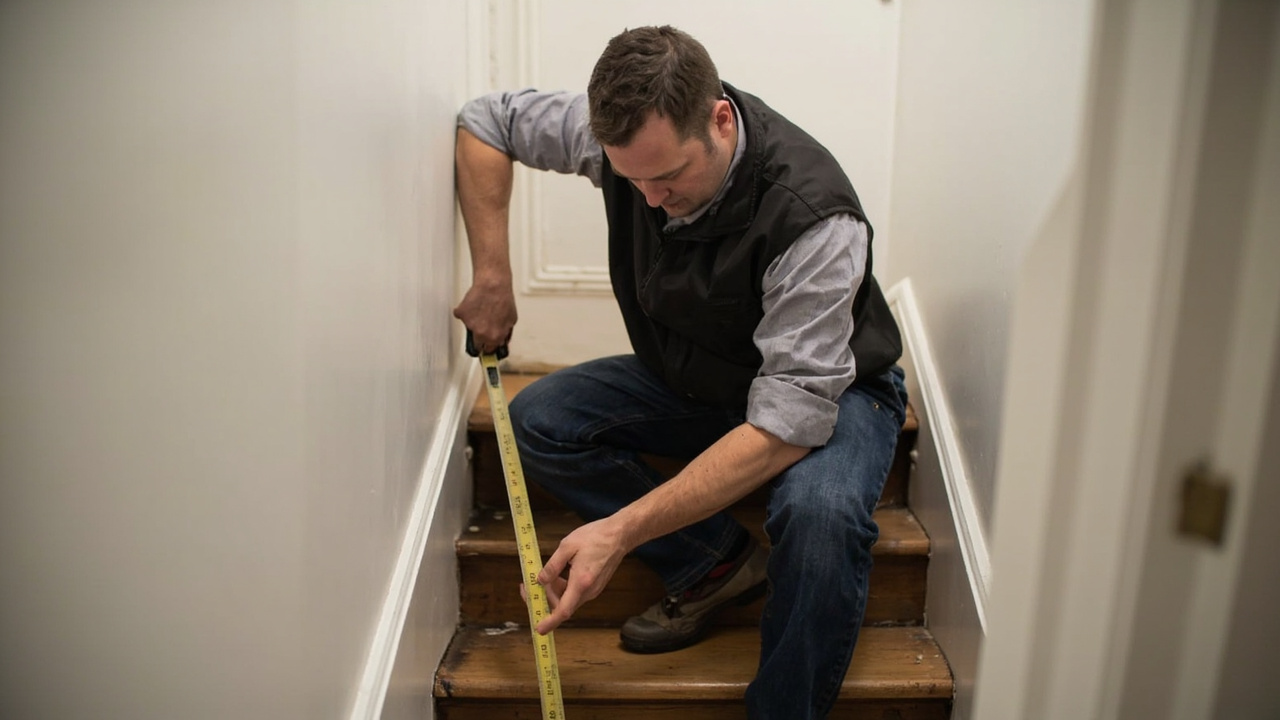
The architecture of Canton and Fells Point was not built for modern appliances. Many homes feature basement stairs with a coffin corner which is a sharp turn that makes moving large objects nearly impossible. If your water heater sits in a crawlspace or a tiny utility closet under the stairs, you cannot simply buy a standard tall unit from a big box store. You must measure the height, width, and depth of the available space before looking at models.
Many homeowners also find that the drains in Canton rowhomes always seem to clog because of old pipe configurations and narrow diameters. When you install a new water heater, you should also inspect the surrounding drainage system. A new high-efficiency unit might require a condensate drain line that your old basement was never designed to handle. Ensuring your floor drain or sump pump can manage this extra moisture is a key step in the installation process. Residents near the harbor should also consider the humidity levels in their basements which can impact the lifespan of the outer shell of a metal tank.
Tankless Water Heaters Save Valuable Floor Space
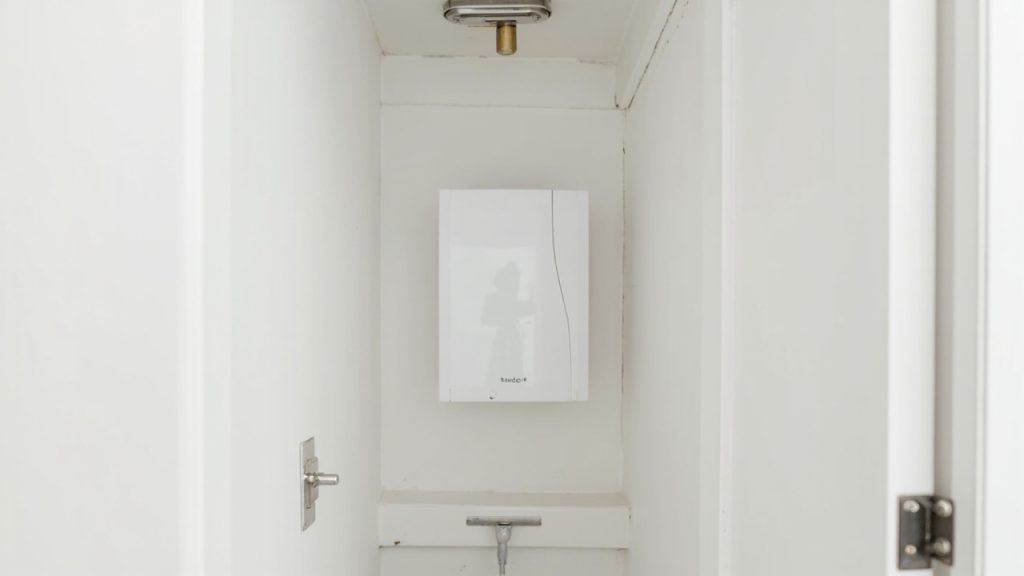
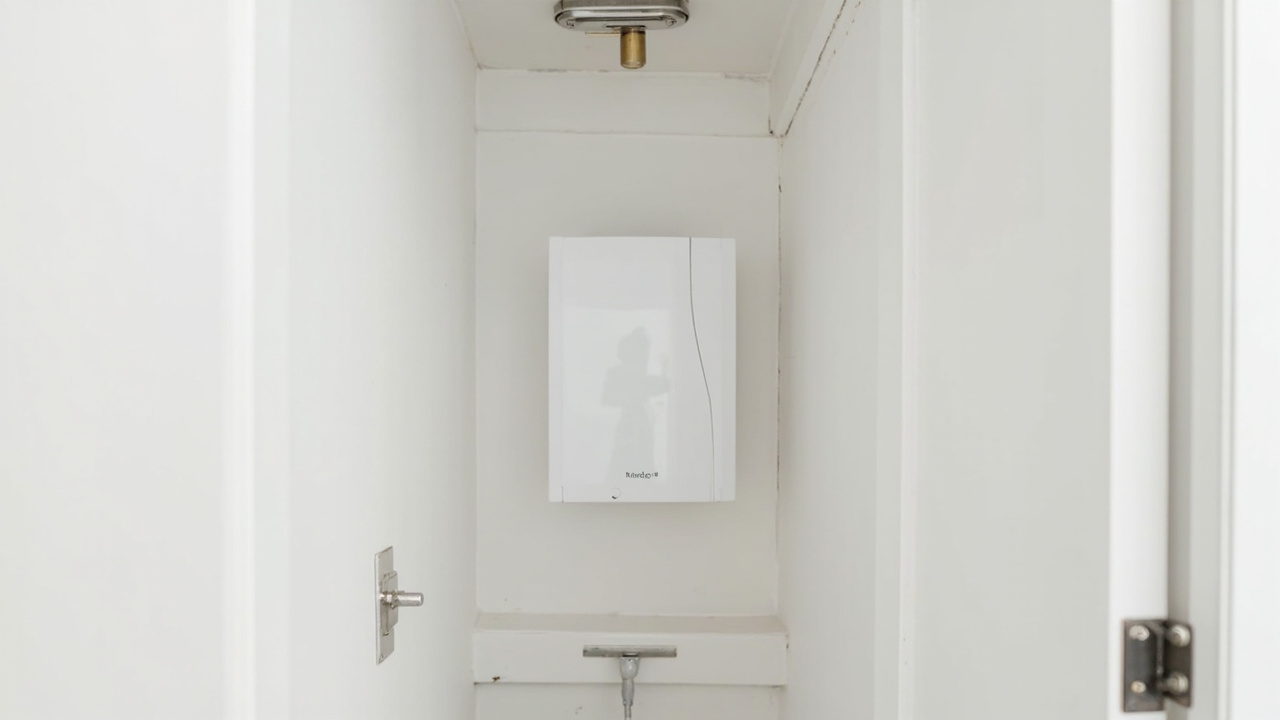
A tankless water heater is often the best water heater for small spaces. These units hang on the wall and take up about the same amount of room as a medium suitcase. By removing a bulky tank from the floor, you can regain several square feet of storage space. Tankless models heat water on demand as it flows through the heat exchanger. This means you never run out of hot water even if multiple people shower in a row. This technology is highly beneficial for rowhomes with limited vertical clearance.
Current 2026 standards for energy efficiency make tankless units very attractive. They only consume fuel when you turn on a hot water tap. This reduces your monthly energy bill compared to a tank that keeps water hot 24 hours a day. For gas-powered tankless units, you must ensure your gas line is large enough to handle the higher BTU requirements. Many older Canton homes have half-inch gas lines that may need an upgrade to three-quarter-inch or one-inch pipes to support a whole-home tankless system. You can learn more about how these demand-type systems work from the U.S. Department of Energy.
Low Boy and Shorty Tank Options for Tight Basements
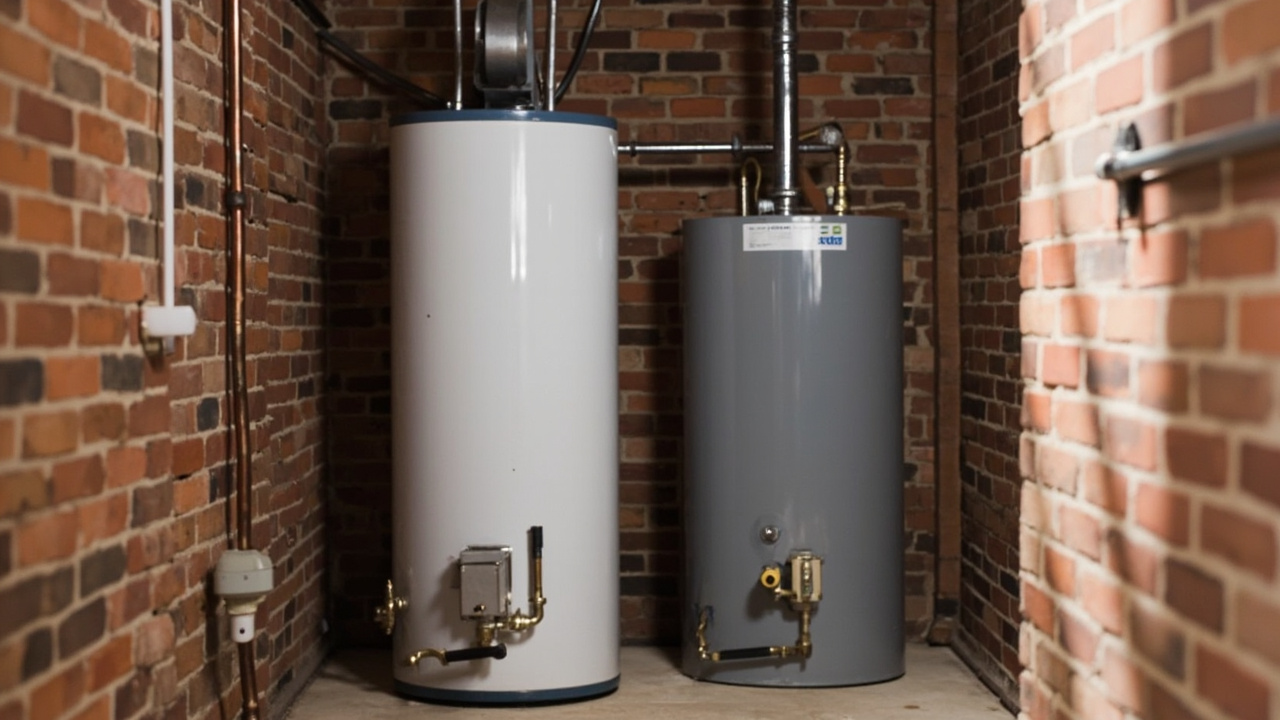
If a tankless unit is not feasible due to venting or gas line constraints, a low boy water heater is a great alternative. These are also known as shorty tanks. They are shorter and wider than standard heaters. A typical tall water heater stands about 60 inches high. A low boy unit might only stand 30 to 48 inches tall. This makes them perfect for crawlspaces or for installation under a countertop. While they take up more floor space than a tankless unit, they fit under low-hanging floor joists where a tall tank cannot stand.
When selecting a low boy tank, you must check the recovery rate. This is the amount of hot water the tank can produce in one hour after being emptied. Because these tanks are smaller, they might run out of hot water faster during peak usage times. In 2026, most manufacturers have improved the insulation on these units, meaning they stay hot longer with less energy. However, you still need to ensure the gallon capacity matches your household needs. A 30 or 40 gallon low boy is common for smaller rowhomes with one or two occupants.
Comparing Water Heater Dimensions for Small Spaces
| Unit Type | Typical Height | Typical Width | Best Installation Spot |
|---|---|---|---|
| Standard Tall Tank | 58 to 62 inches | 20 to 22 inches | Open basement areas |
| Low Boy Tank | 32 to 47 inches | 20 to 26 inches | Under stairs or crawlspaces |
| Gas Tankless | 24 to 28 inches | 14 to 18 inches | Wall mounted near exterior |
| Electric Point of Use | 12 to 15 inches | 10 to 12 inches | Inside kitchen or bathroom cabinets |
Sizing Your Water Heater for Your Canton Home
Sizing is not just about the physical footprint of the unit. It is about flow rates and gallon capacity. For a tankless water heater for small spaces, you measure capacity in Gallons Per Minute (GPM). Baltimore groundwater is colder in the winter, which means your heater has to work harder to raise the temperature. A unit that provides 5 GPM in the summer might only provide 3 GPM in the winter. You need to choose a unit that can handle at least two simultaneous fixtures during a Baltimore January.
For tank-based systems, you should look at the First Hour Rating. This tells you how much hot water you get in the first hour of use starting with a full tank. If you have a large soaking tub in a master suite renovation, a small 30 gallon tank will not be enough to fill it. You might need to combine a smaller tank with a mixing valve to increase the usable hot water volume without increasing the physical size of the tank. If you are worried about the cost of these different setups, you can check the honest truth about water heater replacement costs in Columbia and the surrounding metro area for a better perspective on pricing variables.
Understanding Venting Requirements in Historic Brick Homes
Venting is the most difficult part of installing a new water heater in a Canton rowhouse. Traditional tanks often vent through an existing masonry chimney. If you switch to a high-efficiency tankless unit or a power-vented tank, you cannot use the old chimney without a special liner. These modern units usually vent through a PVC pipe that goes out the side of the house. In a rowhome, you only have two exterior walls. This limits where you can place the unit.
Drilling a vent hole through two feet of historic Baltimore brick requires precision. You must also follow strict codes regarding how far the vent must be from windows and doors. If your home is in a historic district, you might need specific approvals before changing the exterior look of your home with new vent caps. Electric water heaters avoid this problem entirely because they do not require venting. This makes electric models a popular choice for interior closets, though they often require significant electrical upgrades.
Water Heater Performance and Flow Rate Data
| Household Size | Tankless Flow Rate (GPM) | Tank Capacity (Gallons) | Simultaneous Uses |
|---|---|---|---|
| 1 Person | 3.0 GPM | 30 Gallons | 1 Shower |
| 2 People | 5.0 GPM | 40 Gallons | 1 Shower and 1 Sink |
| 3 People | 7.5 GPM | 50 Gallons | 2 Showers |
| 4+ People | 9.0+ GPM | 50+ Gallons | 2 Showers and 1 Appliance |
Electrical Upgrades for Modern Water Heating Systems
If you choose an electric tankless water heater, you will likely need to upgrade your electrical panel. These units draw a massive amount of power. Many old rowhomes in Baltimore still have 100 amp or 150 amp panels. An electric tankless unit can require two or three 40 amp or 60 amp breakers on its own. This would overload a standard old panel. Before you commit to an electric unit, have the panel inspected to see if it can handle the load.
Even gas water heaters require a small amount of electricity to power the digital control board and the exhaust fan. If your utility closet does not have an outlet, one must be installed. Safety is a priority in these tight spaces. You must ensure there is adequate clearance for electrical components to prevent overheating. If you ever experience a sudden electrical or plumbing failure, like a midnight pipe burst in Towson or Canton, knowing where your shutoff valves and breakers are located can save your home from major damage.
The Importance of Thermal Expansion Tanks
In 2026, Baltimore plumbing codes require a thermal expansion tank on most new water heater installations. When water is heated, it expands. In an older open system, this pressure could push back into the city water main. Modern systems use check valves and pressure reducing valves that create a closed system. Without an expansion tank, the extra pressure from heated water can stress your pipes and cause your water heater to leak prematurely. These small tanks are about the size of a basketball and must be mounted near the main water heater. Finding space for this extra component is another reason why measuring your utility area is so important.
If your basement is prone to moisture, you should also consider keeping the area dry. Many Federal Hill and Canton basements sit below the water table or have porous foundations. You can keep your Federal Hill basement dry with professional sump pump repair which protects your new water heater from rust and electrical shorts. A dry environment extends the life of your plumbing appliances and prevents mold growth in the small closets where heaters are often hidden.
Maintenance Tips for Rowhome Water Heaters
Maintenance is vital when your water heater is tucked away in a hard-to-reach spot. Baltimore city water contains minerals that can settle at the bottom of a tank. This sediment creates an insulating layer that makes the burner or element work harder, leading to tank failure. You should flush your tank at least once a year. For tankless units, you must descale the heat exchanger using a vinegar solution to remove calcium buildup. This ensures the narrow passageways inside the unit stay clear and efficient.
- Flush the tank annually to remove Baltimore city sediment.
- Check the anode rod every three years to prevent tank corrosion.
- Test the temperature and pressure relief valve to ensure it is not stuck.
- Inspect the vent pipes for any signs of blockages or cracks.
- Clean the air intake filter on tankless models to maintain proper combustion.
If you have older sewer lines, you might also want to look into modern maintenance for your entire home. Many residents are fixing damaged sewer lines in Baltimore without digging up your whole yard using modern trenchless technology. Integrating these modern plumbing solutions ensures that your new water heater and your drainage system work together perfectly for years to come.
Local Rebates and Incentives for Baltimore Residents
Upgrading to a high-efficiency water heater for small spaces can qualify you for various savings. BGE offers several programs for residential customers who switch to Energy Star certified appliances. These rebates can help offset the higher initial cost of a tankless or heat pump water heater. You should also check for federal tax credits that apply to energy-efficient home improvements in 2026. These financial incentives make it easier to choose the best technology rather than the cheapest option.
When you are ready to upgrade your Canton home, focus on a unit that balances physical size with performance. Measure your door frames, your stairwells, and your utility closet twice. Consider the long-term energy savings of tankless models and the space-saving benefits of low boy tanks. With the right planning, you can enjoy endless hot water without sacrificing the limited space in your historic rowhome. Contact a local expert who understands the specific challenges of Baltimore plumbing to get your installation started correctly.