
Building a pool house in Butler means navigating Maryland’s unique climate and strict building codes. A properly designed plumbing system prevents frozen pipes in winter and ensures reliable operation year-round. This guide covers the essential considerations for homeowners planning an accessory structure in Baltimore County. Baltimore County Department of Permits.
Understanding Baltimore County Pool House Plumbing Codes
Baltimore County follows the International Plumbing Code with Maryland amendments. For any accessory structure with plumbing, you need a building permit and a separate plumbing permit. The county requires all outdoor plumbing to meet specific depth requirements to prevent freezing damage. Maryland State Board of Plumbing.
The frost line in Maryland extends to 30 inches below grade. Any supply lines buried shallower than this depth risk bursting during the first hard freeze. Baltimore County inspectors check trench depth before approving any underground work. Who to Call for an Emergency Pipe Burst in Canton Right Now.
Local code also mandates specific materials for outdoor use. PEX piping has become the standard for pool house supply lines due to its flexibility and freeze resistance. Copper remains acceptable but requires more careful installation to prevent joint failures from ground movement.
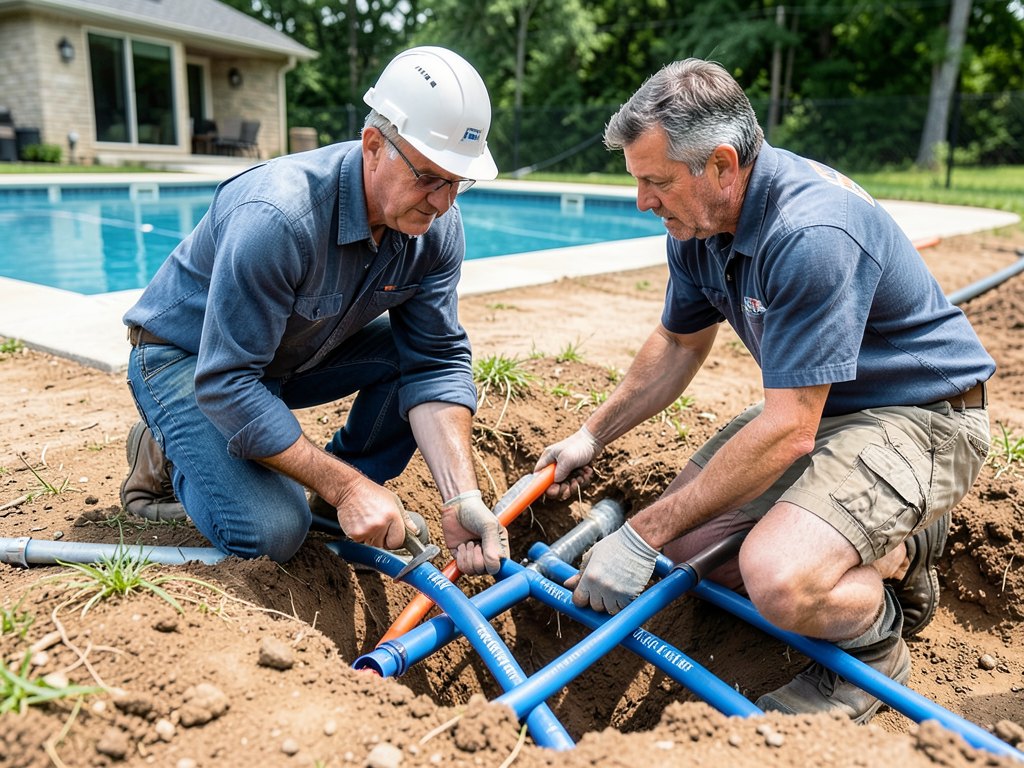
Diagram showing proper trench depth and pipe insulation requirements for Maryland pool houses. Read more about Plumbing Requirements for Adding a Tiny Home or ADU in Baltimore County.
Essential Components of a Pool House Plumbing System
A functional pool house needs three main systems: supply lines, waste lines, and venting. Each component must be sized and installed according to local requirements.
Supply lines bring fresh water to sinks, showers, and outdoor spigots. In Butler’s climate, these lines need insulation rated for below-freezing temperatures. A typical pool house requires 3/4-inch main supply with 1/2-inch branch lines to fixtures. Fast Water Heater Replacement for Homeowners in Towson and Lutherville.
Waste lines carry gray water and sewage away from the structure. If your pool house sits below the main sewer line elevation, you will need a sewage ejector pump. These pumps grind waste and pump it uphill to the main sewer connection. Fixing Low Water Pressure in Your Locust Point Rowhome.
Venting prevents traps from siphoning dry and allows sewer gases to escape safely. Every fixture needs proper venting, typically through the roof. In tight spaces, air admittance valves can substitute for traditional venting in some applications. Trenchless Sewer Line Repair for Historic Homes in Roland Park.
Comparison of Pipe Materials for Pool Houses
| Material | Cost per Foot | Freeze Resistance | Installation Difficulty |
|---|---|---|---|
| PEX | $0.50 – $2.00 | Excellent | Easy |
| Copper | $2.00 – $4.00 | Good | Difficult |
| PVC | $0.30 – $1.50 | Poor | Easy |
Permit Requirements in Baltimore County
Obtaining permits for a pool house with plumbing requires several steps. First, submit building plans to the Baltimore County Department of Permits and Development Management. These plans must show the structure’s footprint, electrical layout, and complete plumbing diagrams.. Read more about Comparing Gas and Electric Tankless Water Heaters for Your Middle River Home.
Once building permits are approved, you need separate plumbing permits. A licensed Maryland Master Plumber must pull these permits. The county requires three inspections: rough-in, final, and pressure test.
Rough-in inspection happens after trenches are dug and pipes are installed but before walls are closed. The inspector checks pipe sizing, support methods, and trench depth. Final inspection occurs when all fixtures are installed and connected.
Pressure testing verifies the system holds water without leaks. Baltimore County requires 60 PSI for at least 15 minutes with no pressure drop. Any drop indicates a leak that must be repaired before final approval.
The Importance of Backflow Prevention
Maryland law requires backflow prevention devices on all outdoor water connections. These devices stop pool chemicals and other contaminants from flowing backward into the public water supply.
For pool houses, you typically need a Reduced Pressure Zone (RPZ) valve if you have chemical injection systems or if the structure sits below the main water supply elevation. These valves contain two check valves and a relief valve to provide maximum protection.
RPZ valves require annual testing by a certified tester. Baltimore County maintains a list of approved testers who can verify proper operation and submit required documentation to the water authority.
Without proper backflow prevention, you risk contaminating not just your own water supply but your neighbors’ as well. This violation can result in fines and mandatory system shutdown until compliance is achieved.
Winterization: Protecting Your Investment from Maryland Winters
Maryland winters can drop below 20 degrees Fahrenheit, causing unprotected pipes to freeze and burst. Proper winterization protects your pool house plumbing from costly damage.
Install frost-proof sillcocks on all outdoor spigots. These fixtures have a valve mechanism located inside the heated structure, keeping the actual water shut-off point away from freezing temperatures.
For pool houses with bathrooms or kitchens, install a dedicated shut-off valve inside the main house. This allows you to drain the entire system without affecting your home’s plumbing. Professional Drain Cleaning Services to Clear Stubborn Clogs in Federal Hill.
Use compressed air to blow out all water lines before the first freeze. Connect an air compressor to the system and open each fixture until only air comes out. This removes standing water that could freeze and expand.
Consider heat tape on vulnerable pipes, especially those near exterior walls or in uninsulated spaces. Modern heat tape has built-in thermostats that activate only when temperatures approach freezing.
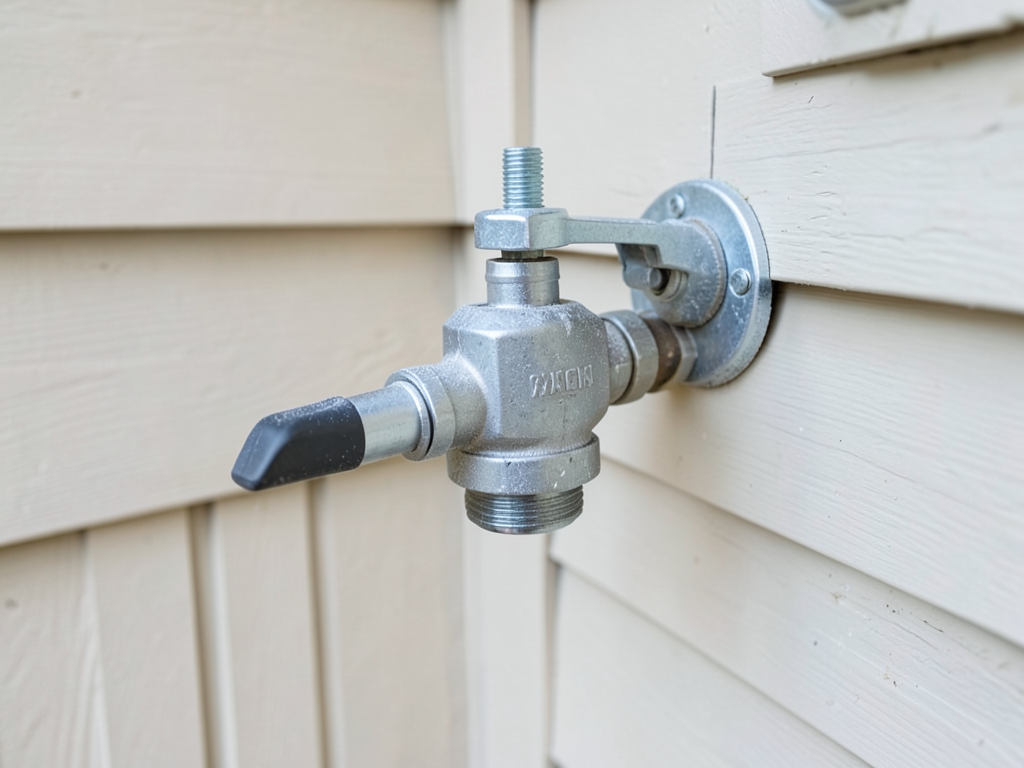
Photo of a properly winterized pool house showing insulated pipes and shut-off valves
Cost Factors and Trenching Requirements
Plumbing a pool house involves several cost components. Material costs vary by pipe type, with PEX running $0.50 to $2.00 per foot and copper costing $2.00 to $4.00 per foot. Labor typically accounts for 40-60% of the total cost.
Trenching represents a significant portion of installation costs. Baltimore County requires 30-inch minimum depth for supply lines. Excavation costs average $5 to $10 per linear foot, depending on soil conditions and obstacles like tree roots or rocks.
Septic considerations affect costs if your property uses a private system. Pool house waste must connect to your existing septic tank or a new dedicated system. This often requires a separate permit and inspection from the health department.
Water heater selection impacts both upfront and operating costs. Tankless units save space but cost more initially. Point-of-use heaters work well for small sinks but cannot handle multiple fixtures simultaneously.
Pool House Plumbing Cost Breakdown
| Component | Typical Cost Range | Notes |
|---|---|---|
| Supply Lines | $500 – $2,000 | Depends on distance and material |
| Waste Lines | $400 – $1,800 | Includes ejector pump if needed |
| Permits | $300 – $800 | Baltimore County fees |
| Winterization | $200 – $500 | Heat tape, insulation, valves |
| Total Project | $1,400 – $5,100 | Basic to fully featured |
Water Heater Options for Pool Houses
Choosing the right water heater affects both comfort and energy costs. Pool houses typically need smaller units than main residences since usage is intermittent.
Tankless water heaters provide endless hot water on demand without standby heat loss. They cost more upfront but save energy over time. A 4-6 gallon per minute unit handles one shower and a sink simultaneously.
Point-of-use electric heaters install directly under sinks for instant hot water. These work well for hand washing but cannot supply showers or dishwashers. They cost $150 to $300 and install easily on existing circuits.
Small tank heaters (10-20 gallons) offer a middle ground. They cost less than tankless units and provide adequate hot water for occasional use. Recovery time matters if multiple people shower back-to-back.
Consider the fuel source available. Electric heaters install anywhere but cost more to operate. Gas units heat faster but require proper venting and gas line installation.
Sewage Ejector Pumps and Drainage Solutions
If your pool house sits below the main sewer line, gravity drainage won’t work. Sewage ejector pumps grind waste and pump it uphill to the main sewer connection.
These pumps need a sealed basin to contain odors and prevent backups. The basin should hold at least 30 gallons to handle typical usage without overflowing. A 1/2 horsepower pump handles most residential applications.
Installation requires careful planning. The pump needs a dedicated 20-amp circuit and must sit on a stable concrete pad. Vent the basin through the roof to prevent pressure buildup and allow sewer gases to escape safely.
Maintenance keeps ejector pumps working properly. Clean the basin annually and test the pump quarterly by pouring water into the basin until the pump activates. Replace the pump every 7-10 years before failure occurs.
For gray water only (sinks, showers), simpler sump pumps might suffice. These handle clean water but cannot process toilet waste or harsh chemicals that could damage the pump.
Common Installation Mistakes to Avoid
Many pool house plumbing failures stem from preventable errors. Understanding these pitfalls helps you avoid costly repairs.
Insufficient insulation causes frozen pipes even when buried below the frost line. Pipes near exterior walls or in unheated spaces need additional insulation rated for local temperatures.
Improper pipe support leads to sagging and eventual leaks. Support PEX every 32 inches and copper every 6 feet. Use appropriate hangers that won’t damage the pipe material.
Incorrect slope prevents proper drainage. Waste lines need 1/4 inch per foot slope minimum. Too little slope causes slow drainage; too much can cause liquid to outrun solids.
Missing cleanouts makes future maintenance difficult. Install cleanouts at every change of direction and where horizontal runs exceed 100 feet. These access points save hours of troubleshooting time.
Undersized supply lines create pressure drops when multiple fixtures run simultaneously. A 1/2-inch line might work for a single sink but cannot supply a shower and sink together without noticeable pressure loss.
Maintenance Schedule for Pool House Plumbing
Regular maintenance prevents emergencies and extends system life. Create a schedule to keep your pool house plumbing in top condition.
Spring maintenance includes checking for winter damage, testing all fixtures, and inspecting visible pipes for leaks or corrosion. This is also the time to prepare for summer usage.
Summer brings peak usage. Monitor water pressure and check for unusual sounds that might indicate pump or valve problems. Clean aerators and showerheads to maintain good flow.
Fall preparation focuses on winterization. Drain outdoor lines, insulate vulnerable pipes, and test the heating system if you have one. Consider scheduling a professional inspection before cold weather arrives.
Winter monitoring involves checking for ice buildup around outdoor fixtures and ensuring heat tape functions properly. Keep the area around pipes clear of snow and debris that could cause freezing.
Annual professional inspection catches problems early. A licensed plumber can pressure test the system, check valve operation, and identify potential failure points before they cause damage.
Photo of a plumber performing pressure testing on a pool house plumbing system
Why Professional Installation Matters
Pool house plumbing requires expertise beyond basic residential work. The combination of outdoor exposure, seasonal usage, and local code requirements demands professional knowledge.
Professional plumbers understand Baltimore County’s specific requirements. They know which materials perform best in local soil conditions and how to navigate the permit process efficiently.
Proper installation prevents callbacks and warranty issues. DIY mistakes often cost more to fix than professional installation would have cost initially. Insurance companies may deny claims for damage caused by unlicensed work.
Professionals carry proper insurance and warranties. If something goes wrong, you have recourse beyond just paying for repairs out of pocket. Licensed work also maintains your property value and passes inspection when selling.
Time savings matter too. What might take a homeowner weeks of research and trial-and-error takes a professional plumber days. Your pool house gets finished faster and works properly from day one.
Frequently Asked Questions
How deep should pool house water lines be buried in Baltimore?
Maryland requires a minimum of 30 inches below grade to protect against freezing. In areas with poor drainage or near foundations, go deeper. Always check with Baltimore County for specific requirements in your area.
Do I need a separate permit for pool house plumbing?
Yes. Baltimore County requires both building and plumbing permits for any structure with running water. A licensed Master Plumber must pull the plumbing permit and oversee all work.
What’s the best pipe material for outdoor pool house plumbing?
PEX offers the best combination of freeze resistance, ease of installation, and cost-effectiveness for most pool houses. Copper works well but costs more and requires more careful installation to prevent joint failures.
How much does it cost to plumb a basic pool house?
A basic pool house with one sink and outdoor spigot typically costs $1,500 to $3,000 for materials and labor. Adding a bathroom with toilet and shower can increase costs to $4,000 to $7,000.
Can I use my home’s water supply for the pool house?
Yes, but you need proper backflow prevention and a dedicated shut-off valve. The supply line must meet code requirements for depth and material. A professional plumber should design this connection to prevent pressure issues.
Building a pool house in Butler requires careful planning and professional expertise. From navigating Baltimore County codes to ensuring proper winterization, every detail matters for a system that works reliably year after year.
Don’t risk frozen pipes or code violations. Call (443) 443-9099 today to schedule your pool house plumbing consultation. Our licensed Maryland plumbers understand the unique challenges of Butler’s climate and can design a system that protects your investment for years to come.
You may also find this helpful. Benefits of Installing Sub-meters for Your Rental Property in Mid-Town Belvedere.
{
“@context”: “https://schema.org”,
“@type”: “BlogPosting”,
“headline”: “Essential Plumbing Considerations for a New Pool House in Butler”,
“description”: “Building a pool house in Butler requires specific plumbing expertise. Learn Baltimore County codes, frost protection, and proper drainage for a durable outdoor structure.”,
“wordCount”: 2191,
“datePublished”: “2026-05-16T11:49:00.000Z”,
“dateModified”: “2026-05-16T11:49:00.000Z”,
“inLanguage”: “en-US”,
“mainEntityOfPage”: {
“@type”: “WebPage”,
“@id”: “https://keystoneplumbingbaltimore.com”
},
“publisher”: {
“@type”: “LocalBusiness”,
“name”: “Keystone Plumbing Baltimore”,
“url”: “https://keystoneplumbingbaltimore.com”
},
“author”: {
“@type”: “Organization”,
“name”: “Keystone Plumbing Baltimore”,
“url”: “https://keystoneplumbingbaltimore.com”
},
“image”: {
“@type”: “ImageObject”,
“url”: “https://keystoneplumbingbaltimore.com/wp-content/uploads/2026/03/essential-plumbing-considerations-for-a-new-pool-h-1.png”
}
}
{
“@context”: “https://schema.org”,
“@type”: “Plumber”,
“name”: “Keystone Plumbing Baltimore”,
“url”: “https://keystoneplumbingbaltimore.com”,
“address”: {
“@type”: “PostalAddress”,
“addressLocality”: “Baltimore”
},
“areaServed”: {
“@type”: “City”,
“name”: “Baltimore”
}
}
{
“@context”: “https://schema.org”,
“@type”: “FAQPage”,
“mainEntity”: [
{
“@type”: “Question”,
“name”: “How deep should pool house water lines be buried in Baltimore?”,
“acceptedAnswer”: {
“@type”: “Answer”,
“text”: “Maryland requires a minimum of 30 inches below grade to protect against freezing. In areas with poor drainage or near foundations, go deeper. Always check with Baltimore County for specific requirements in your area.”
}
},
{
“@type”: “Question”,
“name”: “Do I need a separate permit for pool house plumbing?”,
“acceptedAnswer”: {
“@type”: “Answer”,
“text”: “Yes. Baltimore County requires both building and plumbing permits for any structure with running water. A licensed Master Plumber must pull the plumbing permit and oversee all work.”
}
},
{
“@type”: “Question”,
“name”: “What’s the best pipe material for outdoor pool house plumbing?”,
“acceptedAnswer”: {
“@type”: “Answer”,
“text”: “PEX offers the best combination of freeze resistance, ease of installation, and cost-effectiveness for most pool houses. Copper works well but costs more and requires more careful installation to prevent joint failures.”
}
},
{
“@type”: “Question”,
“name”: “How much does it cost to plumb a basic pool house?”,
“acceptedAnswer”: {
“@type”: “Answer”,
“text”: “A basic pool house with one sink and outdoor spigot typically costs $1,500 to $3,000 for materials and labor. Adding a bathroom with toilet and shower can increase costs to $4,000 to $7,000.”
}
}
]
}
{
“@context”: “https://schema.org”,
“@type”: “BreadcrumbList”,
“itemListElement”: [
{
“@type”: “ListItem”,
“position”: 1,
“name”: “Home”,
“item”: “https://keystoneplumbingbaltimore.com”
},
{
“@type”: “ListItem”,
“position”: 2,
“name”: “Blog”,
“item”: “https://keystoneplumbingbaltimore.com/blog”
},
{
“@type”: “ListItem”,
“position”: 3,
“name”: “Essential Plumbing Considerations for a New Pool House in Butler”
}
]
}
{
“@context”: “https://schema.org”,
“@type”: “Service”,
“serviceType”: “Plumbing”,
“provider”: {
“@type”: “LocalBusiness”,
“name”: “Keystone Plumbing Baltimore”,
“url”: “https://keystoneplumbingbaltimore.com”
},
“areaServed”: {
“@type”: “City”,
“name”: “Baltimore”
},
“description”: “Building a pool house in Butler requires specific plumbing expertise. Learn Baltimore County codes, frost protection, and proper drainage for a durable outdoor structure.”
}