
Comparing Cured-in-Place Pipe Lining vs Traditional Digging for Parkville Homes
Choosing between CIPP pipe lining and traditional excavation for your Parkville home depends on several critical factors including cost, property impact, and repair longevity. Parkville’s mix of mid-century homes and newer developments faces unique sewer challenges that make this decision particularly important for local homeowners. Trenchless Sewer Line Repair for Historic Homes in Roland Park.
CIPP lining creates a new pipe within your existing damaged pipe using epoxy resin, while traditional digging involves excavating to remove and replace the entire pipe section. Both methods solve sewer line problems but with vastly different approaches to your property and timeline.. Read more about Why Tree Roots Keep Finding Your Sewer Lines in Homeland.
Understanding the Core Differences Between CIPP and Traditional Repair
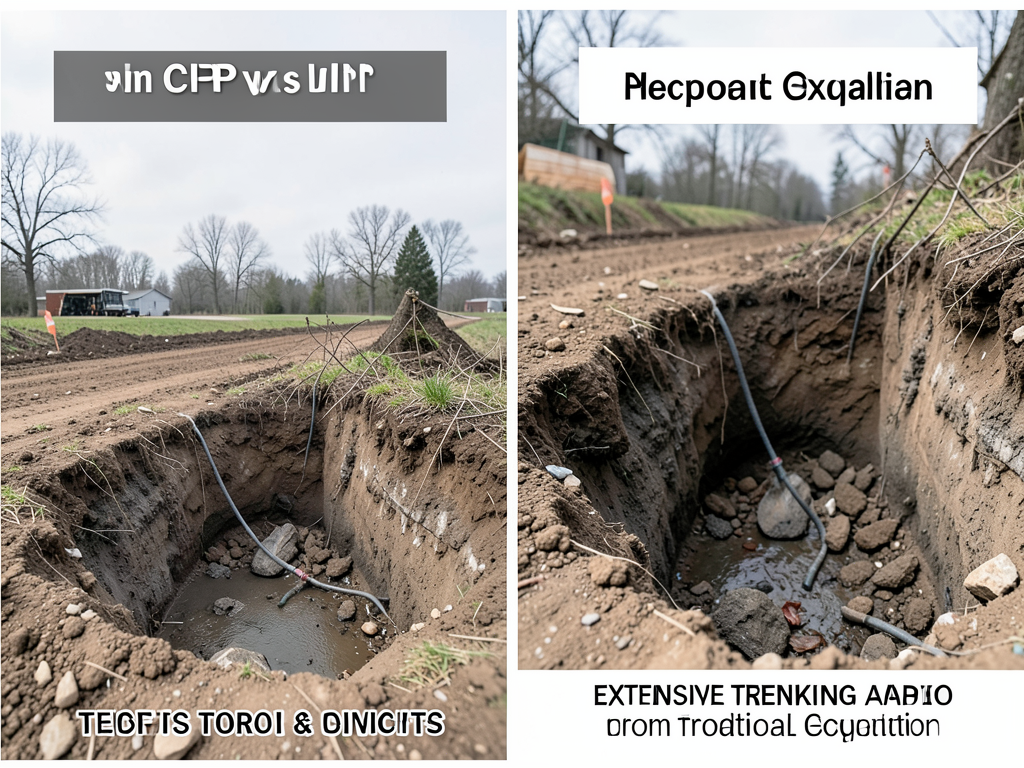
The fundamental difference lies in the repair methodology. CIPP lining is a trenchless technology that requires only one or two access points, typically at cleanouts or manholes. Traditional excavation requires digging a trench along the entire damaged section, often cutting through landscaping, driveways, or sidewalks.
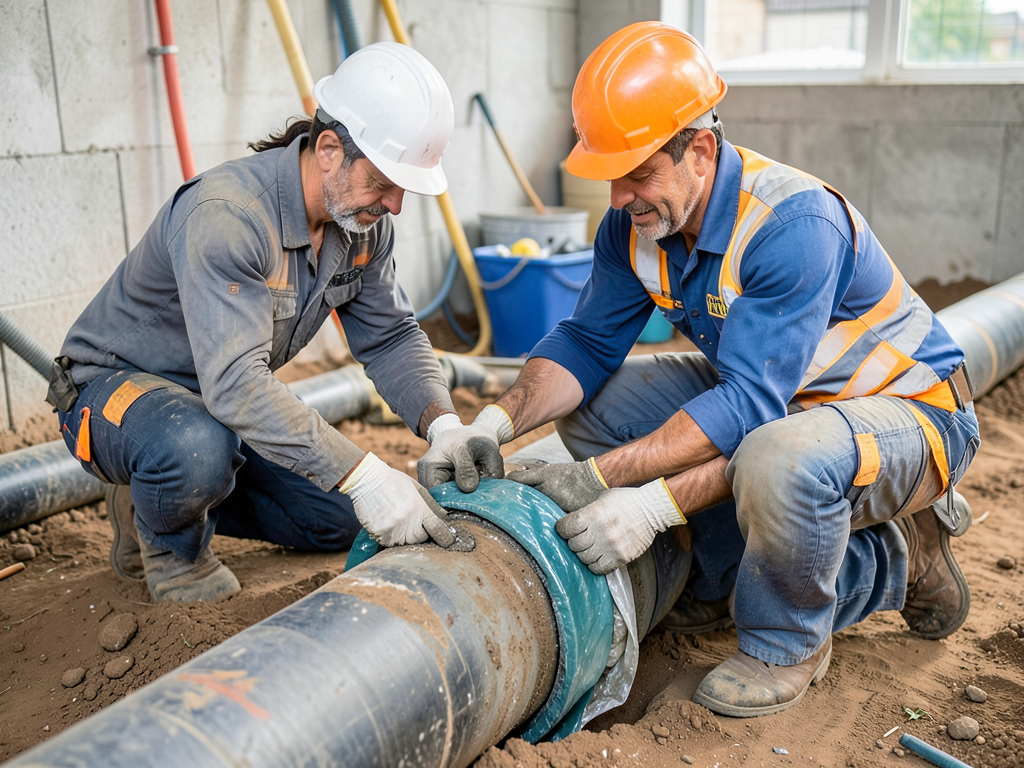
CIPP installation involves inserting a resin-saturated felt tube into the existing pipe, then curing it with hot water or steam to create a seamless new pipe within the old one. This process typically takes 4-8 hours for most residential repairs. Traditional excavation can take several days when you factor in digging, pipe replacement, backfilling, and site restoration. Fast Water Heater Replacement for Homeowners in Towson and Lutherville.
The structural integrity differs significantly. CIPP creates a jointless pipe that resists root intrusion and corrosion, with a smooth interior surface that improves flow capacity. Traditional replacement joints can become failure points over time, especially in Parkville’s clay soil conditions that shift with freeze-thaw cycles.
Side-by-Side Comparison: CIPP vs Traditional Excavation
| Factor | CIPP Lining | Traditional Excavation |
|---|---|---|
| Project Duration | 4-8 hours typical | 2-5 days typical |
| Property Impact | Minimal – 2 access points | Extensive – full trench required |
| Landscape Damage | None to minimal | Complete restoration needed |
| Cost Range | $80-$120 per foot | $50-$90 per foot |
| Lifespan | 50+ years | 50+ years |
| Permitting | Simplified, minimal street impact | Complex, street closure often required |
| Best For | Minor to moderate damage | Complete pipe collapse |
Why Parkville’s Infrastructure Makes CIPP Particularly Attractive
Parkville’s residential development patterns create specific challenges for traditional excavation. Many homes sit on smaller lots with mature landscaping, mature trees with extensive root systems, or have concrete driveways and patios that would require demolition and replacement.
The area’s soil composition adds another layer of complexity. Parkville sits on a mix of clay and silt soils that become particularly problematic during excavation. Clay soil expands when wet and contracts when dry, creating unstable trench walls that increase safety risks and project duration for traditional methods.
Local infrastructure considerations matter too. Parkville’s proximity to major roads like Harford Road means that any street excavation requires extensive coordination with Baltimore County Public Works. CIPP’s minimal surface disruption often eliminates the need for road closures or traffic management entirely.
Older Parkville homes, particularly those built before 1980, often have Orangeburg or clay sewer pipes that have reached the end of their service life. These materials are particularly susceptible to root intrusion and ground movement. CIPP’s seamless construction provides superior protection against these common Parkville issues.. Read more about How to Check for Lead Pipes in Your Highlandtown Home.
The CIPP Process Step-by-Step
The CIPP process begins with a comprehensive camera inspection to assess pipe condition and identify problem areas. This diagnostic step reveals pipe diameter, material type, and the extent of damage. For Parkville homes, this often uncovers tree root intrusion or joint separation common in the area’s mature neighborhoods.
Following inspection, the pipe undergoes thorough cleaning using hydro-jetting equipment. This removes debris, roots, and scale buildup, creating an optimal surface for the liner to bond. The high-pressure water cleaning typically operates at 3,000-4,000 PSI to ensure complete pipe preparation. Fixing Low Water Pressure in Your Locust Point Rowhome.
The liner preparation involves saturating a felt tube with epoxy resin. The resin mixture must meet ASTM F1216 standards for structural rehabilitation, ensuring the cured pipe meets or exceeds the strength of new PVC pipe. The saturated liner is then inverted into the existing pipe using air or water pressure. ASTM F1216 Standard.
Curing transforms the soft liner into a solid pipe. Hot water or steam circulates through the liner for 2-4 hours, depending on pipe diameter and ambient temperature. The curing process creates a pipe-within-a-pipe with a typical thickness of 5-10mm, providing structural integrity while maintaining adequate flow capacity.
Final inspection confirms proper curing and identifies any defects. The new pipe surface is typically smoother than the original, improving flow characteristics by up to 30% in many cases. This improved flow can help prevent future clogs and reduce the likelihood of backups.
Cost Analysis: Upfront Price vs Long-Term Value
While CIPP typically costs more per linear foot than traditional excavation, the total project cost often favors trenchless repair when you factor in all variables. A typical Parkville home with a 50-foot sewer line repair might see:
CIPP total cost: $4,000-$6,000 including inspection, lining, and cleanup
Traditional excavation: $2,500-$4,500 for pipe replacement plus $3,000-$5,000 for landscape restoration
The restoration costs for traditional excavation can be substantial. Mature landscaping in Parkville neighborhoods often includes trees, shrubs, and perennial gardens that cannot be easily replaced. Driveway replacement for a typical two-car setup adds $4,000-$8,000 to the project. Sidewalks and walkways may also require replacement, particularly if they’re concrete or paver materials.
Time value represents another cost factor. CIPP’s one-day completion means homeowners avoid extended bathroom outages and the inconvenience of construction equipment in their yard for days or weeks. For working families in Parkville, this convenience often justifies the premium price.
Warranty considerations also impact long-term value. Most CIPP installations come with 10-25 year warranties covering both materials and workmanship. Traditional repairs typically offer shorter warranty periods, and joint failures outside the warranty period can create additional expenses.
When Traditional Excavation Makes More Sense
CIPP isn’t suitable for every situation. Complete pipe collapse where no structural integrity remains makes lining impossible. In these cases, traditional excavation becomes the only viable option. The pipe must maintain enough structure to support the liner during installation.
Major rerouting projects also favor traditional methods. If your sewer line needs to be moved to avoid tree roots or change elevation significantly, excavation provides the flexibility to install new pipe along a different path. CIPP can only rehabilitate existing pipe locations.
Very old homes with multiple connection points may present challenges for CIPP. Homes with complex plumbing configurations, multiple lateral connections, or unusual pipe materials might require traditional repair to ensure all connections are properly addressed. Plumbing College Park.
Budget constraints sometimes make traditional excavation the practical choice. While CIPP offers superior long-term value, the higher upfront cost can be prohibitive for some homeowners. Traditional excavation provides a functional repair at a lower initial investment, though restoration costs should be factored into the total budget.
Local Regulations and Permitting in Baltimore County
Baltimore County requires permits for both CIPP and traditional sewer repairs, but the permitting process differs significantly between methods. CIPP permits typically process faster since the work involves minimal surface disruption and no excavation in public right-of-way.
Traditional excavation often requires additional permits for street cuts, sidewalk closures, and traffic management. These permits involve more extensive review and coordination with multiple county departments. The permitting timeline can extend project start dates by several weeks.
Environmental regulations impact both methods. The Maryland Department of the Environment oversees sewer repair to prevent contamination of groundwater and surface water. CIPP’s contained process generates less waste and poses minimal environmental risk compared to excavation, which can disturb contaminated soil or create runoff issues. Maryland Groundwater Protection.
Post-repair inspections are mandatory for both methods. Baltimore County requires video verification that the repair meets code requirements. CIPP installations must demonstrate proper curing and structural integrity, while traditional repairs must show proper bedding and connection quality.
Making the Right Choice for Your Parkville Home
The decision between CIPP and traditional excavation should start with a professional inspection. Camera inspection reveals the pipe’s condition, material type, and the extent of damage. This diagnostic information forms the foundation for recommending the most appropriate repair method. Professional Drain Cleaning Services to Clear Stubborn Clogs in Federal Hill.
Consider your property’s specific characteristics. Homes with extensive landscaping, concrete driveways, or mature trees often benefit more from CIPP’s minimal impact approach. Properties with simple yards and accessible pipe locations might make traditional excavation more practical.
Age of your home matters significantly. Parkville’s mix of housing stock includes homes from the 1950s through recent construction. Older homes with deteriorating pipes often see better long-term results from CIPP’s seamless construction, while newer homes with minor damage might be fine with traditional repair.
Your timeline requirements influence the decision too. CIPP’s one-day completion works well for homeowners who cannot tolerate extended construction periods. Traditional excavation’s longer timeline might be acceptable if you’re planning other renovations or can arrange alternative accommodations.
Budget considerations should include both immediate costs and long-term value. While CIPP costs more upfront, the elimination of restoration expenses and the warranty coverage often provide better overall value over the repair’s lifespan.
Ready to solve your sewer line problems? Call (443) 443-9099 today to schedule your professional inspection. Our Parkville plumbing experts will assess your specific situation and recommend the repair method that protects your home and your budget.
Frequently Asked Questions
How long does CIPP pipe lining last compared to traditional replacement?
CIPP lining typically lasts 50+ years, matching or exceeding the lifespan of traditional pipe replacement. The seamless construction resists root intrusion and corrosion better than jointed pipe systems.
Will CIPP repair fix all types of sewer line damage?
CIPP works well for cracks, minor to moderate corrosion, and root intrusion. However, complete pipe collapse or severe misalignment requires traditional excavation since the liner needs existing pipe structure to support it during installation.
How much landscape damage occurs with traditional excavation?
Traditional excavation typically requires digging a trench the full length of the damaged section. This means removing grass, plants, and potentially hardscaping like walkways or patios. Restoration costs often equal or exceed the pipe replacement cost itself.
Is CIPP pipe lining more expensive than traditional repair?
CIPP costs $80-$120 per foot compared to $50-$90 per foot for traditional excavation. However, when you factor in restoration costs and project duration, CIPP often provides better overall value for properties with extensive landscaping or hardscaping.
How quickly can sewer line repair be completed?
CIPP typically completes in 4-8 hours from start to finish. Traditional excavation usually takes 2-5 days when you include digging, pipe replacement, backfilling, and site restoration. This timeline difference significantly impacts homeowner convenience.
Don’t let sewer line problems disrupt your Parkville home any longer. Call (443) 443-9099 now for your professional inspection and get the right solution for your specific situation. Our experienced team understands Parkville’s unique infrastructure challenges and will recommend the repair method that best protects your property and provides lasting results.
You may also find this helpful. Five Red Flags to Watch for When Hiring a Plumber in the Baltimore Area.
You may also find this helpful. Why Your Ridgely’s Delight Rowhome Smells Like Sewage.
{
“@context”: “https://schema.org”,
“@type”: “BlogPosting”,
“headline”: “Comparing Cured-in-Place Pipe Lining vs Traditional Digging for Parkville Homes”,
“description”: “Discover the key differences between CIPP pipe lining and traditional excavation for Parkville homeowners. Learn costs, timelines, and which method protects your property best.”,
“wordCount”: 1819,
“datePublished”: “2026-03-17T10:06:00.000Z”,
“dateModified”: “2026-03-17T10:06:00.000Z”,
“inLanguage”: “en-US”,
“mainEntityOfPage”: {
“@type”: “WebPage”,
“@id”: “https://keystoneplumbingbaltimore.com”
},
“publisher”: {
“@type”: “LocalBusiness”,
“name”: “Keystone Plumbing Baltimore”,
“url”: “https://keystoneplumbingbaltimore.com”
},
“author”: {
“@type”: “Organization”,
“name”: “Keystone Plumbing Baltimore”,
“url”: “https://keystoneplumbingbaltimore.com”
},
“image”: {
“@type”: “ImageObject”,
“url”: “https://keystoneplumbingbaltimore.com/wp-content/uploads/2026/03/comparing-cured-in-place-pipe-lining-vs-traditiona-1.png”
}
}
{
“@context”: “https://schema.org”,
“@type”: “Plumber”,
“name”: “Keystone Plumbing Baltimore”,
“url”: “https://keystoneplumbingbaltimore.com”,
“address”: {
“@type”: “PostalAddress”,
“addressLocality”: “Baltimore”
},
“areaServed”: {
“@type”: “City”,
“name”: “Baltimore”
}
}
{
“@context”: “https://schema.org”,
“@type”: “FAQPage”,
“mainEntity”: [
{
“@type”: “Question”,
“name”: “How long does CIPP pipe lining last compared to traditional replacement?”,
“acceptedAnswer”: {
“@type”: “Answer”,
“text”: “CIPP lining typically lasts 50+ years, matching or exceeding the lifespan of traditional pipe replacement. The seamless construction resists root intrusion and corrosion better than jointed pipe systems.”
}
},
{
“@type”: “Question”,
“name”: “Will CIPP repair fix all types of sewer line damage?”,
“acceptedAnswer”: {
“@type”: “Answer”,
“text”: “CIPP works well for cracks, minor to moderate corrosion, and root intrusion. However, complete pipe collapse or severe misalignment requires traditional excavation since the liner needs existing pipe structure to support it during installation.”
}
},
{
“@type”: “Question”,
“name”: “How much landscape damage occurs with traditional excavation?”,
“acceptedAnswer”: {
“@type”: “Answer”,
“text”: “Traditional excavation typically requires digging a trench the full length of the damaged section. This means removing grass, plants, and potentially hardscaping like walkways or patios. Restoration costs often equal or exceed the pipe replacement cost itself.”
}
},
{
“@type”: “Question”,
“name”: “Is CIPP pipe lining more expensive than traditional repair?”,
“acceptedAnswer”: {
“@type”: “Answer”,
“text”: “CIPP costs $80-$120 per foot compared to $50-$90 per foot for traditional excavation. However, when you factor in restoration costs and project duration, CIPP often provides better overall value for properties with extensive landscaping or hardscaping.”
}
},
{
“@type”: “Question”,
“name”: “How quickly can sewer line repair be completed?”,
“acceptedAnswer”: {
“@type”: “Answer”,
“text”: “CIPP typically completes in 4-8 hours from start to finish. Traditional excavation usually takes 2-5 days when you include digging, pipe replacement, backfilling, and site restoration. This timeline difference significantly impacts homeowner convenience.”
}
}
]
}
{
“@context”: “https://schema.org”,
“@type”: “BreadcrumbList”,
“itemListElement”: [
{
“@type”: “ListItem”,
“position”: 1,
“name”: “Home”,
“item”: “https://keystoneplumbingbaltimore.com”
},
{
“@type”: “ListItem”,
“position”: 2,
“name”: “Blog”,
“item”: “https://keystoneplumbingbaltimore.com/blog”
},
{
“@type”: “ListItem”,
“position”: 3,
“name”: “Comparing Cured-in-Place Pipe Lining vs Traditional Digging for Parkville Homes”
}
]
}
{
“@context”: “https://schema.org”,
“@type”: “Service”,
“serviceType”: “Plumbing”,
“provider”: {
“@type”: “LocalBusiness”,
“name”: “Keystone Plumbing Baltimore”,
“url”: “https://keystoneplumbingbaltimore.com”
},
“areaServed”: {
“@type”: “City”,
“name”: “Baltimore”
},
“description”: “Discover the key differences between CIPP pipe lining and traditional excavation for Parkville homeowners. Learn costs, timelines, and which method protects your property best.”
}