
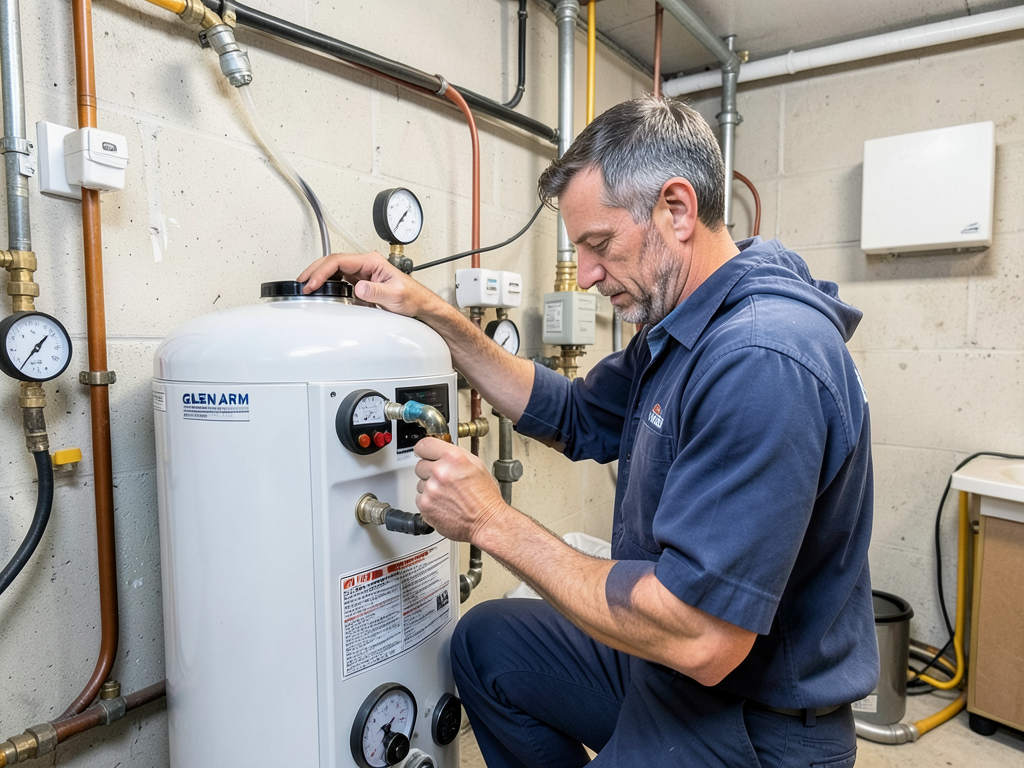
Choosing the Right UV Water Purifier for Your Well in Glen Arm
Glen Arm well owners face unique water quality challenges that demand proper UV purification. Your family’s health depends on eliminating harmful microorganisms like E. coli and Giardia that can thrive in private well systems. The right UV system protects your household while handling Glen Arm’s specific water conditions. Fast Water Heater Replacement for Homeowners in Towson and Lutherville.
Baltimore County’s agricultural landscape and seasonal water table changes affect well water quality throughout the 21057 area. A properly sized UV system with adequate pre-filtration destroys 99.99% of bacteria and viruses without chemicals or taste changes. Fixing Low Water Pressure in Your Locust Point Rowhome.
Understanding your water’s specific characteristics determines UV system success. Glen Arm well water often contains sediment, iron, or hardness that reduces UV effectiveness. Pre-filtration is essential for system performance and longevity.
How UV Water Purification Works for Well Systems
UV water purification uses ultraviolet light at 254 nanometers to disrupt microorganism DNA preventing reproduction. The process requires precise conditions for effective disinfection.
Water flows through a stainless steel chamber exposed to UV-C light from a specialized lamp. The light penetrates cell walls and damages genetic material. This method works against bacteria viruses and protozoa but cannot remove chemicals heavy metals or sediment.
Effectiveness depends on water clarity. Turbidity above 1 NTU significantly reduces disinfection. Hardness over 7 grains per gallon causes scale buildup on quartz sleeves blocking UV transmission.
Flow rate affects exposure time. Each UV system has a maximum gallons per minute rating. Exceeding this reduces disinfection effectiveness. A typical 6 GPM system works for most homes but larger households may need 12 GPM or higher capacity.
Call (443) 443-9099 today to schedule your water quality test and UV system consultation.
Key Components of a UV Water Purification System
A complete UV system includes more than just the UV lamp. Understanding each component helps you make informed decisions about system selection and maintenance.
The UV chamber houses the lamp and directs water flow. Stainless steel construction prevents corrosion and reflects UV light for maximum efficiency. The chamber must match your flow rate and water pressure requirements.
The quartz sleeve surrounds the UV lamp protecting it from water while allowing UV light to pass through. This sleeve requires annual cleaning or replacement as mineral deposits can accumulate and block UV transmission.. Read more about How to Protect Your Septic Drain Field from Costly Damage in Jacksonville.
The UV lamp produces germicidal light. Most residential lamps last 9000 hours or about one year of continuous use. The ballast controls lamp operation and provides diagnostic information about system status.
Pre-filtration typically includes a sediment filter (5-micron minimum) and often a carbon filter for taste and odor. Some systems include iron filters or water softeners when needed. Without proper pre-filtration sediment and minerals shield microorganisms from UV exposure.. Read more about Reverse Osmosis vs Carbon Filters for Better Drinking Water in Frankford.
Determining the Right UV System Size for Your Home
System sizing starts with understanding your household’s water usage patterns. A family of four typically uses 8-12 GPM during peak demand when multiple fixtures run simultaneously.
Calculate your peak flow rate by adding up simultaneous fixture usage. A shower uses 2.5 GPM a washing machine 2.0 GPM and a kitchen faucet 2.2 GPM. If two people shower while the dishwasher runs you need at least 7.4 GPM capacity.
Well pump capacity affects system selection. Most residential wells produce 5-20 GPM. Your UV system cannot exceed your well’s sustainable flow rate. A system that’s too large will cause pressure drops and potential pump damage.
Consider future needs when sizing. Planning to add bathrooms irrigation systems or a pool Factor in that additional demand now rather than replacing the system later.. Read more about How to Tell if Your Monkton Property Needs a New Well Pump.
Glen Arm’s well depths typically range from 100 to 400 feet with water quality varying significantly by location. Homes near the Loch Raven Reservoir may have different mineral content than those in the Long Green Valley area.
Pre-filtration Requirements for Well Water in Baltimore County
Well water in Baltimore County often contains sediment iron manganese and hardness minerals that can compromise UV effectiveness. Pre-filtration is not optional it’s the foundation of successful UV treatment.
Sediment filters should be rated at 5 microns or smaller. Larger particles can harbor bacteria and block UV light. A 5-micron filter removes most visible sediment while maintaining adequate flow rates.
Iron content above 0.3 ppm requires specific treatment. Iron bacteria can form biofilms that protect microorganisms from UV exposure. An iron filter or chemical treatment may be necessary before UV disinfection.
Hardness minerals (calcium and magnesium) above 7 grains per gallon cause scale buildup on quartz sleeves. This scale reduces UV transmission by up to 50% over time. A water softener or scale inhibitor may be required for hard water areas.
Tannins from decaying vegetation can cause yellow discoloration and reduce UV effectiveness. Tannin filters or specialized pre-treatment may be needed in wooded areas or near wetlands.
Maintenance Requirements for UV Water Systems
UV systems require regular maintenance to ensure continued effectiveness. The most critical task is annual lamp replacement regardless of whether the lamp still lights up.
UV lamp intensity decreases over time. After 9000 hours (about one year) output drops below effective levels even though the lamp still produces visible light. Replacing the lamp annually ensures consistent disinfection.
Quartz sleeve cleaning should occur every 6-12 months depending on water quality. Hard water areas may require more frequent cleaning. Mineral buildup blocks UV light and reduces system effectiveness.
Pre-filters need replacement every 3-6 months. Clogged filters reduce flow rates and allow sediment to reach the UV chamber. Monitor pressure gauges to determine optimal replacement intervals.
Annual system testing verifies UV intensity and flow rates. Many modern systems include monitors that alert you when performance drops below acceptable levels.
Pick up the phone and call (443) 443-9099 before the next storm hits and your well water becomes contaminated.
Common Water Quality Issues in Glen Arm Well Water
Glen Arm’s geological setting creates specific water quality patterns. The area’s mix of agricultural land and proximity to the Gunpowder River watershed affects well water characteristics.
Agricultural runoff can introduce nitrates and pesticides into groundwater. Testing for these contaminants is essential especially for homes near farmland. UV systems don’t remove chemical contaminants so additional treatment may be needed.
Seasonal variations affect water quality. Spring rains can increase turbidity and introduce surface contaminants. Summer drought can concentrate minerals and reduce well yields. Your system must handle these fluctuations.
Iron bacteria are common in Baltimore County wells. These organisms create slimy biofilms that protect other bacteria from UV light. If your water has a sulfur smell or reddish staining iron bacteria may be present.
Well casing integrity affects contamination risk. Older wells may have compromised seals that allow surface water intrusion. Annual well inspections can identify these vulnerabilities before they cause health issues.
Comparing UV Purification to Other Well Water Treatment Methods
UV purification offers distinct advantages over chemical disinfection methods. Unlike chlorine UV adds no taste odor or harmful byproducts to your water.
Chlorination requires contact time chemical storage and ongoing chemical costs. UV provides immediate disinfection without handling hazardous chemicals. However UV offers no residual protection while chlorine continues working through your plumbing system. Plumbing College Park.
Reverse osmosis removes dissolved solids and some microorganisms but wastes water and requires more maintenance. UV systems waste no water and have lower operating costs.
Ozonation provides powerful disinfection but requires complex equipment and generates ozone gas. UV is simpler safer and more reliable for residential use.
The best approach often combines methods. UV provides primary disinfection while other filters address chemical contaminants sediment and mineral issues specific to your water quality.
Installation Considerations for Glen Arm Homes
UV system installation requires strategic placement in your plumbing. The system should be installed after any pressure tank and before water enters your home’s distribution system. Plumbing Westminster.
Electrical requirements include a dedicated 120V circuit with GFCI protection. The system needs protection from freezing and direct sunlight. Indoor installation in a basement or utility room is typical.
Space requirements vary by system size. A typical residential unit needs about 36 inches of vertical space and 12 inches of width. Allow additional space for maintenance access and pre-filtration components.
Plumbing connections should use unions or quick-connect fittings for easy maintenance. Install shut-off valves before and after the system for service without disrupting household water.
Glen Arm’s mix of older homes and new construction affects installation complexity. Historic homes may need plumbing updates to accommodate modern filtration systems. Newer homes often have dedicated utility spaces that simplify installation.
Cost Factors for UV Water Purification Systems
UV system costs vary based on capacity features and pre-filtration requirements. A basic 6 GPM system with standard pre-filtration typically ranges from $800 to $1500 for equipment.
Installation costs depend on plumbing complexity and electrical requirements. Simple installations might cost $300 to $500 while complex jobs with electrical upgrades could reach $1000 or more.
Annual operating costs include lamp replacement ($80-$150) quartz sleeve replacement every 2-3 years ($50-$100) and pre-filter replacement ($50-$100 annually). Total yearly maintenance runs $200 to $400.
Water quality testing required before system selection costs $100 to $300 depending on the number of contaminants tested. Some companies offer free basic testing with system purchase.
Factor in potential pre-treatment costs. Water softeners iron filters or tannin filters can add $1000 to $3000 to the total investment but may be necessary for effective UV operation.
Regulatory Compliance and Maryland Well Standards
Maryland Department of the Environment regulates private wells under COMAR 26.04.03. While UV systems aren’t specifically mandated they must not create cross-connections or backflow hazards. Maryland Department of the Environment well regulations.
NSF/ANSI Standard 55 classifies UV systems as Class A (for disinfection) or Class B (for supplemental treatment). Class A systems provide minimum 40000 microwatt-seconds per square centimeter dosage adequate for most well water applications. NSF/ANSI Standard 55 UV system classification.
Local plumbing codes require licensed installation of water treatment equipment. Maryland Master Plumbers must follow manufacturer specifications and local building codes during installation.
Well water testing requirements under Maryland law include annual coliform bacteria testing. UV systems must be integrated with your overall water quality testing program to verify effectiveness.
Homeowners associations in Glen Arm may have restrictions on exterior equipment or modifications. Check local covenants before installation especially for visible components.
Frequently Asked Questions
Does UV purification remove hardness from well water?
No UV purification only disinfects against microorganisms. It does not remove minerals chemicals or sediment. Hard water requires a separate water softener or other treatment method.
How long does a UV lamp last in a residential system?
UV lamps typically last 9000 hours or about one year of continuous use. After this time UV output drops below effective levels even though the lamp still produces visible light.
Can I install a UV system myself?
Maryland plumbing codes require licensed professionals to install water treatment equipment. DIY installation may void warranties and create code violations or safety hazards. Professional Drain Cleaning Services to Clear Stubborn Clogs in Federal Hill.
What maintenance does a UV system require?
Annual lamp replacement quartz sleeve cleaning every 6-12 months and pre-filter replacement every 3-6 months are the main maintenance tasks. Annual system testing verifies continued effectiveness.
Will a UV system work during a power outage?
No UV systems require electricity to operate. Consider a battery backup system if uninterrupted disinfection is critical for your household.
Choosing the Right UV System for Your Glen Arm Well
Selecting the right UV system starts with professional water testing. Understanding your specific water quality challenges determines the type and size of system you need.
Consider your household size and water usage patterns. A system too small won’t provide adequate disinfection during peak demand. One too large wastes energy and may cause pressure issues.
Evaluate your willingness to perform maintenance. Some systems include lamp change reminders and monitor UV intensity. Others require manual monitoring and scheduled maintenance.
Budget for both initial costs and ongoing maintenance. The cheapest system may cost more over time if it requires frequent repairs or doesn’t handle your specific water quality issues.
Professional installation ensures proper sizing code compliance and optimal performance. A licensed plumber can integrate your UV system with existing plumbing and recommend appropriate pre-treatment.
Don’t wait until water quality issues arise. Proactive installation of a properly sized UV system provides peace of mind and protects your family’s health year-round.
Call (443) 443-9099 today to schedule your comprehensive water quality analysis and UV system consultation. Your family’s health deserves professional protection.
{
“@context”: “https://schema.org”,
“@type”: “BlogPosting”,
“headline”: “Choosing the Right UV Water Purifier for Your Well in Glen Arm”,
“description”: “Protect your Glen Arm well water with the right UV purifier. Learn about local water quality challenges, system sizing, and maintenance for Baltimore County homes.”,
“wordCount”: 2084,
“datePublished”: “2026-04-29T11:48:00.000Z”,
“dateModified”: “2026-04-29T11:48:00.000Z”,
“inLanguage”: “en-US”,
“mainEntityOfPage”: {
“@type”: “WebPage”,
“@id”: “https://keystoneplumbingbaltimore.com”
},
“publisher”: {
“@type”: “LocalBusiness”,
“name”: “Keystone Plumbing Baltimore”,
“url”: “https://keystoneplumbingbaltimore.com”
},
“author”: {
“@type”: “Organization”,
“name”: “Keystone Plumbing Baltimore”,
“url”: “https://keystoneplumbingbaltimore.com”
},
“image”: {
“@type”: “ImageObject”,
“url”: “https://keystoneplumbingbaltimore.com/wp-content/uploads/2026/03/choosing-the-right-uv-water-purifier-for-your-well-1.png”
}
}
{
“@context”: “https://schema.org”,
“@type”: “Plumber”,
“name”: “Keystone Plumbing Baltimore”,
“url”: “https://keystoneplumbingbaltimore.com”,
“address”: {
“@type”: “PostalAddress”,
“addressLocality”: “Baltimore”
},
“areaServed”: {
“@type”: “City”,
“name”: “Baltimore”
}
}
{
“@context”: “https://schema.org”,
“@type”: “FAQPage”,
“mainEntity”: [
{
“@type”: “Question”,
“name”: “Does UV purification remove hardness from well water?”,
“acceptedAnswer”: {
“@type”: “Answer”,
“text”: “No UV purification only disinfects against microorganisms. It does not remove minerals chemicals or sediment. Hard water requires a separate water softener or other treatment method.”
}
},
{
“@type”: “Question”,
“name”: “How long does a UV lamp last in a residential system?”,
“acceptedAnswer”: {
“@type”: “Answer”,
“text”: “UV lamps typically last 9000 hours or about one year of continuous use. After this time UV output drops below effective levels even though the lamp still produces visible light.”
}
},
{
“@type”: “Question”,
“name”: “Can I install a UV system myself?”,
“acceptedAnswer”: {
“@type”: “Answer”,
“text”: “Maryland plumbing codes require licensed professionals to install water treatment equipment. DIY installation may void warranties and create code violations or safety hazards. Professional Drain Cleaning Services to Clear Stubborn Clogs in Federal Hill.”
}
},
{
“@type”: “Question”,
“name”: “What maintenance does a UV system require?”,
“acceptedAnswer”: {
“@type”: “Answer”,
“text”: “Annual lamp replacement quartz sleeve cleaning every 6-12 months and pre-filter replacement every 3-6 months are the main maintenance tasks. Annual system testing verifies continued effectiveness.”
}
},
{
“@type”: “Question”,
“name”: “Will a UV system work during a power outage?”,
“acceptedAnswer”: {
“@type”: “Answer”,
“text”: “No UV systems require electricity to operate. Consider a battery backup system if uninterrupted disinfection is critical for your household.”
}
}
]
}
{
“@context”: “https://schema.org”,
“@type”: “BreadcrumbList”,
“itemListElement”: [
{
“@type”: “ListItem”,
“position”: 1,
“name”: “Home”,
“item”: “https://keystoneplumbingbaltimore.com”
},
{
“@type”: “ListItem”,
“position”: 2,
“name”: “Blog”,
“item”: “https://keystoneplumbingbaltimore.com/blog”
},
{
“@type”: “ListItem”,
“position”: 3,
“name”: “Choosing the Right UV Water Purifier for Your Well in Glen Arm”
}
]
}
{
“@context”: “https://schema.org”,
“@type”: “Service”,
“serviceType”: “Plumbing”,
“provider”: {
“@type”: “LocalBusiness”,
“name”: “Keystone Plumbing Baltimore”,
“url”: “https://keystoneplumbingbaltimore.com”
},
“areaServed”: {
“@type”: “City”,
“name”: “Baltimore”
},
“description”: “Protect your Glen Arm well water with the right UV purifier. Learn about local water quality challenges, system sizing, and maintenance for Baltimore County homes.”
}