
Signs Your Water Pressure Regulator is Failing in Your Nottingham Home
Is your shower pressure suddenly too strong or too weak? Do you hear banging pipes when you turn off a faucet? These could be signs your water pressure regulator is failing. In Nottingham homes, where aging infrastructure and hard water are common, a failing pressure regulator can lead to serious plumbing damage if left unchecked. Fast Water Heater Replacement for Homeowners in Towson and Lutherville.
A properly functioning water pressure regulator keeps your home’s water pressure between 40-60 PSI. When it fails, you might experience everything from inconsistent flow to pipe bursts that can flood your basement. Let’s explore the warning signs and what you can do about it. Who to Call for an Emergency Pipe Burst in Canton Right Now.
What is a Water Pressure Regulator and Why Does Your Baltimore Home Need One?
A water pressure regulator (also called a pressure reducing valve or PRV) is a bell-shaped device typically located where your main water line enters your home. It contains a spring-loaded diaphragm that reduces high municipal water pressure to a safe level for your household plumbing. Fixing Low Water Pressure in Your Locust Point Rowhome.
Baltimore’s aging water infrastructure means many Nottingham homes receive water pressure that exceeds 80 PSI from the city mains. Without a regulator, this high pressure can damage pipes, appliances, and fixtures. The Maryland Plumbing Code requires pressure reducing valves when municipal pressure exceeds 80 PSI to protect your home’s plumbing system. Plumbing College Park.
Common Symptoms of a Faulty PRV
Recognizing these warning signs early can save you thousands in potential water damage repairs. Here are the most common symptoms Nottingham homeowners report: EPA WaterSense guidelines.
1. Inconsistent Water Pressure (The ‘High-Low’ Swing)
One day your shower feels like a fire hose, the next day it barely dribbles. This inconsistency is often the first sign of a failing regulator. The spring mechanism inside the valve becomes worn or corroded, causing pressure to fluctuate wildly throughout your home.. Read more about How to Repair a Leaky Shower Valve in Your Cross Keys Condo.
You might notice this most when using multiple fixtures. One faucet works fine while another barely flows, then they switch roles minutes later. This inconsistent behavior indicates the regulator can no longer maintain steady pressure.
2. Banging or Thumping Noises in Pipes (Water Hammer)
Hearing loud banging when you shut off a faucet or flush a toilet? This water hammer effect occurs when high-pressure water suddenly stops, creating a shockwave through your pipes. While water hammer can have other causes, a failing regulator often allows pressure to spike above 80 PSI, intensifying these noises.
Over time, these pressure spikes can cause pipe joints to loosen and even lead to burst pipes in walls or ceilings. The noise is your plumbing system crying for help.
3. Leaking Faucets or Constantly Running Toilets
High water pressure forces water past seals and gaskets in your fixtures. You might notice:
- Dripping faucets even when fully closed
- Toilets that run intermittently throughout the day
- Outdoor spigots that leak around the handle
These small leaks waste water and increase your utility bills. More importantly, they indicate pressure is exceeding what your fixtures were designed to handle.
4. High Water Pressure (Testing Above 75 PSI)
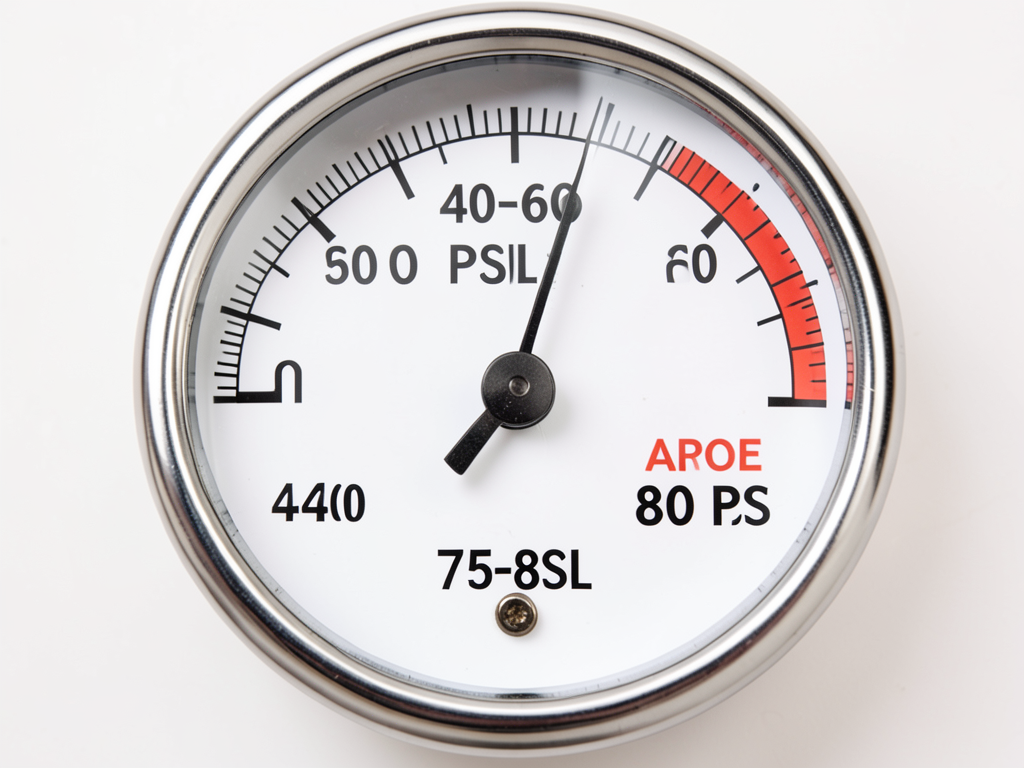
The most definitive test is measuring your water pressure with a gauge. Normal residential pressure ranges from 40-60 PSI. Anything consistently above 75 PSI indicates a failing regulator.
You can test this yourself by attaching a pressure gauge to an outdoor spigot or washing machine connection. If readings exceed 80 PSI, you have a serious problem that needs immediate attention.
5. No Water or Low Flow Throughout the House
When a regulator completely fails, it can get stuck in the closed position, cutting off water flow entirely. This creates the opposite problem of high pressure – no pressure at all.
If you suddenly lose water pressure throughout your home while your neighbors still have water, a failed regulator is likely the culprit. This requires immediate professional attention. Professional Drain Cleaning Services to Clear Stubborn Clogs in Federal Hill.
The Hidden Dangers of Ignoring a Failed Regulator
Many Nottingham homeowners make the mistake of ignoring these warning signs. Here’s what can happen when high water pressure goes unchecked:
Appliance Damage: Water heaters, dishwashers, and washing machines are designed for specific pressure ranges. High pressure can cause premature failure of heating elements, seals, and internal components.
Pipe Failure: Excessive pressure stresses pipe joints and connections. In older Nottingham homes with galvanized steel pipes, this can lead to catastrophic failures where pipes burst inside walls, causing extensive water damage.
Water Heater Explosion Risk: When pressure exceeds safe levels, your water heater’s temperature and pressure relief valve may fail to open properly. This creates a dangerous situation where the tank could rupture under extreme pressure and temperature.
Mold and Mildew Growth: Small, persistent leaks from high pressure create moisture problems in walls and under cabinets. In Baltimore’s humid climate, this moisture quickly leads to mold growth, creating health hazards and expensive remediation needs.
How to Test Your Own Water Pressure (Step-by-Step Guide)
- Purchase a Pressure Gauge
Buy an inexpensive water pressure gauge from any hardware store. Look for one with a female hose thread connection that reads up to 300 PSI.
- Locate a Test Point
Find an outdoor spigot near your main water line or a washing machine connection. These provide the most accurate readings since they’re closest to where water enters your home.
- Prepare the Fixture
Ensure all water-using appliances are off and no faucets are running inside or outside your home. This ensures you’re measuring static pressure.
- Attach and Read the Gauge
Screw the gauge onto the spigot or connection. Turn the water on full force and read the pressure. Note the reading after the needle stabilizes, usually within 30 seconds.
- Interpret Results
Record readings at different times of day. If pressure consistently exceeds 75 PSI, your regulator needs attention. Readings above 80 PSI indicate an immediate safety hazard.
Why Baltimore Residents Experience Frequent PRV Failures
Nottingham and surrounding Baltimore neighborhoods face unique challenges that accelerate pressure regulator wear:
Hard Water Sediment: Baltimore’s water supply contains high mineral content that accumulates inside the regulator’s diaphragm and spring mechanism. This sediment buildup causes the valve to stick or fail prematurely.
Age of Infrastructure: Many Nottingham homes were built between 1950-1980 when municipal water pressure management was less sophisticated. Original regulators in these homes are often 20-30 years past their expected lifespan.
Thermal Expansion: When water heats in your water heater, it expands. If your home has a closed plumbing system (common in newer homes with backflow preventers), this expansion creates additional pressure that stresses an already failing regulator.
Water Main Construction: Ongoing infrastructure projects in Baltimore can cause pressure surges when water is restored after maintenance. These surges can damage already weakened regulators.
Professional PRV Replacement in Baltimore: Costs and Process
Replacing a failed pressure regulator is a straightforward process for experienced plumbers, but it requires precision and knowledge of local codes. Here’s what to expect:
Cost Factors: PRV replacement typically ranges from $350-$600 in the Baltimore area, depending on accessibility and whether additional plumbing modifications are needed. Homes with difficult access points or those requiring code upgrades may see higher costs.
Installation Process: A licensed plumber will first shut off your main water supply, then remove the old regulator. They’ll install a new unit rated for your home’s specific needs, typically a 3/4″ or 1″ residential model. The new regulator is then adjusted to maintain 50-60 PSI.
Code Compliance: Maryland Plumbing Code Section 604.8 requires pressure reducing valves when supply pressure exceeds 80 PSI. Professional installation ensures your new regulator meets all local requirements and includes proper drainage for the relief valve.
Warranty and Lifespan: Quality pressure regulators typically carry 3-5 year warranties and last 7-12 years with proper water quality. Installing a water softener can extend the life of your new regulator by preventing mineral buildup.

Comparing DIY vs Professional PRV Replacement
| Factor | DIY Replacement | Professional Installation |
|---|---|---|
| Cost | $100-150 (parts only) | $350-600 (parts + labor) |
| Time Required | 2-4 hours | 1-2 hours |
| Tools Needed | Adjustable wrenches, pipe cutter, thread sealant | Professional-grade tools and equipment |
| Code Compliance | Owner’s responsibility | Guaranteed compliance |
| Warranty | Manufacturer only | Parts + labor warranty |
| Risk Level | High (water damage, improper installation) | Minimal |
Protecting Your Investment: Maintenance Tips
Once you have a properly functioning pressure regulator, these maintenance steps can prevent premature failure:
- Test pressure annually with a gauge to catch problems early
- Install a water softener if you have hard water to reduce mineral buildup
- Check for small leaks monthly and address them promptly
- Have your plumbing system inspected every 2-3 years by a licensed plumber
Remember that pressure regulators don’t last forever. Even with perfect maintenance, expect to replace your unit every 10-15 years in Baltimore’s water conditions.
When to Call a Professional Immediately
Some situations require immediate professional attention to prevent property damage or safety hazards:
- Pressure readings above 80 PSI
- Complete loss of water pressure throughout the house
- Visible water damage or mold growth near plumbing fixtures
- Water heater making unusual noises or leaking from the pressure relief valve
- Multiple fixtures failing simultaneously
Don’t wait for a small problem to become a flooded basement. Professional diagnosis can identify whether you need a simple adjustment or complete replacement.
Frequently Asked Questions
How long does a water pressure regulator typically last?
Most residential pressure regulators last 7-12 years, though hard water conditions in Baltimore can reduce this to 5-8 years. Regular testing and maintenance can help maximize lifespan.
Can I adjust my own water pressure regulator?
While adjustment is possible with a screwdriver, it’s not recommended for homeowners. Improper adjustment can create dangerous pressure levels that damage plumbing and appliances. Professional adjustment ensures safe, code-compliant settings.
What PSI is too high for residential plumbing?
Anything consistently above 80 PSI is considered dangerous. The optimal range is 40-60 PSI. Pressures above 100 PSI can cause immediate pipe failures and should be addressed as an emergency.
Will a failing regulator affect my water heater?
Yes. High pressure stresses your water heater’s tank and can cause the temperature and pressure relief valve to leak. In extreme cases, it can lead to tank failure or explosion if the relief valve cannot release excess pressure.
How much does it cost to replace a pressure regulator in Baltimore?
Professional replacement typically costs $350-600, including parts and labor. Factors affecting price include accessibility, whether code upgrades are needed, and the specific model required for your home’s plumbing system.
Call (443) 443-9099 today to schedule your inspection and protect your Nottingham home from costly water damage. For more information, visit International Plumbing Code Section 604.
You may also find this helpful. Finding and Fixing Hidden Slab Leaks Under Your Beverly Hills Home.
{
“@context”: “https://schema.org”,
“@type”: “BlogPosting”,
“headline”: “Signs Your Water Pressure Regulator is Failing in Your Nottingham Home”,
“description”: “Is your water pressure inconsistent? Learn the warning signs of a failing pressure regulator and protect your Nottingham home from costly plumbing damage.”,
“wordCount”: 1781,
“datePublished”: “2026-04-05T13:55:00.000Z”,
“dateModified”: “2026-04-05T13:55:00.000Z”,
“inLanguage”: “en-US”,
“mainEntityOfPage”: {
“@type”: “WebPage”,
“@id”: “https://keystoneplumbingbaltimore.com”
},
“publisher”: {
“@type”: “LocalBusiness”,
“name”: “Keystone Plumbing Baltimore”,
“url”: “https://keystoneplumbingbaltimore.com”
},
“author”: {
“@type”: “Organization”,
“name”: “Keystone Plumbing Baltimore”,
“url”: “https://keystoneplumbingbaltimore.com”
},
“image”: {
“@type”: “ImageObject”,
“url”: “https://keystoneplumbingbaltimore.com/wp-content/uploads/2026/03/signs-your-water-pressure-regulator-is-failing-in-1.png”
}
}
{
“@context”: “https://schema.org”,
“@type”: “Plumber”,
“name”: “Keystone Plumbing Baltimore”,
“url”: “https://keystoneplumbingbaltimore.com”,
“address”: {
“@type”: “PostalAddress”,
“addressLocality”: “Baltimore”
},
“areaServed”: {
“@type”: “City”,
“name”: “Baltimore”
}
}
{
“@context”: “https://schema.org”,
“@type”: “FAQPage”,
“mainEntity”: [
{
“@type”: “Question”,
“name”: “What is a Water Pressure Regulator and Why Does Your Baltimore Home Need One?”,
“acceptedAnswer”: {
“@type”: “Answer”,
“text”: “A water pressure regulator (also called a pressure reducing valve or PRV) is a bell-shaped device typically located where your main water line enters your home. It contains a spring-loaded diaphragm that reduces high municipal water pressure to a safe level for your household plumbing. Fixing Low Water Pressure in Your Locust Point Rowhome.”
}
},
{
“@type”: “Question”,
“name”: “How long does a water pressure regulator typically last?”,
“acceptedAnswer”: {
“@type”: “Answer”,
“text”: “Most residential pressure regulators last 7-12 years, though hard water conditions in Baltimore can reduce this to 5-8 years. Regular testing and maintenance can help maximize lifespan.”
}
},
{
“@type”: “Question”,
“name”: “Can I adjust my own water pressure regulator?”,
“acceptedAnswer”: {
“@type”: “Answer”,
“text”: “While adjustment is possible with a screwdriver, it’s not recommended for homeowners. Improper adjustment can create dangerous pressure levels that damage plumbing and appliances. Professional adjustment ensures safe, code-compliant settings.”
}
},
{
“@type”: “Question”,
“name”: “What PSI is too high for residential plumbing?”,
“acceptedAnswer”: {
“@type”: “Answer”,
“text”: “Anything consistently above 80 PSI is considered dangerous. The optimal range is 40-60 PSI. Pressures above 100 PSI can cause immediate pipe failures and should be addressed as an emergency.”
}
},
{
“@type”: “Question”,
“name”: “Will a failing regulator affect my water heater?”,
“acceptedAnswer”: {
“@type”: “Answer”,
“text”: “Yes. High pressure stresses your water heater’s tank and can cause the temperature and pressure relief valve to leak. In extreme cases, it can lead to tank failure or explosion if the relief valve cannot release excess pressure.”
}
},
{
“@type”: “Question”,
“name”: “How much does it cost to replace a pressure regulator in Baltimore?”,
“acceptedAnswer”: {
“@type”: “Answer”,
“text”: “Professional replacement typically costs $350-600, including parts and labor. Factors affecting price include accessibility, whether code upgrades are needed, and the specific model required for your home’s plumbing system.”
}
}
]
}
{
“@context”: “https://schema.org”,
“@type”: “HowTo”,
“name”: “How to Test Your Water Pressure”,
“step”: [
{
“@type”: “HowToStep”,
“position”: 1,
“name”: “Purchase a Pressure Gauge”,
“text”: “Buy an inexpensive water pressure gauge from any hardware store. Look for one with a female hose thread connection that reads up to 300 PSI.”
},
{
“@type”: “HowToStep”,
“position”: 2,
“name”: “Locate a Test Point”,
“text”: “Find an outdoor spigot near your main water line or a washing machine connection. These provide the most accurate readings since they’re closest to where water enters your home.”
},
{
“@type”: “HowToStep”,
“position”: 3,
“name”: “Prepare the Fixture”,
“text”: “Ensure all water-using appliances are off and no faucets are running inside or outside your home. This ensures you’re measuring static pressure.”
},
{
“@type”: “HowToStep”,
“position”: 4,
“name”: “Attach and Read the Gauge”,
“text”: “Screw the gauge onto the spigot or connection. Turn the water on full force and read the pressure. Note the reading after the needle stabilizes, usually within 30 seconds.”
},
{
“@type”: “HowToStep”,
“position”: 5,
“name”: “Interpret Results”,
“text”: “Record readings at different times of day. If pressure consistently exceeds 75 PSI, your regulator needs attention. Readings above 80 PSI indicate an immediate safety hazard.”
}
],
“image”: “https://keystoneplumbingbaltimore.com/wp-content/uploads/2026/03/signs-your-water-pressure-regulator-is-failing-in-1.png”
}
{
“@context”: “https://schema.org”,
“@type”: “BreadcrumbList”,
“itemListElement”: [
{
“@type”: “ListItem”,
“position”: 1,
“name”: “Home”,
“item”: “https://keystoneplumbingbaltimore.com”
},
{
“@type”: “ListItem”,
“position”: 2,
“name”: “Blog”,
“item”: “https://keystoneplumbingbaltimore.com/blog”
},
{
“@type”: “ListItem”,
“position”: 3,
“name”: “Signs Your Water Pressure Regulator is Failing in Your Nottingham Home”
}
]
}
{
“@context”: “https://schema.org”,
“@type”: “Service”,
“serviceType”: “Plumbing”,
“provider”: {
“@type”: “LocalBusiness”,
“name”: “Keystone Plumbing Baltimore”,
“url”: “https://keystoneplumbingbaltimore.com”
},
“areaServed”: {
“@type”: “City”,
“name”: “Baltimore”
},
“description”: “Is your water pressure inconsistent? Learn the warning signs of a failing pressure regulator and protect your Nottingham home from costly plumbing damage.”
}